






























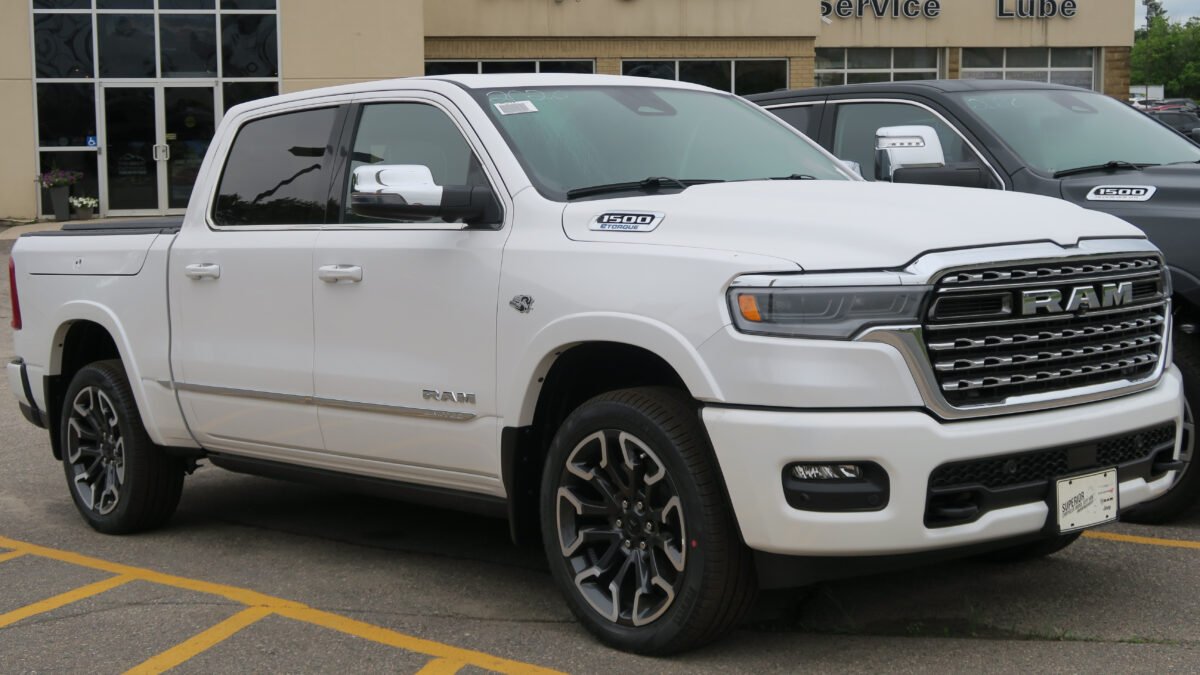
The world’s fourth-biggest carmaker just posted its clearest signal yet that its turnaround plan is actually working.
Stellantis just posted the kind of quarter that would have been unthinkable a year ago. The company that makes Jeep, Ram, Chrysler, Dodge, Peugeot, Citroën, Fiat, Opel and Maserati reported its Q3 2026 results on October 28, and the net loss shrank by 90% compared with the same quarter last year, from €4.5 billion down to €453 million. Revenue grew too, up 1% to €37.6 billion. For a company that posted a brutal €22.3 billion full-year loss in 2025, that is a genuine turnaround story, not just a one-quarter blip.
Here is why that matters even if you have never driven a Jeep or a Ram pickup. Stellantis is one of the four biggest car-and-truck makers on the planet by volume. When a group this size goes from near-crisis to credible recovery, it changes what gets built, where it gets built, and which models survive the cost-cutting knife over the next two years. That affects supply chains, dealer networks and eventually what shows up in showrooms everywhere, India included.
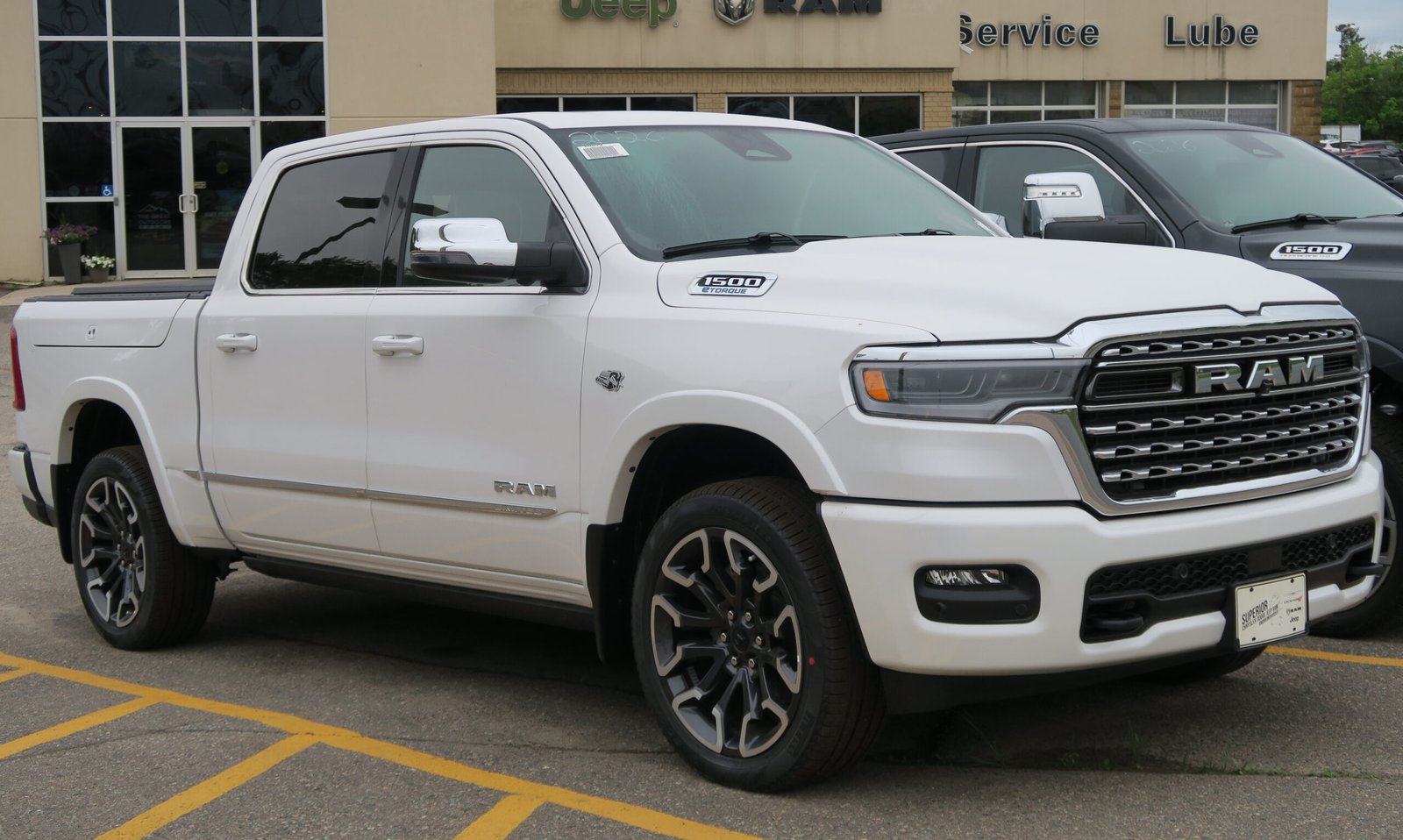
The most telling number in the whole release is not even in the financial statement. For the first time since Ram split off from Dodge as its own brand in 2009, Ram outsold Jeep in the US market in a single quarter: 134,072 trucks to Jeep’s 128,542. The Ram 1500 pickup alone was up 73% year over year, dragging the brand’s total North American sales up 30%. Jeep, meanwhile, fell about 20% for the quarter, even though its Wrangler held up and actually grew a little. North America as a region swung from a loss of €475 million a year ago to a profit of €64 million, which tells you how much Ram’s truck demand alone is propping up Stellantis’s bottom line right now.
That is not a coincidence. Stellantis’s CEO, Antonio Filosa, has spent his first year running a program called FaSTLAne 2030, which is really a cost-cutting and efficiency plan dressed up with a catchy name. The company says it is on track to lock in at least 40% of a targeted €6 billion in yearly savings (what it calls its “Value Creation Program”) by the end of this year, and expects to roughly double the pace of those savings in the final quarter. “We reaffirm our 2026 guidance, and our expectation of positive Industrial Free Cash Flow in 2027,” Filosa said in the earnings statement, a notably confident line for a company that was burning cash so badly in 2025 that analysts were openly questioning whether some of its weaker brands would survive.
Europe is still the problem child
Not every region is cooperating. Enlarged Europe (the EU plus a few neighbouring markets) was the only region to post a negative adjusted operating income this quarter, a loss of €311 million, even though sales volumes there actually rose 10%. The issue is pricing: Stellantis is selling more cars in Europe but making less money on each one, partly from discounting pressure and partly from an unfavourable mix of cheaper models. There is a genuine bright spot buried in that, though. Battery-electric passenger car sales in Europe jumped 65% year over year, and light commercial EV sales were up 46%, so the shift to electric is real, it just is not profitable yet.

Asia Pacific tells a different, more interesting story. Sales there fell 27%, largely because the Citroën C5X has aged out in China, but Stellantis used the quarter to double down on its bet on Leapmotor, the Chinese EV maker it took a 21% stake in back in 2024 and now effectively controls through a joint venture called Leapmotor International. Production of the Leapmotor C10 and B10 started at a new plant in Malaysia this quarter, and Stellantis also set up a fresh joint venture in Wuhan with Dongfeng to develop future Jeep and Peugeot models for China, converting an old shareholder loan into equity along the way. In plain terms: rather than fighting to sell its own ageing, European-designed cars in China, Stellantis is leaning harder on a Chinese partner’s EV platforms and badge-engineering its way back into relevance there and across Southeast Asia.
What this means for India
Stellantis’s Indian business is small next to its global numbers, but it is not sitting still. In September 2026, Stellantis bought out its local partner CK Birla Group’s stake in their manufacturing joint venture, taking full ownership of the Thiruvallur plant in Tamil Nadu that builds Citroën’s C3, e-C3, C3 Aircross and Basalt models, with a plan to push output there to 43,000 units a year by 2028. The Jeep Compass, sold here as the brand’s only mainstream India model, continues to come out of the Ranjangaon plant near Pune, which Stellantis runs as a joint venture with Tata Motors. Neither plant gets broken out separately in the global earnings release, so you cannot draw a direct line from this quarter’s numbers to what happens at Indian dealerships. But a company that is tightening its belt everywhere else just took full control of one of its Indian factories instead of walking away from it, which is as good a signal of intent as you will get from an earnings report.

Compare this to the rest of the industry this earnings season: Volvo just cut 2,500 jobs after a $530 million Q3 loss, and Tesla’s profit fell 43% on flat revenue. Stellantis is one of the few large manufacturers actually showing its turnaround plan working in the numbers, not just promising better days ahead in a press release. That said, a “90% smaller loss” is still a loss, and industrial free cash flow remains negative €4 billion for the quarter. Filosa has not fixed Stellantis. He has stopped the bleeding and started, barely, to turn the ship around.

What to watch next
Three things will tell you whether this recovery is real or just a good quarter: whether Ram’s truck-driven strength in North America survives into Q4 (Stellantis is managing US dealer inventory down toward December 2025 levels, which could mean fewer trucks built), whether Europe’s pricing problem eases, and whether the Leapmotor and Dongfeng partnerships in Asia start producing actual sales rather than just new factories and joint-venture paperwork. Stellantis has reaffirmed its full-year guidance twice now, including positive free cash flow for all of 2027. The next report lands in early 2027, and that is when we will know if this was a real comeback or just the least-bad quarter of a rough couple of years.