




















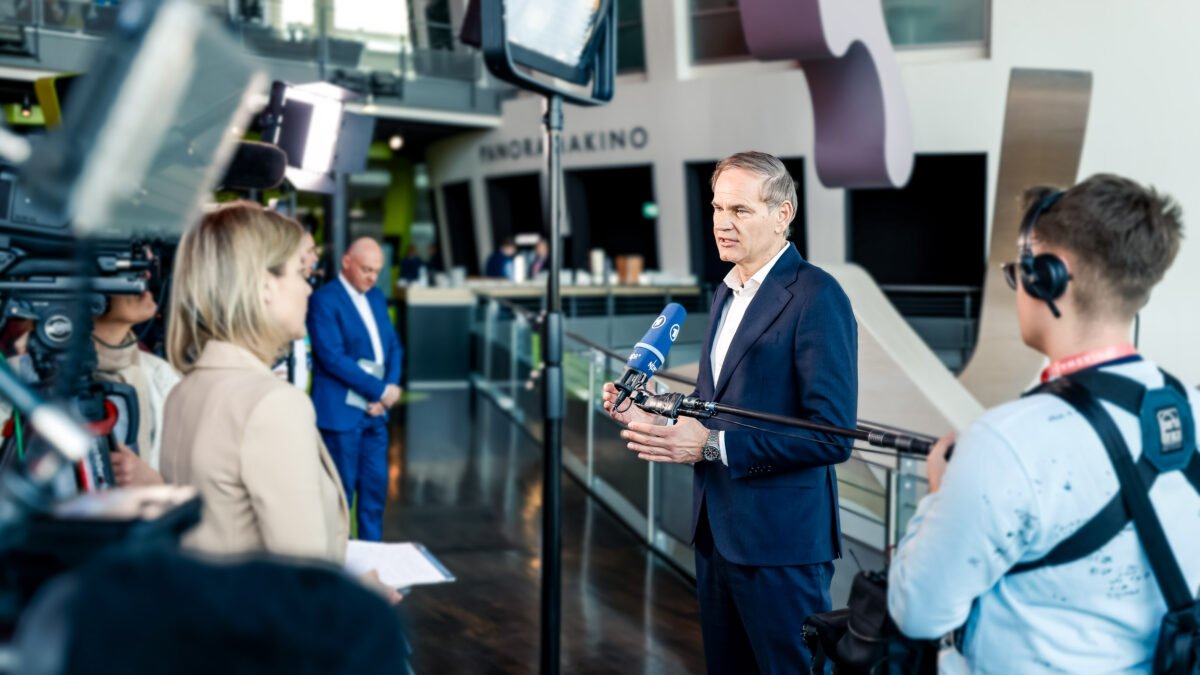
Germany’s biggest union just told Volkswagen’s board to expect a fight, three days before that board decides whether four German factories have a future at all.
On Monday, IG Metall, Germany’s largest industrial union, warned Volkswagen it would face “maximum resistance” if management tries to walk back a restructuring deal signed less than two years ago. The warning landed at a staff meeting at VW’s Hanover plant, and it sets up one of the tensest weeks in the company’s recent history: on Friday, September 4, Volkswagen’s supervisory board votes, for the second time in two months, on a plan that could close four factories and cut tens of thousands more jobs. This is Europe’s largest carmaker by sales, the owner of Audi, Porsche, Skoda and Lamborghini. When its home base wobbles, the shockwaves reach every brand under that roof, eventually including the Skoda and Volkswagen showrooms here in India.
What Actually Happened
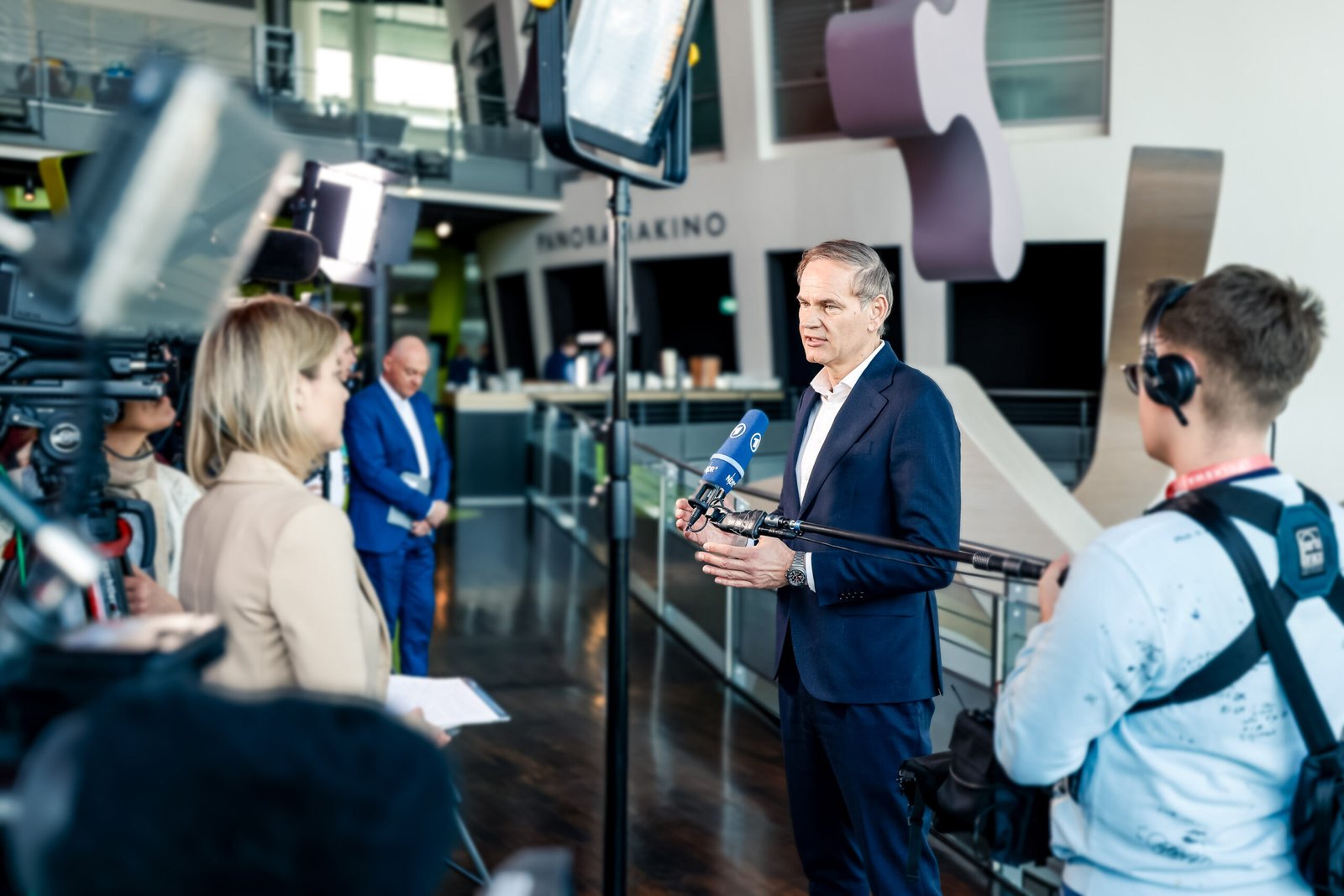
Speaking at the Hanover meeting, IG Metall’s district leader Thorsten Gröger did not mince words: “If the board tries to call this agreement into question again, then the factory floors will be up in arms at all our sites.” The agreement he means is the one VW signed with unions in December 2024, a deal that promised no compulsory layoffs and kept all ten German plants running through 2030, in exchange for workers accepting real wage cuts and a voluntary reduction of 35,000 jobs.
Less than two years later, VW’s management wants to renegotiate that promise. CEO Oliver Blume has put a plan on the table, internally called “Group Target Picture 2030,” that names four plants management says it cannot guarantee competitive, full-time work for through the next decade: Emden and Zwickau, which build the ID.4, ID.3 and other electric models, Neckarsulm, which builds Audi models, and Hanover, the global home of VW’s vans and commercial vehicles. A version of this plan was already put to the board in July and rejected. Friday is the second attempt.
The Numbers, and Where the Confusion Comes From
You will see different job-cut figures reported for this story, and both are technically correct, they just answer different questions. Reuters reports management is considering roughly 50,000 additional layoffs on top of the 35,000 already agreed in 2024, largely concentrated at the VW passenger car brand in Germany. Separately, Blume has told the board that in the worst case, if the group cannot find a way through this, cuts of up to 100,000 jobs could be needed across the entire Volkswagen Group, including at Audi and Porsche. Treat the 50,000 figure as the number on the table for Friday’s vote, and the 100,000 figure as management’s warning of how bad it could get if nothing is agreed.
The financial case management is making centres on one number from finance chief Arno Antlitz: keeping the four named plants running as they are today costs the company a permanent 1.5 billion euros a year, every year, compared to running leaner. That is roughly ₹14,800 crore annually, a gap Antlitz says will not close on its own. Group-wide, VW says its overhead costs run more than 30 percent above comparable rivals, and German plant costs, despite a 20 percent cut over the past year already, are still not where they need to be against Chinese and Korean competition.
The Plants at Risk
| Plant | What It Builds | Status Under the Plan |
| Emden | ID.4, ID.7, ID.7 Tourer (electric) | Production proposed to end 2031 |
| Zwickau | ID.3, ID.4, ID.5, Audi Q4 e-tron (electric) | Production proposed to end 2031 |
| Neckarsulm | Audi models | Closure proposed by 2034 |
| Hanover | Vans and commercial vehicles | Closure proposed by 2032 |
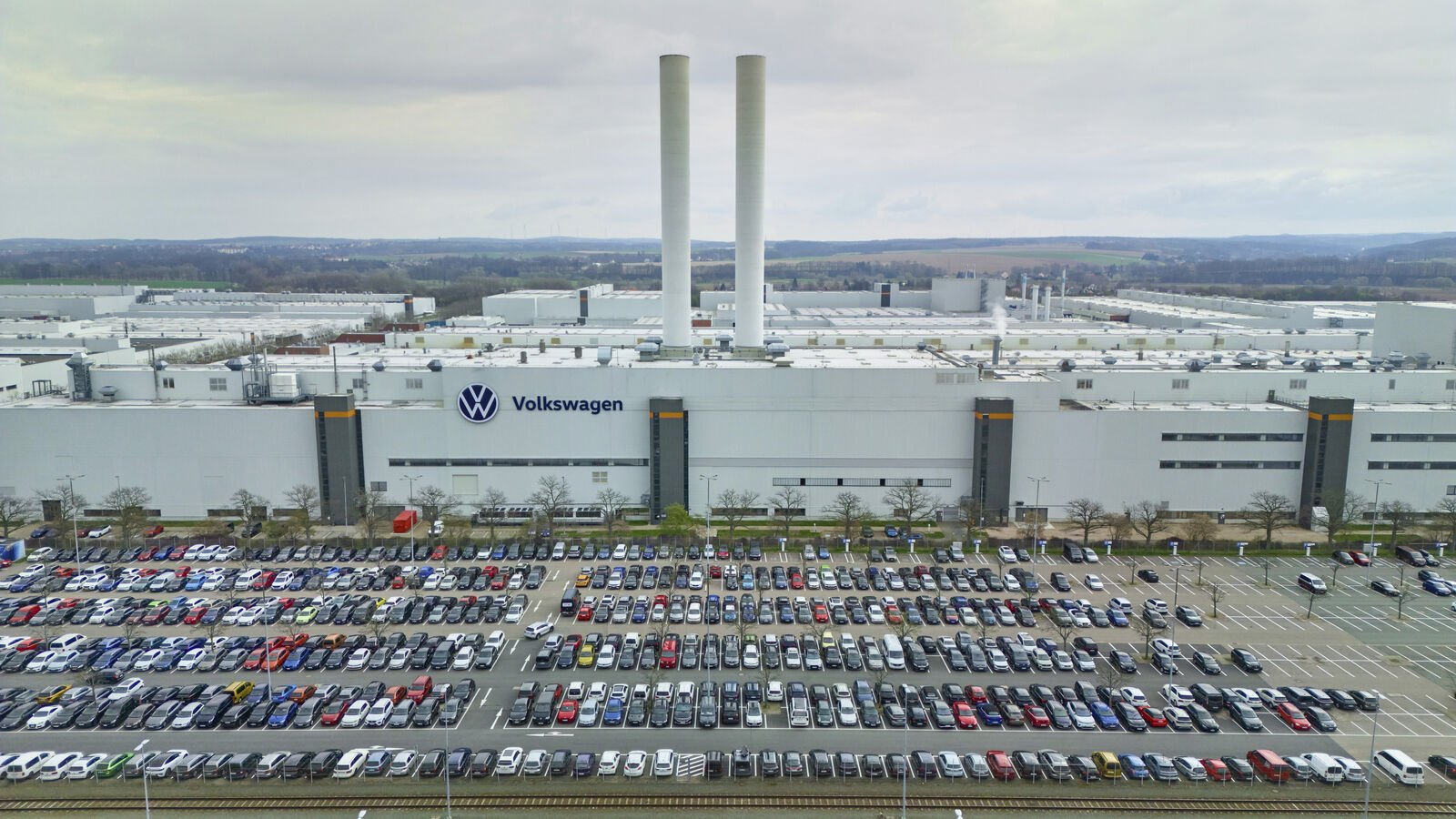
Under the most aggressive version of Blume’s plan, only Wolfsburg, the group’s home plant, and Ingolstadt would remain guaranteed long-term. Management has also floated splitting Volkswagen into a separate public company and carving out its components division into a standalone unit, a structural move that would sidestep the Volkswagen Act, the German law giving the state of Lower Saxony a 20 percent stake and a built-in veto over major decisions.
Why the Board Fight Actually Matters
Here is the piece that makes this genuinely hard to call: Volkswagen’s supervisory board has 20 seats, and labour representatives plus Lower Saxony’s government together hold 12 of them. That is a built-in blocking majority, and it is exactly why the July version of this plan failed. Lower Saxony’s state premier, Olaf Lies, has publicly pushed a softer alternative for the plants at risk, suggesting Hanover and Osnabrück could take on defence-industry contracts instead of shutting down, and reports say Osnabrück is already in advanced talks along those lines. There is a domestic political layer here too: with the far-right AfD gaining ground in German polls, no state premier wants to be the one who signed off on mass factory closures in their own backyard.
Adding to the tension, Antlitz told investors in February that VW had actually built up 6 billion euros in unspent cash from cancelled investment projects, a disclosure that undercut management’s own argument that these cuts are the only path to survival. Unions have seized on that contradiction all year.
The honest read: this is not a company on the brink, it is Europe’s biggest carmaker deciding how much pain it can push onto its German workforce before its own shareholders and the state of Lower Saxony say no. Friday’s vote will not end that fight either way.
What Happens Next
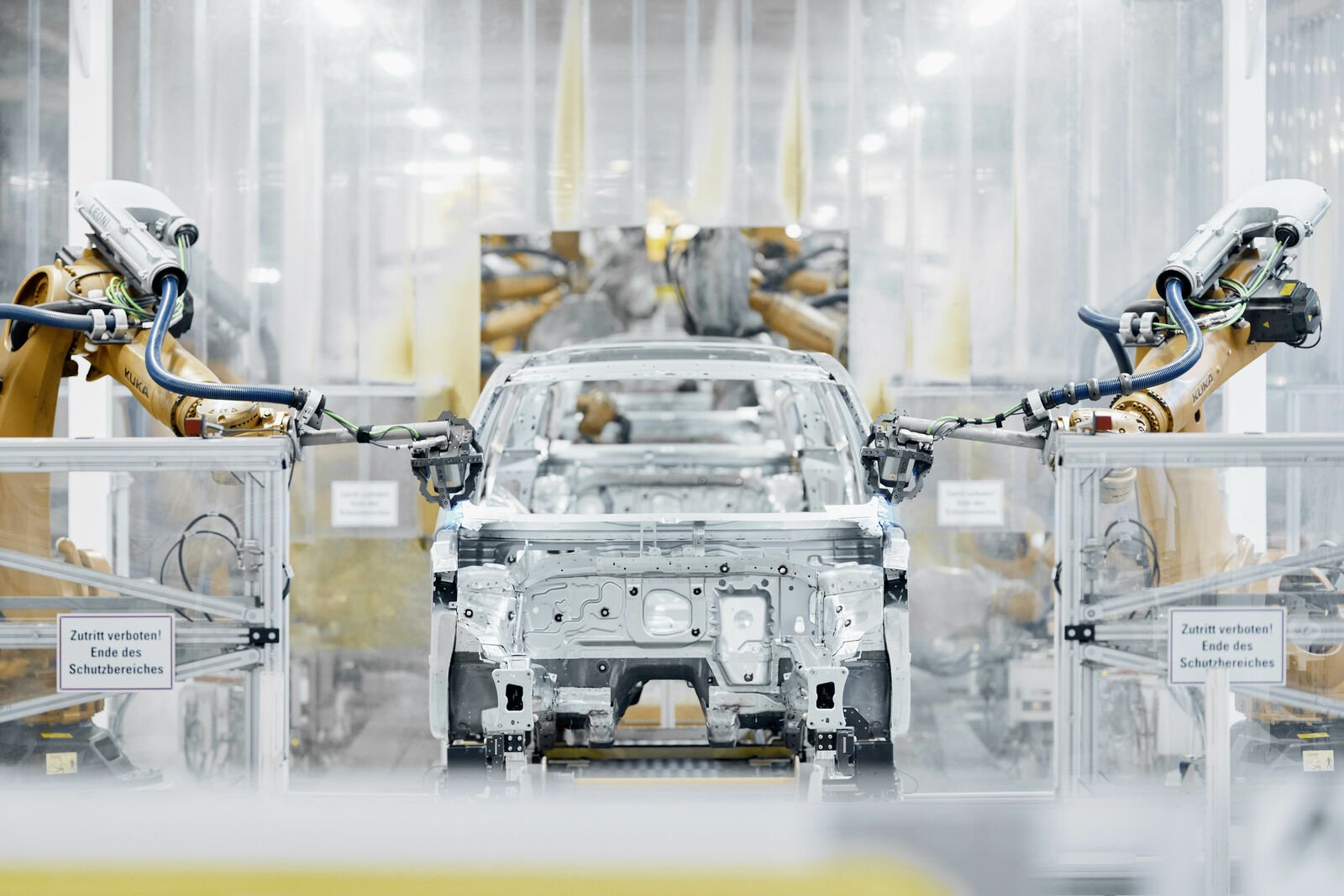
If Friday’s vote fails again, VW has a fallback: calling an extraordinary shareholder meeting as early as October to take the plan directly to investors, bypassing a board that keeps blocking it. That would mark a real escalation for a company that has spent the last year trying to keep labour on side. If the board instead finds a compromise, expect something closer to the December 2024 deal: a smaller headline job-cut number, a longer runway for the four plants, and a framing built around retraining and voluntary exits rather than closures.
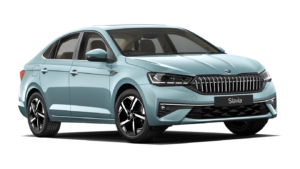
Either way, the outcome shapes the next decade of the Volkswagen Group, not just in Germany. A leaner, restructured VW affects investment priorities across every brand it owns, and that eventually touches every market VW sells in, India included, where Skoda Auto Volkswagen India builds the Virtus, Taigun, Kushaq and Slavia. Nothing in the current plan touches Indian plants directly, but a group this size does not make a decision this large in isolation.