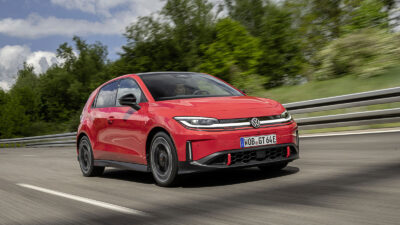
















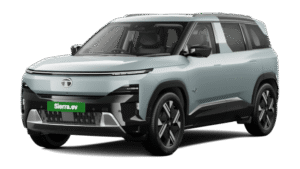




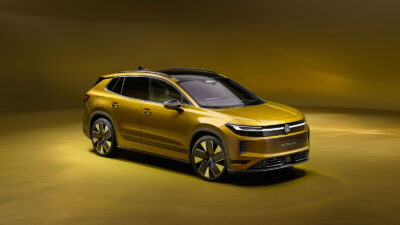
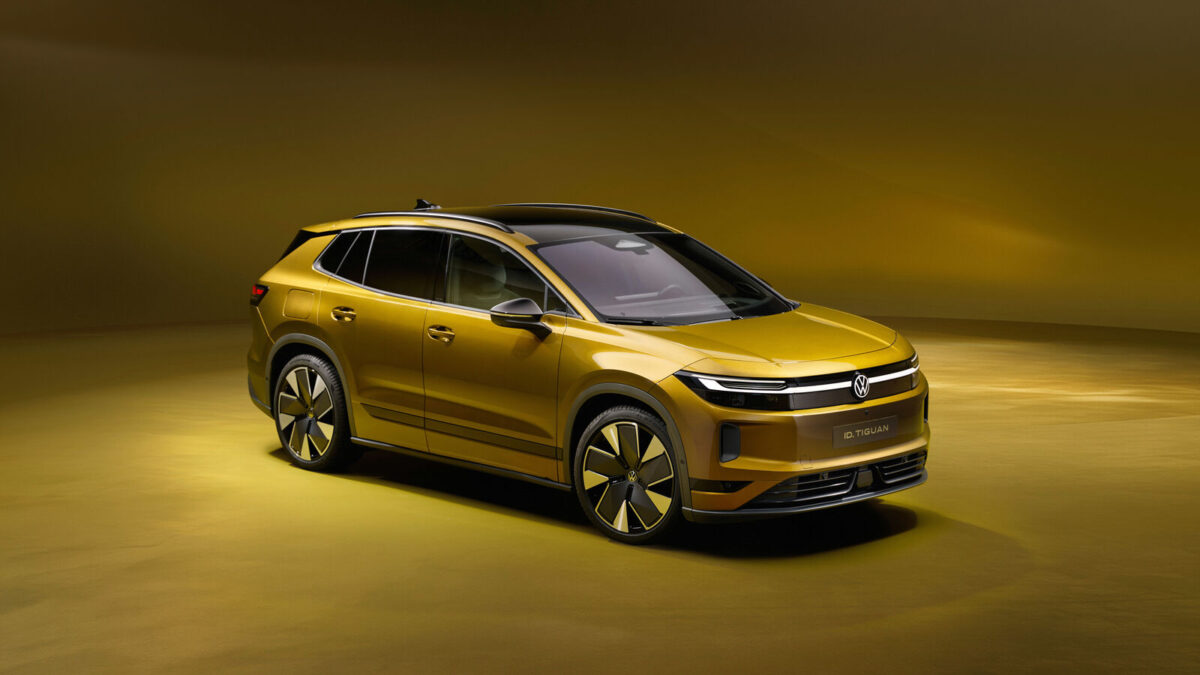
Volkswagen just retired one of its most recognisable EV names. The ID.4, the electric SUV that introduced millions of buyers to the brand’s ID. lineup, is being replaced by a car called the ID. Tiguan. It launched on October 9 in Wolfsburg, and it is not a badge job. VW says it is folding the ID.4 and the larger ID.5 coupe SUV into a single model, built around a name buyers already trust: Tiguan, the combustion SUV that has sold more than 8.3 million units worldwide.
Here is why that matters if you have never driven a Volkswagen EV. The ID. Tiguan goes on pre-sale in Germany and other European markets from October 13, priced from €42,695, which works out to roughly ₹47 lakh at today’s exchange rate (list prices abroad do not map directly to an India launch price, so treat this as a reference point, not a forecast). WLTP range tops out at 600 km, a genuine jump that puts it in the same conversation as some of the best electric SUVs sold anywhere. Production starts in Emden, Germany, with first customer deliveries from early 2027.
Three versions, one clear message
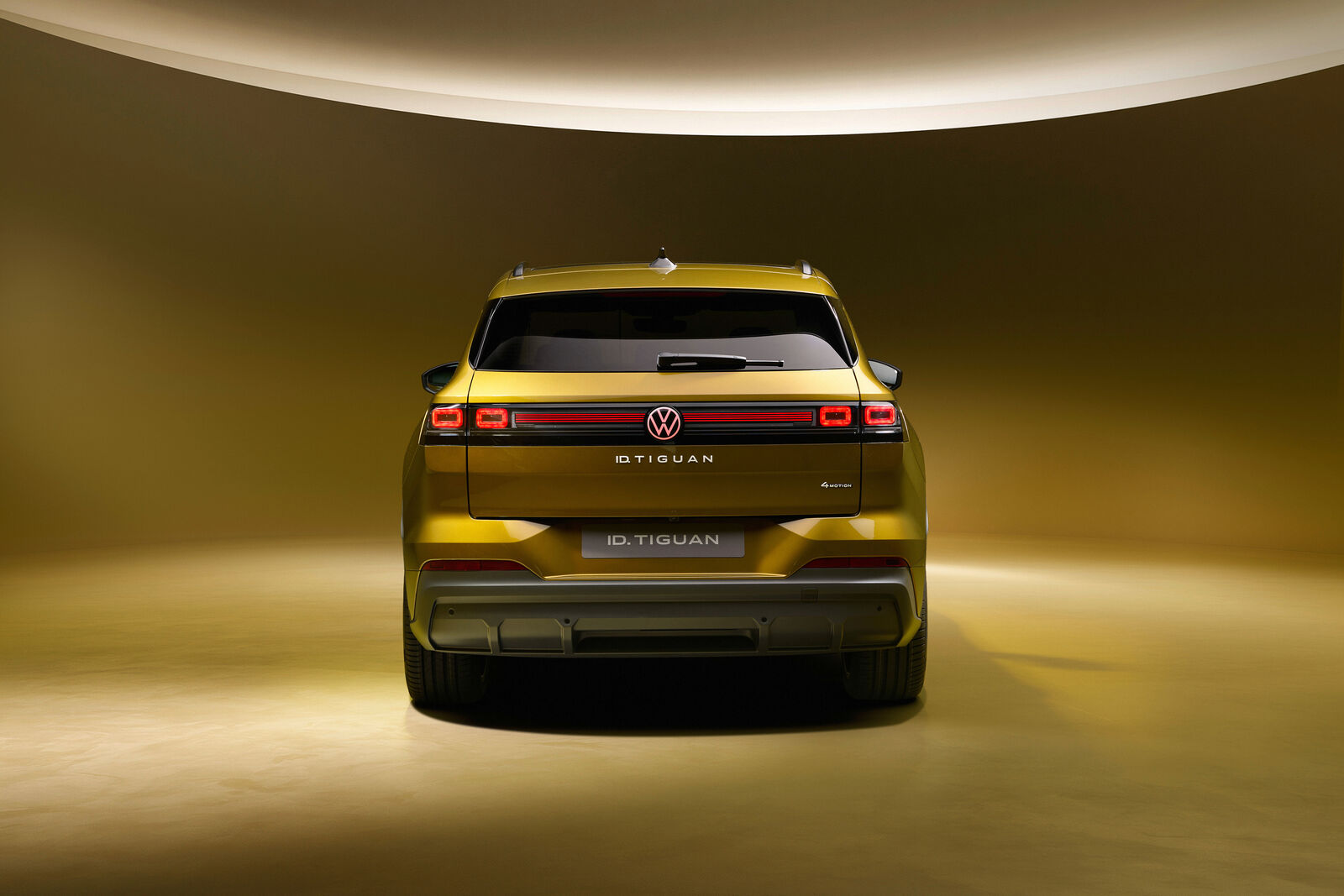
VW is launching the ID. Tiguan with three powertrain options, all built on the same 77 kWh or 58 kWh battery packs that already underpin the outgoing ID.4. Regen braking, the system that recovers energy while slowing down instead of wasting it as heat, is tuned for one-pedal driving as standard across the range, meaning the car can slow to a stop just by lifting off the accelerator.
| Variant | Battery | Power | Drive | Towing capacity |
| Entry | 58 kWh | 140 kW (190 PS) | Rear-wheel drive | 1,800 kg |
| Mid | 77 kWh | 210 kW (286 PS) | Rear-wheel drive | 2,000 kg |
| 4MOTION | 77 kWh | 220 kW (299 PS) | All-wheel drive | 2,000 kg |
All three come with a 32-litre front boot (VW calls it a frunk) on top of up to 534 litres of regular luggage space, and buyers get four trims to pick from: Trend, Life, Style and the sportier R-Line.
Why kill a name people actually recognised
This is the third time this year Volkswagen has dropped the ID.-plus-number format for an electric model, after the ID. Polo and the ID. Cross. VW brand CEO Thomas Schäfer put it plainly at the reveal: an established name gives buyers instant orientation, instead of asking them to learn what an “ID.4” or “ID.5” is supposed to mean. More than 950,000 ID.4 and ID.5 units have been built since 2020, so this is not VW abandoning a flop. It is VW betting that “Tiguan” sells better than “ID.4” ever did, especially with Chinese rivals undercutting it hard on price across Europe.
What is actually new inside
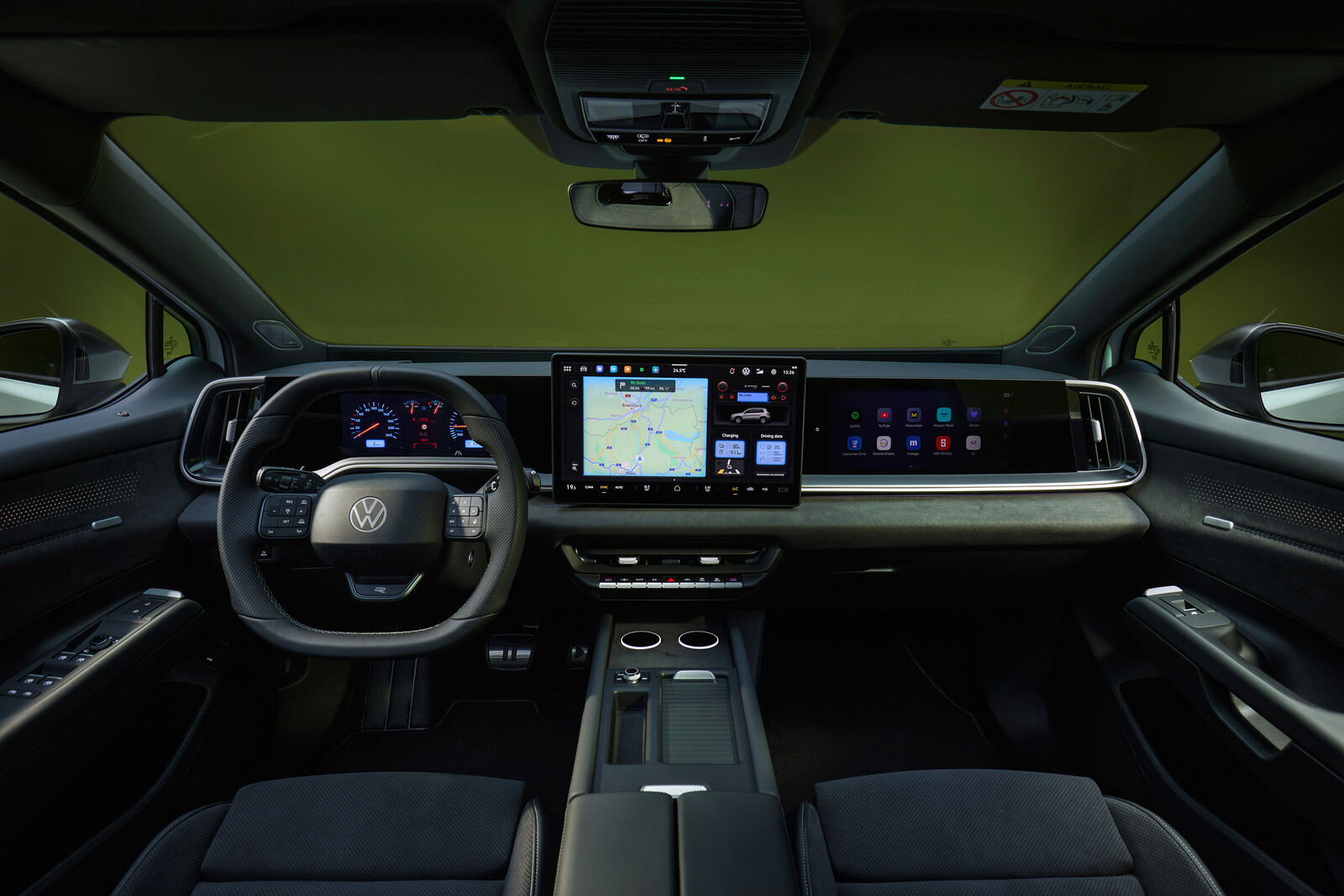
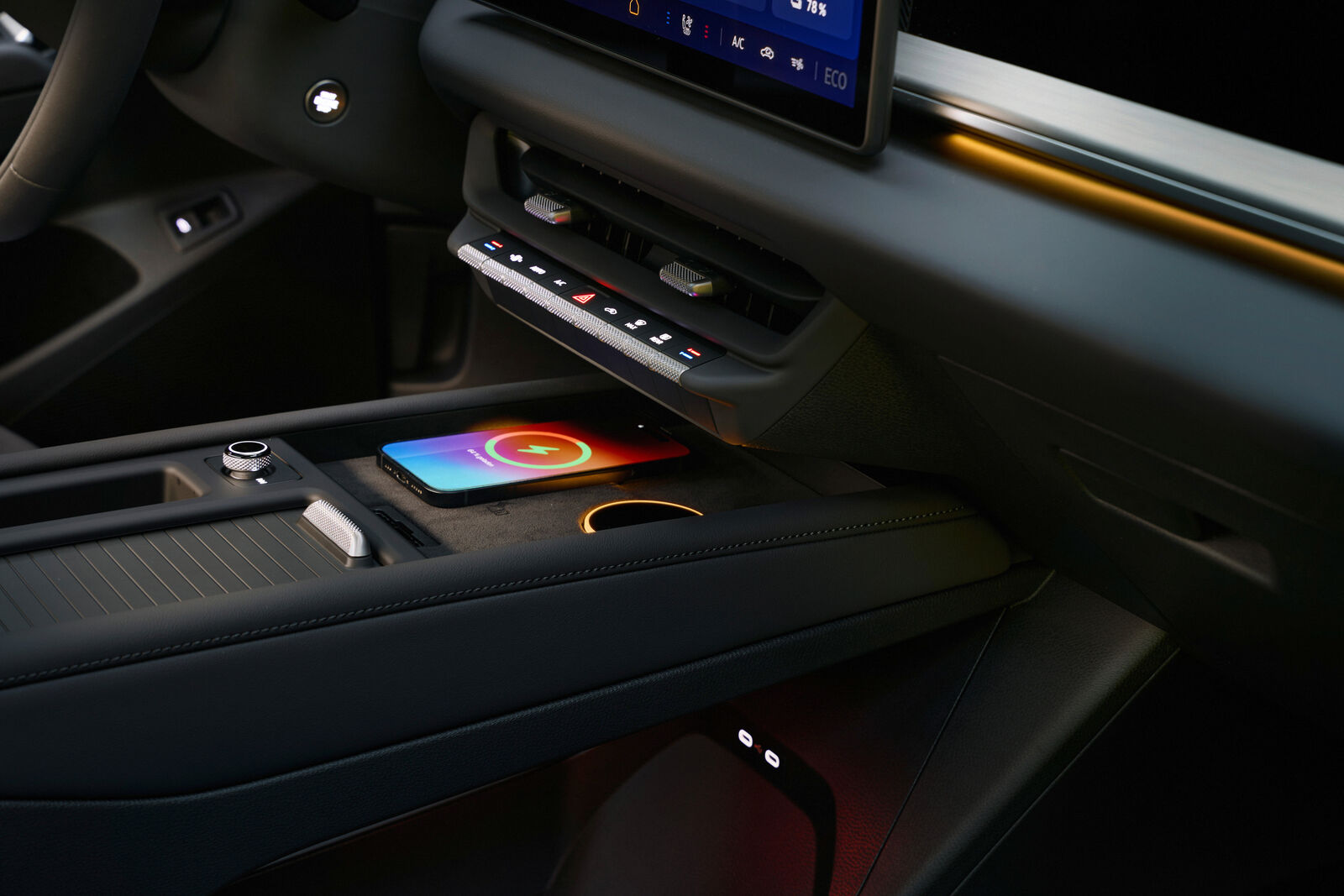
The cabin is where VW is trying hardest to justify the switch. There is a 15-inch central touchscreen, a 10-inch driver display, physical buttons back for climate control after years of fiddly touch sliders, and a first for a European Volkswagen: a 12-inch screen for the front passenger, which can show maps or entertainment without distracting the driver, and even has a privacy mode that hides it from the driver’s view entirely. There is also a PowerSocket for Vehicle-to-Load, letting the car power external devices like a camping grill or an e-bike charger straight off its battery, and Connected Travel Assist, an advanced driver assistance feature that can handle lane changes on the highway and bring the car to a stop at red lights on its own.
The bigger picture: a company still cutting to survive
The ID. Tiguan reveal lands in the middle of Volkswagen’s roughest stretch in decades. We covered Wolfsburg trimming output to 580,000 cars a year as EV orders finally beat petrol, part of a restructuring that has so far cost tens of thousands of jobs across Germany. The Tiguan split tells you where VW’s confidence actually sits right now: the electric version builds at Emden, while Wolfsburg keeps building the petrol, diesel and hybrid Tiguan that still pays most of the bills. One nameplate, two factories, two very different bets under the same roof.
There is no India angle to force here. Volkswagen does not officially sell the ID.4 in India, and the company has given no timeline for bringing the ID. Tiguan to Indian showrooms. If you are shopping locally, this is a preview of where global EV design language is headed, not a car you will be able to book anytime soon. For Volkswagen’s current India lineup, it is business as usual for now.
The ID. Tiguan is less a new car than a confession: Volkswagen spent six years trying to make “ID.” a brand people understood, and has now decided it is easier to just borrow the one name everyone already trusted.
Pre-sales open October 13 in Germany and most of Western Europe, with right-hand-drive and North American timing still to be confirmed. For a company that has spent this year closing plants and cutting headcount, betting its electric future on its best-selling nameplate is as close to a sure thing as Volkswagen can place right now.