




















Volkswagen scrapped planned combustion shifts at its biggest factory and rushed extra shifts to its EV plants instead, the clearest sign yet that Europe’s EV demand is turning a real corner.
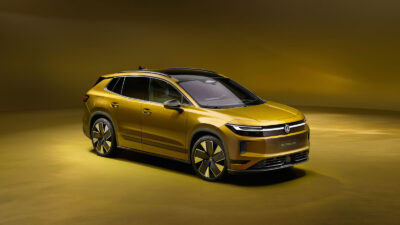
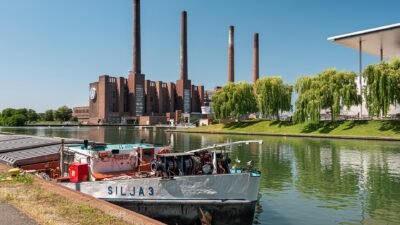
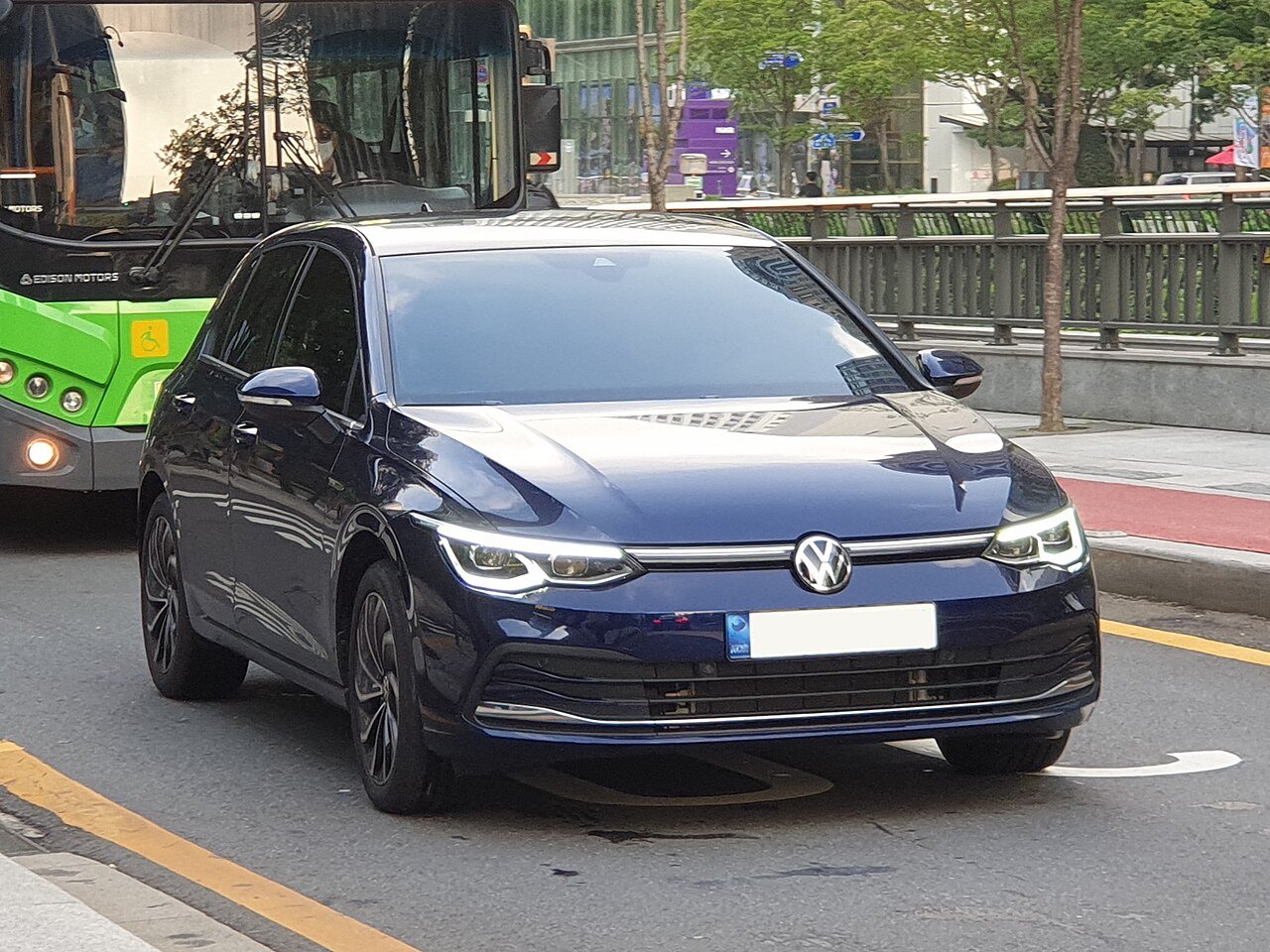
Volkswagen just cancelled the extra shifts it had planned for its home factory in Wolfsburg, the plant that builds the Golf and the Tiguan, because for the first time ever, Germans are ordering more electric Volkswagens than petrol and diesel ones. Wolfsburg will now close out 2026 at roughly 580,000 cars, barely above last year’s 577,444 and well short of the 600,000-plus VW had originally planned. The vehicles it isn’t building there are showing up somewhere else: Emden and Zwickau, VW’s two dedicated EV plants, are each adding at least two extra shifts to keep up.
This matters because Volkswagen has spent most of 2026 as the poster child for how badly a legacy automaker can misjudge the EV transition. We’ve covered the fallout on this site all year: a €16 billion restructuring bill and up to 60,000 job cuts, and a 2026 profit outlook slashed to just 1% after a €10 billion Porsche-led write-down. Every one of those stories was about VW cutting things to survive. This one is different: it’s about VW scrambling to build more of something, because for once, demand outran the plan.

What actually changed
The shift was first reported by the German trade outlet Automobilwoche and confirmed by VW’s own numbers: orders for pure battery-electric Volkswagens in Germany, the company’s home market and Europe’s largest, have overtaken orders for combustion models. That is not a small milestone. Volkswagen is the company that spent years insisting the switch to electric would happen gradually, on its own timeline, while it kept the cash-cow Golf and Tiguan lines running flat out. The order books just told it otherwise.
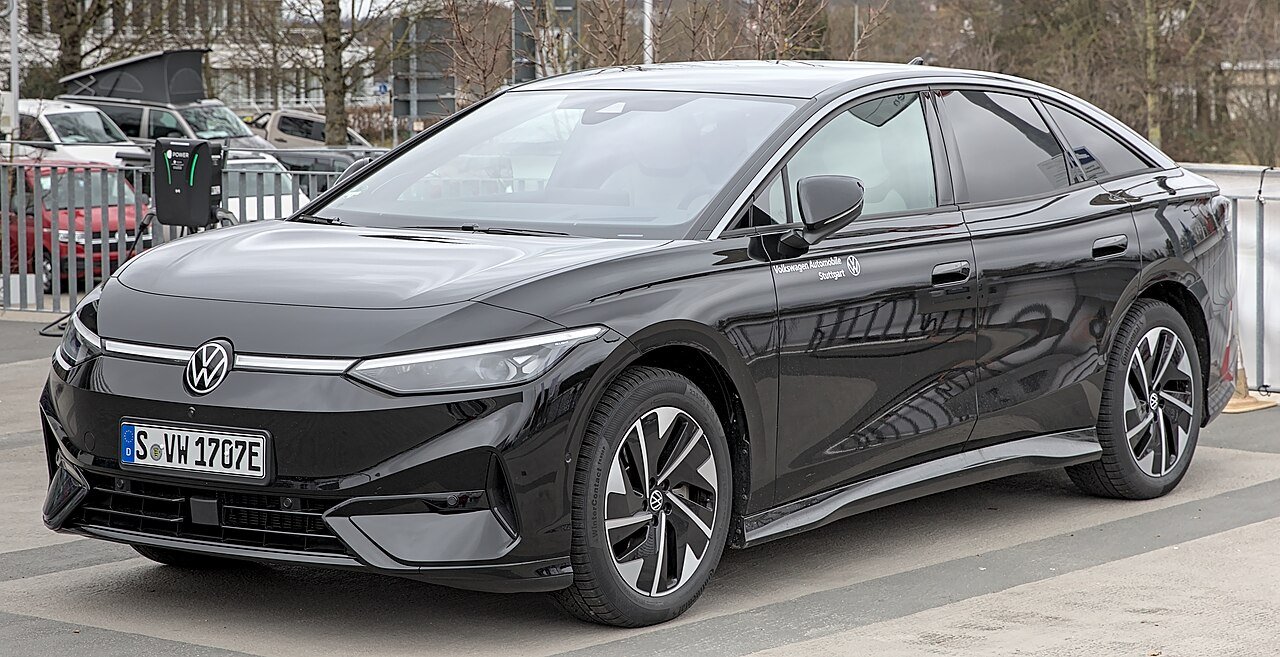
Martin Sander, VW’s board member for sales, put it simply: demand for battery-electric vehicles is “noticeably increasing” in Germany and across Europe. So the extra shifts planned for Wolfsburg, which builds only combustion cars right now, are being scrapped. In their place, Emden (which currently builds the ID.7 and will soon add the ID.Tiguan, replacing the ID.4 there) and Zwickau (which builds the ID.3 Neo, the Audi Q4 e-tron and Q4 Sportback e-tron, and the Cupra Born) are each picking up at least two extra shifts to handle the order backlog.
| Plant | What it builds | 2026 change |
| Wolfsburg | Golf, Tiguan (combustion) | Extra shifts cancelled; output capped near 580,000 units, down from a 600,000-plus plan |
| Emden | ID.7, soon ID.Tiguan (replaces ID.4) | At least two extra shifts added |
| Zwickau | ID.3 Neo, Audi Q4 e-tron, Cupra Born | At least two extra shifts added, on stronger ID.3 Neo orders |
Why this is happening now
Three things are lining up at once. Petrol and diesel prices in Germany have stayed high through 2026, which keeps nudging fence-sitters toward electric. Germany’s public charging network has kept expanding, so range anxiety is less of a dealbreaker than it was even two years ago. And VW’s own newer EVs, the facelifted ID.3 Neo in particular, are simply cheaper and better than the first-generation ID cars that struggled to find buyers in 2022 and 2023. Put together, that’s enough to flip the order book in VW’s biggest market.
There’s a catch, and it’s the kind of catch that explains why this isn’t a pure good-news story for VW’s accountants. The company still makes less profit on each electric car it sells than on each combustion car, a gap that hasn’t closed even as EV volumes climb. So this shift solves a demand problem but doesn’t immediately solve VW’s much bigger margin problem, the one that produced the profit warning and the job cuts in the first place. Building more ID.3s and ID.7s means selling more cars. It doesn’t automatically mean making more money from them.
What it means next
For the industry, this is the clearest signal yet that Europe’s EV demand curve, which automakers have spent two years describing as disappointingly flat, may finally be bending upward in the one market that matters most to the continent’s biggest carmaker. If VW is short of EV capacity in Germany while cutting combustion shifts at the same time, rivals like Mercedes-Benz and BMW will be watching their own order books very closely for the same signal. It also complicates VW’s restructuring math: the €16 billion plan assumed a certain pace of decline for combustion demand and a certain ramp for EVs, and if EV orders are running ahead of that curve, the company may need to revisit how it allocates investment between plants faster than planned.
For buyers in Germany, the immediate effect is faster delivery times on ID.3, ID.7 and Q4 e-tron orders, and potentially longer waits for Golf and Tiguan configurations that used to ship quickly. For India, this doesn’t move anything today. Volkswagen’s ID electric lineup isn’t sold here, and the brand’s India business runs through Skoda-Volkswagen India’s petrol and CNG portfolio, the Virtus and Taigun. But it’s a useful data point for how fast a legacy automaker’s production planning can be forced to change once EV demand actually shows up in the order book, not just in the press releases.

The verdict: Volkswagen didn’t choose this shift, its own customers forced it. That’s a far more convincing signal that Europe’s EV demand is turning a corner than any manufacturer roadmap or press conference could be, and it’s worth watching whether Mercedes-Benz, BMW and Stellantis start reporting the same order-book flip in the next quarter.