













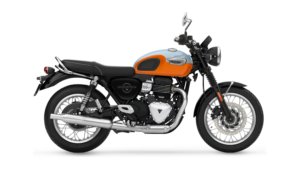
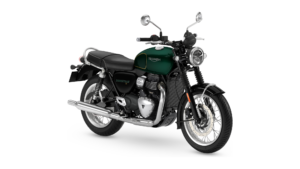


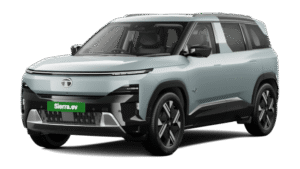


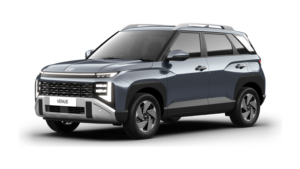



Government data shows PLI-Auto has incentivised over 13 lakh electric vehicles, but cars make up barely 6% of that number.
India’s flagship EV incentive scheme has backed 13.61 lakh electric vehicles so far, but only 79,540 of them are cars, just 5.8% of the total. Over 94% are scooters, autos and a handful of buses. If you are cross-shopping an electric car right now, the scheme built to make it cheaper has barely reached you yet.
That is the real story inside the Ministry of Heavy Industries’ own numbers on the Production Linked Incentive scheme for Automobile and Auto Components, PLI-Auto. The government’s press releases lead with a big cumulative investment figure. The segment breakdown tells a more useful story for anyone actually shopping.
What PLI-Auto Actually Paid For
PLI-Auto has a total outlay of ₹25,938 crore, running FY2024 to FY2028 (since extended to FY2029). It pays manufacturers for locally-made EVs and components like traction motors, not buyers directly. The Ministry names five Champion OEMs: Tata Motors, Mahindra & Mahindra, Bajaj Auto, TVS Motor and Ola Electric, per a Press Information Bureau release reported by Akashvani News. Here is how the 13.61 lakh incentivised vehicles split by segment.
| Segment | Units Incentivised | Share |
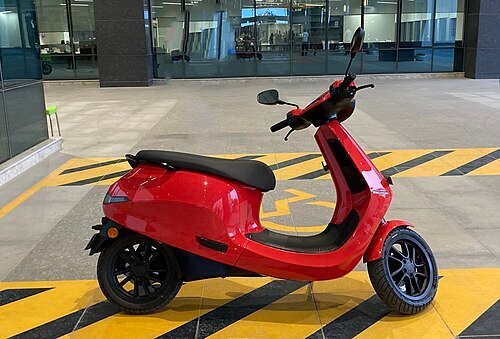
| Electric two-wheelers | 10,42,172 | 76.6% |
| Electric three-wheelers | 2,38,385 | 17.5% |
| Electric cars (e-4Ws) | 79,540 | 5.8% |
| Electric buses | 1,391 | 0.1% |
Source: Ministry of Heavy Industries data via PIB, reported by Akashvani News, corroborated by IBEF. Three in four incentivised vehicles is a scooter, and that is by design. Two- and three-wheeler motors and battery packs hit local-content thresholds faster than a full electric SUV platform, so those brands earn and bank incentive payouts sooner.
The Money Is Moving Slower Than the Headlines Suggest
The scheme’s promotional language talks up investment, and that figure is real: manufacturers have put in over ₹45,000 crore against a ₹42,000 crore target, per Business Standard, citing a senior Ministry of Heavy Industries official. But investment committed is not incentive paid, and that is where claimed and real pull apart.
| Metric | Figure |
| Total scheme outlay, FY24-28 | ₹25,938 crore |
| Incentive disbursed, first two years | ₹2,322 crore, about 9% of outlay |
| Disbursed in FY27 so far | ₹700 crore |
| Government’s FY27 target | ₹4,700 crore, over double the first two years combined |
Source: Business Standard, citing a senior Ministry of Heavy Industries official, August 11, 2026. Manufacturers have hit their investment milestones, but the government has paid out roughly a tenth of what it promised, two years into a five-year scheme. That gap is a big part of why EV price cuts have been slower and patchier than the scheme’s launch announcements implied.
PLI-Auto reads, in practice, like a two-wheeler subsidy that also happens to cover cars. If your next vehicle is an electric SUV, this scheme has moved your price far less than it has for the scooter parked next to it.
Why This Matters If You Are Shopping an Electric Car
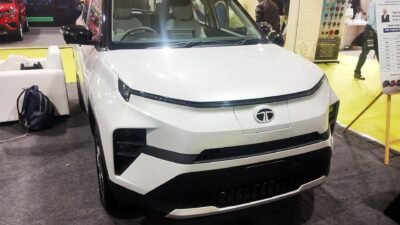
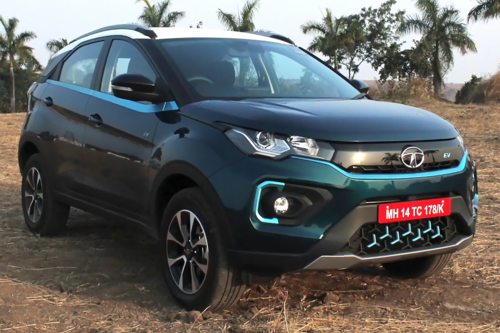
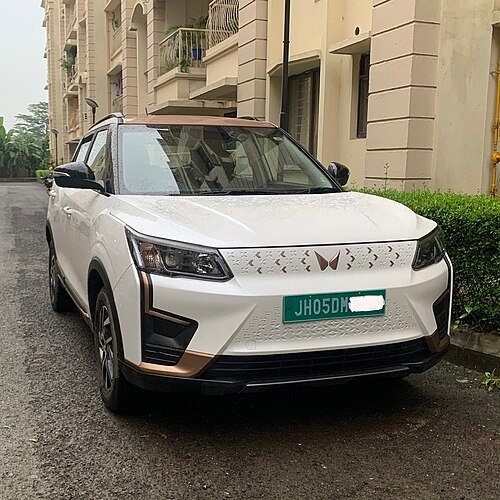
The biggest car-segment beneficiaries named in the PIB release are Tata Motors and Mahindra. The Tata Nexon EV starts at ₹12.49 lakh ex-showroom and runs to ₹17.69 lakh, per Tata’s own pricing page. The Mahindra XUV400 starts around ₹15.49 lakh. Both have drawn incentive support since the scheme’s early years, giving them more room to absorb cost cuts than a newer entrant still building localisation credits.
Do not expect PLI-driven price cuts on a new electric car the way you have seen them on scooters, where concentrated incentive volume has let Ola Electric, TVS and Bajaj undercut each other aggressively. Car incentives exist, but at 5.8% of incentivised volume, they are a far smaller lever on sticker price than GST cuts or a manufacturer’s own festive discounting this year.
The Three-Wheeler Story Nobody Talks About
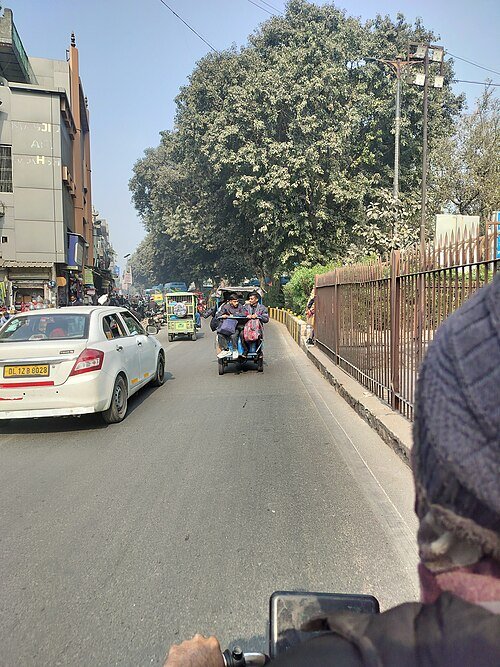
The quieter number here is electric three-wheelers: 2.38 lakh units, more than double the entire car segment. India’s auto-rickshaw fleet has effectively gone electric ahead of schedule, and PLI-Auto incentives are part of why that swap has been financially viable for small operators. It will not affect a car buyer’s decision, but it explains why the e-rickshaw outside your gate is more likely to be electric than the SUV in your driveway.
Which Cars Are Actually Worth Watching
If you want an electric car from a brand that has genuinely benefited from PLI-Auto so far, stick to the five named Champion OEMs: Tata, Mahindra, Bajaj, TVS and Ola. The Tata Nexon EV has the deepest incentive history of any mass-market electric SUV on sale, and it is worth cross-checking against the Mahindra XUV400 before you book, since both draw on the same scheme at different price points. Run that comparison on The Spec’d’s Compare tool, and work out the monthly number on the Nexon EV using its EMI calculator.
Frequently Asked Questions
Does PLI-Auto directly reduce the price I pay for an electric car?
Not directly. It pays incentives to manufacturers for local production, not rebates to buyers. Any price benefit shows up only if a brand passes on part of that incentive through lower list prices, which car brands have done less aggressively than two-wheeler brands so far.
Why have electric scooters gotten cheaper faster than electric cars in India?
Two-wheelers make up 76.6% of all PLI-Auto incentivised vehicles because their motors and battery packs hit local-content thresholds faster, so Ola Electric, TVS and Bajaj have earned and passed on incentive payouts sooner. Cars, at 5.8% of the total, have had far less incentive volume behind them.
Which car brands actually benefit from PLI-Auto right now?
The Ministry names five Champion OEMs: Tata Motors, Mahindra & Mahindra, Bajaj Auto, TVS Motor and Ola Electric. Among these, Tata and Mahindra are the primary electric car beneficiaries.