




















India’s electric car sales crossed 30,000 units for a fifth straight month running in October 2026, but the headline number hides a narrower story. Tata Motors and Mahindra alone now account for 63 percent of every electric car sold in the country, according to Vahan registration data compiled by an Indian auto publication. Global brands that dominate the petrol and diesel charts, such as Hyundai, Toyota and Honda, barely register in the EV numbers at all.
Electric passenger vehicles retailed 36,911 units in October, up 76 percent from 20,954 a year earlier, the fifth straight month above 30,000. That is still about 4 percent below September’s record 38,335 units, a reminder that even India’s fastest-growing car segment does not climb in a straight line. Cumulative sales for January to October 2026 stand at 2,93,877 units, against 1,90,915 in the same period last year.
Who Actually Sold What in October
Tata led with 14,654 units and a 40 percent market share, up 78 percent year on year. Mahindra grew even faster in percentage terms, up 86 percent to 8,541 units and a 23 percent share. Between them, the two Indian manufacturers sold 23,195 of the month’s 36,911 electric cars, which is where the 63 percent figure comes from.
| Maker | October 2026 units | Year-on-year | Market share |
| Tata Motors | 14,654 | +78% | 40% |
| Mahindra | 8,541 | +86% | 23% |
| JSW MG Motor | 5,938 | +11% | 16% |
| VinFast | 2,570 | +1,710% (low base) | 7% |
| Kia | 1,395 | +85% | 4% |
| Maruti Suzuki (e Vitara) | 1,199 | not available | 3% |
| Hyundai | 759 | +42% | 2% |
| BYD | 737 | +4% | 2% |
JSW MG Motor held on to third place, but its share fell to 16 percent from 26 percent a year earlier, the only established EV player actually losing ground. VinFast’s 2,570 units came almost entirely from a near-zero base in 2025. Everyone else, Toyota, BMW, Mercedes-Benz and Tesla among them, sold fewer than 500 units each in a market of nearly 37,000 cars.
The Number That Doesn’t Quite Match: Wholesale vs Retail
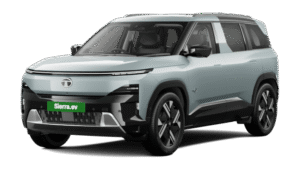
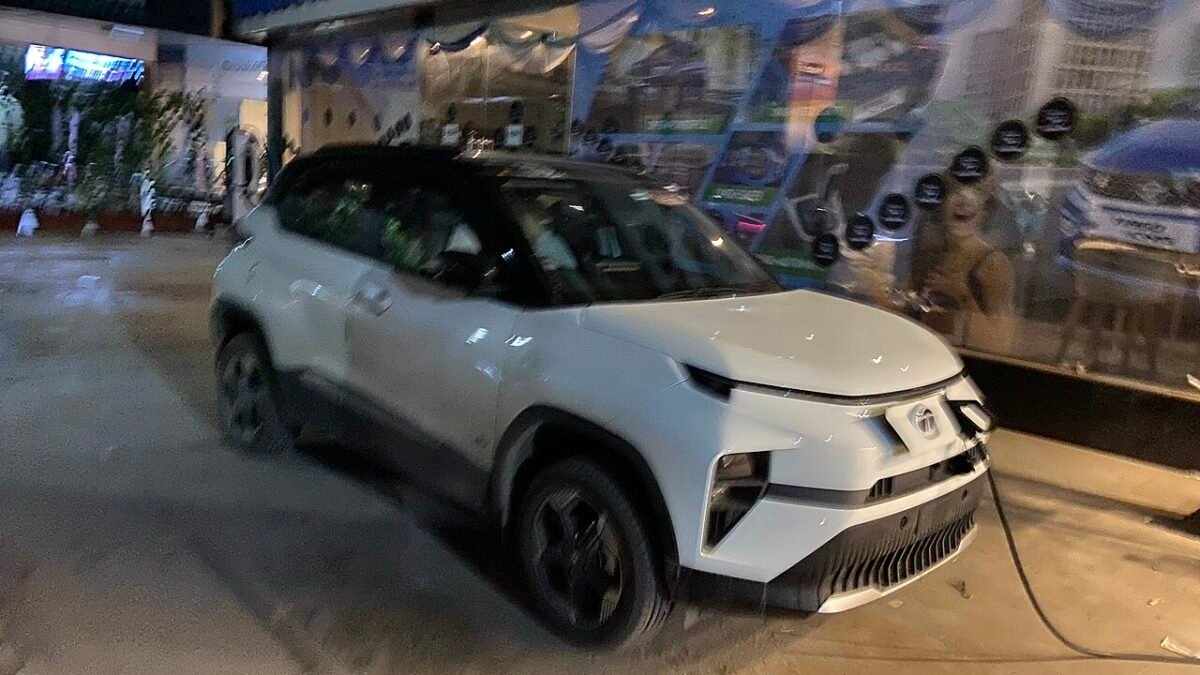
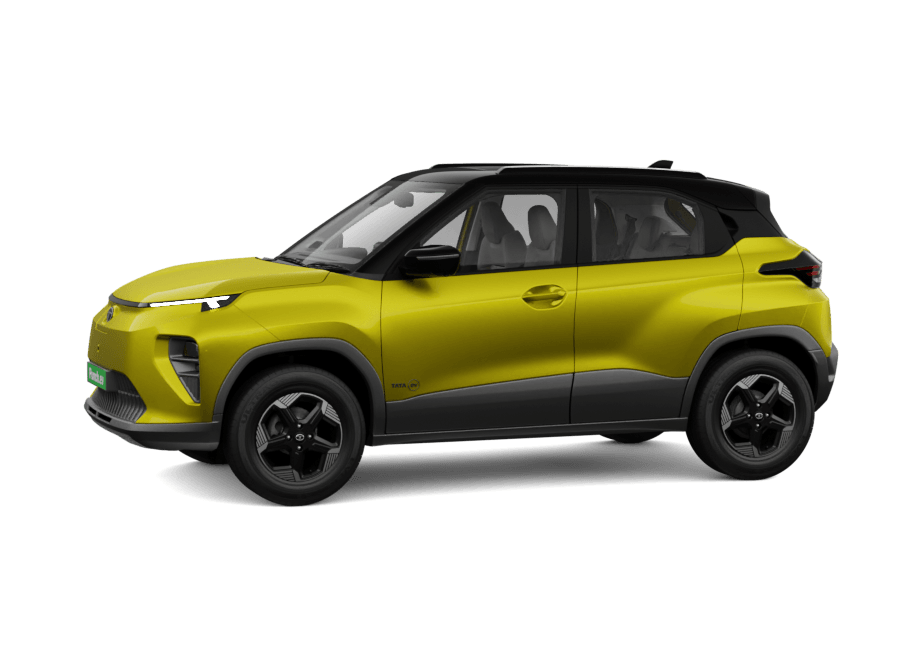
Tata’s own wholesale dispatch count for October, what it shipped to dealers rather than what buyers registered, was higher still: 16,244 units, up 75 percent from 9,286 a year earlier. That gap against the 14,654-unit Vahan retail figure is a reminder that an EV “sales” headline can mean two different things: what a manufacturer shipped, or what a customer actually took home. Within that wholesale count, the Punch.ev became the first standalone electric car model in India to cross 5,000 monthly wholesale dispatches, after spending most of the summer trading the EV sales lead with Mahindra’s XEV 9e.
What a Punch EV Actually Costs You
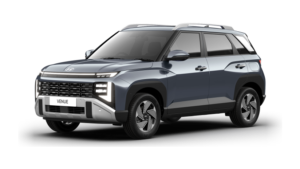
The Punch EV’s volume is easier to understand next to its price. The Spec’d’s own city pricing data puts the base Smart 30 variant at ₹10.27 Lakh on the road in Mumbai, well below the ₹13.23 Lakh the same brand’s bigger Nexon EV costs in the same city, and the ₹14.68 Lakh for Mahindra’s rival XUV 3XO EV, comparable side by side here. On 20 percent down and a 5-year loan at 9.5 percent interest, the base Punch EV works out to about ₹17,253 a month on The Spec’d’s Mumbai EMI figures.
| Model | On-road price in Mumbai |
| Hyundai Venue (petrol) | ₹9.31 Lakh |
| Tata Punch EV | ₹10.27 Lakh |
| Tata Nexon EV | ₹13.23 Lakh |
| Kia Syros EV | ₹14.28 Lakh |
| Mahindra XUV 3XO EV | ₹14.68 Lakh |
Buy the Empowered+ S 40, the variant The Spec’d’s pricing data tags as the best-value pick at ₹13.75 Lakh on the road. The extra ₹3.48 Lakh over the base Smart 30 buys the bigger 40 kWh battery and a claimed range of 468 km instead of up to 375 km, without pushing you to a top trim most buyers will not use.
One quirk the city data turns up: because Maharashtra, like most states, charges electric cars no road tax at all, the Punch EV’s on-road price barely moves by city. Bhubaneswar, the cheapest of the 39 cities The Spec’d prices, comes in just ₹1,009 below Mumbai, a fraction of the five- and six-figure city gaps that show up on petrol cars in the same price band, where road tax is usually the biggest swing factor.
Why the Big Names Are Still Missing
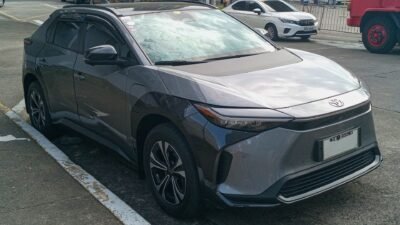
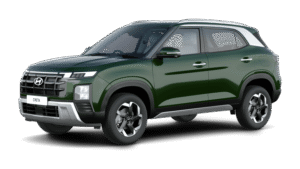
Hyundai sold 759 electric cars in October, Toyota 190, BMW 462 and Mercedes-Benz 62. Honda does not sell an electric car in India yet. Maruti Suzuki, the country’s biggest carmaker overall, managed 1,199 units of its first EV, the e Vitara, still in its early months on sale.
Kia and VinFast are the exceptions worth watching. Both are growing fast, but from bases small enough that even a strong month barely dents the overall market structure. For now, this is a two-maker race, and everyone else is fighting for scraps.
Five months above 30,000 units sounds like a market that has found its feet. What it actually shows is two domestic manufacturers pulling away, while most of the brands that sell the most petrol and diesel cars in India still cannot manage 1,000 EV sales in a month.
Which company sells the most electric cars in India?
Tata Motors, with 14,654 units and a 40 percent share of the electric passenger vehicle market in October 2026, per Vahan retail data. Mahindra was second with 8,541 units and a 23 percent share.
How much does the Tata Punch EV cost on the road?
The base Smart 30 variant comes to about ₹10.27 Lakh on the road in Mumbai, on The Spec’d’s city pricing data, against an ex-showroom price of ₹9.79 Lakh. The figure barely changes by city, since most states do not charge road tax on electric cars.
Why are Hyundai, Toyota and Honda behind in India’s EV market?
Their electric line-ups in India are still thin. Hyundai and Toyota each sold under 800 electric cars in October 2026, and Honda has no electric car on sale in India yet, while Tata and Mahindra have multiple EV models spanning several price bands.