
























BMW just told investors its car business will barely turn a profit this year, for the second time since June. The automotive division’s full-year profit margin guidance, the slice of every euro of sales that’s left over as profit after costs, has been cut to a range of -0.5% to +0.5%. Five months ago that same guidance was 1% to 3%. At the start of 2026 it was 4% to 6%. We’ve tracked BMW’s slide through the year: first the 25% China delivery plunge in October, then the 2028 margin target cut and 8,000 German job losses announced September 30. This is a different number: it’s what BMW now expects to actually bank from selling cars in 2026, and it’s basically zero.
Here’s why that matters even if you’ll never buy a BMW: this is one of the world’s biggest premium carmakers telling its shareholders, on the record, that its core car business is about to make almost nothing. That’s a very different story from a company posting a bad quarter. It’s a company rewriting its own promises for the second time in under half a year.
The numbers, straight from BMW
BMW’s own investor release, published 3 November, lays it out plainly. Group pre-tax profit (EBT, meaning earnings before tax and interest) came in at just over €2 billion for the third quarter, down 10.6% year on year, giving a group margin of 6.8%. The automotive division alone did worse: its EBIT margin (operating profit as a percentage of revenue, before tax and financing costs) fell to 3.4% in the quarter, down 1.8 percentage points from 5.2% a year earlier. Automotive segment profit was €901 million, a 39.7% drop. Free cash flow in the car business, the actual cash left over after running the business and investing in it, went negative: -€566 million for the quarter, against +€343 million a year ago. Nine months in, automotive free cash flow is down 73.1% from last year.
None of that is why the full-year guidance got cut, though. BMW says the underlying automotive margin, before one-off charges, is still tracking above 2%, a figure it left unchanged. What’s dragging the headline number to near zero is a set of charges BMW is choosing to take in the fourth quarter.
A guidance cut caused by good news, oddly enough
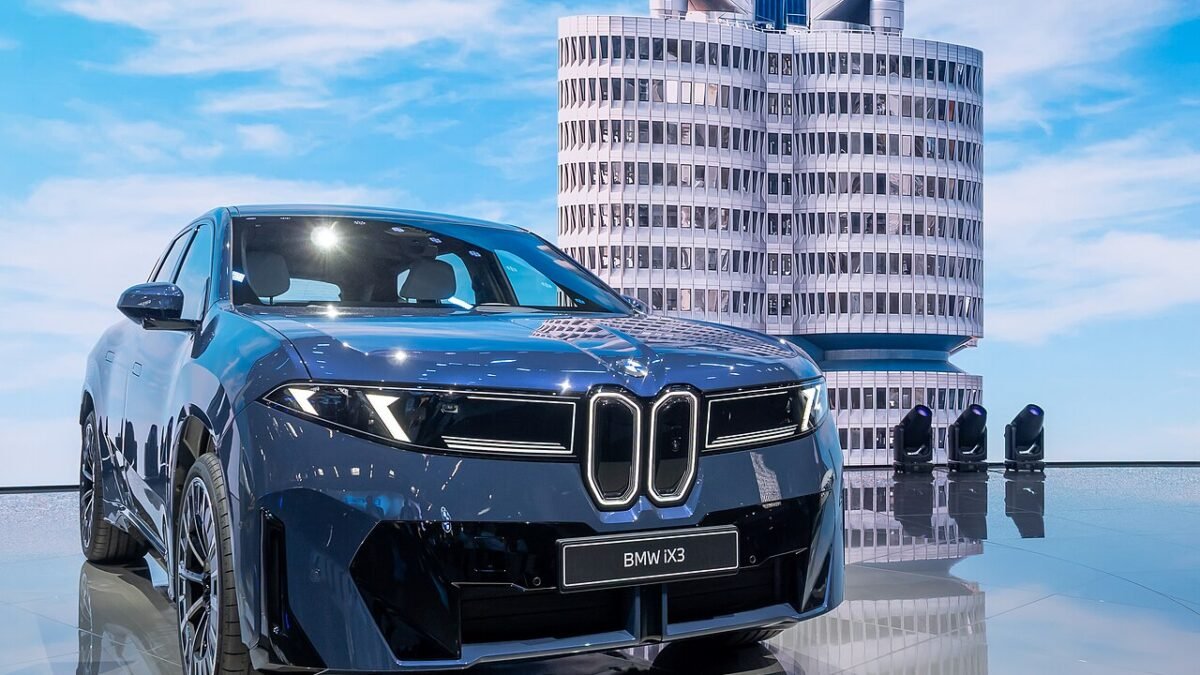
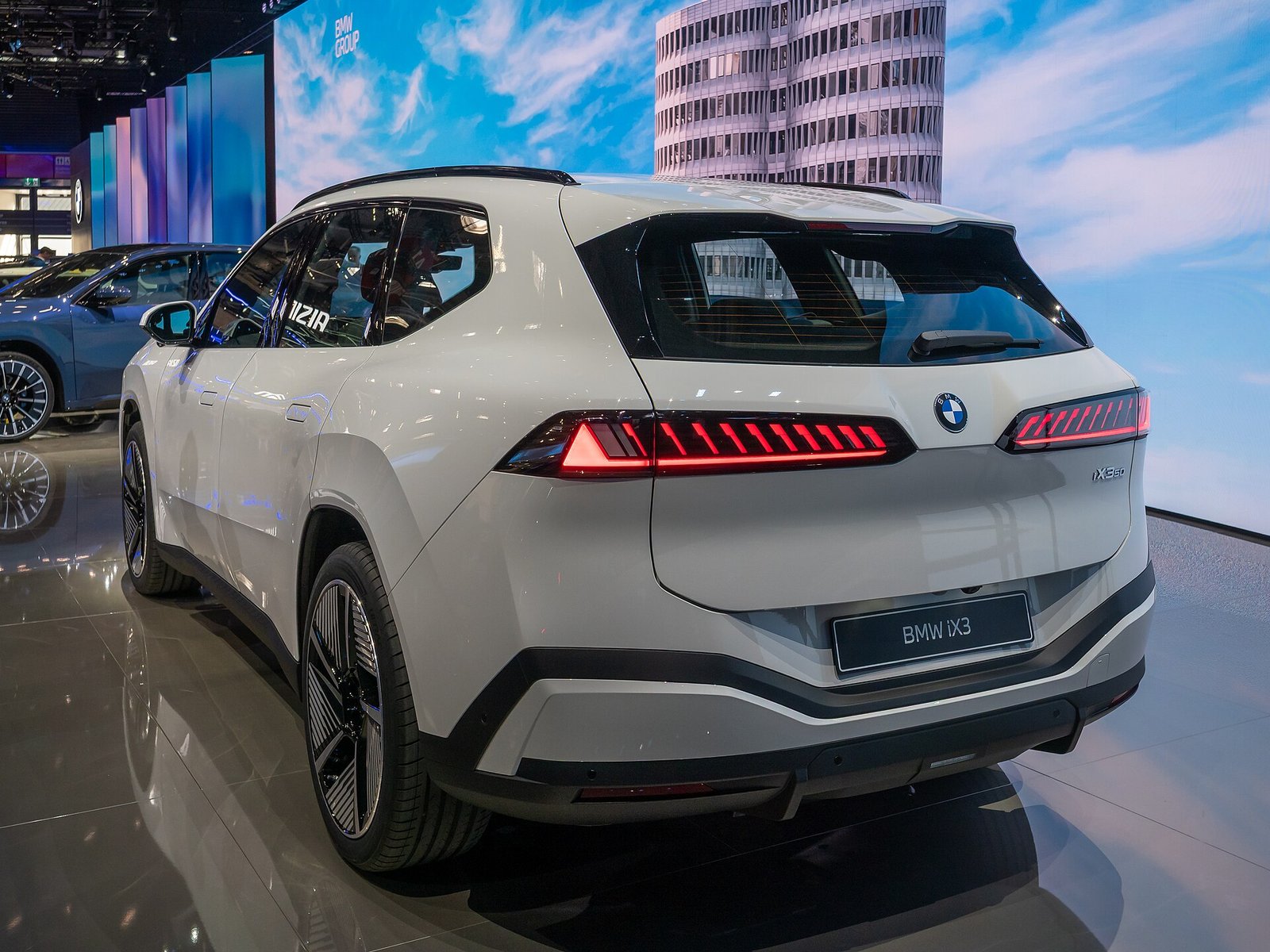
The main driver is BMW’s new Neue Klasse platform, the ground-up EV architecture underpinning cars like the iX3, i3, i7, iX4 and iX5. Demand for these has run strong enough that BMW added extra production shifts and sped up the ramp-up. That sounds like a win, and in volume terms it is. But it means BMW is retiring older vehicle and technology generations, including some models that use its previous-generation “Gen5” battery tech, earlier than planned. Writing off that older inventory and tooling early creates a one-time, non-operating hit to earnings. BMW also says it’s accelerating the organisational realignment it first flagged on 30 September, cutting management layers faster than originally scheduled. Combined, the company estimates these structural and portfolio measures will drag the full-year automotive margin down by about 2.5 percentage points, roughly double the 1.25-point hit it had been planning for.
It’s worth sitting with that distinction, because it’s easy to read “margin guidance near zero” as a company in trouble and miss that BMW itself frames this as the cost of moving faster on the thing that’s actually selling. Whether investors buy that framing is a separate question, BMW’s shares have slipped on the news, and this is now the second profit warning since a June cut that blamed a weak Chinese car market and higher costs from Middle East-linked energy prices. BMW isn’t alone in this either: Mercedes-Benz trimmed its own 2026 guidance in October over the same China weakness. Germany’s premium carmakers are having a genuinely rough year.
What doesn’t change
Two numbers BMW left untouched are worth noting. Automotive free cash flow guidance stays above €2.5 billion for the full year, the same figure it’s held through both guidance cuts, which matters more than the margin number for whether BMW can keep funding Neue Klasse’s rollout without borrowing more. And the underlying, pre-charge automotive margin above 2% suggests this isn’t a demand problem. BMW isn’t struggling to sell Neue Klasse cars; if anything it’s struggling to retire the old ones fast enough to keep up.
Where India fits in
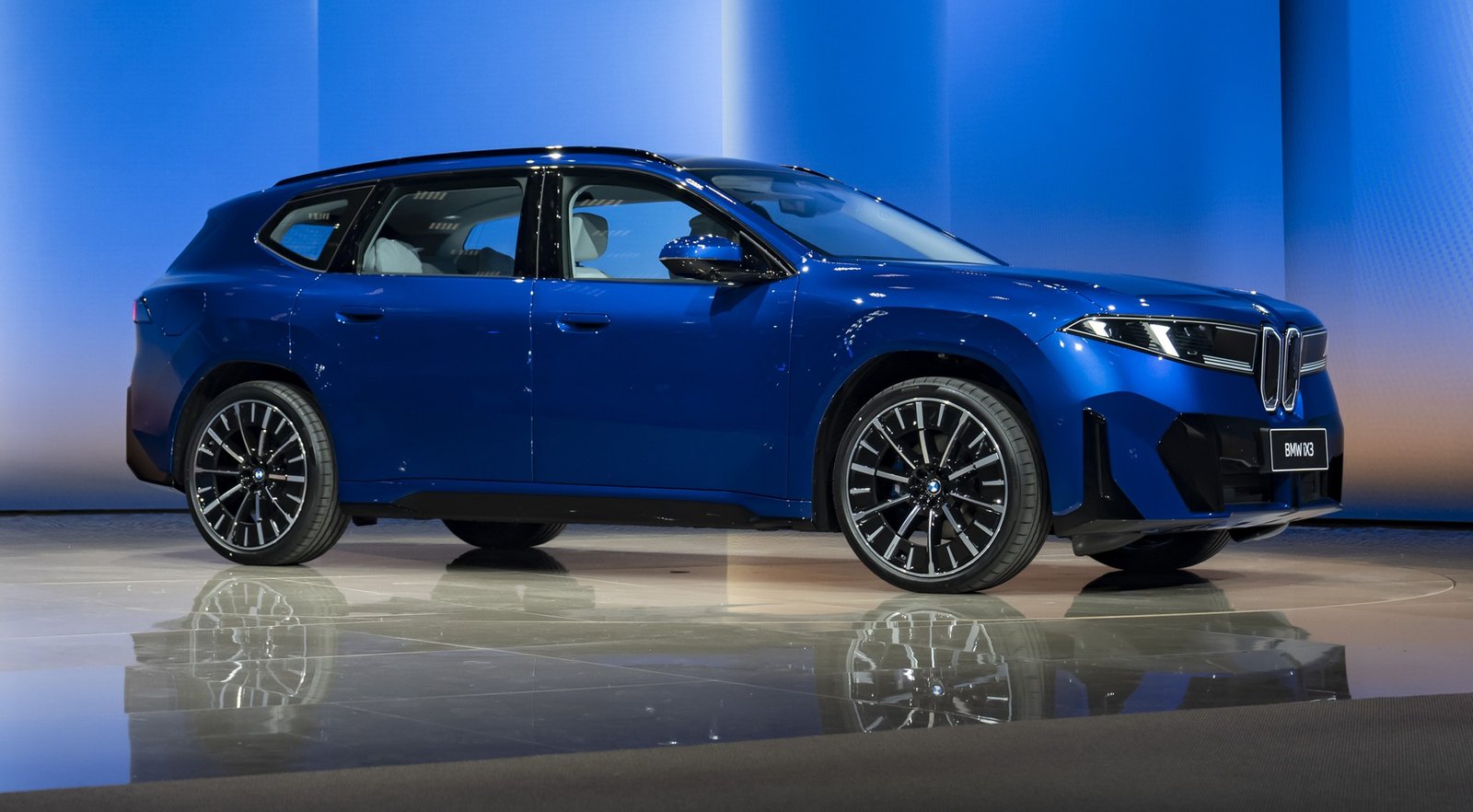
There’s a real local thread here. The long-wheelbase iX3, built in China and stretched by 108mm over the standard car mainly for rear legroom, goes on sale in China this month, the first of several Neue Klasse models BMW plans to localise there through 2027. BMW has already confirmed the same long-wheelbase iX3 for India in 2027, which would make it the brand’s first Neue Klasse model sold here. No India price or launch date has been announced yet, though some Indian estimates place it in the ₹78 to 85 lakh range; treat that as a guess until BMW India says otherwise. It’s the same dual-motor setup reported out of China: 469 PS, 645 Nm, and an 800V electrical architecture built for fast DC charging, though BMW hasn’t published an India-spec range figure.
The short version: BMW’s profit line looks worse than its business does. A margin of near-zero for 2026 is real and it’s a second downgrade in five months, but it’s being driven by an EV platform selling well enough that BMW is scrapping the old stuff faster than planned, not by cars sitting unsold on dealer lots.
What to watch next is whether this near-zero guidance holds through Q4 or slips again when BMW reports full-year results in March. For now, the car that’s central to the story, the iX3, is also the one India is waiting on.