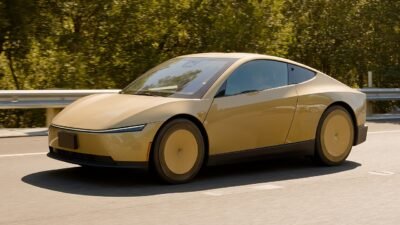













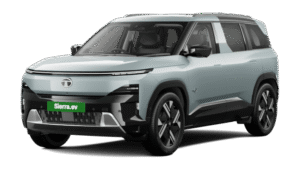




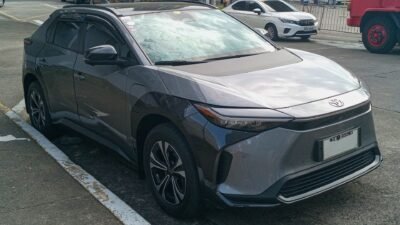
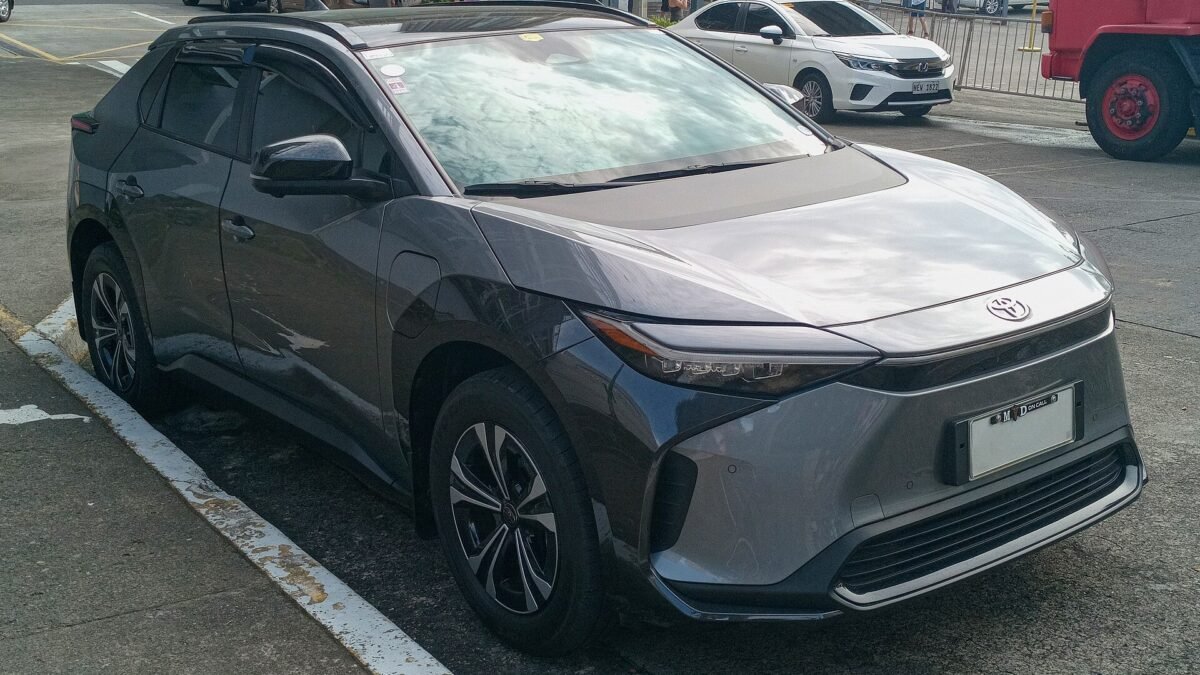
Toyota just turned one of its own factory lines into a robotaxi plant, and the first country to get one isn’t the United States. On October 30, Toyota and Waymo announced that Toyota will build self-driving versions of its bZ4X electric SUV at its Takaoka plant in Aichi, Japan, with testing starting there in 2027 and the United Kingdom lined up to follow. It is the clearest sign yet that the world’s biggest carmaker now sees robotaxis as a real manufacturing business, not a side experiment.
Here’s why that matters even if you will never ride one: it tells you how the company that outsells everyone else on earth is betting its factories will be used a decade from now, and it puts a hard date on when driverless taxis stop being a California curiosity and start showing up on roads that look more like the ones you actually drive on.
What was actually announced
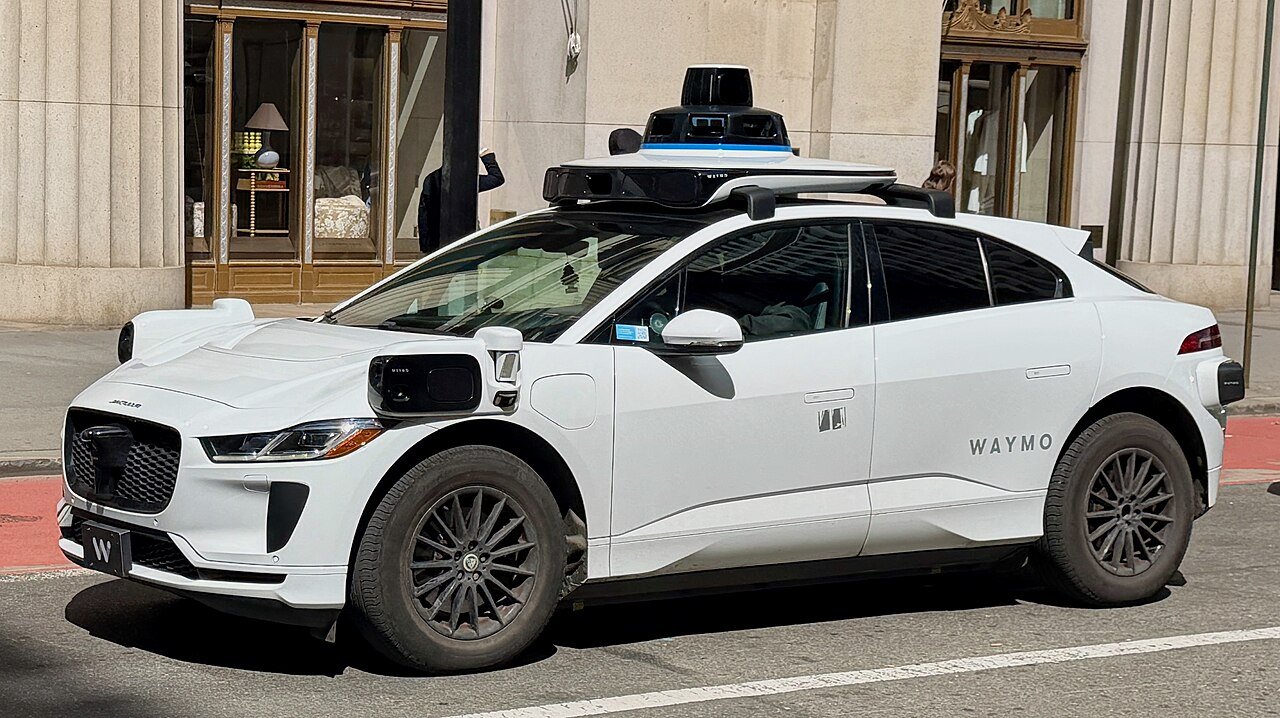
Waymo runs the self-driving software and sensor stack (the cameras, radar and lidar, a laser-based system that builds a 3D map of everything around the car, that let a vehicle drive with nobody behind the wheel). Until now, Waymo has had other companies convert finished cars for it: a Jaguar I-Pace here, a Hyundai Ioniq 5 there, fitted with sensor pods after the fact at a Waymo facility in Arizona.
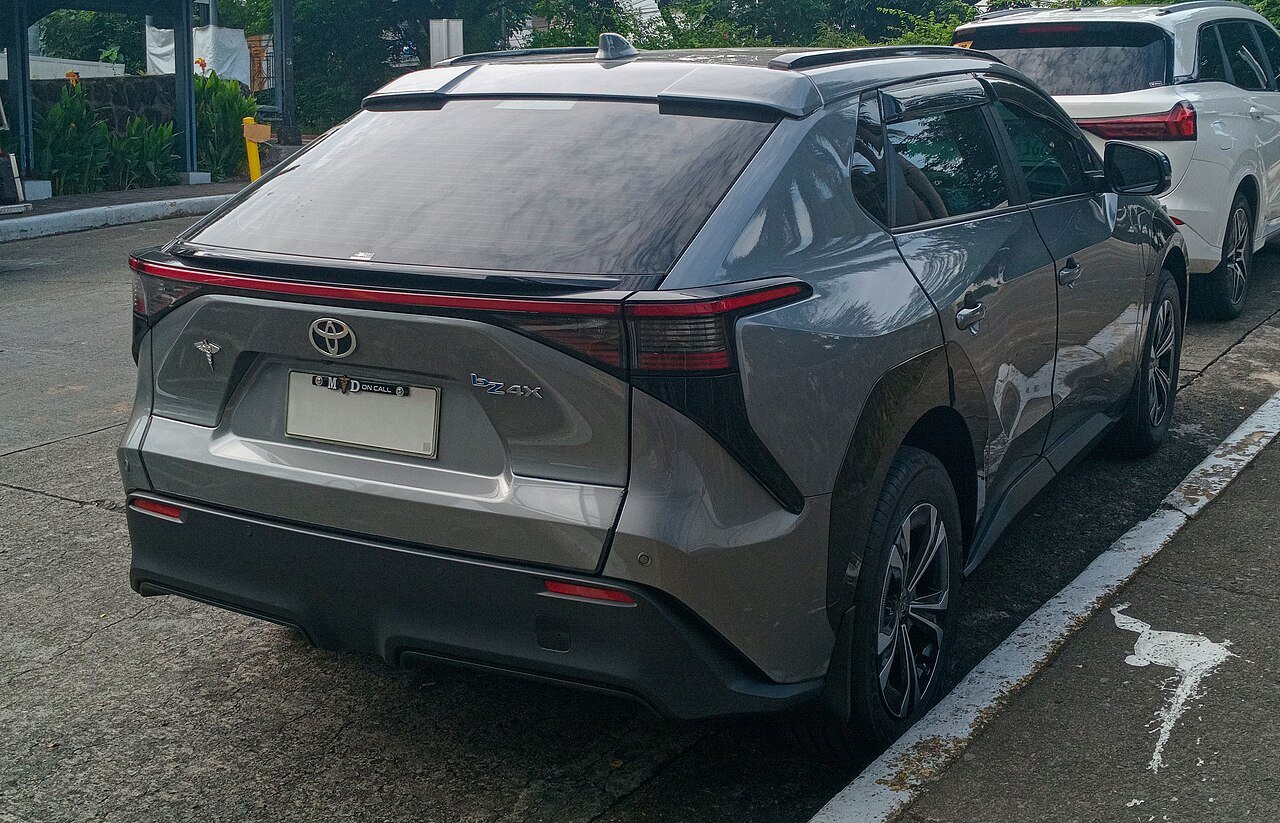
This deal is different. Toyota will build the autonomous bZ4X on the same production line as the regular version at Takaoka, its own plant, and fit Waymo’s hardware there, along with details built for a taxi rather than an owner’s car, like automatic doors and a powered boot (what Americans call a trunk) for luggage. Neither company has said how many vehicles Toyota will build or what the cars will cost Waymo, but putting a self-driving car on a regular assembly line, instead of converting it afterward, is a meaningfully bigger commitment from a carmaker than any Waymo hardware partner has made before.
“We’ll start with the right-hand drive markets in Japan and the UK,” Waymo co-CEO Dmitri Dolgov said of the rollout plan, declining to name any other countries or a firm launch date beyond that.
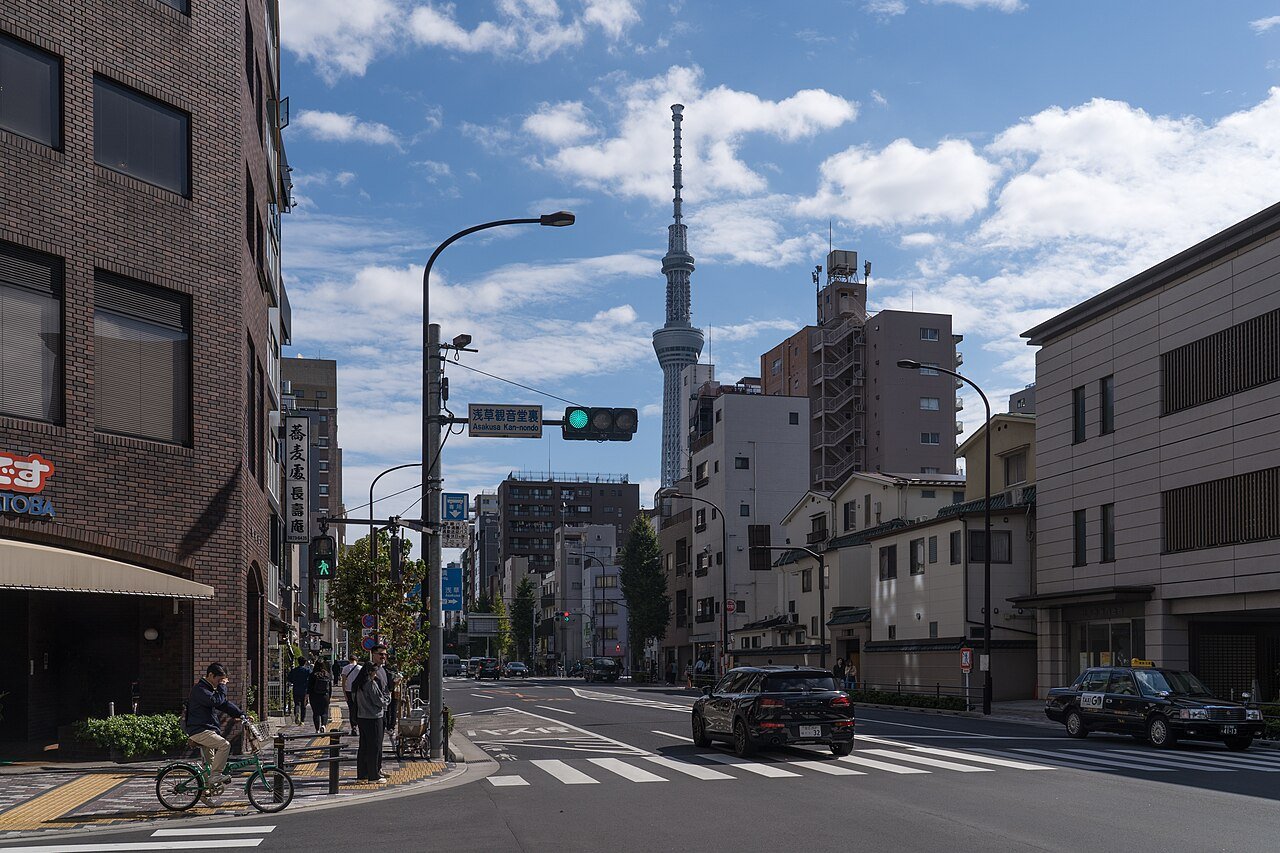
Testing in Japan begins in 2027, with Waymo describing the goal as the country’s first fully autonomous ride-hailing service built domestically. In London, Waymo has already been testing a small fleet of Jaguar I-Pace cars with safety drivers for months and is waiting on permits before it can run them without one. The UK deployment will use the Toyota-built cars once that happens, though no date has been set.
Toyota is already doing this in China, just not with Waymo
What a lot of the coverage since Friday has missed is that this is Toyota’s second robotaxi program this year, not its first, and the two could not be more different in how far along they are.
Back in February 2026, Toyota’s joint venture GAC Toyota started mass-producing a separate autonomous bZ4X in Guangzhou, built with the Chinese self-driving company Pony.ai. That one is already real: more than 1,000 units were targeted for 2026 alone, built toward a fleet of over 3,000 by the end of the year, running as paid rides in Guangzhou, Beijing, Shanghai and Shenzhen under Pony.ai’s seventh-generation driving system.
| Program | Toyota + Pony.ai (China) | Toyota + Waymo (Japan, UK) |
| Announced | Partnership scaled up, Feb 2026 | Oct 30, 2026 |
| Built at | GAC Toyota, Guangzhou | Takaoka plant, Aichi, Japan |
| Status | Mass production under way | Testing starts 2027 |
| Scale | 1,000+ units targeted for 2026 | Not disclosed |
| Cities | Guangzhou, Beijing, Shanghai, Shenzhen | Tokyo first, then London |
So the Waymo deal is not Toyota’s robotaxi debut, it is Toyota deciding the same playbook is worth repeating for a second self-driving partner, in a second set of markets, using the same car. That is a stronger signal about where Toyota thinks this business is going than a one-off tie-up would be.
Why this matters more than another Silicon Valley robotaxi story
Every other robotaxi operator you have heard of, Waymo included until now, has leaned on a conversion shop to turn finished cars into driverless ones after the fact. That works at hundreds of vehicles a year. It does not work at the scale an actual taxi replacement business needs, which is why Waymo went looking for a manufacturing partner that could build the hardware in on day one, the way Toyota builds in airbags or a sunroof.
It also matters because of who is not in this story. General Motors shut down its Cruise robotaxi unit in 2024 after years of losses. Tesla’s Austin robotaxi pilot has run into repeated regulatory scrutiny and is still far short of Elon Musk’s driverless promises. Waymo, by contrast, is already running a genuine commercial service with real fares in multiple American cities, and this deal is it building the industrial base to take that service somewhere other than America for the first time with a purpose-built car.
There is no India angle here worth stretching for. Toyota does not sell the bZ4X in India, and the country has no regulatory framework yet for driverless ride-hailing, so this stays a Japan-and-UK story for the next few years at least. What Indian buyers can take from it is smaller but real: it is a sign of how seriously the world’s largest carmaker is now building its future factory lines around software it does not own itself, a shift that will eventually show up in the cars Toyota does sell here too, even if not this one and not soon.
For now, the test is simple. Toyota has proven in China that it can mass-produce an autonomous bZ4X at real volume. The Waymo deal is the same car, built the same way, aimed at proving the same thing works outside China, starting with a country, Japan, where domestically-built autonomy carries weight that an imported one would not.