



























The 2020-2023 EV cohort is hitting the resale market now, and only one certified program can currently prove a used battery is healthy.
No dealer, insurer or government agency in India can currently hand you a certified number for how much life is left in a used EV’s battery, and that gap matters right now because the first big wave of used electric cars, the ones registered between 2020 and 2023, is entering the resale market this year. One carmaker just built the first real fix for it.
India’s electric passenger vehicle retail sales grew 84% year-on-year in FY26 to 1.99 lakh units, according to Cars24 data reported by business outlet The Core. That growth now feeds a second market nobody was fully ready for: buying somebody else’s three-year-old EV. Cars24 co-founder and CMO Gajendra Jangid told Business Standard that battery certification is “the single biggest obstacle” to that market scaling, and pegged 2026 as the year the first meaningful cohort of used EVs shows up on listing sites.
What You Can Actually Verify on a Used EV Listing Today
A used-EV listing looks exactly like a used-petrol-car listing: registration date, odometer, service records, RC and insurance status. None of that tells you what matters most on an EV, how much of the original battery capacity is actually left.
| What the listing shows you | What it actually tells you |
| Odometer reading | Distance driven, not battery charge cycles or fast-charging history |
| Registration date / vehicle age | Warranty window, not remaining battery capacity |
| ARAI range on the RC or brochure | The claimed range when the car was new, never the real range today |
| Service history (if the seller has it) | Confirms maintenance was done, not how the cells have degraded |
| Battery State of Health (SoH) | The one figure that predicts real range and pack life. No standard exists to verify it in India |
Why There Is Still No Battery Health Standard
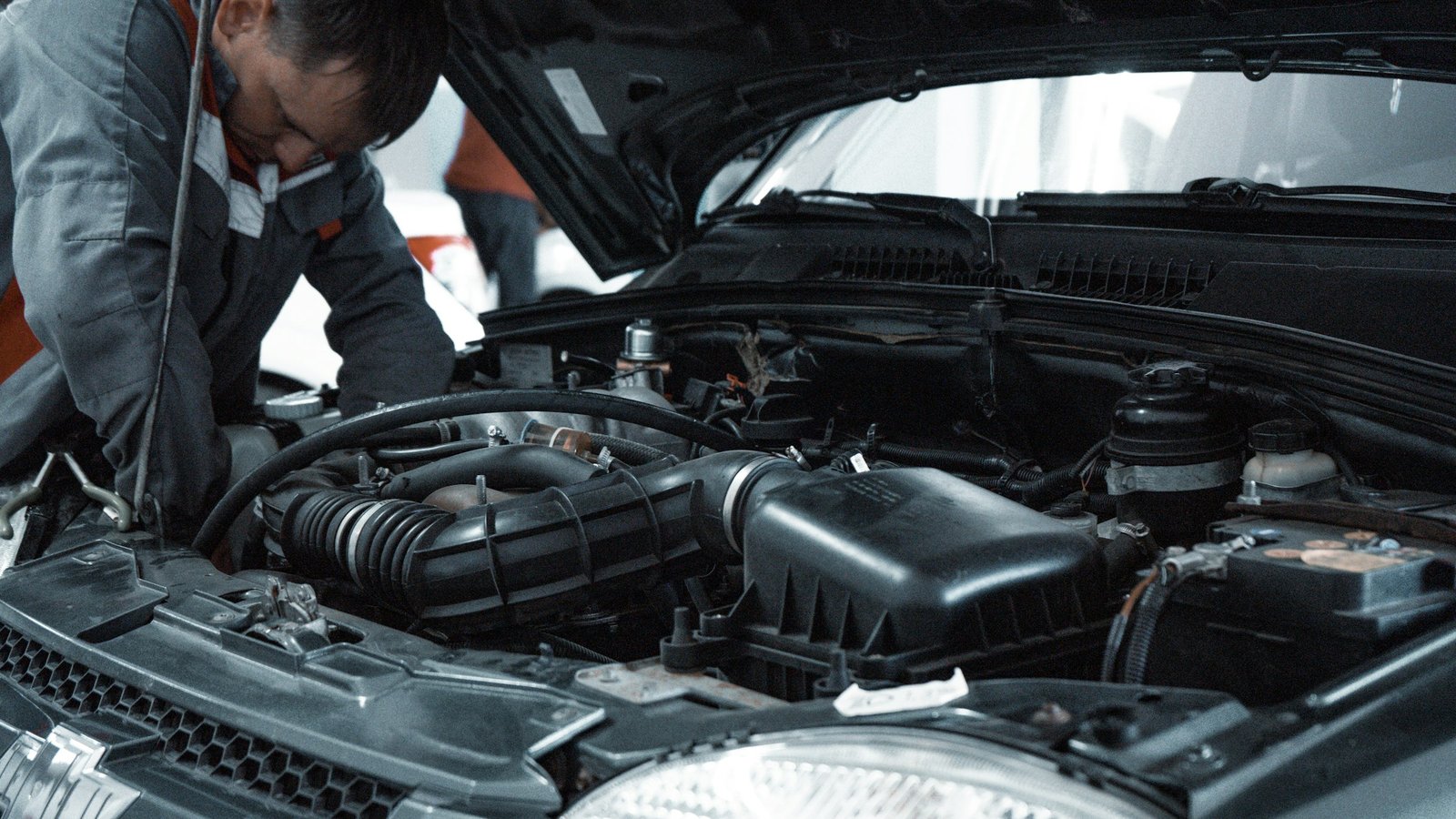
India does have a battery safety standard, AIS-156. It covers thermal runaway propagation testing, water ingress protection and battery management system checks, but only for new vehicles at the point of manufacture. It says nothing about a pack that has done 40,000 km in Delhi summers and Mumbai monsoons for three years.
The Core reports that industry-wide infrastructure for a standardised SoH certification is not expected to be “meaningfully in place before 2030.” That leaves a four-year gap where buyers are negotiating six-figure purchases on a number nobody can independently check. The battery pack alone typically accounts for 40 to 50% of an EV’s original cost.
Insurance does not fill the gap either. PolicyBazaar’s Head of Motor Insurance, Paras Pasricha, has said insurers currently rely on “indirect indicators” rather than actual degradation testing when pricing a used EV policy, and used EVs typically cost more to insure than an equivalent petrol car. The government’s EV discount only applies to the third-party premium, not Own Damage cover, so the one part of your premium actually tied to battery replacement cost gets no relief at all.
The First Real Fix: JSW MG Motor and Spinny’s Certified Used-EV Program
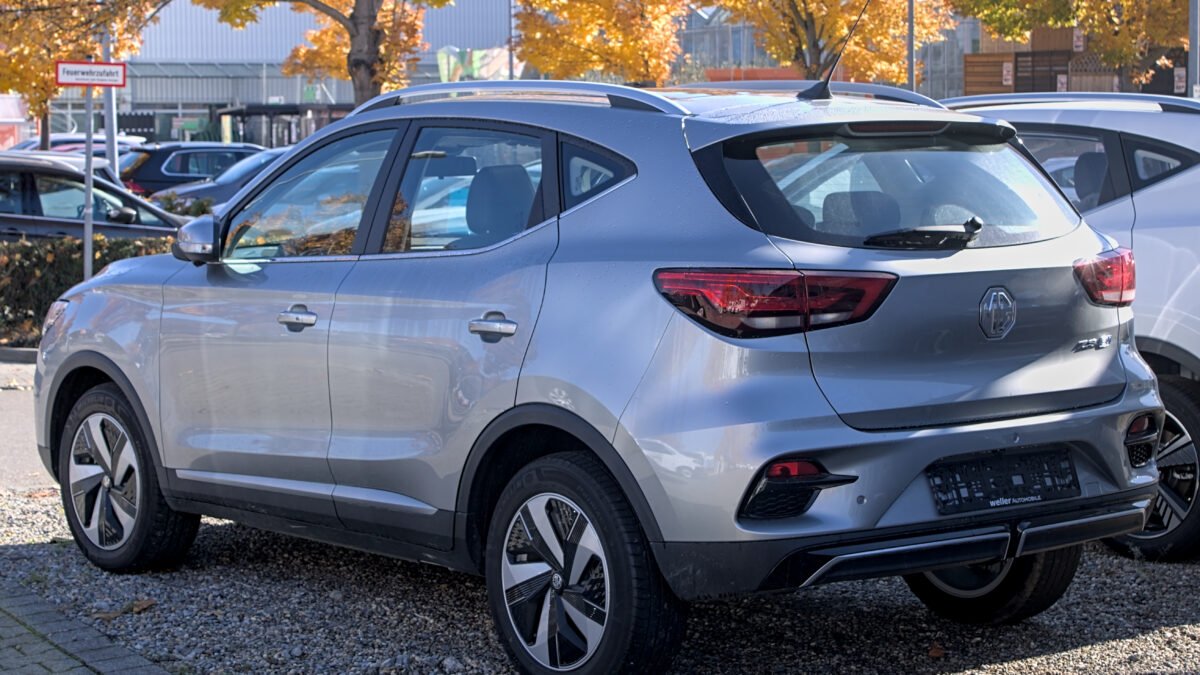
On July 6, 2026, JSW MG Motor India and used-car platform Spinny announced a commercial partnership to sell certified pre-owned MG Comet EV, Windsor EV and ZS EV units across 13 cities: Bengaluru, Chennai, Delhi NCR, Hyderabad, Kochi, Mumbai, Pune, Jaipur, Ahmedabad, Kolkata, Lucknow, Chandigarh and Coimbatore. It is the first program in India where the battery health check itself is standardised using the original manufacturer’s own technical data, not a third party guessing from indirect signals.
| Buying a random used EV listing | Buying via the MG-Spinny certified program |
| No standardised battery health check | Battery health assessed and certified using JSW MG’s own technical inputs |
| Warranty status unclear or lapsed | OEM warranty continuity carried over |
| Price is whatever the seller asks | Fixed pricing, no haggling over an unverifiable number |
| No recourse after purchase | Five-day money-back guarantee |
| Available everywhere, any model | Comet EV, Windsor EV, ZS EV only, in 13 cities |
“Developing a reliable pre-owned framework is critical for the brand as it expands its new energy vehicle portfolio,” said Vinay Raina, Chief Commercial Officer at JSW MG Motor India. Spinny founder and CEO Niraj Singh put the stakes plainly: “Establishing structural transparency in battery diagnostics is essential to building secondary market transaction volume.”
What This Actually Means If You’re Buying a Used EV Now
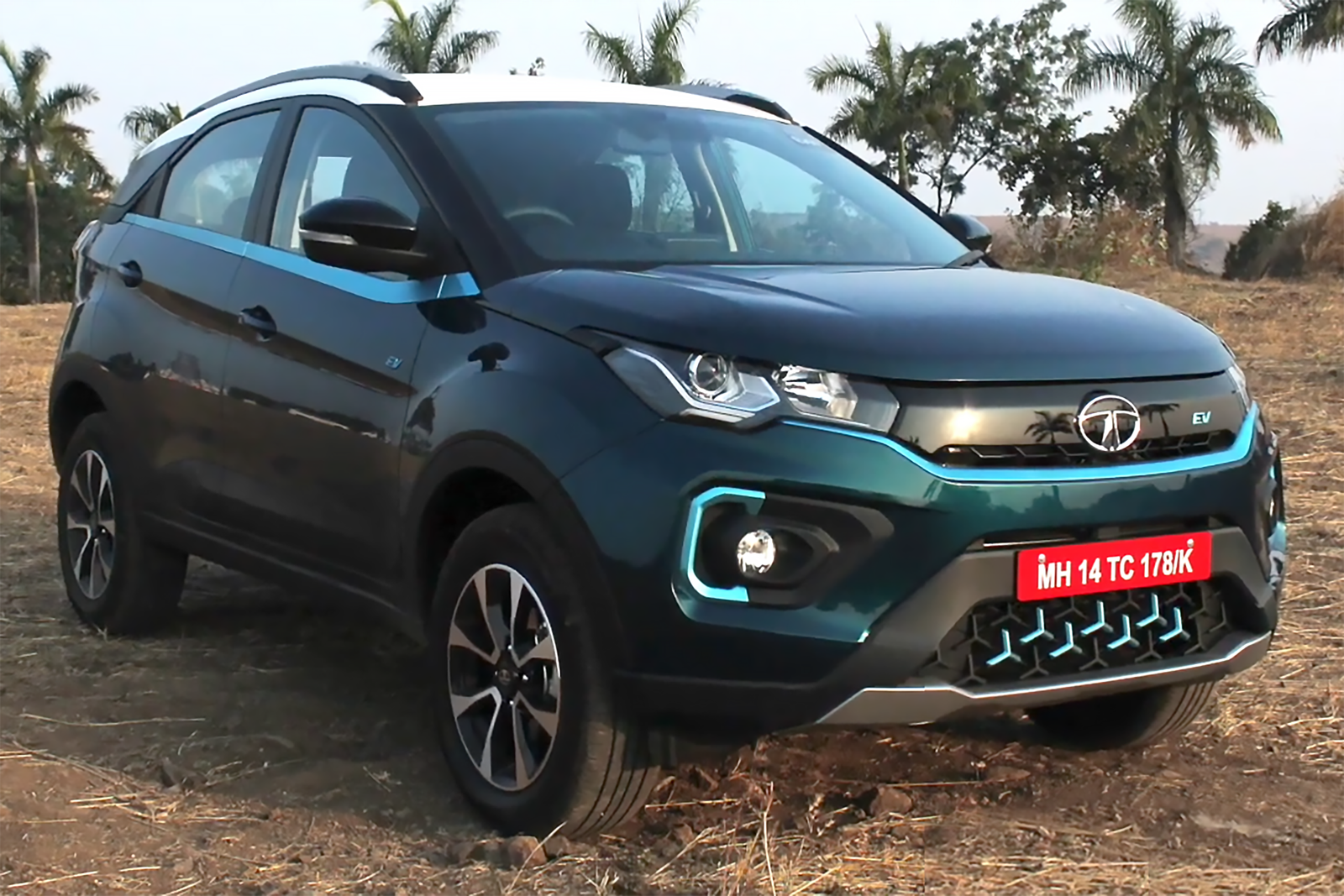
If you are shopping outside those 13 cities or outside MG’s three eligible models, and that is still most of the used-EV market including the ubiquitous Tata Nexon EV, you are on your own. Ask the seller for the manufacturer’s own diagnostic report if the car is still within its service network, get the remaining battery warranty in writing, and price in a full pack replacement as a real possibility, not a worst case.
A cheaper used EV with no battery health proof is not a bargain. It is a battery-replacement bill you haven’t been quoted yet.
Cross-shopping a used Nexon EV against a certified MG ZS EV is a genuinely useful comparison right now, and you can run the numbers yourself on The Spec’d’s Compare tool.
Is there a government-mandated battery health certificate for used EVs in India?
No. AIS-156 governs safety testing for new EV batteries at manufacture, not health verification for a used pack. As of 2026, industry-wide standardised State of Health certification is not expected before 2030.
Which used EVs currently come with a certified battery health check?
Only the MG Comet EV, Windsor EV and ZS EV, sold through Spinny’s certified pre-owned program in 13 Indian cities since July 2026. Every other used EV in India is sold without a standardised battery certification.
Does a used EV cost more to insure than a used petrol car in India?
Generally yes. Insurers price used EVs using indirect indicators rather than battery degradation testing, and the government’s EV insurance discount applies only to the third-party premium, not to Own Damage cover, where battery replacement risk actually sits.