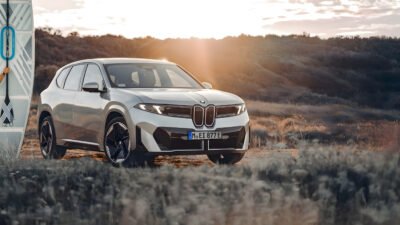




























BMW’s first locally built electric sedan undercuts the imported Mercedes-Benz EQS by roughly ₹50 lakh, and quietly fixes the one complaint owners had about the regular i5 on Indian roads.
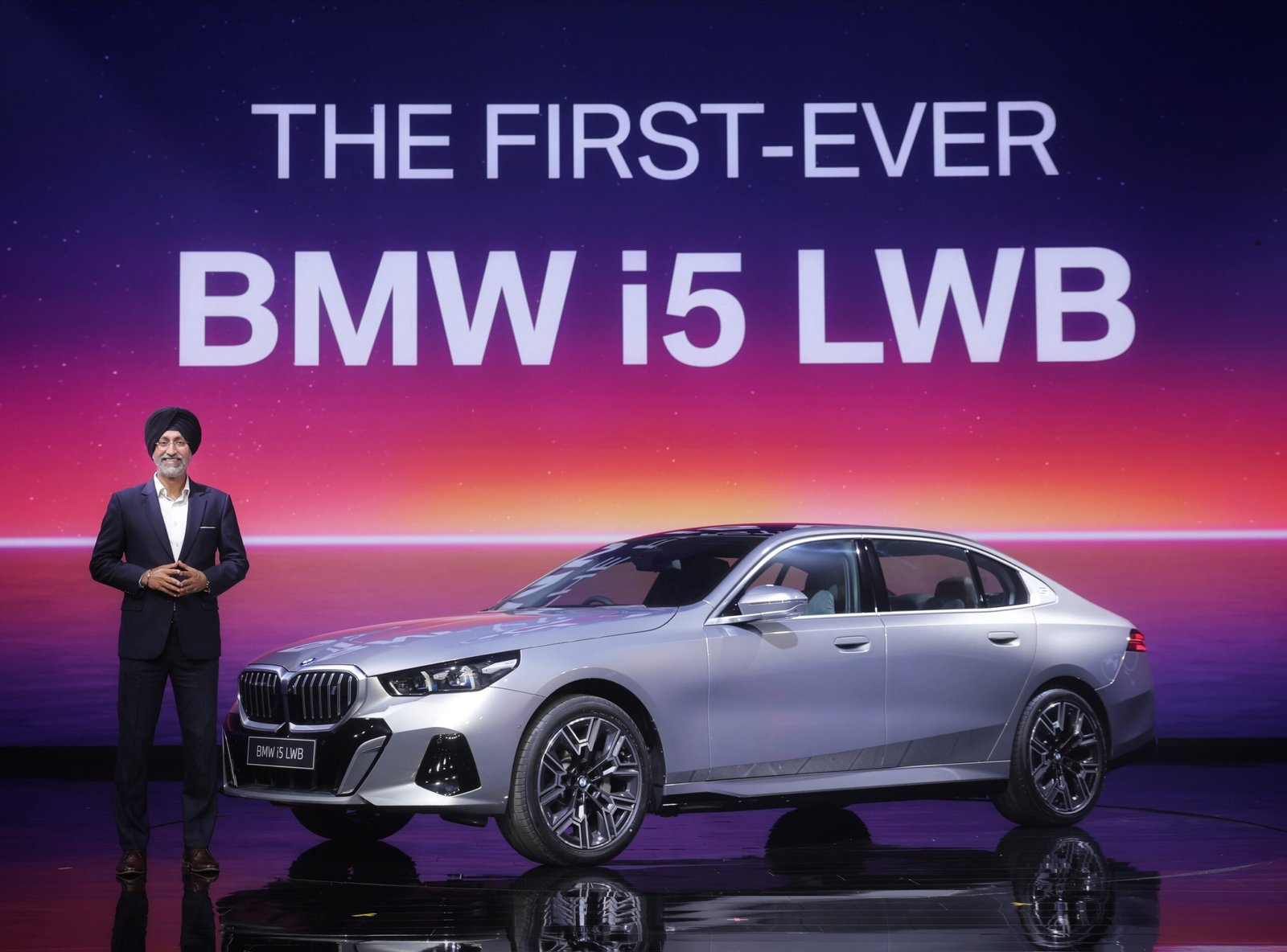
BMW has launched the i5 LWB (Long Wheelbase) in India at ₹79.60 lakh ex-showroom, and it is the first electric BMW built in India rather than shipped in. That local assembly at the Chennai plant is the whole story: it lets BMW undercut the Mercedes-Benz EQS sedan, which starts near ₹1.30 crore, by roughly ₹50 lakh while still wearing the badge that matters to India’s chauffeur-driven luxury buyers.
What ₹79.60 Lakh Actually Buys You
There is technically a choice, but not much of one. BMW opened bookings with two trims at launch, and one of them is already gone.
| Variant | Price (ex-showroom) | What sets it apart |
| i5 LWB eDrive35L M Sport | ₹79.60 lakh | 81.6 kWh battery, 669 km claimed range, panoramic glass roof, Bowers & Wilkins sound, ventilated front seats |
| i5 LWB FIRST EDITION | ₹79.60 lakh (introductory) | Rear tablet entertainment package, Silver Bronze trim with open-pored wood, laser-engraved dash. Capped at 99 units, all sold before launch |
Buy the standard M Sport. The First Edition costs the same money for badge-level exclusivity you cannot even order anymore, and the tablet holder and dashboard engraving do nothing for range, charging or ride quality.
Why “LWB” Is the Actual Pitch, Not the Badge
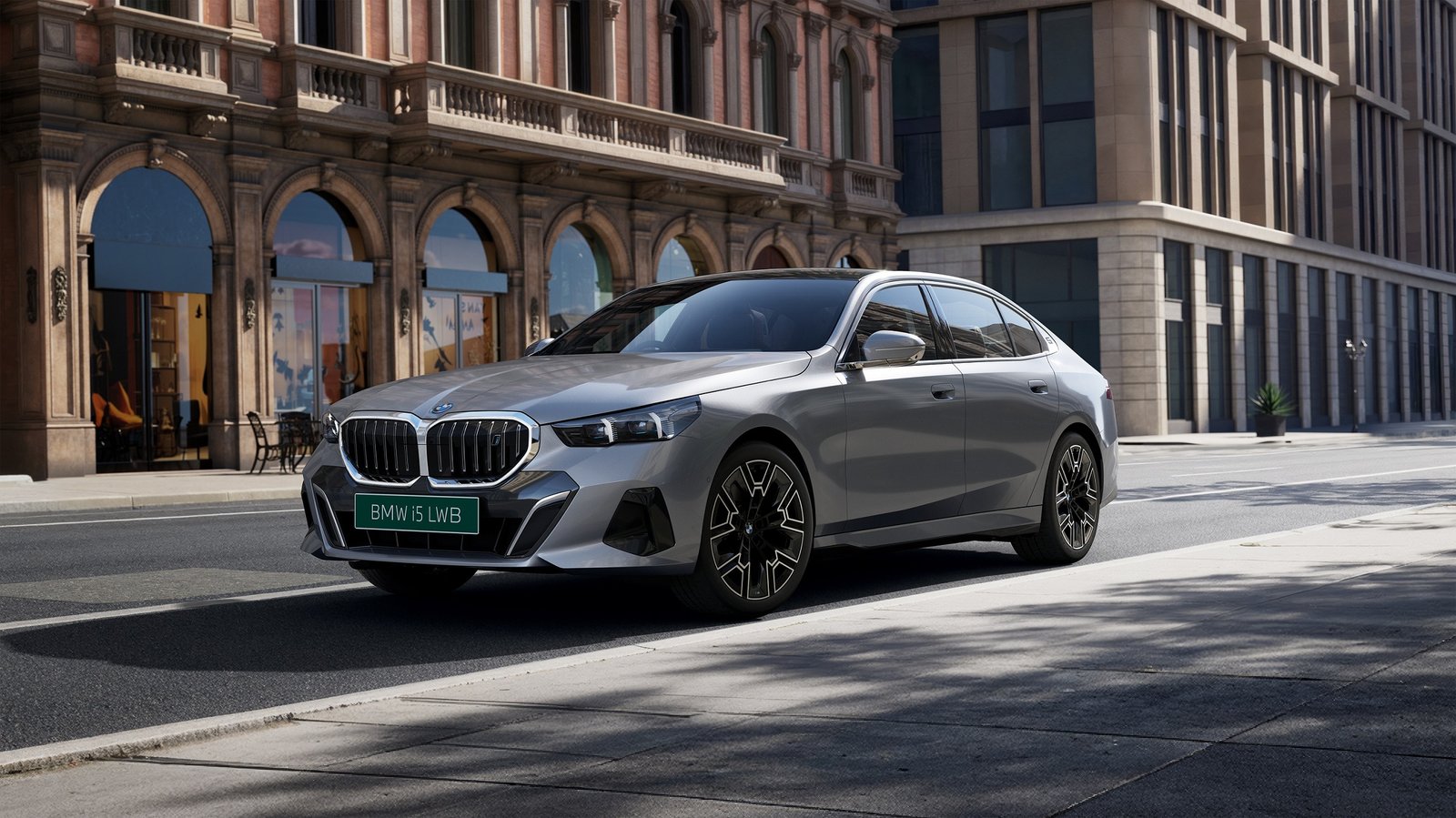
BMW is calling this the biggest car in its segment with the most spacious rear cabin, and the 3,105mm wheelbase backs that up on paper. In India, that matters more than almost anywhere else BMW sells the i5: a large share of buyers in this bracket are driven, not driving, and rear legroom sells more units here than 0-100 times. The eDrive35L makes 268hp, 410Nm and a claimed 6.7-second 0-100 km/h, numbers that mostly prove the car is not slow, since the person who bought it is rarely the one behind the wheel.
669 km Claimed. Here Is What That Actually Means
BMW rates the i5 LWB at 669 km on India’s MIDC test cycle, the same lab-condition methodology behind ARAI mileage figures for petrol and diesel cars. No independent range test of the LWB had been published when this was written, since deliveries had only just begun in September. But BMW already sells the standard-wheelbase i5 eDrive40 in India, and that gives an honest reference point.
| Model | Claimed range (BMW, MIDC) | Real-world figure |
| BMW i5 eDrive40 (standard wheelbase, on sale in India) | 516 km | 440-460 km, per owner-reported figures on an Indian owner forum |
| BMW i5 LWB eDrive35L (new) | 669 km | No independent test published yet |
That 440-460 km figure is roughly 85-89 percent of the eDrive40’s claimed number, a smaller lab-to-road gap than most EVs see in Indian conditions. If the LWB holds a similar ratio, expect something near 570-590 km on a real highway run with the air conditioning on. That is an estimate from a related model’s owner data, not a tested figure for this car, and it should be treated that way.
The Chennai Plant Is Why the Price Undercuts the EQS
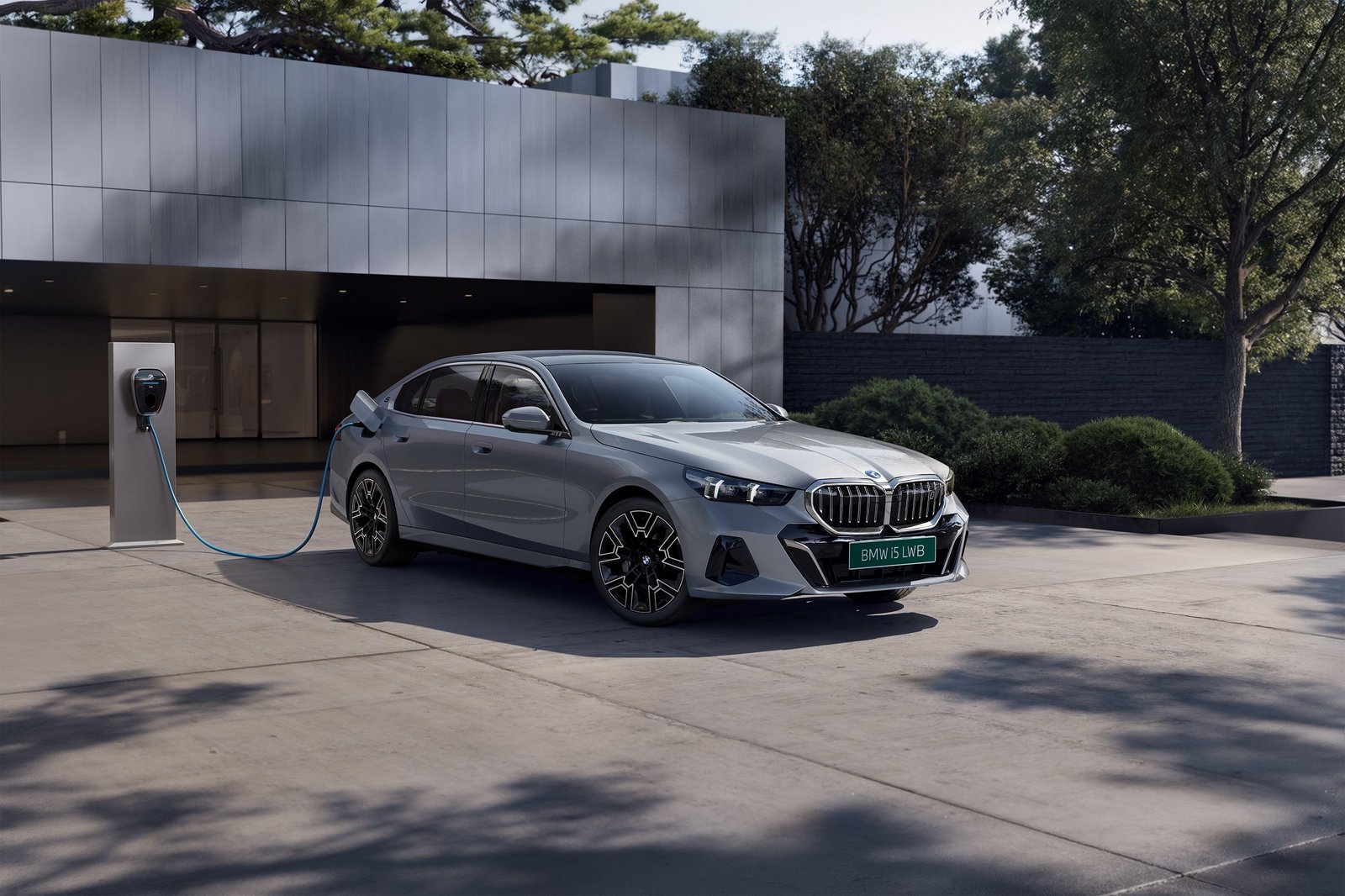
This is the second electric BMW to roll out of BMW Group Plant Chennai, after the i7, and the first electric sedan built there. Local assembly avoids the steep import duty a fully-built EV pays into India, and that saving is what makes ₹79.60 lakh possible for a car with this equipment list. Compare it against the Mercedes-Benz EQS, which is imported and starts near ₹1.30 crore: the i5 LWB undercuts it by roughly ₹50 lakh with a longer claimed range and more rear legroom. Run the two side by side on The Spec’d’s compare tool, and check the actual EMI on the i5’s calculator page before you book. EVs also still sit in the flat 5 percent GST slab with no compensation cess, versus 40 percent on combustion luxury cars, a second reason this segment keeps getting easier to justify.
BMW Just Fixed the Regular i5’s Biggest India Complaint
Forum owners running the standard i5 in India have flagged low ground clearance as its real weak point, the kind of thing that turns an unmarked speed breaker into a wince. The LWB ships with adaptive rear-axle air suspension, and BMW is explicitly marketing extra ground clearance as built for Indian roads, not a global spec applied here unchanged. That is a specific, sourced fix to a specific, sourced complaint, and the most India-relevant engineering call on this car.
The i5 LWB is the first BMW EV actually engineered for an Indian back seat and an Indian speed breaker instead of a European brochure. At ₹79.60 lakh it is genuinely well priced against the EQS, but it is still ₹79.60 lakh, deep into territory where a Genesis GV70 Electrified or a loaded BMW iX1 does most of the same job for a lot less money.
Is the BMW i5 LWB the same car as the regular i5 sold in India?
No. The LWB rides on a stretched 3,105mm wheelbase specifically for rear legroom, gets a larger 81.6kWh battery than the standard eDrive40, and adds adaptive rear air suspension. It is sold alongside the existing i5, not as a replacement for it.
What is the real-world range of the BMW i5 LWB?
Nobody has published an independent test yet, since deliveries only started in September 2026. BMW’s own standard-wheelbase i5 typically returns 85-89 percent of its claimed range in owner-reported Indian driving, so a similar ratio on the LWB’s 669km claim would land near 570-590km, but that is an estimate, not a measured figure.
Is the BMW i5 LWB cheaper than the Mercedes-Benz EQS in India?
Yes, by a wide margin. The i5 LWB starts at ₹79.60 lakh ex-showroom, while the Mercedes-Benz EQS sedan starts near ₹1.30 crore, largely because the EQS is imported and the i5 LWB is assembled locally at BMW’s Chennai plant.