





































Market share nearly doubled in three months and in-house battery cells are finally shipping, but the quarterly numbers say recovering, not recovered.
Ola Electric’s share of India’s e-scooter market nearly doubled in three months, from 5.1% in the January-March quarter to 8.4% in April-June 2026. Its own 4680 Bharat Cell battery also finally started shipping, in the top-end S1 Pro+. That is the good news.
The company also lost ₹336 crore in that same quarter, and revenue is still 45% below where it stood a year earlier, before a subsidy cut gutted the entire e-scooter industry. If you are deciding whether an S1 is safe money in 2026, the honest answer is: safer than it looked a year ago, not yet fully de-risked.
What Actually Changed in Ola’s Q1 FY27 Numbers
Ola Electric filed its April-June 2026 (Q1 FY27) results with the stock exchanges on August 7, and Inc42 and emobilityplus both reported the same set of figures from that filing. Deliveries nearly doubled sequentially, and Ola grew faster than the overall electric two-wheeler market, which was up a much smaller 17% in the same quarter.
| Metric | Q1 FY26 (Apr-Jun 2025) | Q4 FY26 (Jan-Mar 2026) | Q1 FY27 (Apr-Jun 2026) |
| Revenue | ₹828 crore | ₹265 crore | ₹455 crore |
| Net loss | ₹428 crore | ₹500 crore | ₹336 crore |
| Two-wheeler market share | N/A | 5.1% | 8.4% |
| Vehicle deliveries | N/A | 20,256 | 39,192 |
The 45% year-on-year revenue drop is not really an Ola-specific problem. It traces back to the PM E-DRIVE subsidy disruption that we covered here in August, which hit every electric two-wheeler brand’s sales for months.
What matters for a buyer is the trend since then: Ola’s own recovery has been faster than the market’s, not slower. That is the opposite of what critics expected after Ampere briefly overtook it in weekly registrations.
The Bharat Cell: What’s Actually Shipping, Not Just Promised
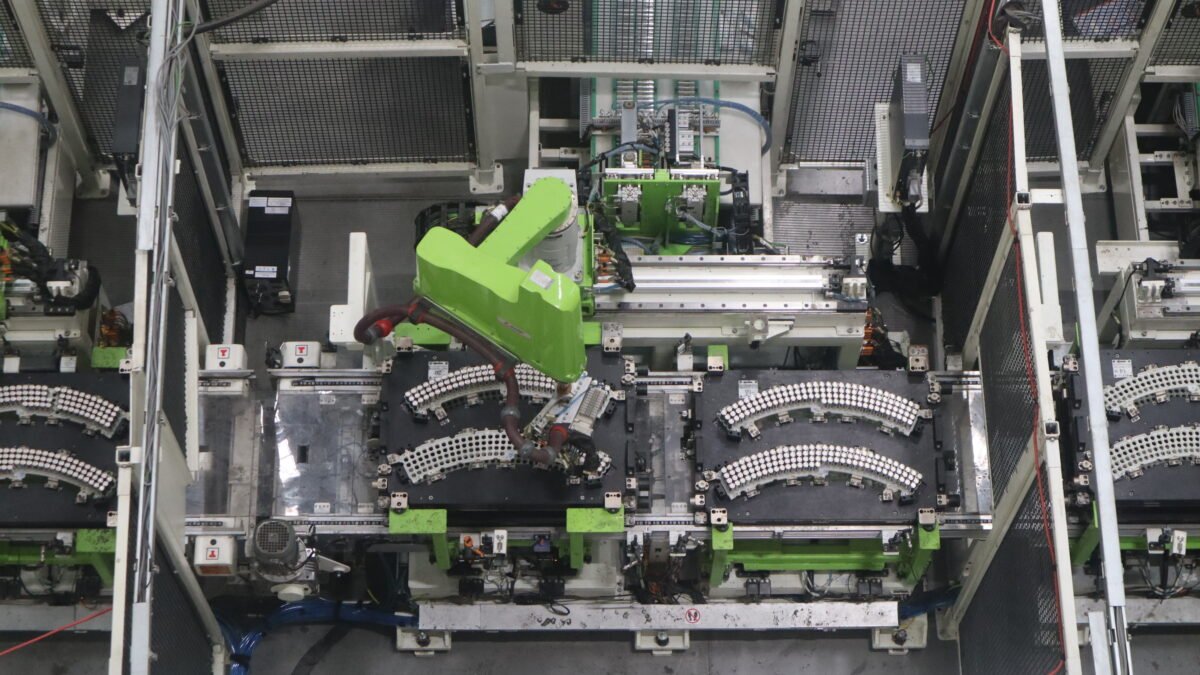
In May, chairman Bhavish Aggarwal told shareholders Ola would achieve a “complete transition to internally manufactured battery cells across its entire vehicle portfolio by September 2026.” That is a big claim, and it is worth separating from what the August results actually confirm.
| The claim | What’s confirmed as of August 2026 |
| Entire portfolio on in-house cells by September 2026 | Only the flagship S1 Pro+ 5.3kWh (₹1,69,999) ships with the in-house 4680 Bharat Cell. The cheaper 46100 LFP cell has BIS certification and is “vehicle-ready” for scooters under 4kWh, but was not yet confirmed as shipping in volume. |
| 6 GWh Gigafactory operational by September 2026 | Installation was reported “largely complete” with commercial ramp-up targeted for the September quarter-end. No independent report confirms the full 6 GWh is live yet. |
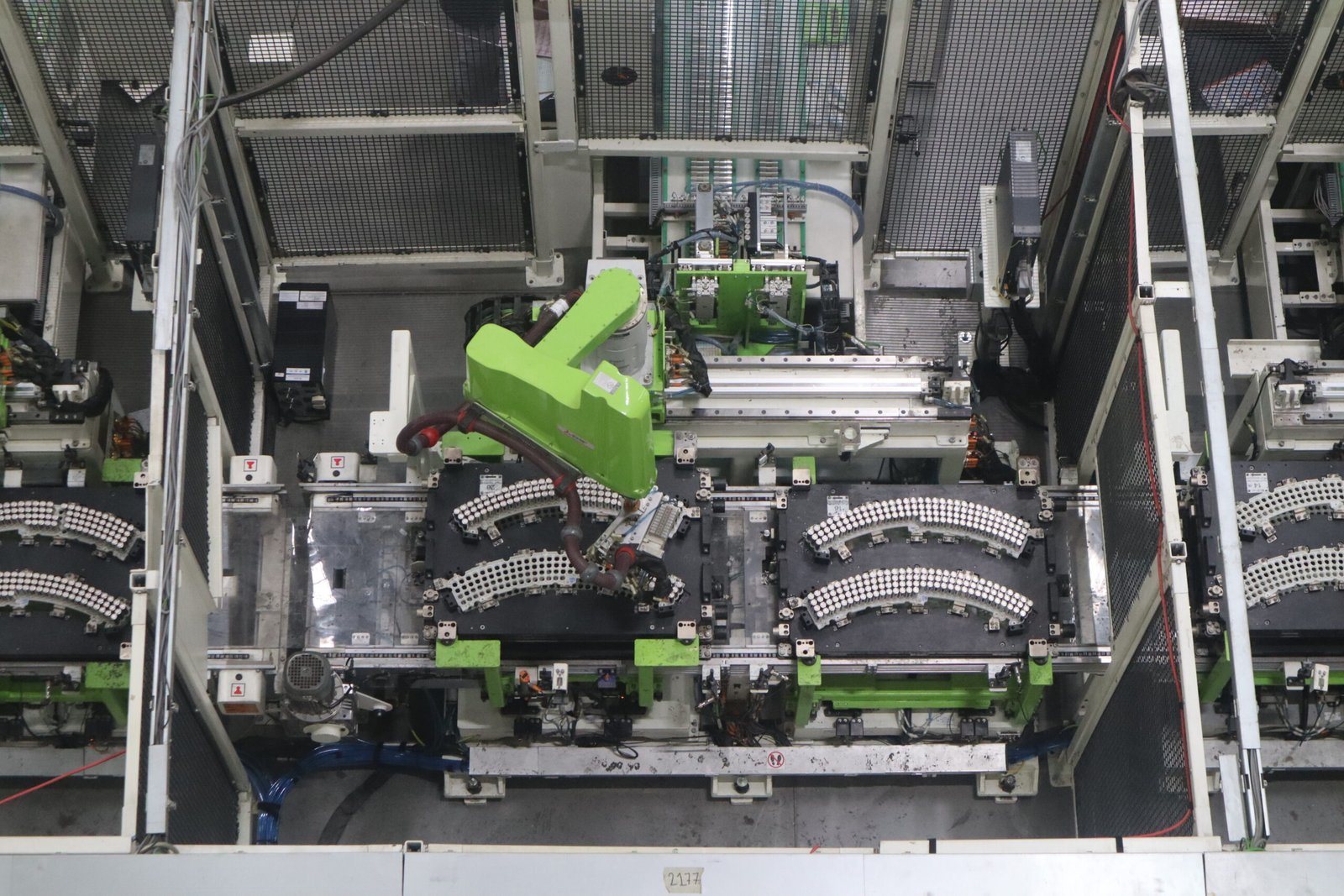
Why this matters for your wallet: in-house cells are the only realistic way Ola cuts scooter prices further, since the battery pack is 30-40% of an e-scooter’s cost. Until the LFP cell is actually in the ₹80,000-1,00,000 S1 X range Ola sells the most of, treat “cheaper Ola scooters are coming” as a 2027 story, not a this-month one.
Which Ola Scooter Is Actually Worth Buying Right Now
The Bharat Cell currently sits only in the most expensive variant, and that changes which one makes sense to book.
| Variant | Battery | Ex-showroom price |
| S1 X | 2kWh | ₹79,999 |
| S1 X | 3kWh | ₹89,999 |
| S1 X | 4kWh | ₹99,999 |
| S1 X+ | 4kWh | ₹1,07,999 |
| S1 Pro | 3kWh | ₹1,14,999 |
| S1 Pro | 4kWh | ₹1,34,999 |
| S1 Pro+ | 4kWh | ₹1,54,999 |
| S1 Pro+ (Bharat Cell) | 5.3kWh | ₹1,69,999 |
Buy the S1 X+ 4kWh at ₹1,07,999. It gets you the larger battery and dual-channel ABS bracket without paying ₹62,000 more for the Pro+’s in-house cell, which is unproven at scale outside Ola’s own claims.
The top Pro+ is the right buy only if you specifically want to be an early adopter of the Bharat Cell tech and can absorb the resale risk if early units need service attention. That is common with any brand-new cell chemistry in its first year on the road.
Is Ather a Safer Bet Than Ola Right Now?
Ather Energy does not have Ola’s balance-sheet drama, but it also does not have an in-house cell shipping yet, and its scooters cost more for comparable range.
If financial stability matters more to you than the newest battery tech, the Ather 450X vs Ola S1 Pro comparison is worth reading before you book either one. The two attract genuinely different buyers: Ather for riders who want fewer surprises, Ola for riders chasing spec and price.
Should You Actually Buy an Ola Electric Scooter in 2026?
Ola’s numbers this quarter say the company is recovering, not that it has recovered. An 8.4% market share and a narrower loss are real progress; a ₹336 crore quarterly loss and an unproven battery cell are real risks. Buy the S1 X+ if you want the value, work an EMI at the Ola S1 Pro EMI calculator before you commit to the pricier Pro+, and go in with your eyes open rather than on the strength of a chairman’s shareholder letter.
Two things would change this calculus fast: a second straight quarter of narrowing losses, and independent confirmation that the Gigafactory actually hit 6 GWh. Neither has happened yet, which is exactly why “wait one more quarter” is a defensible position if you are not in a hurry.
Frequently Asked Questions
Is Ola Electric in financial trouble in 2026?
Less than it was. The company’s net loss narrowed from ₹500 crore in Q4 FY26 to ₹336 crore in Q1 FY27, and revenue grew 72% quarter-on-quarter to ₹455 crore, per its official Q1 FY27 filing reported by Inc42. It is still loss-making and revenue remains 45% below its Q1 FY26 level, so “recovering” is more accurate than “healthy.”
Does the Ola S1 Pro+ actually use an in-house battery?
Only the S1 Pro+ 5.3kWh variant, priced at ₹1,69,999, ships with Ola’s in-house 4680 Bharat Cell. Every other S1 X, X+ and Pro variant still uses cells Ola does not manufacture itself.
Should I wait for cheaper Ola scooters once the Gigafactory is running?
If you need a scooter now, do not wait. Ola’s cheaper LFP cell is only “vehicle-ready” as of August 2026, not yet confirmed in mass-market S1 X models on sale, and full 6 GWh Gigafactory output has not been independently verified. Any price cuts from in-house cells are realistically a 2027 story.


