


































Three days ago, we told you the PM E-DRIVE subsidy on electric scooters was dead, gone for good after its July 31 deadline passed with no fresh extension in sight. Turns out that call was made too early. A Ministry of Heavy Industries notification, dated August 10, 2026, has pushed the scheme’s terminal date for electric two-wheelers all the way out to March 31, 2028, and backed it with extra money. If you’re shopping for an Ola, Ather, TVS iQube, or Bajaj Chetak, the subsidy you thought you’d lost is actually still on the table.
What the notification actually changed
The amendment moves the e2W terminal date from July 31, 2026 to March 31, 2028, a 20-month extension. Alongside it, the government raised the electric two-wheeler allocation from ₹1,772 crore to ₹2,767 crore, and lifted the overall PM E-DRIVE outlay from ₹10,900 crore to ₹11,900 crore. The scheme is now funded to support roughly 45.79 lakh electric two-wheelers, well above the 19 to 22 lakh units it had already backed by January 2026.
How much this actually saves you
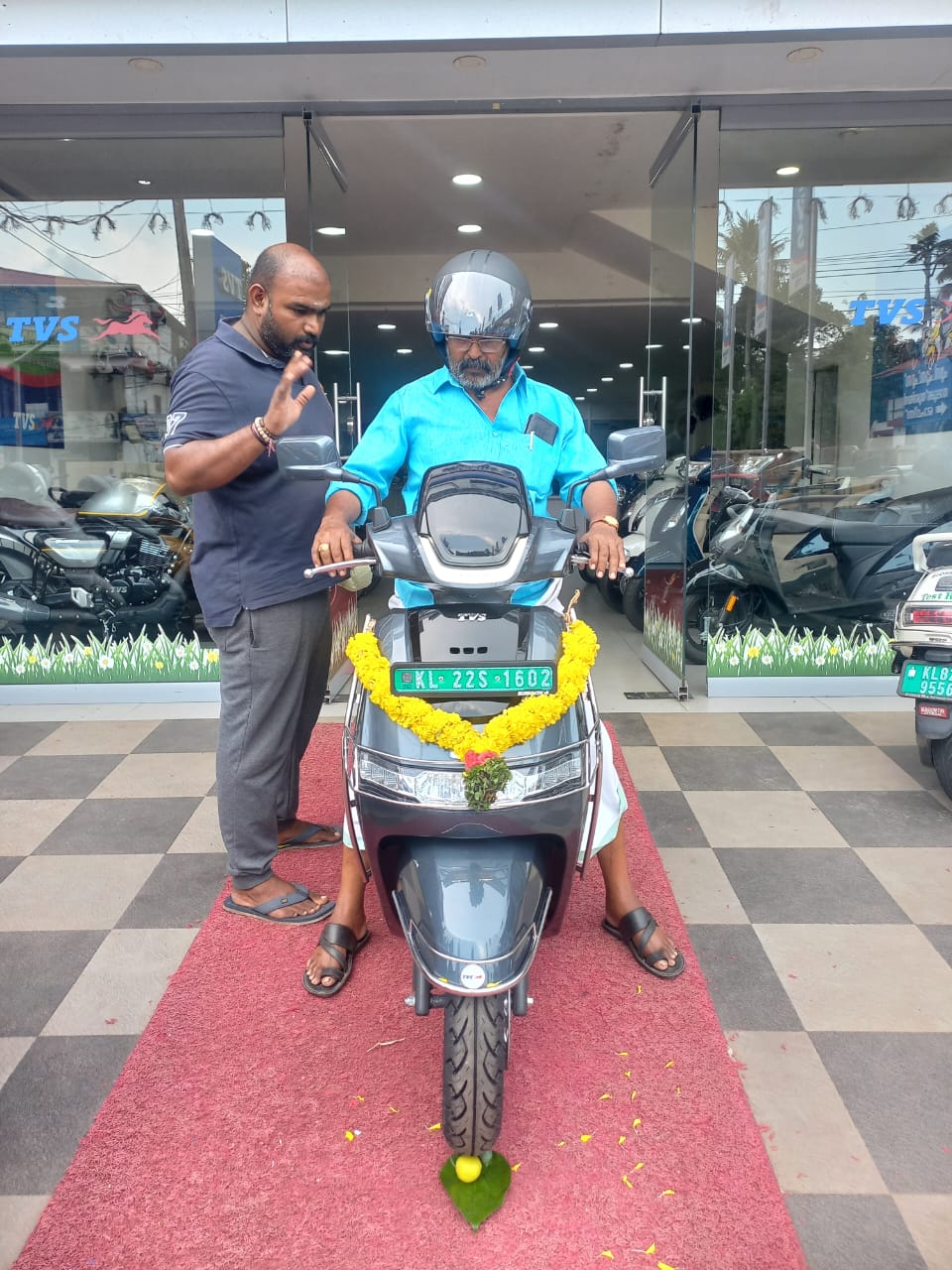
The per-vehicle math hasn’t changed. You still get ₹2,500 for every kWh of battery capacity (kWh, or kilowatt-hour, is how much energy the battery holds), capped at ₹5,000 a scooter or 15% of its ex-factory price, whichever is lower. Only models priced up to ₹1.5 lakh ex-factory qualify. That covers essentially every mainstream electric scooter sold in India: the Ola S1 range, the Ather Rizta and 450 series, the TVS iQube, and the Bajaj Chetak. Run the numbers through our EMI calculator before you finalise a deal, because this subsidy shows up as a straight cut to the on-road price, not a rebate you claim later.
| Metric | Before the August 10 notification | After |
| e2W terminal date | July 31, 2026 | March 31, 2028 |
| e2W allocation | ₹1,772 crore | ₹2,767 crore |
| Total scheme outlay | ₹10,900 crore | ₹11,900 crore |
| Per-vehicle cap | ₹5,000 | ₹5,000, unchanged |
Why the government reversed course
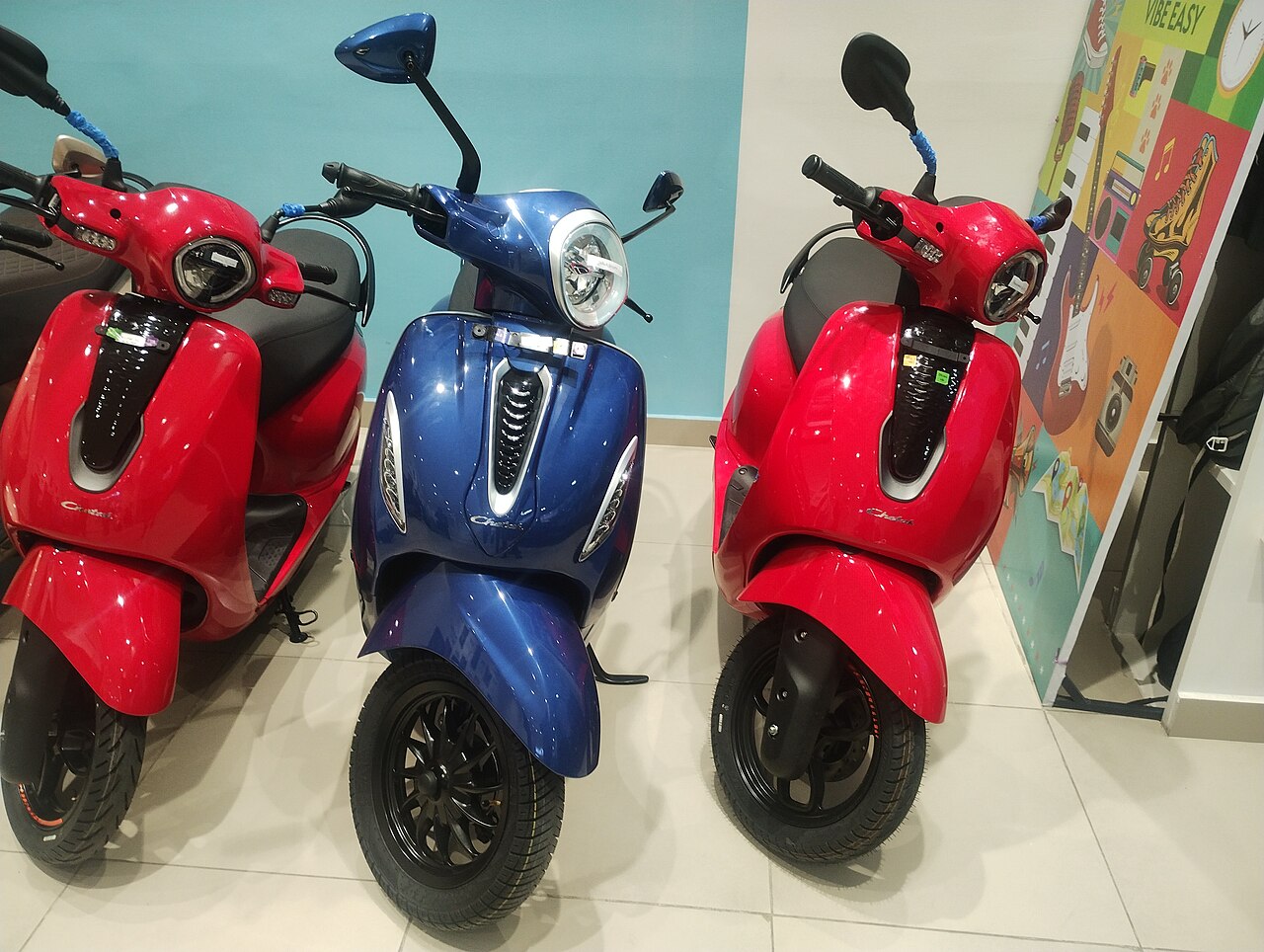
Electric two-wheeler penetration in India is still sitting around 7.6% of total two-wheeler sales, short of the government’s 9 to 10% target, and letting the incentive lapse right as festive-season buying kicks in would have worked against that goal. Markets read it the same way: Ola Electric and Ather Energy shares both moved higher within hours of the notification going public. State-level EV subsidies, where they exist, and the 5% GST rate on electric two-wheelers were never touched by any of this, they stack on top of whatever the centre offers.
If you held off on buying an electric scooter because you thought the subsidy window had shut, it hasn’t. You’ve effectively got until March 2028, or until the funded 45.79 lakh vehicle quota runs out, whichever comes first.
That second part is the real deadline to watch. Demand incentives like this tend to get claimed faster than the calendar suggests once a segment is popular, and e2Ws are exactly that. If you’re close to buying, the smart move is still to buy sooner rather than bet on the allocation lasting the full 20 months.


