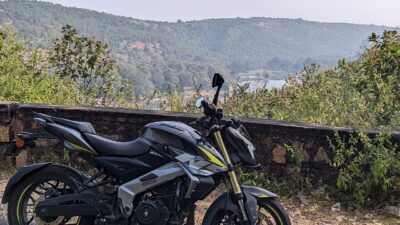



























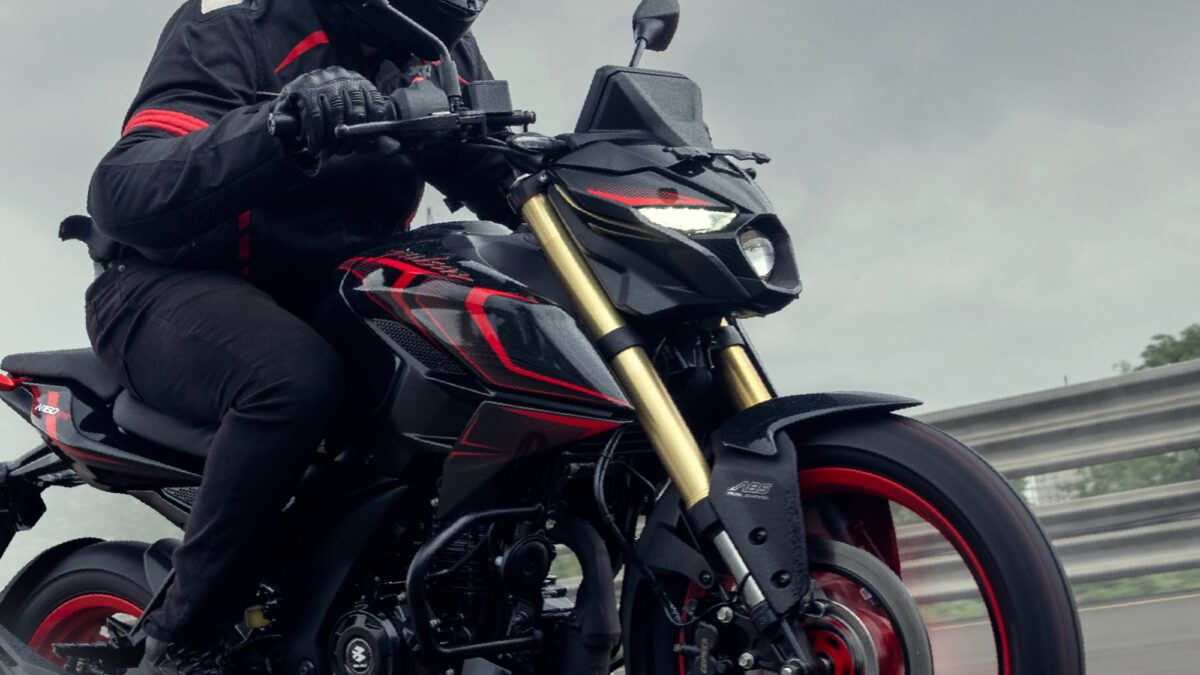
Twenty five years ago, most Indian motorcycles were built around one idea: mileage. Then Bajaj launched a 150cc and 180cc twin called the Pulsar, backed by a TV ad line, “Definitely Male”, and the whole conversation changed. In 2026, the Pulsar turns 25, and Bajaj is marking the milestone with a fresh generation of the bike and a global campaign asking riders to share their own Pulsar stories. If you have ever owned one, ridden one, or are shopping the 125 to 250cc segment right now, this anniversary is genuinely worth paying attention to.
The Bike That Made Performance Mainstream
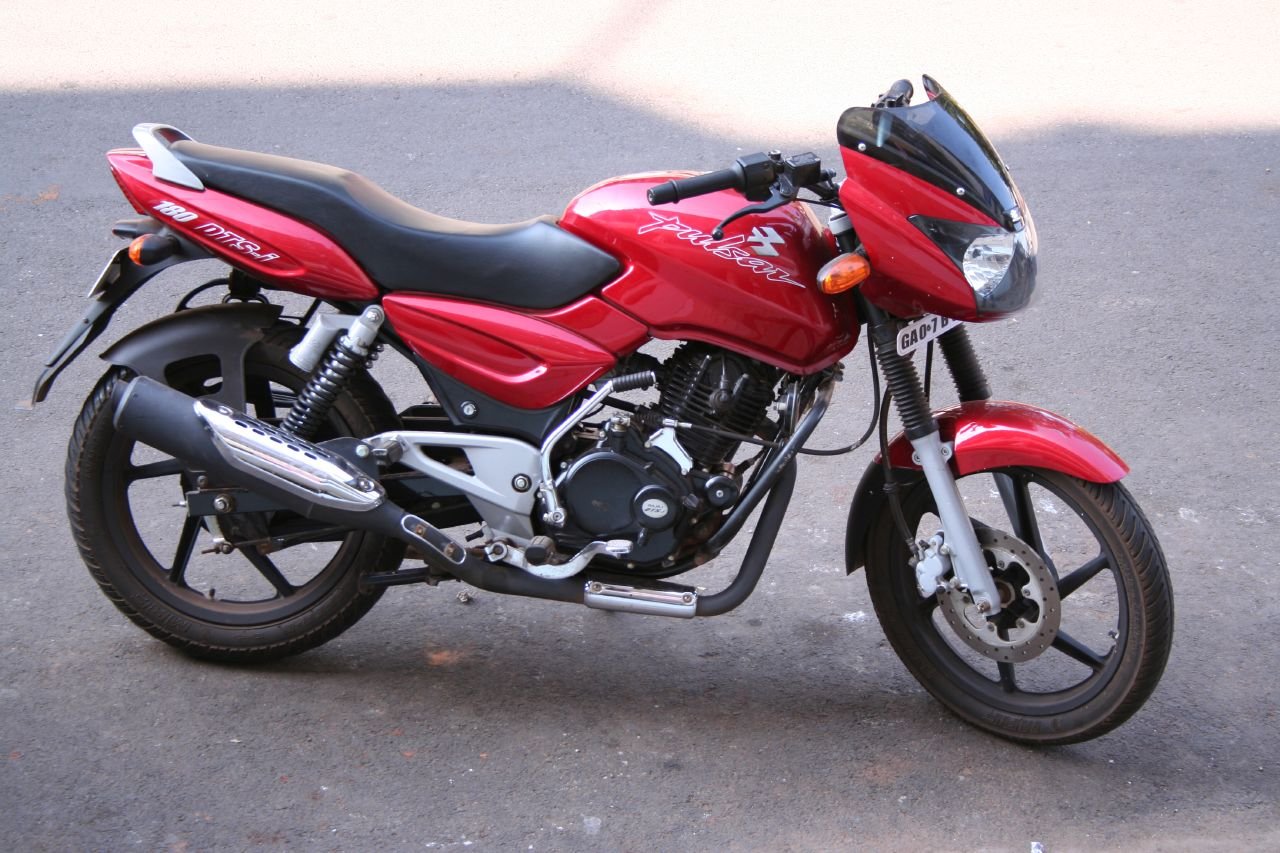
The original Pulsar 150 and 180 went on sale on 24 November 2001, at a time when Indian showrooms were dominated by simple, fuel-sipping commuters. The Pulsar was different. It came with a front disc brake, a tachometer and a longer wheelbase, features Indian riders barely associated with everyday motorcycles back then. A front disc brake gives far more stopping power and control than the drum brakes most commuters had, and having a tachometer, the dial that shows engine RPM (how fast the engine is spinning), signalled that this was a bike meant to be revved, not just ridden gently to work. The Indian Army even ordered 1,500 units early on, a real-world stamp of approval on its build quality.
From One Model to a Whole Segment
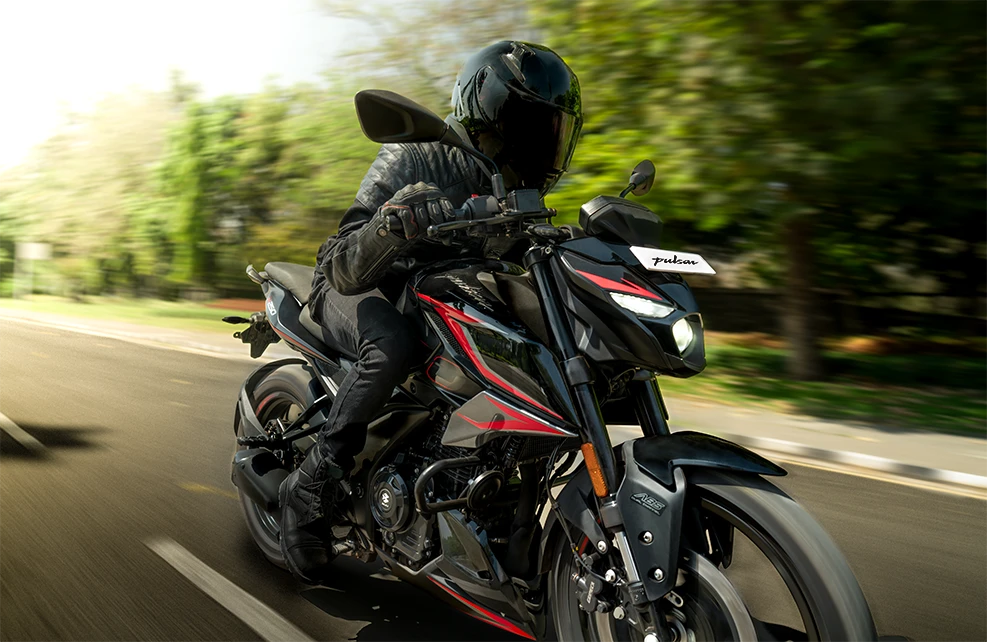
What began as a single twin has grown into a full family: the NS, AS, RS and now the N and F ranges, stretching from 125cc commuters to the 400cc NS400Z. Bajaj says the Pulsar has sold over 2 crore (20 million) units across more than 100 countries, and the nameplate alone still accounts for roughly two thirds of Bajaj’s domestic motorcycle sales. That is a rare thing in the Indian two-wheeler market: one 25-year-old badge still doing the heavy lifting for an entire company’s bike business.
Why the Anniversary Isn’t Just Nostalgia
Bajaj managing director Rajiv Bajaj has called 2026 “the year of the Pulsar,” and the company is backing that up with product, not just marketing. A next-generation Pulsar 125 was due in August 2026 with a new engine, revised chassis, a monoshock rear suspension (a single central shock absorber replacing the older twin-shock setup, which usually means better ride quality and cornering stability) and an updated electronics package, with a new-generation Pulsar Classic on a fresh platform expected to follow later in the year. Alongside the product push, Bajaj ran a global “My Pulsar Story” campaign through 4 September, inviting owners worldwide to share their riding stories on Instagram.
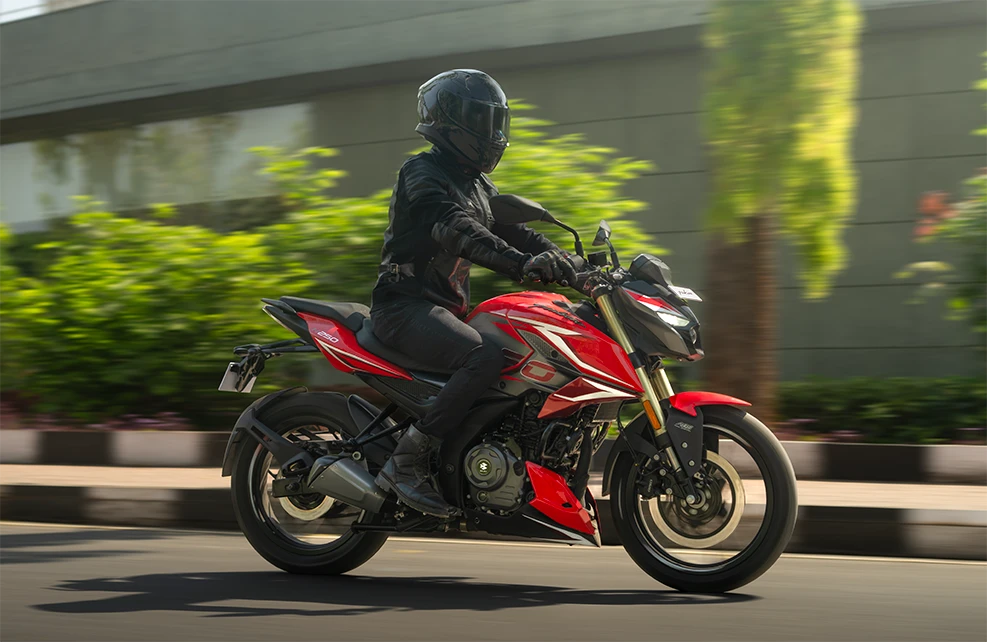
For a bike that basically invented India’s idea of a “fun” motorcycle, a full model refresh in its anniversary year is a bigger deal than another paint job. It is Bajaj betting that the Pulsar can still set the pace, not just live off its badge.
What This Means If You’re Shopping This Segment
If you are cross-shopping the 125 to 250cc space right now, the timing matters. Older Pulsar variants are likely to see fresh anniversary offers as dealers clear stock ahead of the new-generation models, while the incoming Pulsar 125 and Classic should bring genuinely updated hardware rather than a cosmetic refresh. At the top of the range, models like the Pulsar N250 remain worth a look if you want more performance without stepping up to a 300cc-plus bike. Twenty five years in, the Pulsar is still the bike most of India measures its two-wheelers against, and that is unlikely to change this year.