
























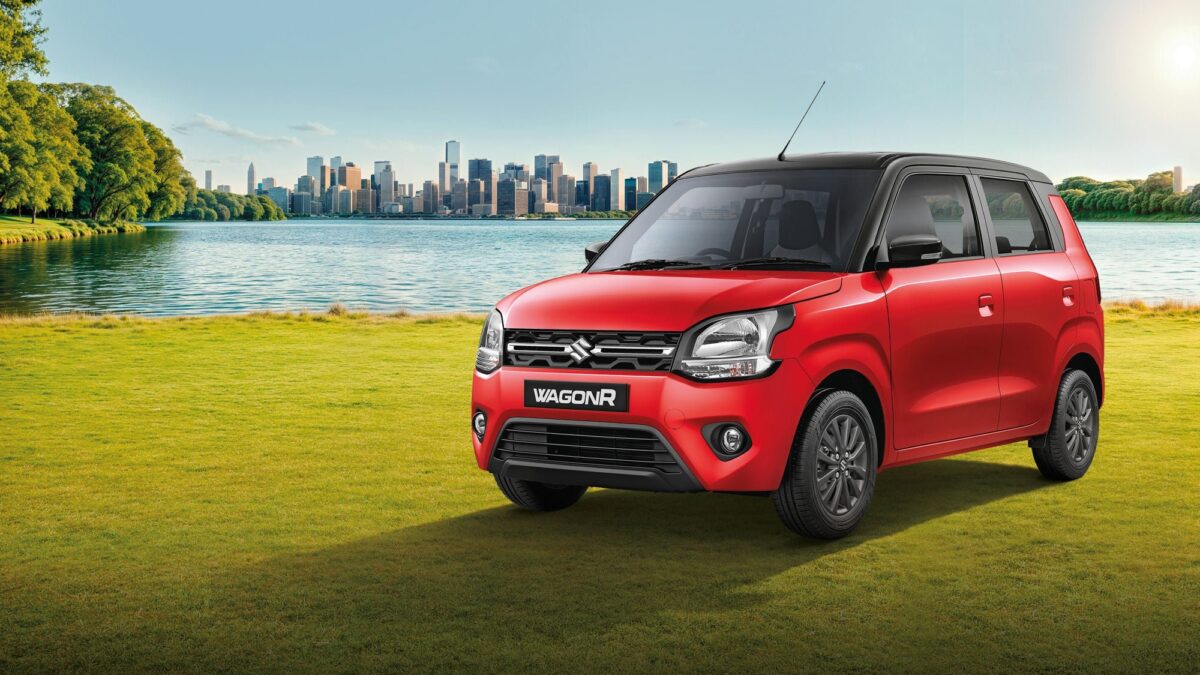
Five petrol hatchbacks in India clear a ₹10,000 monthly EMI in 2026, but only in their bare base trim, roll-up windows, no touchscreen, no alloys. The moment you add an automatic gearbox and the features you will actually want, three of the five blow past that number, one of them by over ₹6,000 a month. Here is exactly what each car costs on the road and what the loan math looks like, variant by variant.
The Five Cars, Base Variant, Under ₹10,000 a Month
The loan math below assumes a 20% down payment, 9.5% per annum interest and a 5-year (60-month) tenure, the terms most nationalised and private banks quote for a small-car loan in 2026. On-road price is estimated at roughly 12% over ex-showroom for RTO and first-year insurance in a metro city; this varies 8-18% by state, so treat it as a guide, not your exact number. Run your own city and bank rate through the Alto K10’s EMI calculator or the site’s general tools and calculators page before you sign anything.
| Car (base variant) | Ex-showroom | Est. on-road | Est. EMI/month |
| Maruti S-Presso LXI | ₹3.50 lakh | ₹3.92 lakh | ₹6,590 |
| Maruti Alto K10 STD | ₹3.70 lakh | ₹4.14 lakh | ₹6,960 |
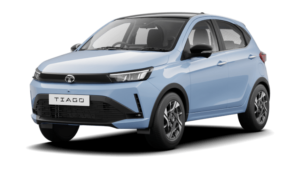
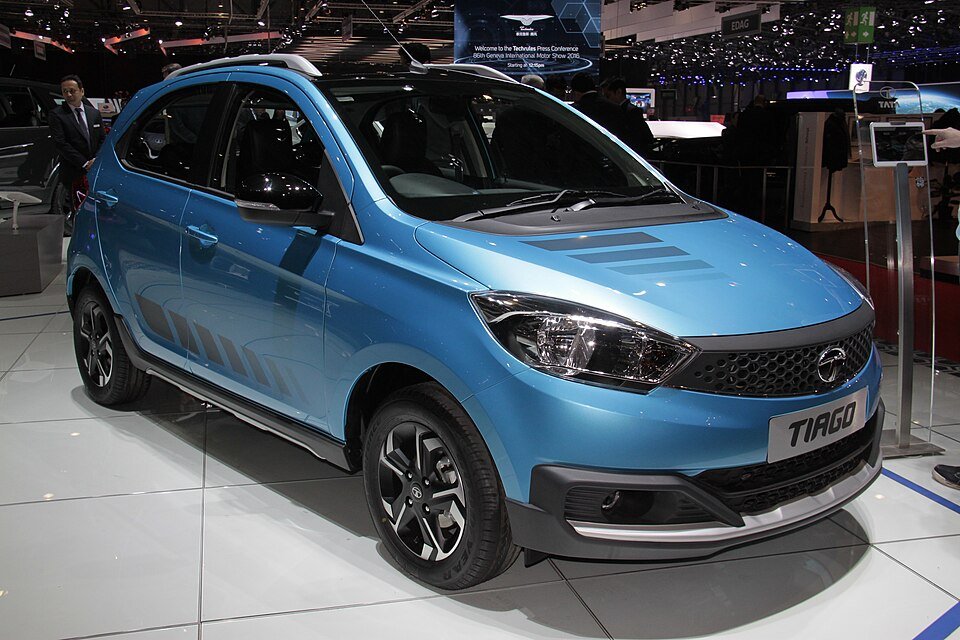
| Tata Tiago Smart | ₹4.77 lakh | ₹5.34 lakh | ₹8,980 |
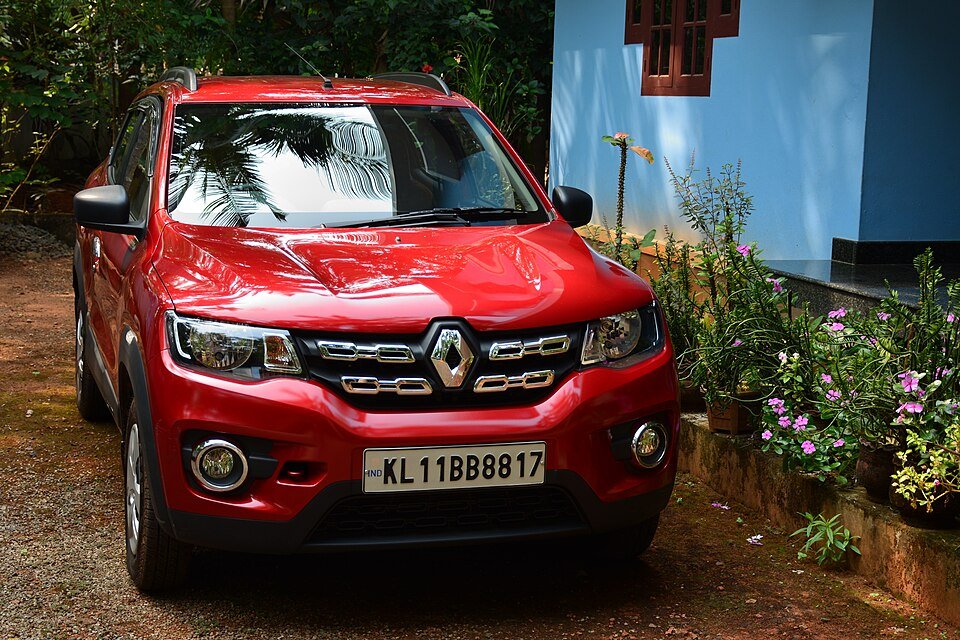
| Renault Kwid RXE | ₹4.53 lakh | ₹5.07 lakh | ₹8,520 |
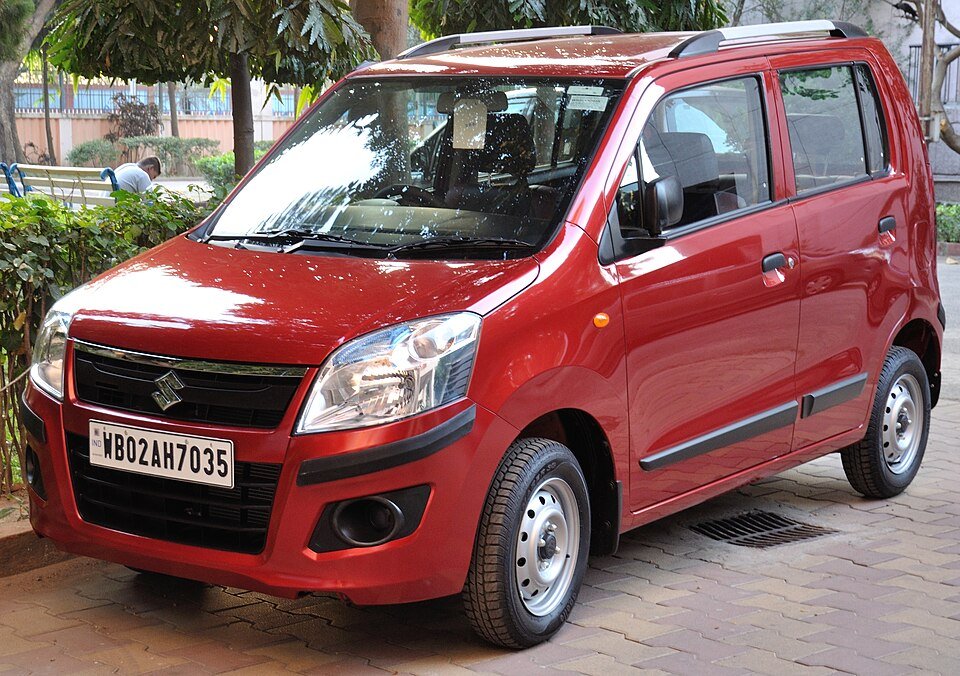
| Maruti WagonR LXI | ₹4.99 lakh | ₹5.59 lakh | ₹9,390 |
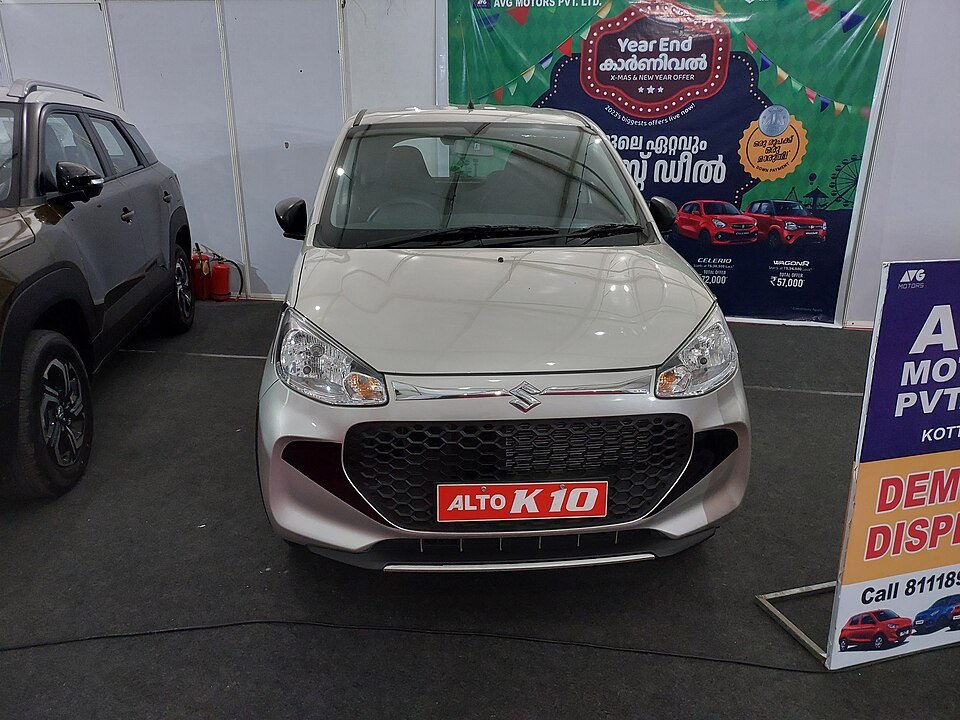
The S-Presso has the lowest EMI of the group at roughly ₹6,590 a month, and the Alto K10 is close behind at ₹6,960. Both are genuinely small inside: two adults up front are comfortable, but the rear bench and boot are tight for a family of four on a weekend drive. The Kwid and Tiago sit in the middle, and the WagonR’s base variant is the costliest of the five at ₹9,390 a month, still comfortably under the ₹10,000 line, for a car with noticeably more headroom and a bigger boot than the two Marutis above it, thanks to its tall-boy shape.
What Happens When You Add an Automatic Gearbox
Nobody actually wants the base variant. It skips the touchscreen, keeps manual door mirrors, and puts you in an AMT-less car in Indian city traffic, which is exactly where an automatic clutch earns its keep. Move up to the best-equipped AMT variant of each car and the EMI picture changes sharply.
| Car (top/AMT variant) | Ex-showroom | Est. on-road | Est. EMI/month |
| Maruti S-Presso VXI+ AGS | ₹5.27 lakh | ₹5.90 lakh | ₹9,920 |
| Maruti Alto K10 VXI+ AMT | ₹5.45 lakh | ₹6.10 lakh | ₹10,260 |
| Renault Kwid top AMT | ₹5.61 lakh | ₹6.28 lakh | ₹10,560 |
| Maruti WagonR ZXI+ AMT | ₹6.84 lakh | ₹7.66 lakh | ₹12,870 |
| Tata Tiago top AMT | ₹8.62 lakh | ₹9.65 lakh | ₹16,220 |
Only the S-Presso stays under ₹10,000 a month once you tick the automatic box, and only by a slim ₹80 margin. The Alto K10 and Kwid cross the line by roughly ₹250-550, still close enough that a slightly larger down payment pulls them back under. The WagonR and Tiago are a different story: their fully loaded variants add real equipment (six airbags on the Tiago’s top trim, a bigger touchscreen and cruise control), but the EMI jumps to ₹12,870 and ₹16,220 respectively, well outside the budget this guide is built around.
If ₹10,000 a month is your hard ceiling, the honest shortlist is the S-Presso, Alto K10 or Kwid in a mid-spec AMT trim, not the base variant and not the WagonR or Tiago’s best version.
Which One Should You Actually Buy
Buy the Maruti Alto K10 in the VXI (manual) trim. It is not the cheapest EMI on this list, the S-Presso is, but the K10 shares Maruti’s widest service network in the country, which matters more than a few hundred rupees a month when you are three years in and need a windshield replaced in a small town. The S-Presso’s raised ground clearance is genuinely useful on broken roads, but its resale value has consistently lagged the Alto K10’s in the used-car market. Skip the WagonR unless the extra cabin space is a real requirement for your family, because you are paying ₹2,400-3,600 more every month for it in this bracket. Cross-check the two side by side on the Alto K10 vs WagonR comparison tool before you decide which trade-off is worth it for your family.
The CNG Angle Most Buyers Ignore
Three of these five, the Alto K10, S-Presso and WagonR, are also sold with a factory-fit CNG kit. The Alto K10’s CNG variant runs ₹4.84-5.34 lakh ex-showroom, roughly ₹80,000-90,000 more than the equivalent petrol variant, which adds close to ₹1,700 to the monthly EMI on the same loan terms. What you get back is a running cost that is typically 45-55% lower per kilometre than petrol at current fuel and CNG station prices, a trade that pays for itself within two to three years for anyone doing more than 40 km a day. If most of your driving is short city hops, the extra EMI on the CNG kit is hard to justify; if you commute daily, it usually is.
Why the On-Road Price Looks Higher Than You Expected
All five of these cars got a real price cut when GST 2.0 kicked in, and then got more expensive again as Maruti, Tata and other makers raised prices through August and September to offset input costs, a pattern this site has tracked as it happened. The ex-showroom figures above are current as of late September 2026 and already reflect that back-and-forth, so the number you see at a dealership should be close to what is in this table, not the lower GST-2.0-only price some listings still show.
None of these five carries ADAS at any trim level, a feature now standard on pricier hatchbacks like the Baleno facelift’s top variant. If driver-assist safety features matter more to you than the lowest possible EMI, that is a genuine reason to stretch your budget rather than a flaw specific to any one of these cars.
Can I get a car loan with a lower down payment than 20%?
Yes, several banks and NBFCs finance up to 85-90% of the on-road price for a first-time buyer with a clean credit history. Your EMI will be higher than the figures in this guide, so recalculate before committing.
Does a 7-year loan tenure make more sense than 5 years for these cars?
It lowers your monthly EMI, but you pay meaningfully more total interest over the life of the loan, and on a car this cheap, a 5-year loan is usually the better trade unless your monthly budget genuinely cannot stretch further.
Is the cheapest EMI car always the best buy?
No. The S-Presso and Alto K10 have the lowest EMIs here, but the Alto K10 wins on service network reach and resale value, which matter more over a typical five-year ownership period than an EMI difference of a few hundred rupees.