





























FADA data puts EV car penetration at a record 8.5% for September, with Tata’s lineup, led by the Punch, taking 41% of the segment, but a price-hike warning matters more for festive buyers.
Electric cars crossed 8.5% of India’s new-car sales in September 2026, the highest monthly share the Federation of Automobile Dealers Associations (FADA) has recorded, and Tata Motors’ EV lineup alone took 41% of that segment. The number that matters more for anyone shopping this Dussehra and Diwali: FADA itself is warning that the price hikes automakers pushed through all year could quietly erode the affordability edge that got EV buyers here.
FADA collated the data from 1,468 of India’s 1,469 RTOs as of October 3 and published it on October 6-7. Passenger vehicle retail overall hit a record 4,27,213 units, up 32.10% year-on-year, though FADA flagged that the comparison is skewed by a weak September 2025, when buyers deferred purchases ahead of the GST 2.0 rollout. The cleaner read, FADA said, is the 4.69% month-on-month industry growth.
How Much Did EV Car Sales Actually Grow?
Every EV category grew in September, but not at the same pace, and the commercial vehicle number actually fell against August despite a huge year-on-year jump off a tiny base.
| Category | Sept 2026 units | Penetration (Sept) | Penetration (Aug) | Penetration (Sept 2025) |
| Two-wheelers | 2,07,314 | 11.6% | 10.7% | 8.2% |
| Passenger vehicles | 36,108 | 8.5% | 7.6% | 5.7% |
| Three-wheelers | 86,024 | 64.9% | 65.3% | 56.7% |
| Commercial vehicles | 4,188 | 4.04% | 5.18% | 2.16% |
The passenger-vehicle number is the one worth sitting with: EV penetration has nearly risen from one in 18 cars sold a year ago to roughly one in 12 now, and it kept climbing even as overall car demand hit a festive-season record, which is exactly when buyers tend to default to the safest, most familiar choice. That did not happen this year.
Tata’s EV Lineup Is Carrying the Boom
Brand-wise, FADA’s numbers show a clear order, and it is not close at the top.
| Brand | EV units, Sept 2026 | Approx. share of EV cars |
| Tata Motors Passenger Vehicles | 14,791 | 41.0% |
| Mahindra & Mahindra | 7,780 | 21.5% |
| JSW MG Motor India | 5,242 | 14.5% |
| VinFast | 2,964 | 8.2% |
| Kia | 1,262 | 3.5% |
| Maruti Suzuki | 1,104 | 3.1% |
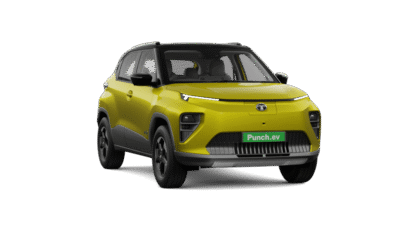
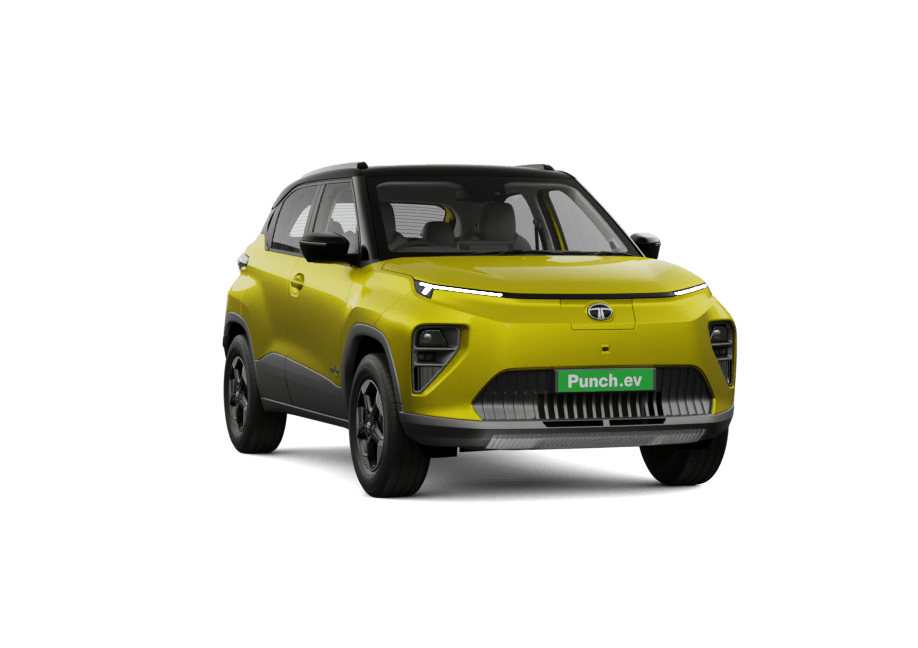
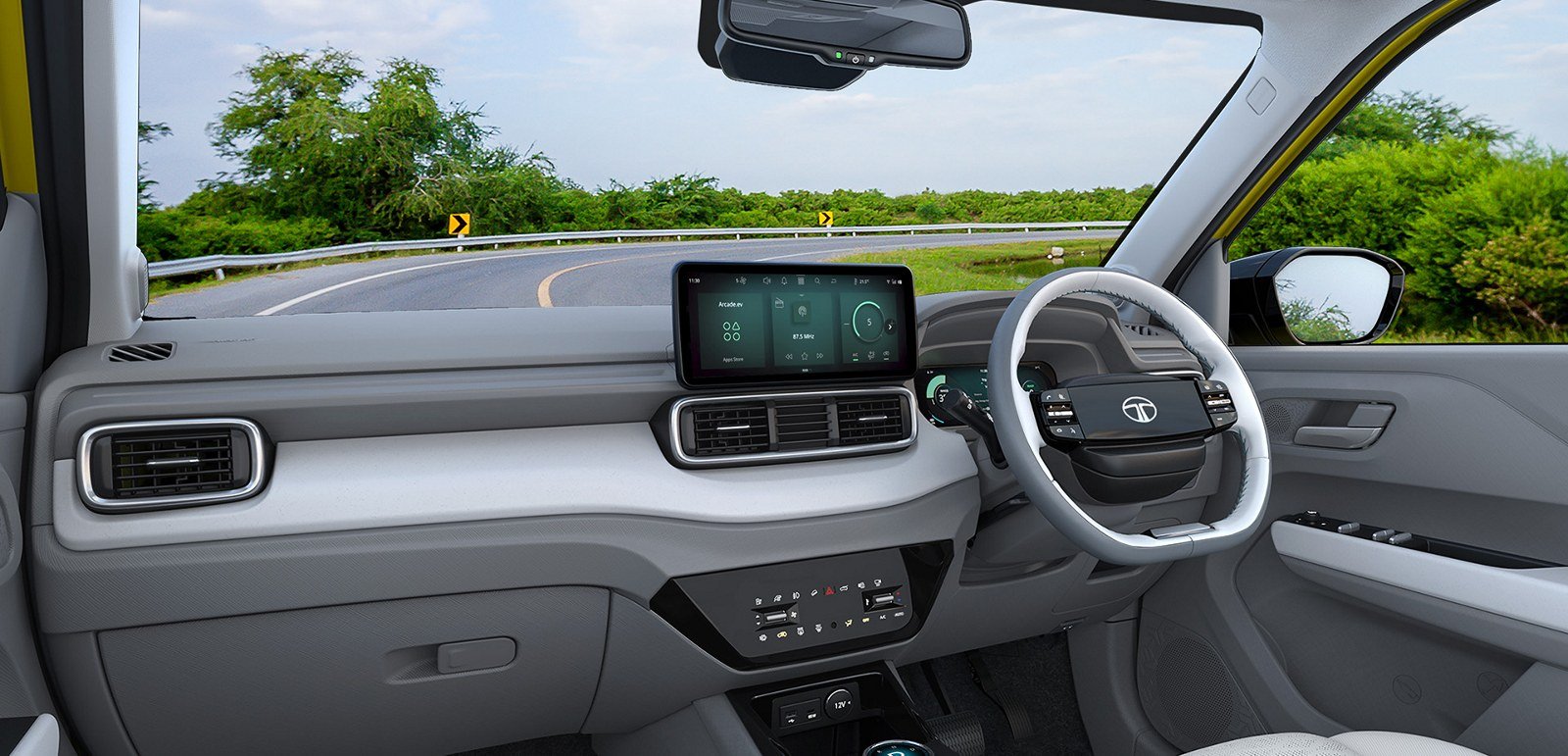
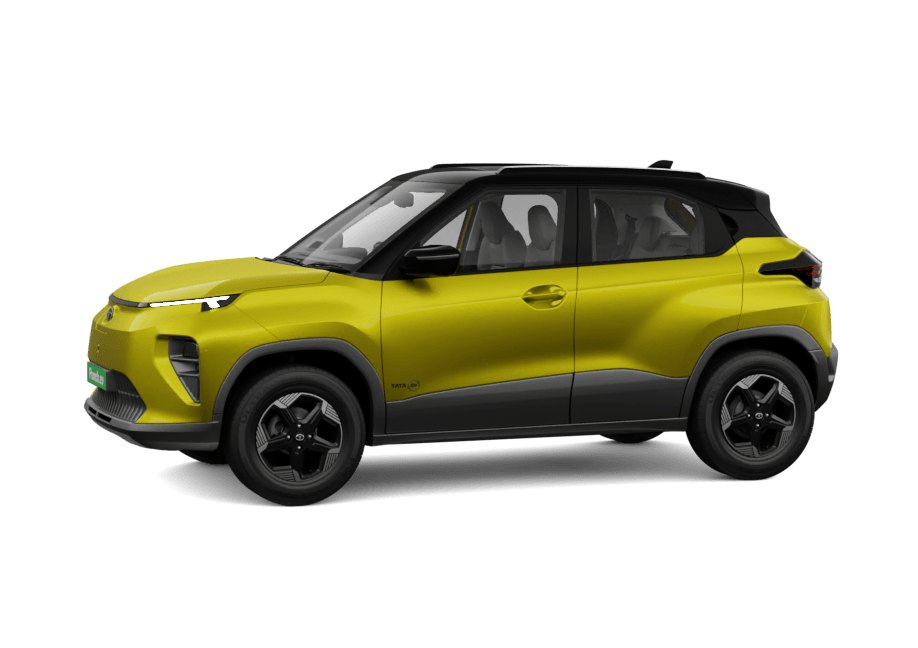
Business Today, citing the same FADA data, credits Tata’s compact Punch EV for doing much of the lifting inside that 41%, alongside the Nexon EV. The Punch EV is Tata’s cheapest electric car, ex-showroom from ₹9.79 lakh to ₹12.99 lakh across six variants, and The Spec’s own city price page puts the base Smart 30 at ₹10.27 lakh on the road in Mumbai, with Maharashtra charging zero road tax on EVs right now. On 20% down over five years at 9.5% interest, that works out to about ₹17,253 a month, by the same page’s calculator.

Which Variant Is Actually Worth Buying
Skip the base Smart 30 and Smart+ trims if the budget stretches: the step to the 40 kWh battery costs ₹1.4 lakh over the cheapest variant but roughly doubles usable range. The Empowered+ S 40, Tata’s own best-value pick on our data, adds just ₹30,000 over the Empowered 40 for a lifetime battery warranty and the longer-range pack, at ₹12.99 lakh ex-showroom.
Tata claims 365-375 km on the 30 kWh pack and 468 km on the 40 kWh pack, both ARAI figures. Tata’s own C75 real-world estimate, not an independent test, puts actual range closer to 260-275 km on the smaller battery and 335-355 km on the larger one. No independent instrumented test of the Punch EV’s real-world range has been published yet, so treat even Tata’s own real-world number as the company’s estimate, not a verified figure.
The Catch: FADA’s Own Price-Hike Warning
FADA’s president was blunt about what is actually driving this cycle: “affordability remains the single engine.” That affordability came from the GST 2.0 cuts that landed in September 2025. Since then, Tata alone has raised prices three separate times in 2026, most recently by up to ₹25,000 from September 1, as we reported at the time, with Hyundai and Maruti following with their own hikes the same week.
FADA’s own release flags this directly: further price increases through the rest of 2026 risk eating into the GST-driven affordability that is powering the current demand. Dealer inventory has also built up to 43-45 days of stock, well above FADA’s 21-day healthy benchmark, which usually means dealers are more open to negotiating than the headline sales number suggests.
The record is real, but it is a GST-cut record, not a new-normal record. Every price hike from here spends down the same discount that created it.
Should You Buy an EV This Festive Season?
If the budget was already EV-shaped, the data backs buying now rather than waiting: penetration is climbing month on month, not spiking and fading, and high dealer stock plus festive schemes usually means better bargaining room than you will get once inventory clears in November. If price is the only reason you are considering an EV over petrol or CNG, know that CNG’s own share actually slipped to 23% in September from 25% in August, while EVs gained, which suggests some of that swing is genuine cross-shopping, not just EV buyers who were always going to buy electric anyway.
For anyone still comparing the two EV brands actually competing on volume, Tata’s Punch EV and Mahindra’s rival compact electric SUV sit close enough in price to warrant a straight look: see the Mahindra XUV 3XO EV against the Punch EV, version for version. Shoppers casting a wider net can also browse every electric car under ₹20 lakh on sale right now.
Is now a good time to buy an EV in India?
For passenger EVs, yes, by the data: penetration rose for the third straight month through September and dealer stock is high enough that discounts and festive schemes are easier to negotiate. The risk is further manufacturer price hikes, which FADA itself has flagged as the thing to watch into year-end.
Which brand sold the most electric cars in India in September 2026?
Tata Motors Passenger Vehicles, with 14,791 EV registrations, about 41% of all electric cars sold that month, according to FADA data. Mahindra was second with 7,780 units, and JSW MG Motor third with 5,242.
Why did CNG car sales share fall in September 2026?
FADA’s data shows CNG’s share of passenger vehicles slipping to 23% in September from 25% in August 2026, while EV share rose to 8.5% from 7.6% in the same period, suggesting some buyers who might have picked CNG are now cross-shopping electric instead.