























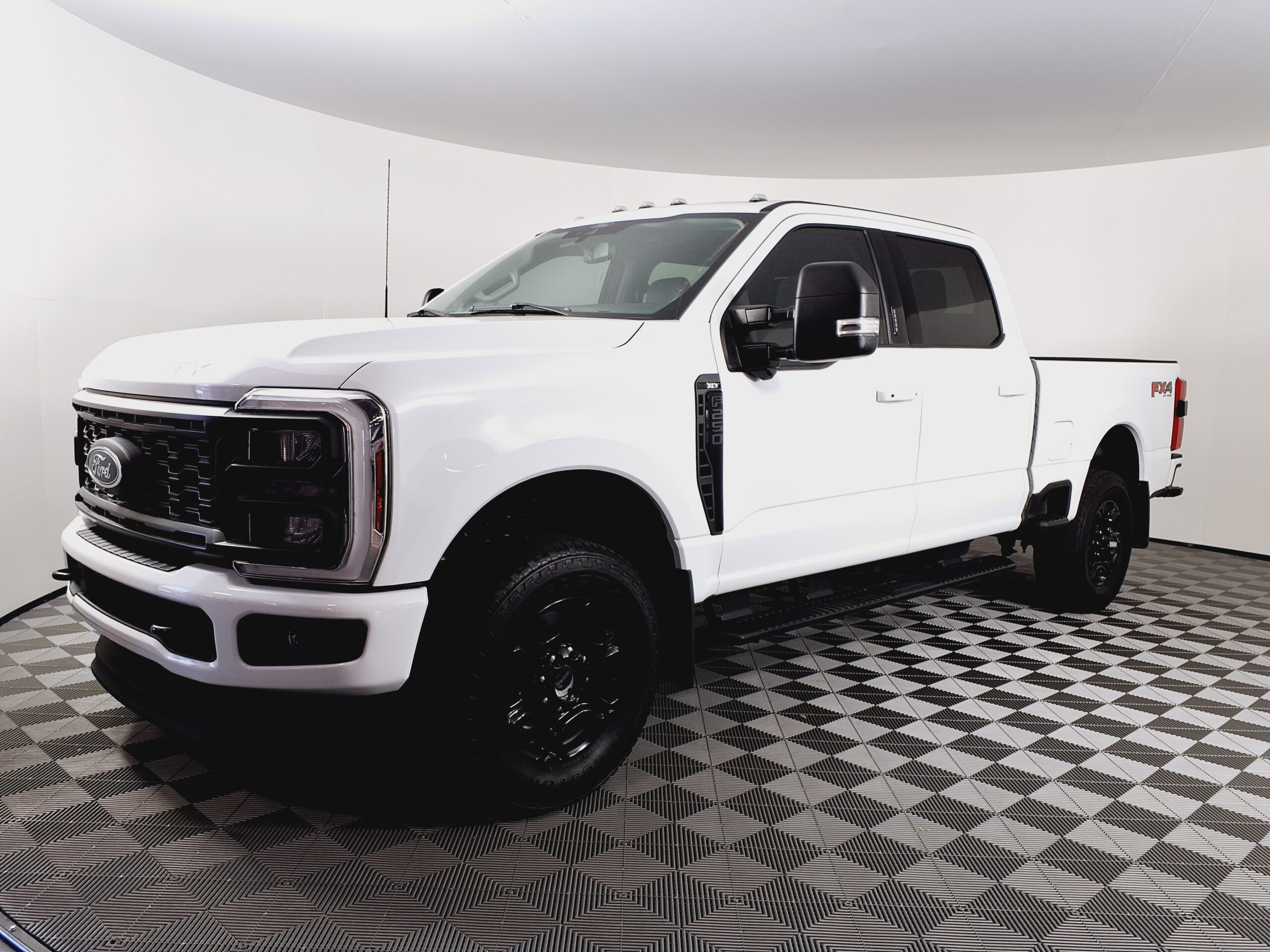
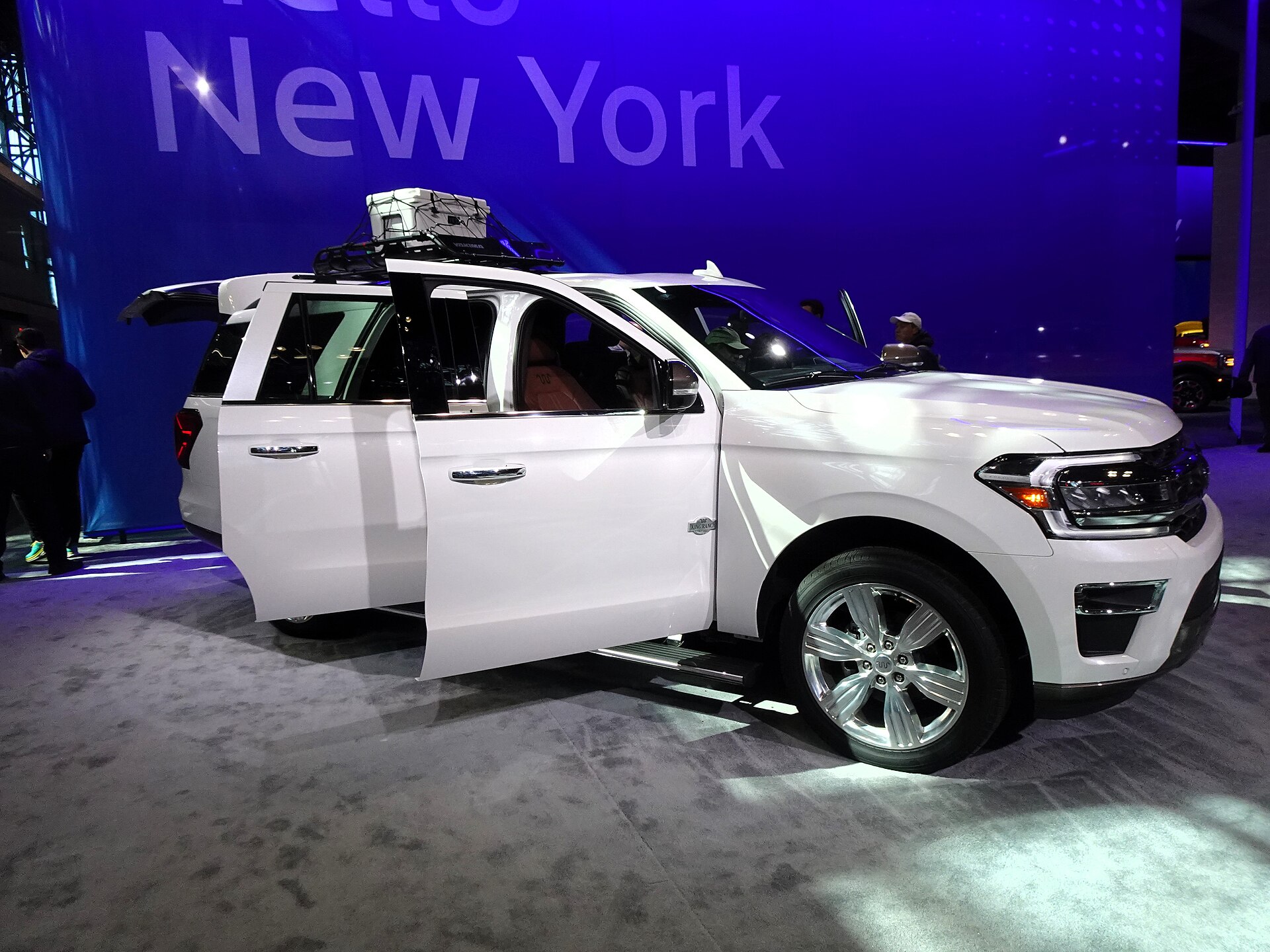
Ford is spending a billion dollars to build a new paint shop, and the timing could not be louder. On September 10, the company announced it will replace the entire paint operation at its Kentucky Truck Plant in Louisville, the single factory that builds every Ford Super Duty pickup, the Ford Expedition, and the Lincoln Navigator. It landed just two days after the US Department of Transportation went public with a letter accusing Ford of getting too close to Chinese battery and manufacturing partners, a fight we covered here when it knocked 4.2% off Ford’s stock in a single day. Ford’s first response to Secretary Sean Duffy was a strongly worded statement. Its second response is a billion dollars of concrete and steel in the American Midwest, a much harder thing to argue with.
Why should you care if you will never own a Super Duty or a Navigator? Because this is what an automaker looks like when it fights a political argument with actions instead of words, at arguably the single most important factory Ford owns anywhere in the world.

What a Billion Dollars Buys You in a Paint Shop
A paint shop is exactly what it sounds like, but bigger and far more expensive than most people imagine. It is the part of a car factory where every body gets dipped in anti-corrosion chemical baths, primed, sprayed with color coat, then clear coated, all before it ever sees an engine, a seat, or a wiring harness. It is one of the most capital intensive and heavily regulated stages of building a car, thanks to the solvents and emissions involved, which is why tearing one out and rebuilding it costs real money instead of pocket change.
Ford says the new shop will modernize the paint process, improve build quality, and cut emissions from the old operation, with groundbreaking expected before the end of 2026. That is a serious commitment to a plant already doing serious work: Kentucky Truck Plant employs roughly 11,500 people, making Ford the largest automotive employer in the state, and Ford describes it as its highest-revenue manufacturing site anywhere. The line moves fast enough that a finished truck or SUV rolls off it roughly every 45 seconds.
The Timing Is Not an Accident
Here is what makes this more than a routine factory upgrade. Duffy’s letter, sent to CEO Jim Farley earlier this month and made public on a Tuesday, accused Ford of “intentionally” deepening dependence on Chinese suppliers: CATL battery chemistry licensed for its Marshall, Michigan plant, a joint factory Ford runs with Chinese automaker Geely in Spain, and talks with BYD about hybrid parts. Ford called the letter “wrongheaded” within hours, and Kentucky outlets covering the paint shop event report that chief communications officer Mark Truby dismissed the pressure again on stage, calling it a distraction from Ford’s actual American manufacturing record.
That record is exactly what Ford put on display in Louisville. Kentucky Governor Andy Beshear joined the announcement, and Louisville Mayor Craig Greenberg called it “a vote of confidence in our city.” Farley leaned into the same message: “These investments demonstrate our confidence in Kentucky’s workforce, our commitment to American manufacturing, and our belief that the future of mobility and energy will be built right here in the United States.” A governor and a mayor do not show up two days after a hostile federal letter by accident.
It’s Part of a Much Bigger Kentucky Bet
The paint shop is not a one-off. It is the third piece of a Kentucky push tied to a state incentive package worth up to $578 million in tax breaks, in exchange for keeping close to 12,000 manufacturing jobs in the state.
| Project | Investment | What It Does | Timeline |
| Kentucky Truck Plant paint shop | $1 billion | Replaces the paint operation for Super Duty, Expedition and Navigator | Groundbreaking by end of 2026 |
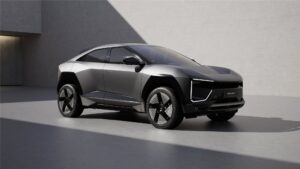
| Louisville Assembly Plant retool | $2 billion | Converts the plant to build the Ford Fathom electric pickup | Production starts 2027 |
| Ford Energy Systems, Glendale | $2 billion | New battery storage manufacturing facility, over 2,100 jobs | Production late 2027 |
Add it up and Ford has committed roughly $5 billion in fresh Kentucky spending in a single year. That is not the behavior of a company quietly planning to lean on China. It is a company betting a meaningful chunk of its future truck, SUV and EV production on one American state, timed to be impossible for Washington to ignore.
What This Actually Means Going Forward
None of this makes the underlying China question disappear. Ford still licenses CATL’s lithium iron phosphate battery chemistry, a cheaper and more durable battery type than the nickel-based cells most EVs use, and it has not ruled out further Chinese partnerships that could draw fresh scrutiny from a White House three weeks from a summit with Xi Jinping. But the Kentucky announcement changes the shape of the argument. Instead of just contesting Duffy’s letter point by point, Ford is pointing at 11,500 paychecks in Louisville and asking critics to explain how that is not American manufacturing.
It also matters for anyone tracking where Ford’s real money goes in 2026. Super Duty trucks are among the most profitable vehicles Ford builds anywhere, and this investment protects that cash machine rather than letting an aging paint process become a bottleneck or a quality risk. Expect rivals like GM and Stellantis, both leaning on their own “buy American” messaging in the same tariff climate, to feel pressure to match this kind of visible domestic reinvestment.

The verdict: this is not really a story about paint. It is Ford answering a political attack with the one currency Washington cannot easily dismiss: thousands of real jobs at its most profitable factory, timed and staged for maximum effect.
Neither the Super Duty, Expedition nor Navigator is sold in India, and Ford exited India’s passenger vehicle market in 2021, so there is no direct India angle here. What it does confirm is a pattern worth watching: as Chinese automakers keep breaking their own export records, Western manufacturers are increasingly forced to fight that competition on two fronts at once, in the market and in Washington.