





















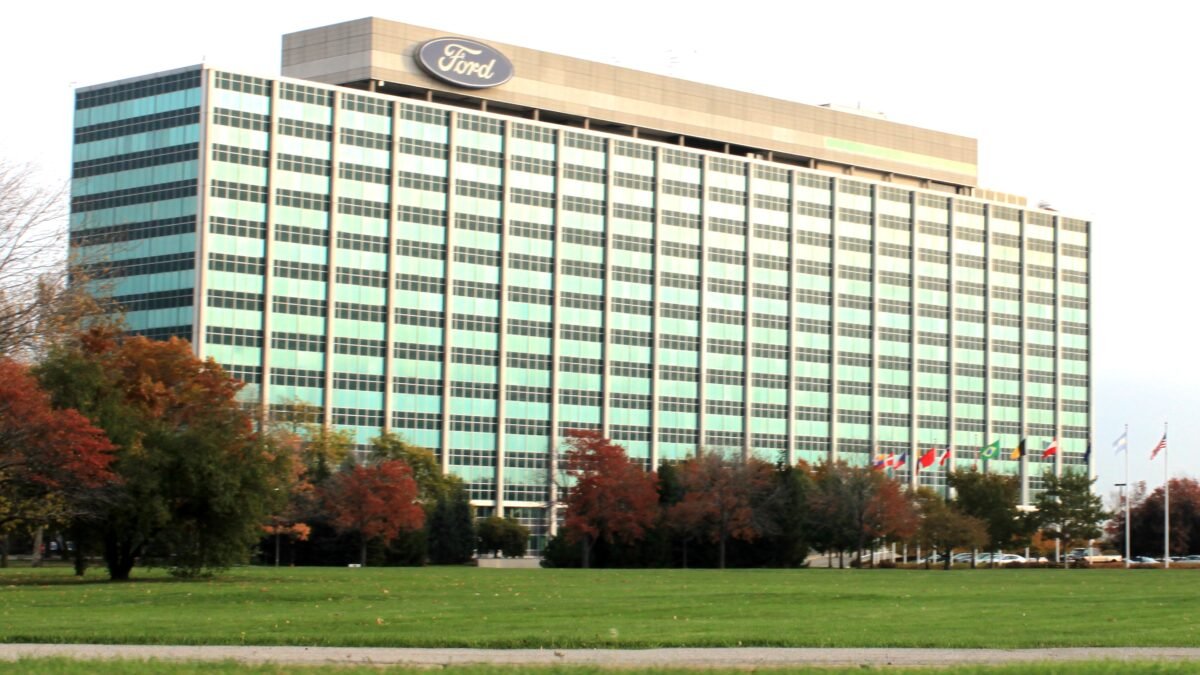
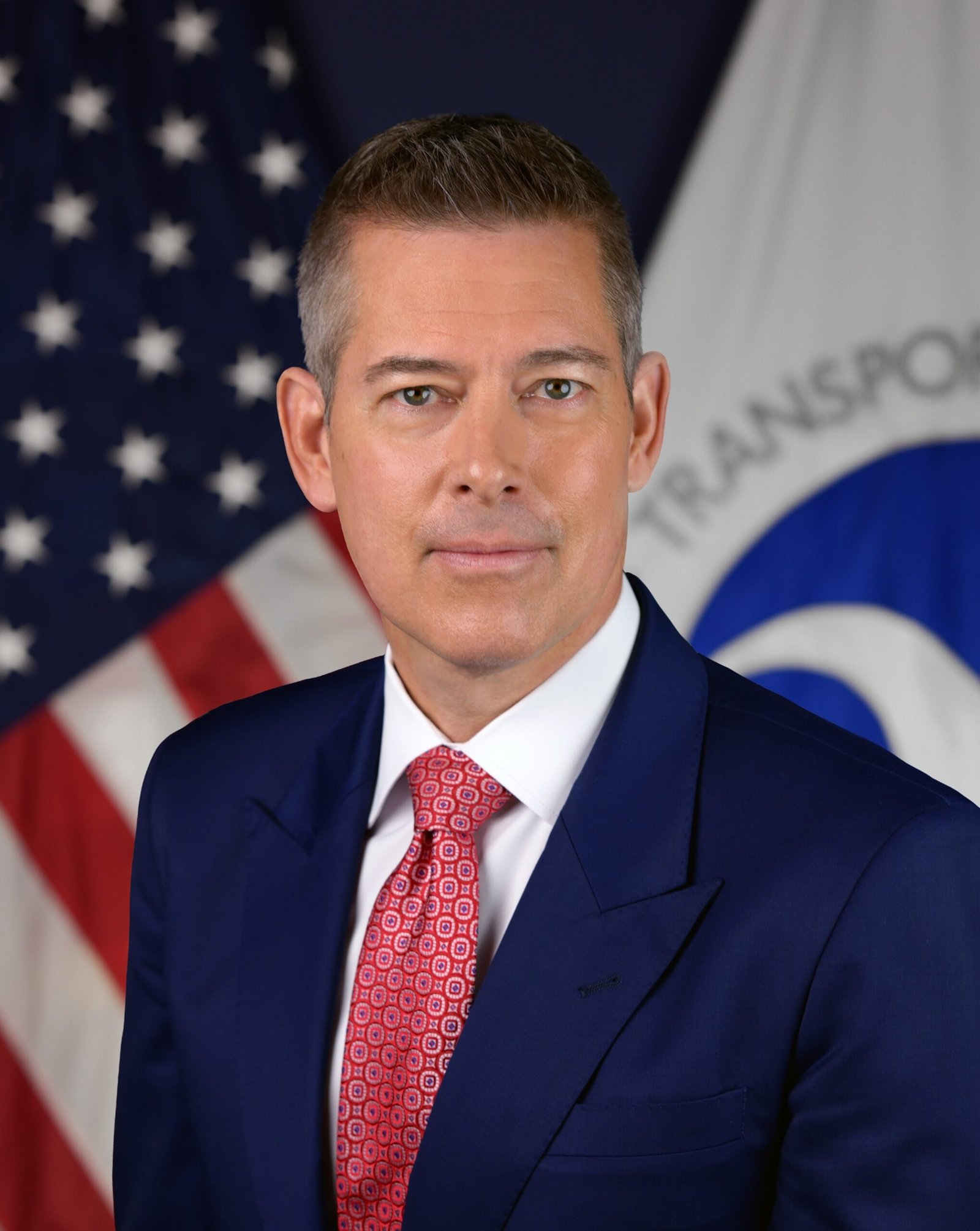
Ford lost 4.2% of its stock value on Tuesday after the US Department of Transportation made public a letter from Secretary Sean Duffy accusing the automaker of getting too close to Chinese battery and manufacturing partners. Ford hit back within hours, calling the letter “wrongheaded.” The fight mattered because it landed three weeks before Donald Trump was due to sit down with Xi Jinping in Washington, and because every automaker building EVs today, not just Ford, leans on Chinese battery chemistry to some degree.
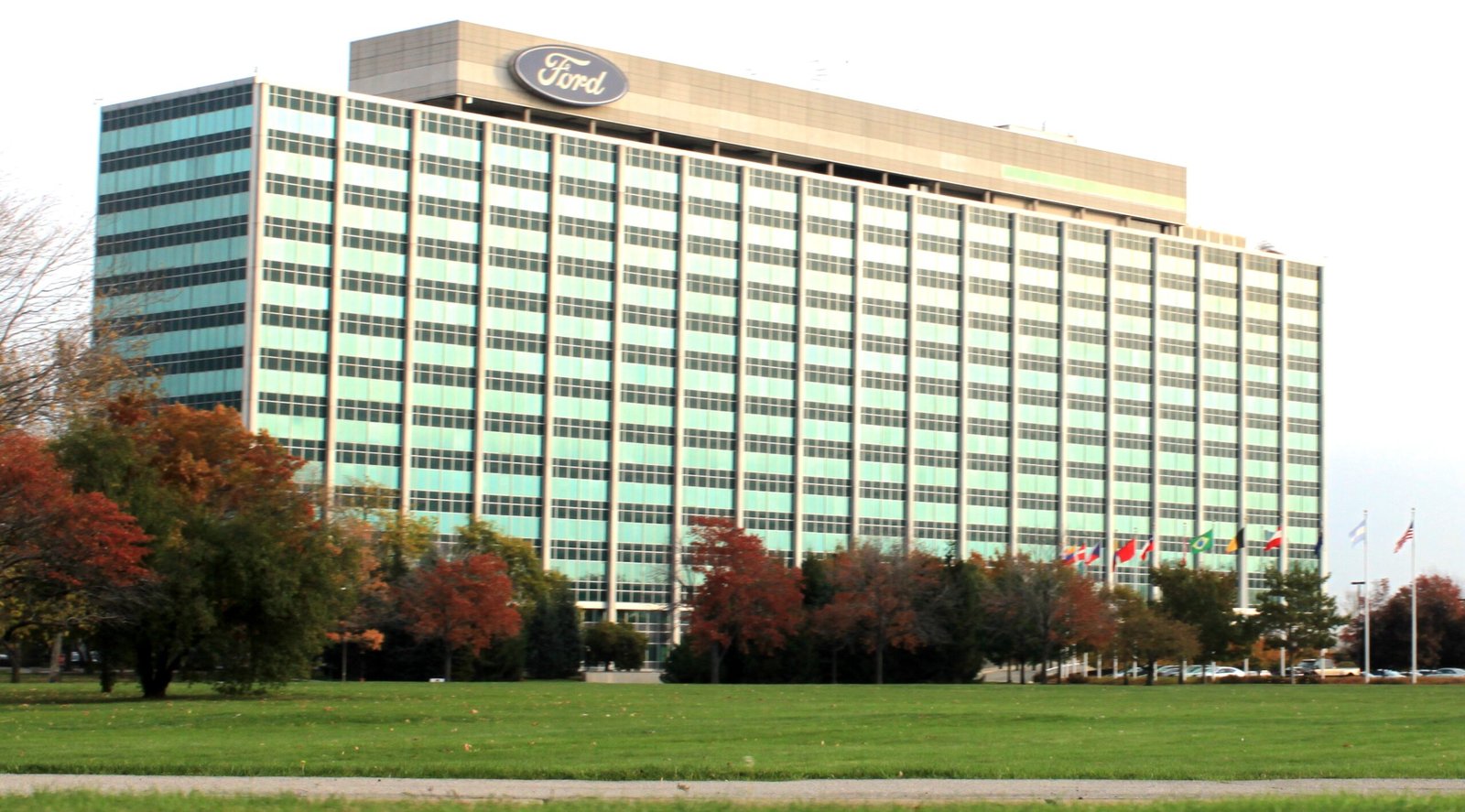
What Duffy’s Letter Actually Says
In a letter addressed to Ford CEO Jim Farley, Duffy said he had “profound concern” about Ford’s commercial ties to Chinese firms. His letter, sent earlier in September and released publicly days later, pointed to four specific things. First, Ford’s BlueOval Battery Park in Marshall, Michigan, a $3 billion, nearly 1.8 million square foot plant that makes lithium iron phosphate (LFP) batteries, a cheaper, more durable battery chemistry than the nickel-based cells most EVs use today, runs on technology licensed from Chinese battery giant CATL. Second, Ford builds cars at a joint factory with Chinese automaker Geely in Valencia, Spain. Third, Ford has held talks with BYD, the world’s biggest EV maker, about sourcing hybrid components. Fourth, and most seriously, Duffy alleged Farley pitched a framework at the Detroit Auto Show to help Chinese automakers set up joint ventures on American soil, and separately criticized Ford for delaying the move of Lincoln production out of China until 2030.
Duffy’s central line: “When a company intentionally chooses to deepen operational dependencies on strategic competitors, it fails to act as the reliable partner the American public and this DOT require.”
Ford’s Response: “A Wrongheaded Attempt to Capture Headlines”
Ford didn’t sit on this one. Its statement called Duffy’s letter “a wrongheaded attempt to capture headlines at the expense of a company that has done more for American manufacturing than virtually any other in the nation’s history.” On the specifics, Ford said the Marshall plant has already created 1,700 American jobs, and that the CATL arrangement is “a limited technology licensing and services agreement, not a joint venture or foreign owned manufacturing operation,” meaning Ford owns and runs the plant outright, it just pays to use CATL’s chemistry know-how. Ford also flatly denied proposing any US-China joint venture framework at Detroit.
The Stock Drop Wasn’t All About the Letter, and the White House Isn’t United Either
Ford shares fell 4.2% on Tuesday, but a chunk of that slide had already started before the letter went public, driven by a jump in oil prices that weighs on all automaker stocks. The shares clawed back some ground on Wednesday. What’s more telling is that the administration doesn’t seem to agree with itself. Republican lawmakers piled on Duffy’s side, but on Wednesday night the White House’s own Rapid Response account posted that Ford is a “GREAT American company” that has “done a tremendous job on increasing investments domestically and shoring production back to the US,” which is close to the opposite of what Duffy argued 24 hours earlier. Commerce Secretary Howard Lutnick had praised some of these same moves just weeks before Duffy’s letter went out.
The real story isn’t whether Ford broke a rule, there’s no rule here to break. It’s that Washington can’t agree on whether a US automaker leaning on Chinese battery tech to build cheaper EVs is smart business or a national security risk, and Ford got caught in the middle of that argument three weeks before Trump sits across from Xi.
Why This Is Bigger Than Ford
Every automaker chasing an affordable EV runs into the same wall Ford just did. LFP battery chemistry, the kind that skips expensive nickel and cobalt and holds up better over thousands of charge cycles, is a Chinese-dominated field. CATL alone controls roughly a third of global battery production. Tesla, GM and just about everyone else building a sub-$40,000 EV either buys Chinese cells outright or licenses Chinese chemistry the way Ford has. Duffy’s letter is really asking a bigger question that Washington hasn’t settled: can American EVs get genuinely cheap without Chinese battery knowledge, and if not, how much of that dependency is the government willing to tolerate.
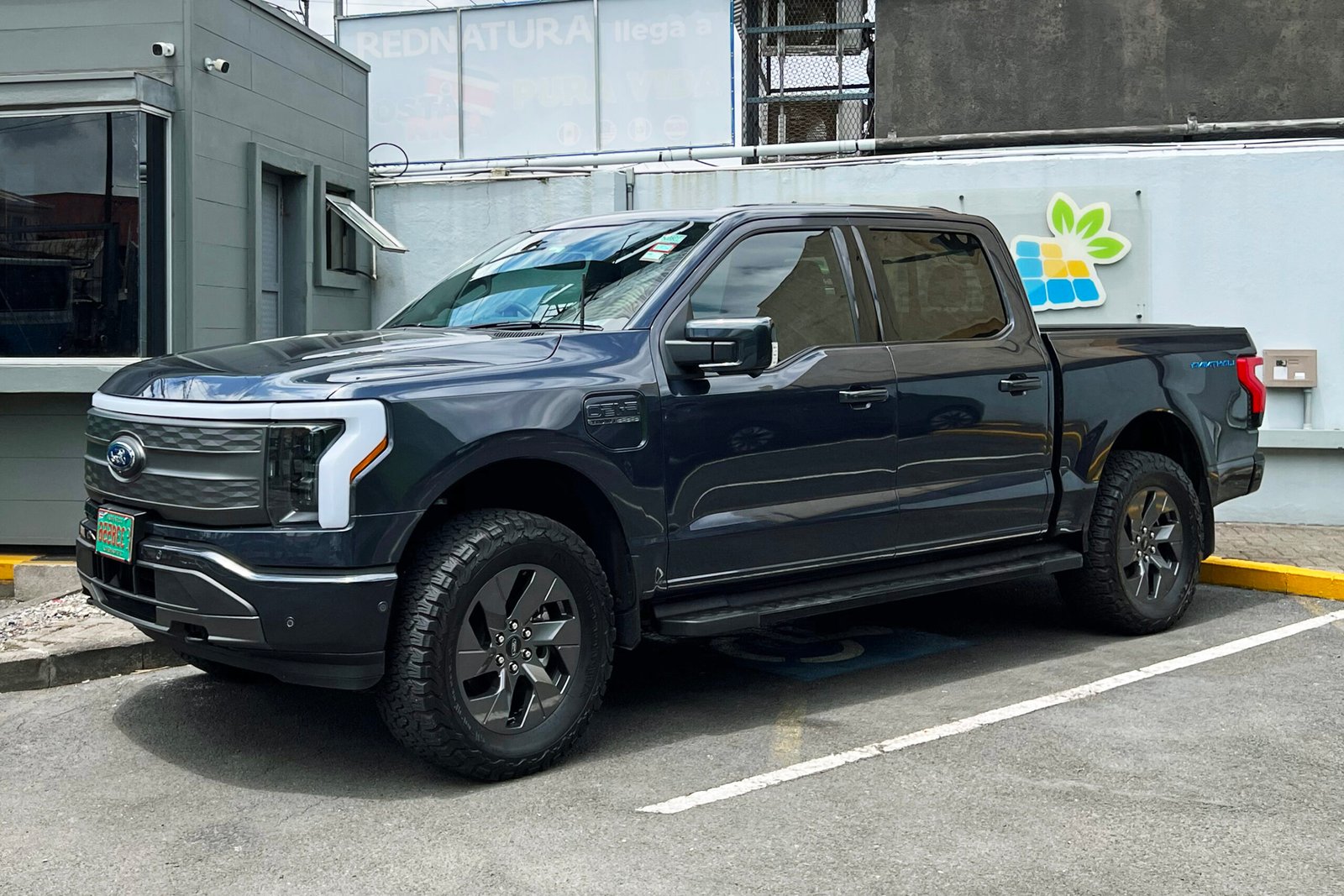
This particular fight has no direct bearing on Indian roads. Ford stopped selling passenger cars here in 2021 and has no showroom presence to protect. But the underlying dilemma is one India’s own EV industry is wrestling with too. The government’s PLI-ACC scheme for domestic battery cell manufacturing exists precisely because Indian companies face the same choice Ford does: license faster and cheaper by working with Chinese cell makers, or build the chemistry knowledge in-house and move slower. Ola Electric, Tata and others have all had versions of this conversation with their own suppliers. Watching how hard Washington is willing to push Ford over it is a useful preview of arguments India’s own EV makers will keep having.
What Happens Next
Nothing in Duffy’s letter carries legal force. It’s a warning, not a regulation, and Ford hasn’t announced any change to the Marshall plant, the Geely partnership in Spain, or the Lincoln production timeline in China. But letters like this rarely stay symbolic for long, especially with a Trump-Xi meeting on the calendar for September 24 where trade and technology were explicitly on the agenda. If Washington follows through with actual restrictions on licensed Chinese battery tech, the fallout won’t stop at Ford. It would hit every automaker racing to build an EV Americans can actually afford, and the ripple would reach battery suppliers and automakers well beyond Detroit, India included.