


























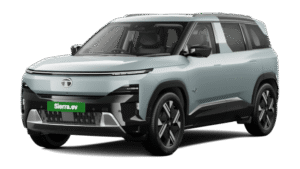








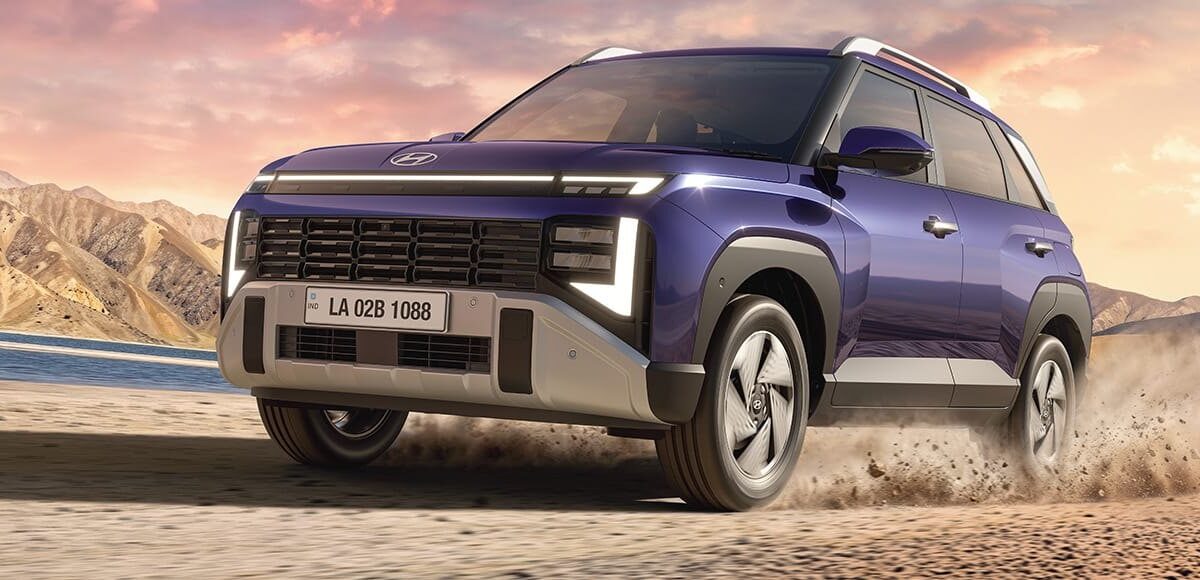
Hyundai is raising prices by up to 1% across its entire India lineup from September 1, 2026, joining Tata Motors (up to ₹25,000, also from September 1) and Maruti Suzuki (up to ₹30,000, already live since August) in a three-way wave of hikes. On the popular variants, that works out to roughly ₹250 to ₹330 extra a month on a typical 7-year car loan, real money, but not a reason to rush into a booking you have not actually decided on.
All three companies are blaming the same thing: rising input and commodity costs, foreign exchange volatility, and margins that are already thin after this year’s GST 2.0 cuts were passed on to buyers. The Spec’d has covered Tata’s September 1 hike and Maruti’s August increase separately as they landed. This piece puts Hyundai’s numbers on the table and does the actual EMI math across all three, so you know whether booking this week changes anything real.
What Changes on Your Hyundai Booking From September 1
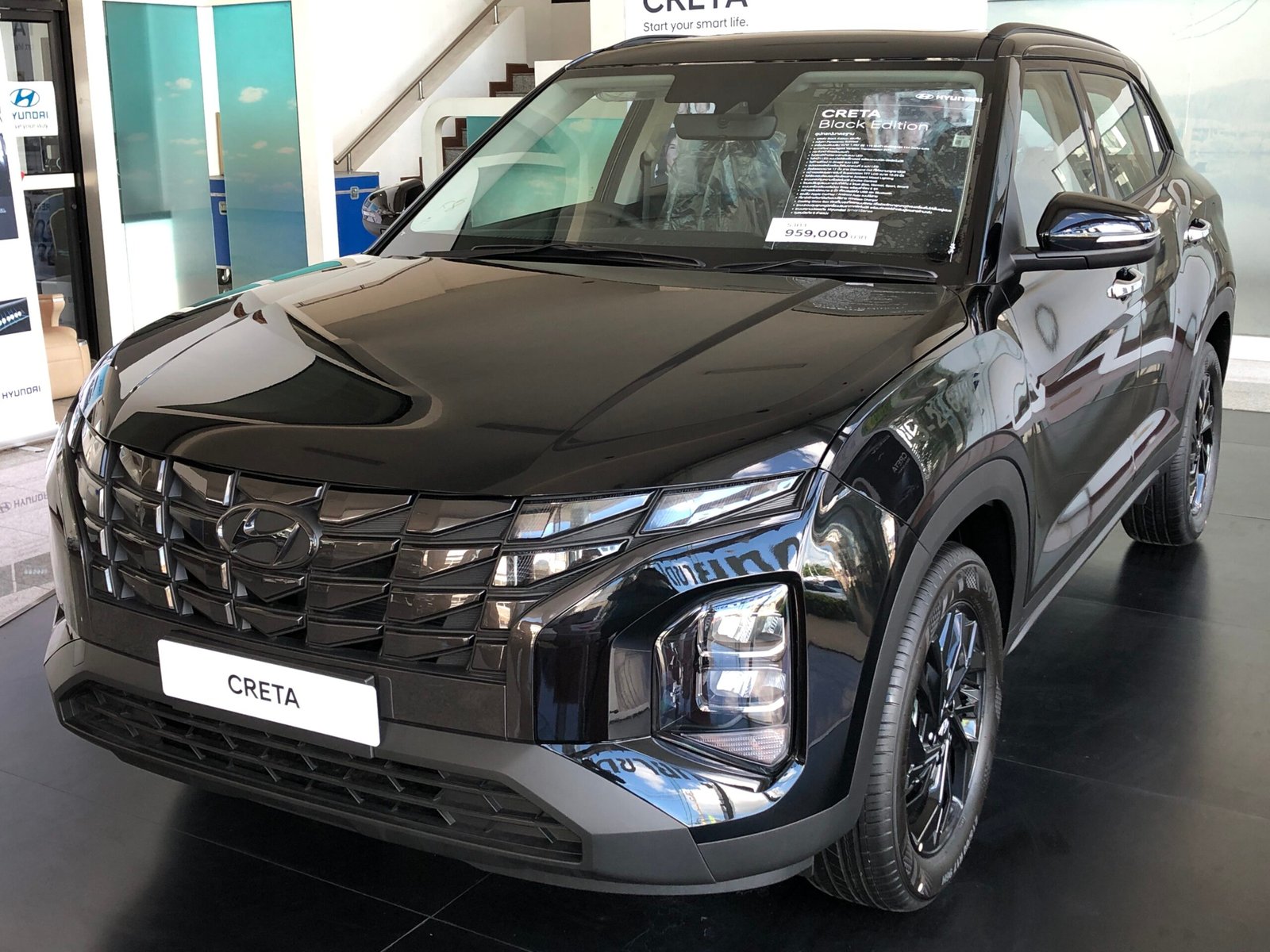
Hyundai confirmed the hike will cover its entire India range, Exter, Venue, Creta, Verna, Alcazar, the N Line trims of Venue and Creta, and the Creta Electric. The company’s own statement calls it a “marginal price revision” to pass on part of rising costs it says it has otherwise absorbed. Here is what that means model by model, on the ranges already confirmed:
| Model | Current ex-showroom range | From September 1 | Top-variant increase |
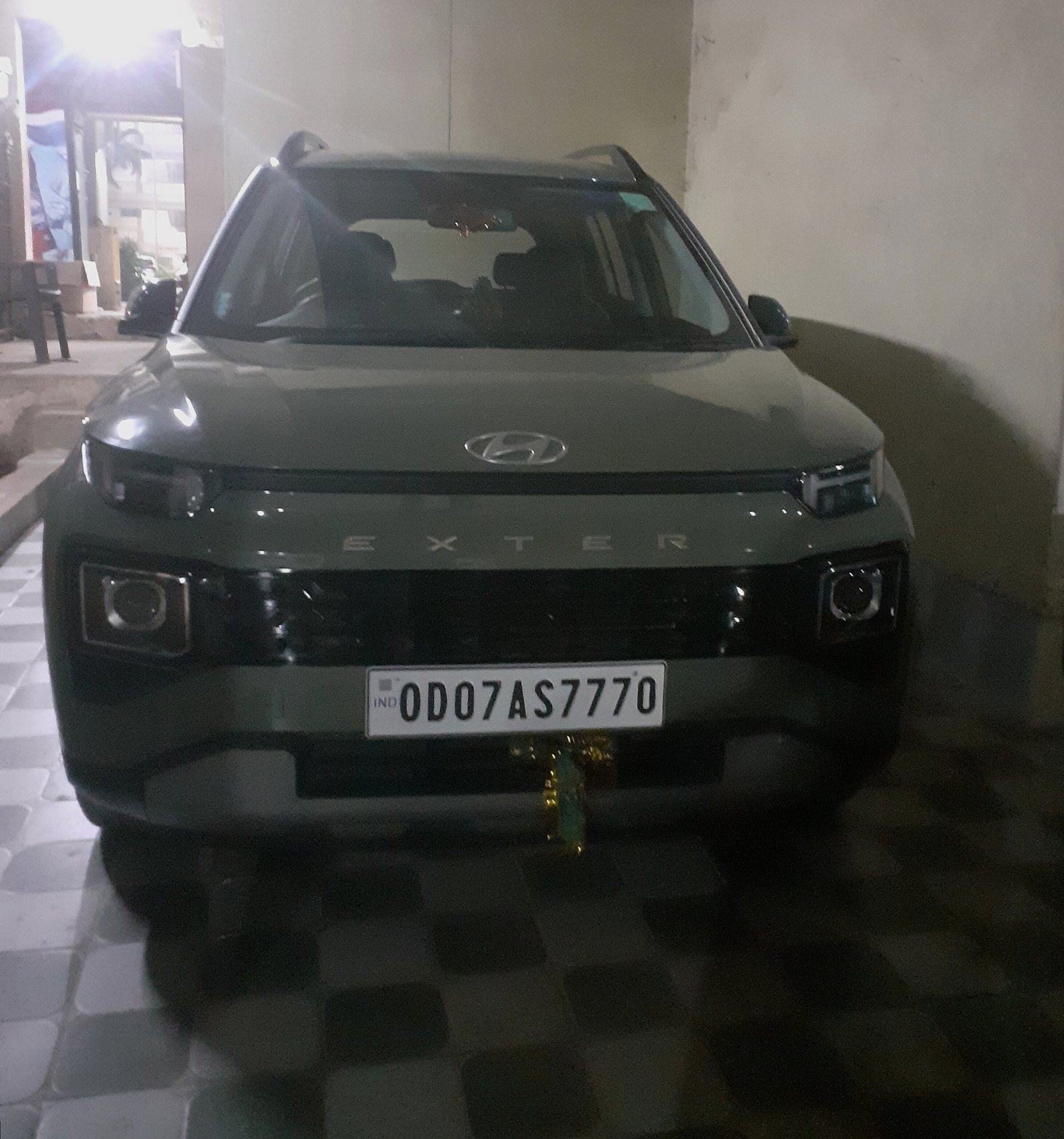
| Exter | ₹5.80 – 9.46 lakh | ₹5.86 – 9.55 lakh | ~₹9,000 |
| Venue | ₹7.99 – 15.64 lakh | ₹8.07 – 15.80 lakh | ~₹16,000 |
| Creta | ₹10.90 – 19.95 lakh | ₹11.01 – 20.15 lakh | ~₹20,000 |
| Verna | ₹10.99 – 18.26 lakh | ₹11.10 – 18.44 lakh | ~₹18,000 |
Notice the pattern: the percentage hike is roughly the same across the range, but because it applies to a higher base price on top variants, the actual rupee gap is two to three times bigger if you are eyeing an SX(O) than if you are buying an entry-level E or S trim. If you are already set on a base-spec Exter or Venue, the increase is close to a rounding error. If you are booking a fully loaded Creta or Verna, it is closer to a proper accessory pack.
Hyundai vs Tata vs Maruti: Every Hike, Side by Side
| Automaker | Hike amount | Effective date | Stated reason |
| Maruti Suzuki | Up to ₹30,000 | Already in effect (August 2026) | Input costs, second hike of the year |
| Tata Motors | Up to ₹25,000 | September 1, 2026 | Inflation, EV battery costs up 10%, forex, JLR supply-chain hit |
| Hyundai | Up to 1% (roughly ₹6,000 to ₹20,000 by model) | September 1, 2026 | Input and commodity costs, forex, macro uncertainty |
Does Booking Before September 1 Actually Save You Money?
Yes, but do the math before you let a deadline rush you. Spread over a typical 7-year car loan at a common 9% interest rate, an extra ₹20,000 on the price works out to roughly ₹320 a month in additional EMI, about ₹16 a month on the Exter’s smaller hike, and around ₹290 a month on a Verna. That is a real number, but it is also less than a single tank of petrol on most of these cars. Use Hyundai’s Creta EMI calculator to check the exact number against your own down payment and tenure before you decide.
The hike is real, but it is not worth booking a variant you have not test-driven, or skipping a comparison test against a rival, just to beat a deadline that costs you a few hundred rupees a month.
Where it genuinely matters is if you have already finalised your variant, arranged financing, and are simply choosing when to sign. In that case, book before September 1 and lock the older price, dealers can typically hold pricing once a booking amount is paid. Where it does not matter is if you are still cross-shopping. A ₹9,000 to ₹20,000 difference should never be the deciding factor between two variants or two models that otherwise suit your needs differently.
Which Variant Is Actually Worth Booking
Across Hyundai’s range, the mid-spec trims remain the sensible pick even after the hike. On the Creta, that is the SX, which brings the sunroof, wireless charging and the bigger touchscreen without stretching into the SX(O)’s connected-ADAS package that most city buyers rarely use. On the Exter, the S trim with the rear camera and six airbags covers what actually matters for a first car, without paying extra for the SX(O)’s cosmetic add-ons.
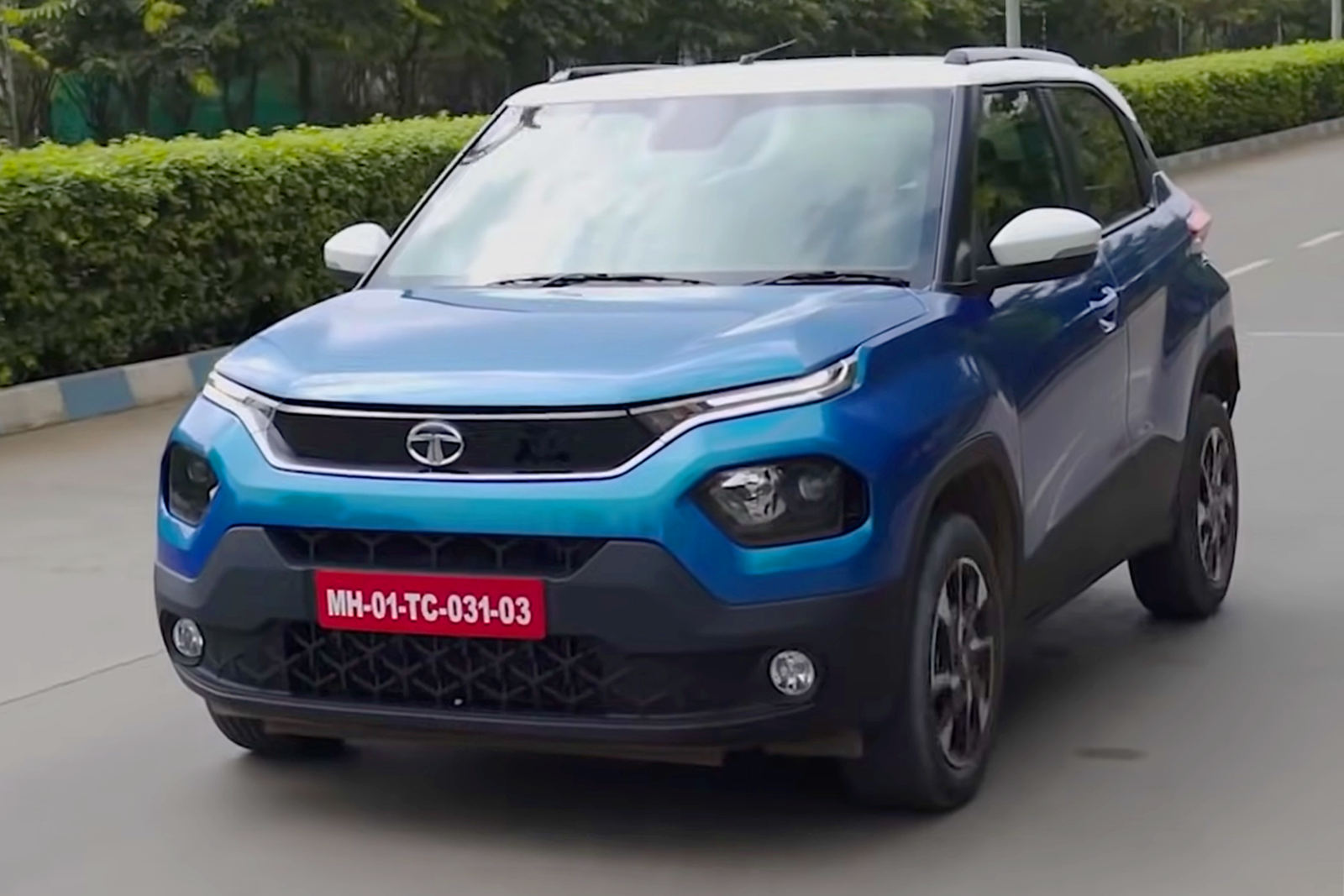
If your budget sits closer to the Exter or Tata Punch bracket, it is worth cross-checking both directly. Punch is the segment’s best-seller for a reason, higher ground clearance and a five-star Global NCAP rating, while the Exter answers back with a bigger boot and Hyundai’s longer dealer network reach in smaller towns. You can run the numbers side by side on The Spec’d’s Punch vs Exter comparison tool.
Frequently Asked Questions
Will Hyundai prices go up on every model, or only some?
The hike covers Hyundai’s full India range, including the Exter, Venue, Creta, Verna, Alcazar, the N Line trims and the Creta Electric. The increase is up to 1%, and the exact rupee amount depends on the specific model and variant you pick.
Should I book my car now to avoid the September 1 price hike?
Only if you have already finalised the variant and financing. The increase works out to roughly ₹150 to ₹330 a month in extra EMI on a 7-year loan for most Hyundai models, real but small enough that it should not be the reason you skip a test drive or a proper comparison.
Is Maruti Suzuki also raising prices in September 2026?
Maruti’s latest hike, up to ₹30,000 depending on model and variant, already took effect in August 2026 and was its second increase of the year. It is separate from the Tata and Hyundai hikes landing on September 1.