































The Ministry of Heavy Industries said its ₹2,000 crore PM E-DRIVE charging subsidy would fund 72,300 public charging points when it released the scheme’s guidelines in September 2025. A new analysis from the Institute for Energy Economics and Financial Analysis (IEEFA) puts the real number closer to 18,811, once you account for what a charging point actually costs to install. Either way, India needs 1.32 million public chargers by 2030 to hit its own 30% EV sales target, so even the government’s own claimed figure covers only about 5% of that. IEEFA’s more conservative estimate covers under 2%.
That gap matters if you’re shopping for an EV, but probably not in the way the headlines suggest. Here’s the actual math, and what it does and doesn’t mean for your buying decision.
The ₹2,000 Crore Math: What Was Promised vs What’s Real
| Figure | Number | Source |
| Government’s own 2025 target for the ₹2,000 crore fund | 72,300 charging points | Ministry of Heavy Industries guidelines, September 2025 |
| IEEFA’s independent cost-based estimate for the same fund | ~18,811 charging points | IEEFA analysis, September 2026 |
| Public chargers India needs by 2030 | 1.32 million | CII estimate, via IBEF |
| Coverage of 2030 need from IEEFA’s realistic estimate | Under 2% | IEEFA analysis, September 2026 |
Why the gap? IEEFA says upstream grid work, transformers, cabling, substation capacity, can eat up to 50% of the real cost of getting a public charger live. The government’s original 72,300 figure assumed cheaper, simpler installs than most sites actually need.
Where the Existing Chargers Actually Are
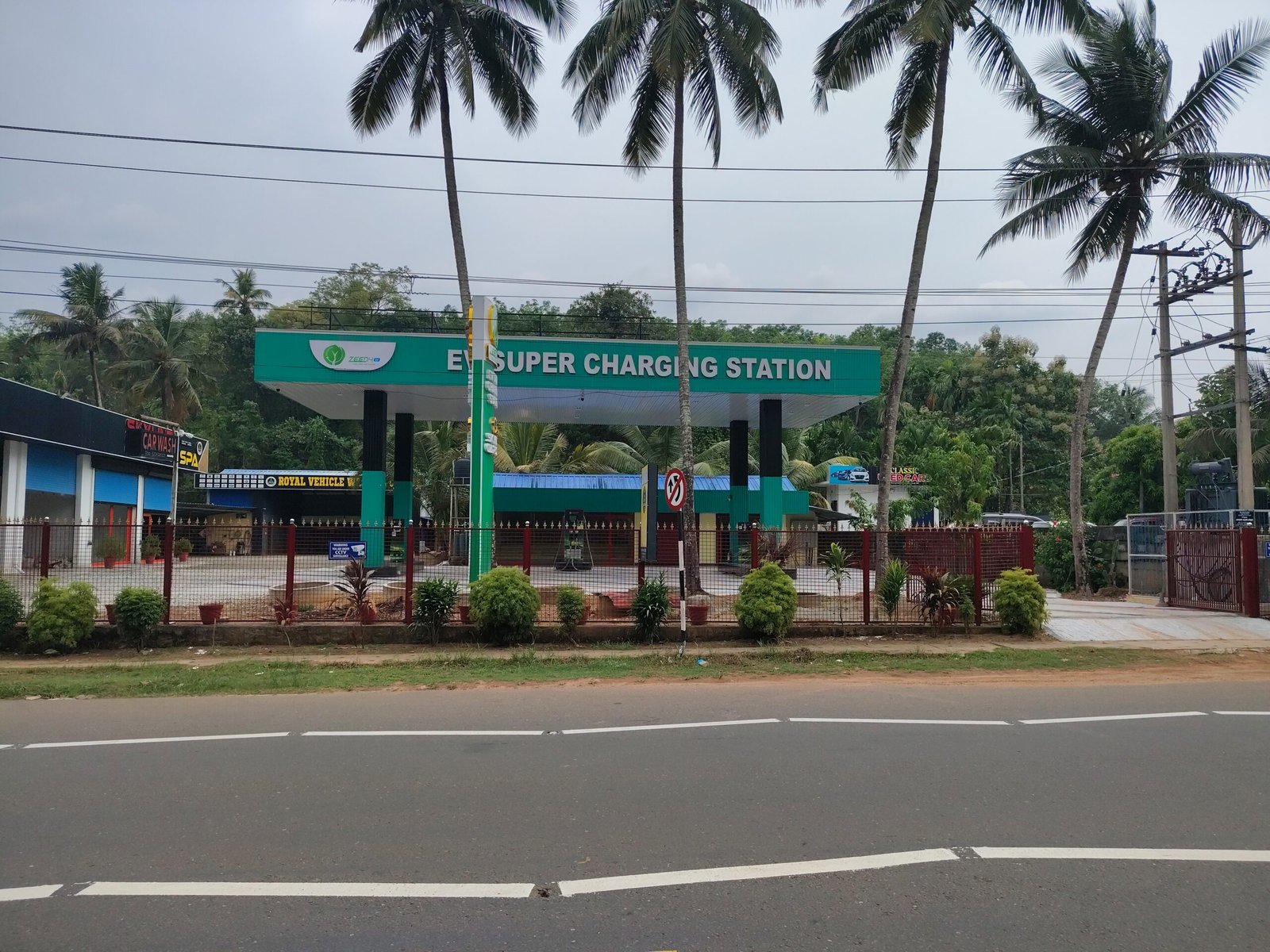
Data firm Rubix Data Sciences counted roughly 5,000 public charging stations in India in 2022. That grew to 29,151 by December 2025, and to 67,657 by August 2026, including battery-swapping points. Fast progress, until you look at where they actually are.
| Where the network is concentrated | Share |
| Karnataka alone | ~21% of all installed stations |
| Maharashtra alone | ~14% |
| Top 10 states combined | ~78% |
| Chargers rated under 30kW (slow AC, not real highway fast-charging) | ~73% |
If you’re outside a top-10 EV state, or counting on a public charger for a real highway top-up rather than a slow overnight trickle, the station count is misleading. Almost three-quarters of it is slow AC charging, not the DC fast-charging a road trip actually needs.
Utilisation Is the Bigger Problem Than Coverage
Even existing chargers are barely used. SBI puts utilisation at 1-3%, S&P Global at around 5%. Over 200 charge point operators nationwide, per Rubix, charge ₹6 to ₹15 per kWh while facing a government-mandated 98% uptime rule, a tough combination that explains why operators are cautious about building more ahead of demand.
India’s charging problem isn’t really a shortage of stations on a map. It’s that most of what exists is slow, clustered in a few states, and barely used, which is a worse signal for a 2030 target than a raw station count suggests.
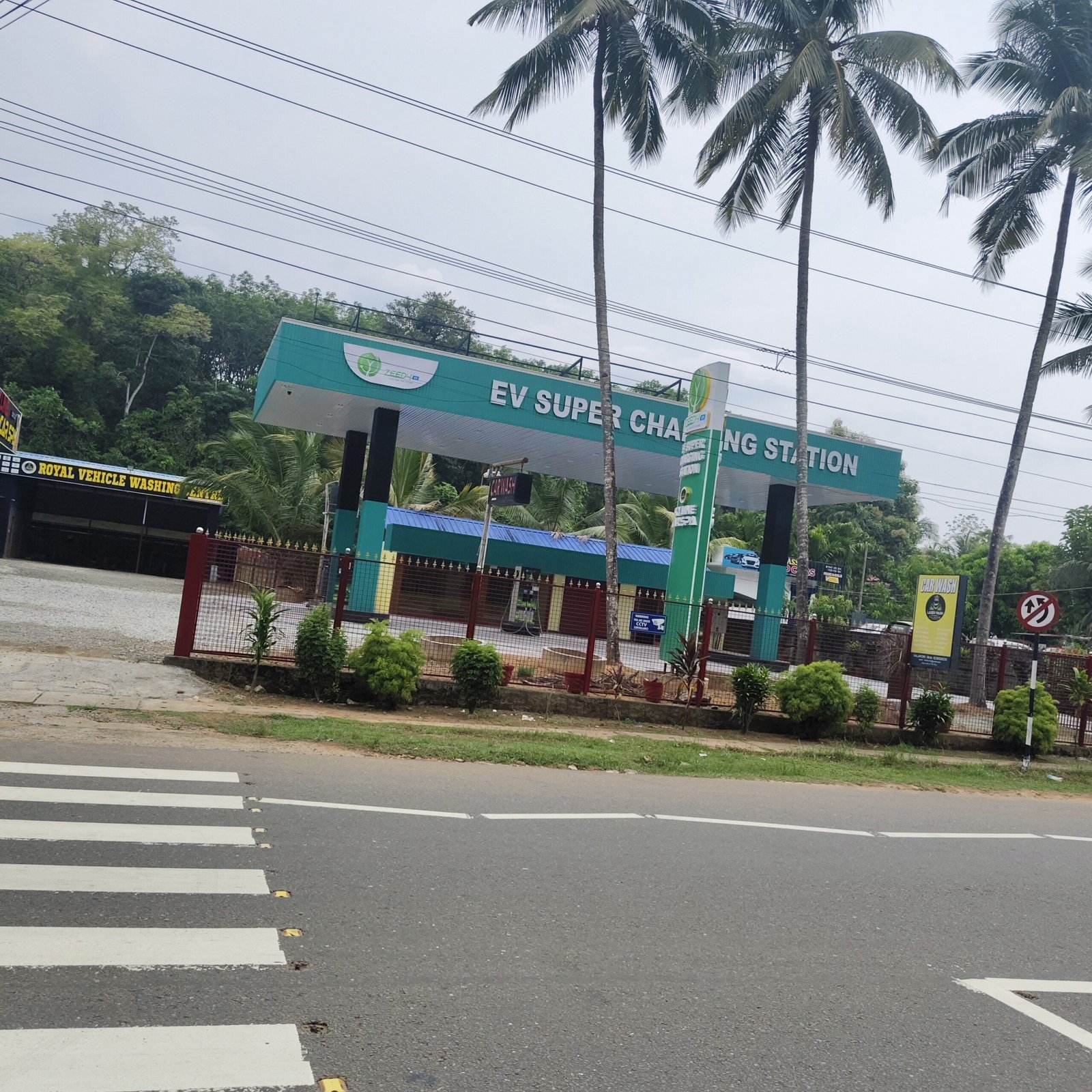
Does This Actually Affect You?
Mostly, no. As of mid-August 2026, EV penetration stood at 5.70% for four-wheelers and 8.88% for two-wheelers, and the large majority of that ownership is urban, overnight, at-home charging on a regular socket or a basic home AC charger. If you have your own parking and you’re mainly doing city commutes under 100km a day, this entire funding-gap story is close to irrelevant to you.
It matters for two specific groups: apartment dwellers without dedicated charging access, and anyone planning real intercity road trips where you’re relying on a public DC fast-charger to actually exist along your route, not just on a map.
Which EVs Handle a Patchy Network Best Right Now
If road trips are part of your plan, range and fast-charging speed matter more than usual. The Tata Nexon EV, India’s best-selling electric car, and the MG Windsor EV sit at opposite ends of that trade-off.
| Variant | Claimed (ARAI/MIDC) Range | Real-World Range |
| Nexon EV 30kWh (MR) | 275 km claimed | Not independently tested yet for this exact pack; earlier MR owners on an Indian owner forum have reported 200-220 km in mixed use |
| Nexon EV 45kWh (LR) | 489 km claimed | One Nexon EV Max owner tracking 31,600 km reported 270-290 km city and 230-260 km highway against an older 453 km claimed figure, per an Indian owner forum |
| MG Windsor EV 52.9kWh, 60kW DC fast charging | 449 km claimed | No independent real-world test published yet |
Priced from ₹13.70 lakh to ₹19.36 lakh on-road in Delhi across the Nexon EV’s 13 variants, and ₹14.7-19 lakh ex-showroom for the Windsor EV as of September 2026, neither is cheap enough to buy on range alone. Compare them properly on The Spec’d’s Nexon EV vs Windsor EV comparison tool before deciding.
The Actual Buying Advice
Buy the Nexon EV 45kWh Long Range if you road-trip occasionally and want the lower price. Skip the 30kWh base pack entirely if intercity driving is a real part of your life, 220 km of real-world range leaves almost no margin once you’re hunting for a working fast-charger outside a top-10 EV state. If long-distance driving is frequent, the Windsor EV’s bigger pack and 60kW fast-charging buys real insurance against exactly the network gaps this IEEFA report describes.
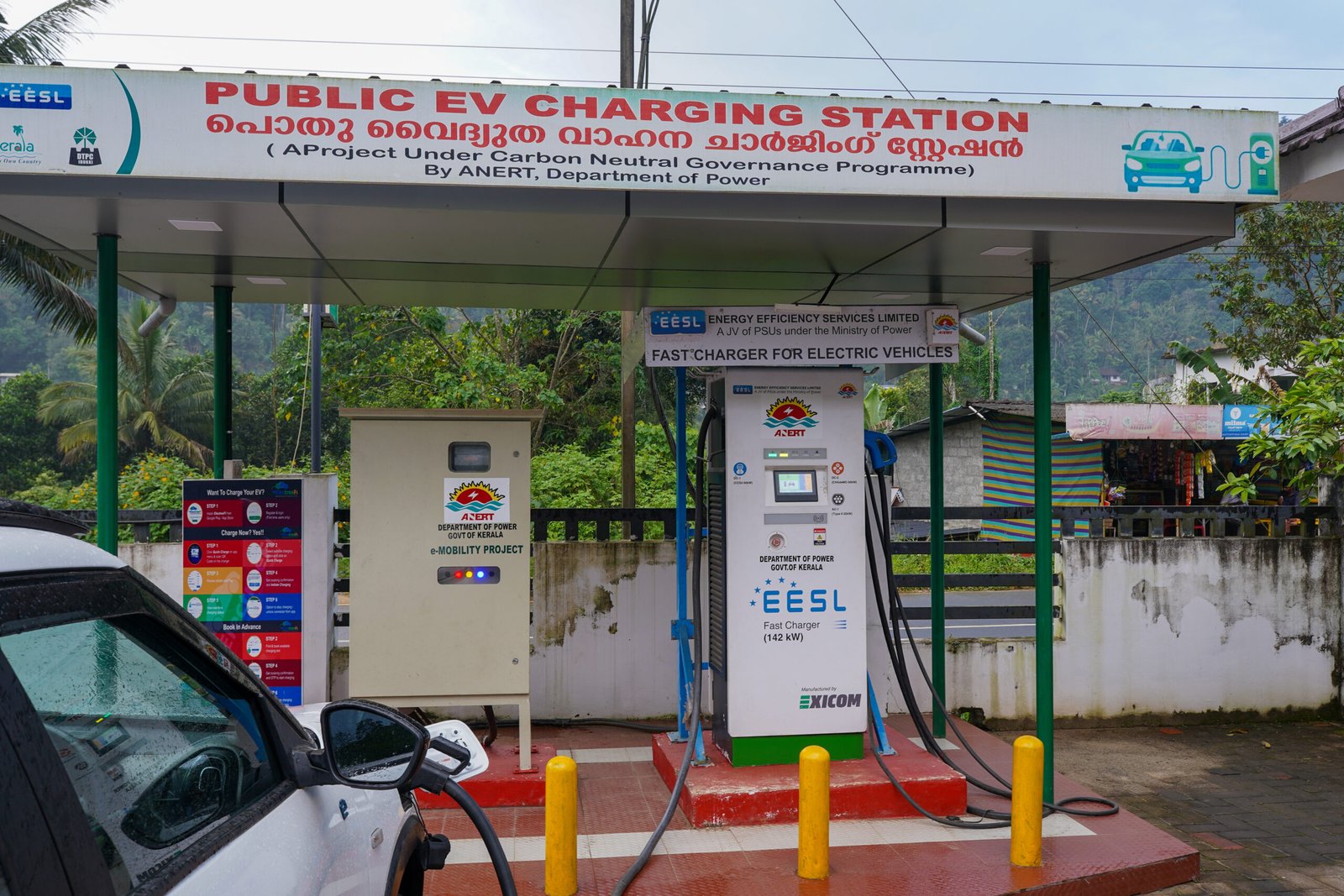
Will India actually hit 1.32 million public chargers by 2030?
Not at the current funding pace. IEEFA’s analysis says the ₹2,000 crore PM E-DRIVE allocation covers under 2% of that target, and utilisation on existing chargers is already too low to justify private operators filling the gap on their own.
Does a low charger count mean I shouldn’t buy an EV?
No, not if you charge at home overnight and mostly drive within your city. The shortfall mainly matters for apartment dwellers without dedicated charging and for frequent long-distance drivers.
Which matters more for road trips, range or charging speed?
Both, but charging speed matters more once you’re past 300km. A bigger battery with fast DC charging support recovers time lost at a charger faster than a smaller pack that needs more stops on a slower connection.


