






























A March 2026 rule change gives every unpaid FASTag transaction real consequences, and it has nothing to do with the satellite tolling headlines you have been reading.
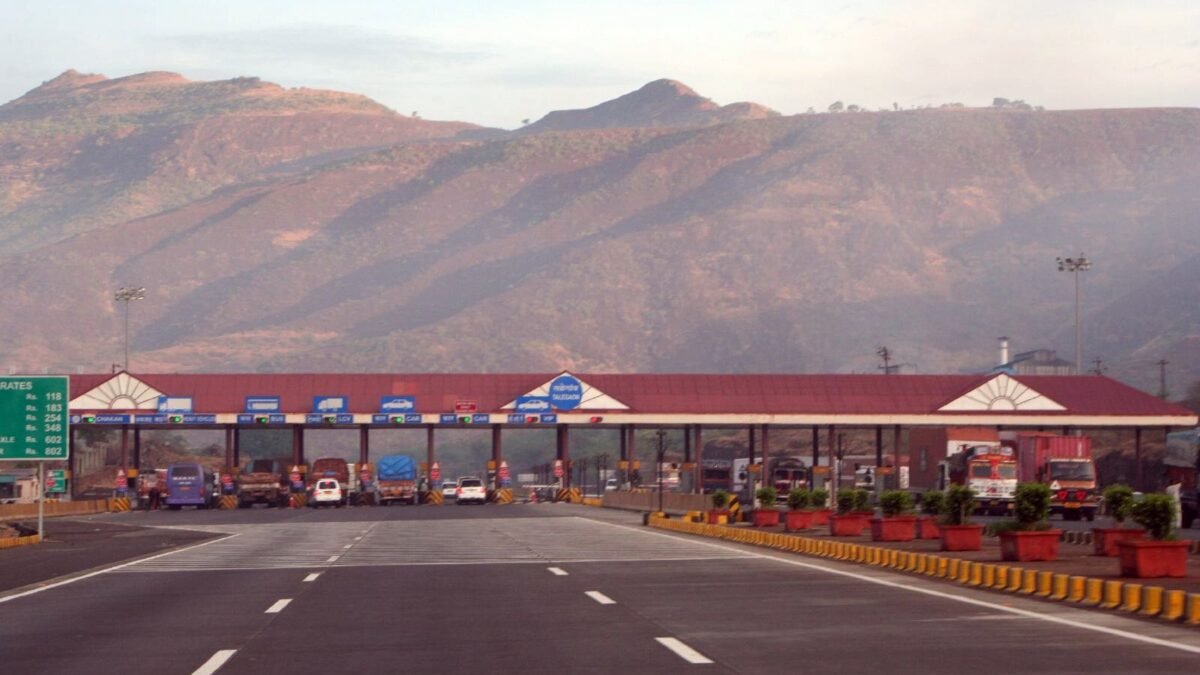
Skip a toll payment in India today and NHAI does not just wave you through and forget it. A rule effective 17 March 2026 sends an electronic notice to your phone within days, and if you ignore it, the fee can double. That is separate from the “satellite tolling is coming” headlines you have probably scrolled past this year, true GNSS tolling is still a two-highway pilot, and the confusion between the two is worth untangling before your next highway run.
What Actually Changed on 17 March 2026
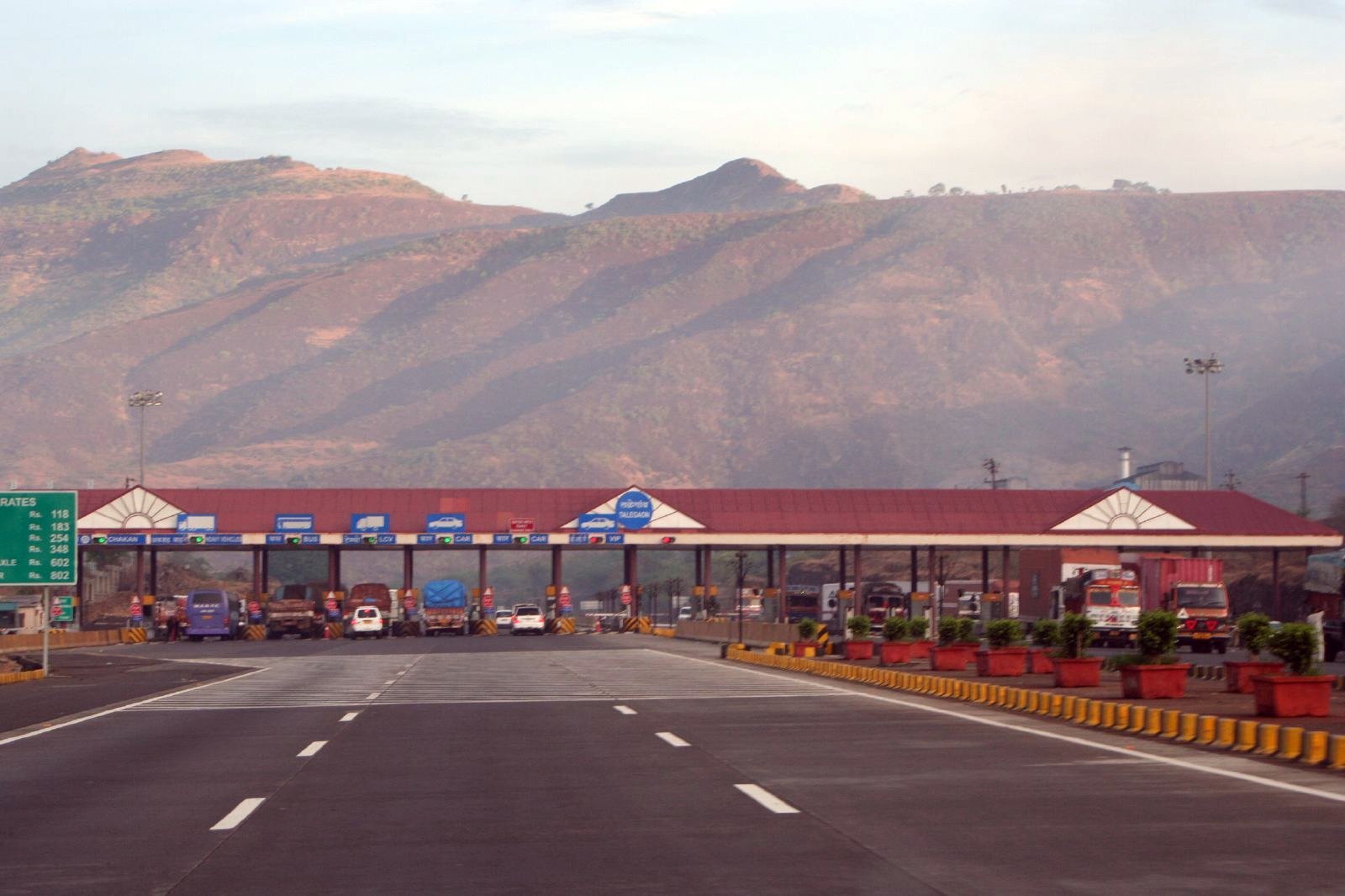
The National Highways Fee (Determination of Rates and Collection) Second Amendment Rules, 2026 came into force that day, introducing a structured e-notice system for unpaid tolls, whether you skipped payment because of a low FASTag balance, a scanner glitch, or a missing tag. The rule was confirmed through an official government release and corroborated by Medianama, Devdiscourse and Motorbeam’s reading of the same notification.
| When | What happens |
| Day 0: toll unpaid | System logs the vehicle number, toll point, date and amount due |
| Within days | E-notice sent by SMS, email or the NETC app with the exact amount owed |
| 0-72 hours | Pay the original amount, no penalty. You can also file a dispute in this window |
| After 72 hours | Unpaid amount can rise to twice the original toll fee |
| After 15 days | Dues get flagged against your vehicle in the VAHAN database; RC renewal and other services can be blocked until you pay |
The VAHAN link is the part worth remembering. It means an unpaid toll no longer disappears with your FASTag statement, it follows your registration certificate.
FASTag, Barrier-Free Tolling and GNSS: What Is the Difference?
Three separate systems get used interchangeably in headlines, and only one of them is actually running at any scale.
| System | How it charges you | Where it stands, August 2026 |
| FASTag (RFID) | Fixed toll per plaza, scanned at a barrier | Live nationwide since 2021, still the backbone of every system below |
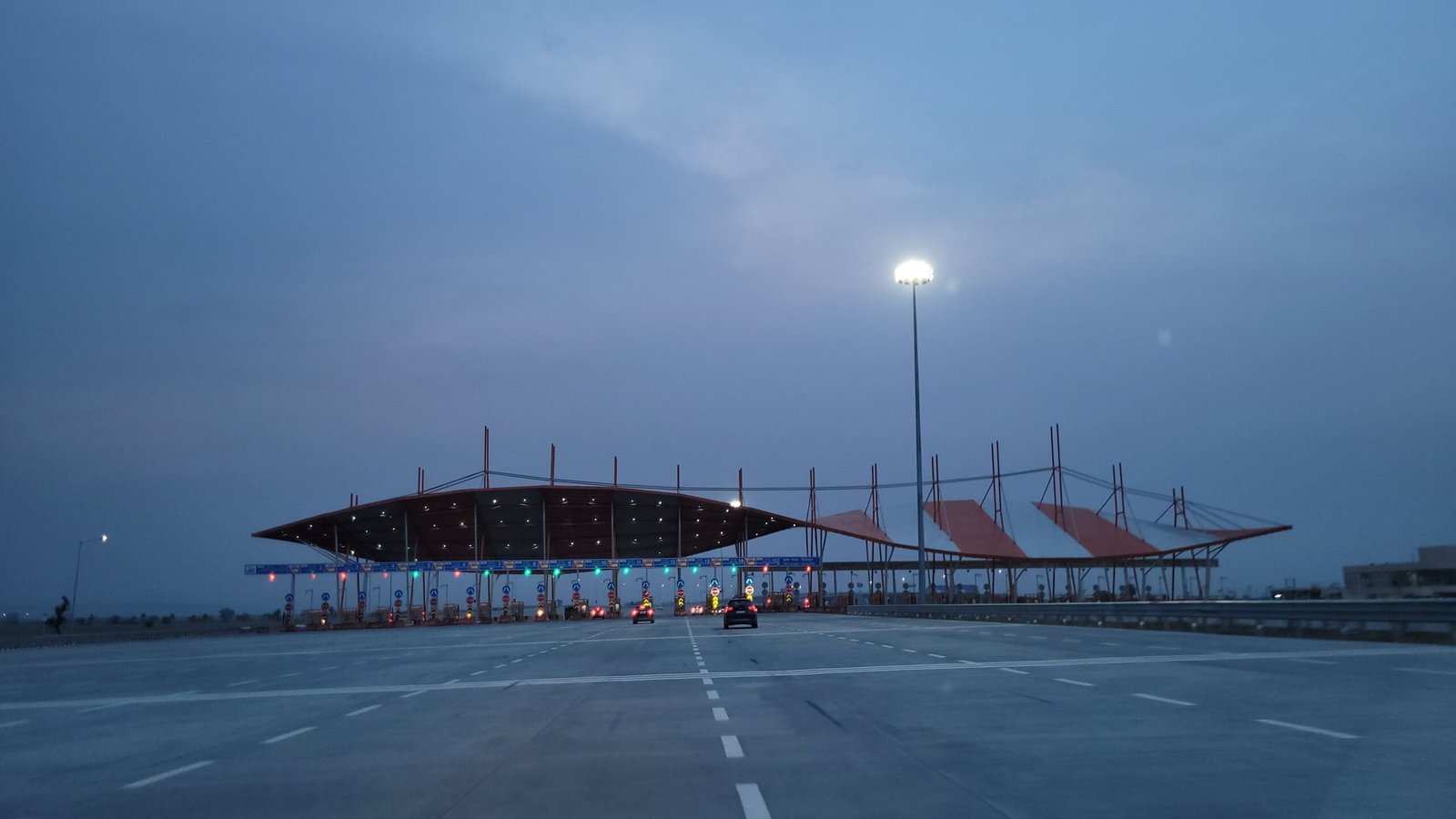
| Barrier-free / ANPR | Cameras read your number plate, FASTag still does the deduction, no boom barrier | Piloted at Choryasi on the Surat-Bharuch stretch of NH-48, Gujarat. Gadkari told the Lok Sabha in December 2025 it was live at 10 locations nationwide |
| GNSS / satellite | An on-board unit tracks your exact distance by satellite, first 20 km a day is free for private vehicles | Pilot only, on the Bengaluru-Mysuru stretch of NH-275 and the Panipat-Hisar stretch of NH-709 |
The Ministry of Road Transport and Highways has itself said, on the record, that no nationwide decision has been made to replace FASTag with GNSS-based tolling. What is actually being scaled up is the ANPR-plus-FASTag barrier-free system, not individual satellite trackers in every car.
Will Barrier-Free Tolling Reach Your Highway Soon?
Gadkari’s own numbers are the honest answer here. In December 2025, with the system live at just 10 locations, he told Parliament it would cover the whole country “within a year”, putting the real deadline around the end of 2026. Scaling from 10 plazas to every national highway toll point in under 12 months is an aggressive ask, worth treating as a direction rather than a date you can plan a road trip around.
If you are not on the Bengaluru-Mysuru or Panipat-Hisar stretches, nothing changes for you at the toll booth itself this year. What changes is the consequence of not paying, which the March 2026 rule makes real regardless of which technology is scanning your plate.
Should You Bother Getting a GNSS On-Board Unit Now?
No, and not because the tech is bad. It is not available to the general public outside the two pilot corridors, and anything claiming to be a retail GNSS toll device right now is more likely a scam than an NHAI-approved unit. Reports on pilot pricing put the eventual one-time device cost in the ₹1,000-1,500 range, but that number is not something you can act on until NHAI opens enrolment nationwide.
The real story in 2026 is not satellites, it is accountability. FASTag was always going to catch up with people who treat a low balance as a free pass, and now it has.
What This Means for Your Next Highway Drive
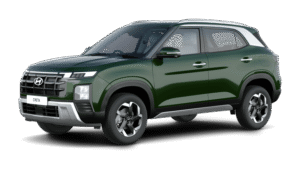
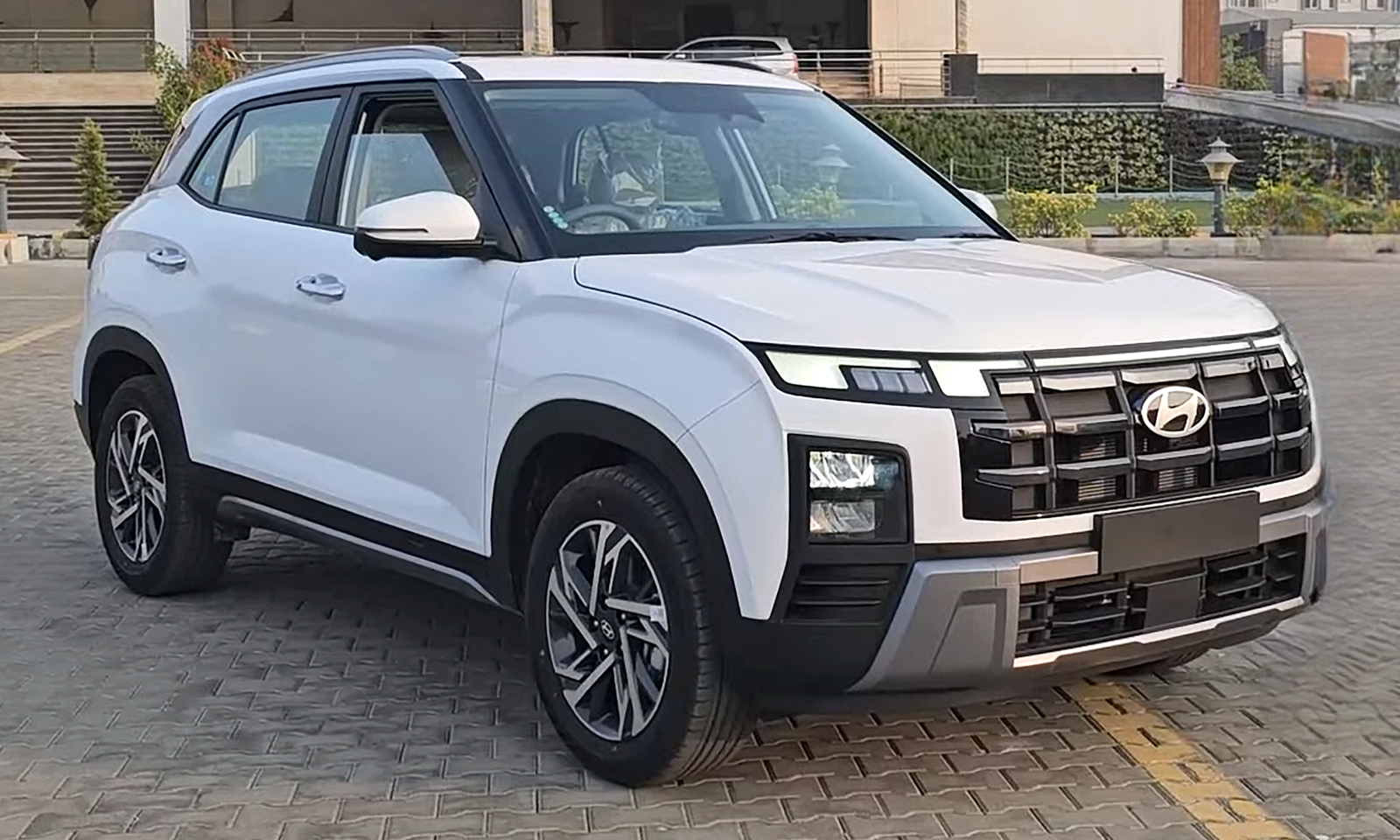
If you run a Hyundai Creta or anything else on frequent highway trips, the fix is simple: keep FASTag on auto-recharge, and if an e-notice does land, act inside 72 hours instead of assuming it will get buried. Weighing a bigger tourer for the long runs, say a Toyota Innova Crysta against the newer Hycross? Our Innova Crysta vs Innova Hycross comparison lines up running costs and features side by side. For EMI math, the site’s tools and calculators page handles that separately.
We covered the FASTag Annual Pass separately, including whether the ₹3,075 one-time pass actually saves frequent flyers money: read that breakdown here. This e-notice change makes a topped-up tag, pass or not, more important than ever.
Is GNSS tolling replacing FASTag in India right now?
No. The Ministry of Road Transport and Highways has stated no nationwide decision has been made to replace FASTag with GNSS-based tolling. True satellite tolling remains a pilot on two highway stretches, in Karnataka and Haryana.
What happens if I ignore a toll e-notice?
Under the rules effective 17 March 2026, an unpaid toll can rise to twice the original amount after 72 hours, and after 15 days of non-payment with no dispute filed, the dues get linked to your vehicle in the VAHAN database, which can block services like RC renewal.
Do I need to buy a GNSS device for my car?
Not yet. Retail GNSS on-board units are not available outside the Bengaluru-Mysuru and Panipat-Hisar pilot stretches, so there is nothing legitimate to buy for general highway use in 2026.