
































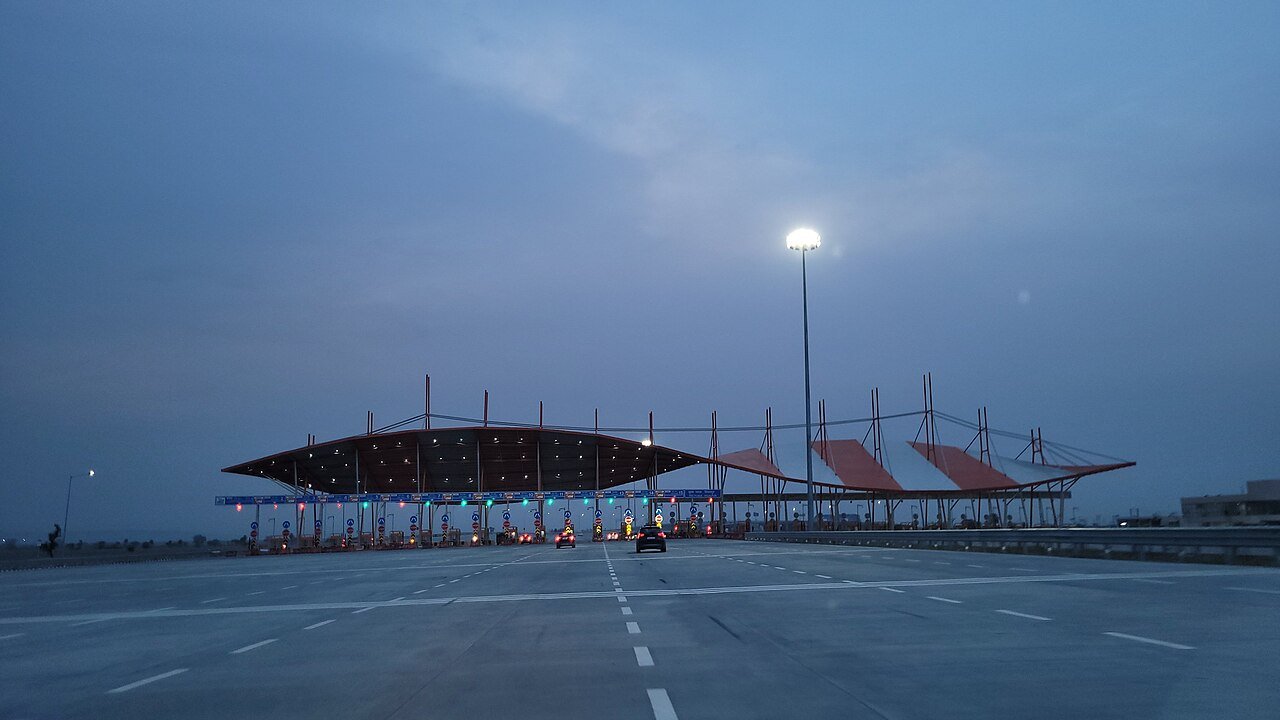
Cash is disappearing from national highway toll booths. From April 1, 2026, NHAI (the National Highways Authority of India) pushed almost every one of its 1,150-plus toll plazas to digital-only payments, FASTag or UPI, no exceptions for the guy who forgot to recharge. At the same time, the FASTag Annual Pass that a lot of frequent highway drivers were counting on to cut toll costs just got more expensive: ₹3,075, up from its ₹3,000 launch price in August 2025. If you drive a private car and hit the highway even semi-regularly, here is the actual math before you buy one.
What the ₹3,075 Actually Buys You
The Annual Pass gets you 200 toll crossings or 12 months of validity, whichever runs out first, on NHAI-operated National Highways and Expressways. That is it. It does not touch state highways, municipal entry tolls, or privately-run expressways, so if your daily commute involves a city entry toll rather than a proper highway, this pass will not help you at all.
It is also strictly for non-commercial private vehicles: cars, jeeps, and vans. Taxis, buses, and trucks cannot use it, and neither can two-wheelers, so if you are one of India’s millions of bike or scooter riders hoping this saves you money on a highway ride, it will not. Two-wheelers pay per crossing on FASTag as before, there is no annual pass tier for them yet.
Buying it is simple enough: open the Rajmarg Yatra app or the NHAI website, pay against your existing vehicle-linked FASTag using UPI, netbanking, or a card, and it activates within about two hours.
Does the Math Actually Work Out?
An average NHAI toll costs somewhere between ₹70 and ₹80 per crossing. Spread ₹3,075 across all 200 crossings the pass allows, and each one effectively costs you around ₹15 to ₹20, a real saving if you actually use most of those crossings.
| Usage pattern | Cost without pass (at ₹75/crossing) | Cost with ₹3,075 pass |
| 20 crossings a year | ₹1,500 | ₹3,075 (you lose money) |
| 50 crossings a year | ₹3,750 | ₹3,075 (small saving) |
| 150 crossings a year | ₹11,250 | ₹3,075 (big saving) |
Roughly speaking, you need to cross an NHAI toll plaza more than 40 times a year, so close to weekly, before the pass pulls ahead of paying per trip. That is realistic if you commute on a highway stretch for work, or if you are the kind of family that does a proper road trip every month or two. It makes far less sense if you take one or two long highway drives a year and otherwise stick to city roads.

The Catch Nobody Advertises
The biggest complaint since launch has been coverage. Several high-traffic stretches near big cities, Mumbai’s entry points being the most cited example, sit on state or privately-operated roads that fall outside NHAI’s network entirely. You could buy the pass, do most of your driving on one of these excluded stretches, and still be paying full toll every single time. Before you pay ₹3,075, actually check whether the highway you drive most often is NHAI-operated. The Rajmarg Yatra app lists eligible plazas, and it takes two minutes to check against your usual route.
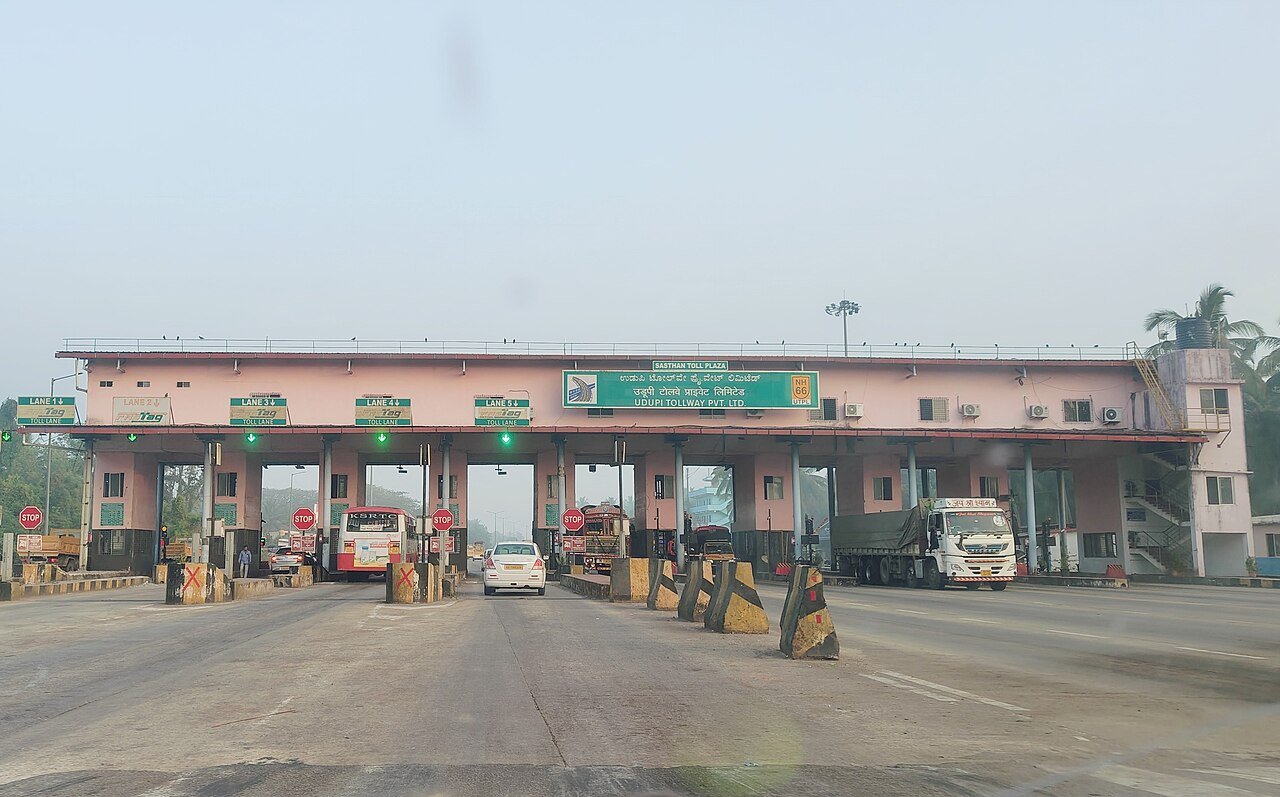
If you cross an NHAI toll booth almost every week, the ₹3,075 pass pays for itself fast and then some. If your highway driving is occasional, or your usual route runs through a state or city toll gate, skip it and keep topping up your regular FASTag instead.
One more thing worth planning around: since cash is being phased out at these booths from April 1, 2026, keep your regular FASTag wallet topped up regardless of whether you buy the Annual Pass. Getting stuck at a barrier with an empty wallet and no cash option accepted is a genuinely bad way to start a road trip.