
























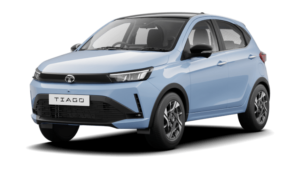
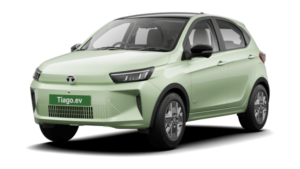




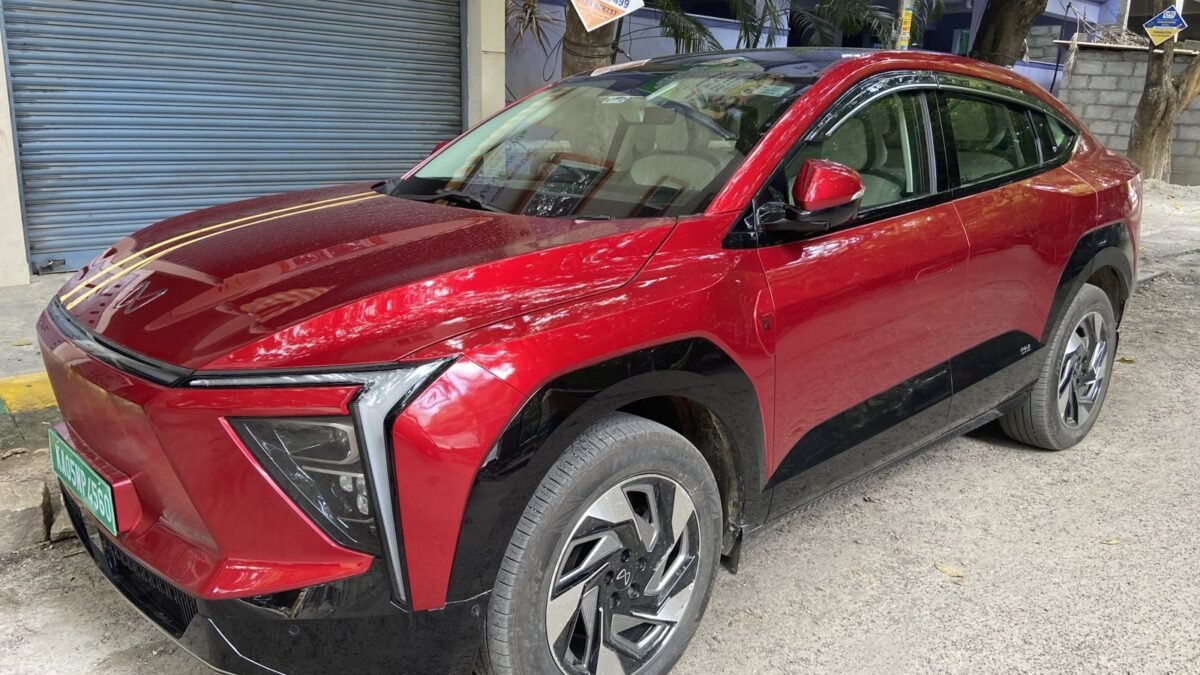
For years, buying a genuinely safe car in India meant either importing a fancy badge or reading crash reports from Europe and hoping the India-spec version was built the same way. That excuse is gone. Bharat NCAP, India’s own crash test program, has stamped a whole wave of 5-star ratings through 2026, and the newest name on the list is the facelifted Maruti Brezza. So whether your budget is closer to ₹7 lakh or north of ₹20 lakh, there is now a 5-star car with your name on it. Here is the full club, what the scores actually mean, and how to shop it without getting fooled.
What a 5-star rating actually means
Bharat NCAP scores every car on two things. The first is Adult Occupant Protection, or AOP, which is how well the front seats protect a driver and passenger in a crash, marked out of 32 points. The second is Child Occupant Protection, or COP, which is how safe a child seat is in the back, marked out of 49 points. To earn the full 5 stars for adults, a car needs at least 27 of those 32 points. Most of the cars below are scoring in the 30s, which is genuinely excellent, not just a pass mark.
One thing worth knowing: the test runs on a specific variant, usually a mid or top trim with the full airbag count. The good news for 2026 is that six airbags are now standard on most new cars sold here, so the gap between the tested car and the one in the showroom has shrunk a lot compared to a few years ago.
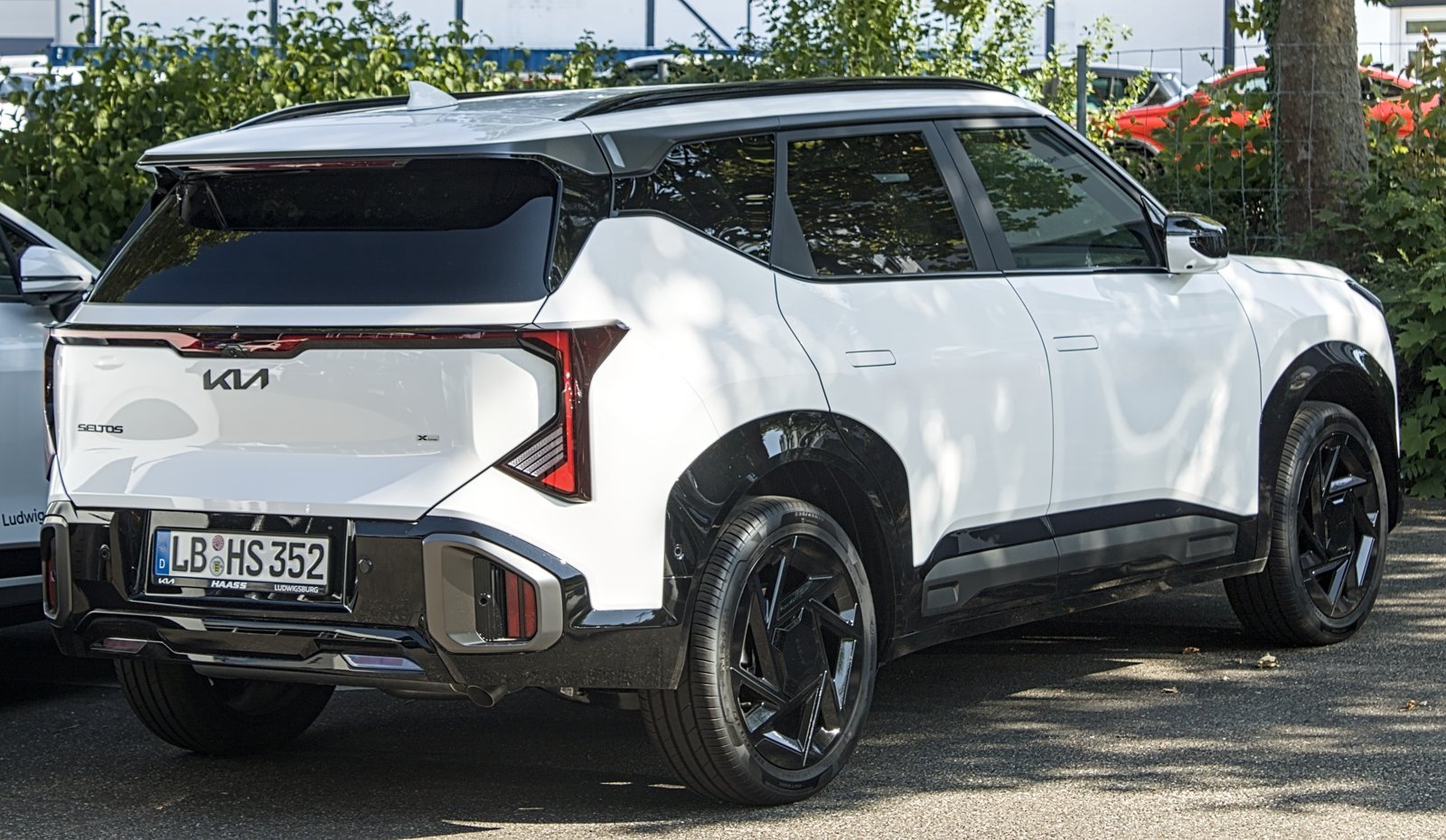
The 5-star club, August 2026
This list spans everything from a sub-₹7 lakh hatch-on-stilts to a ₹20 lakh-plus electric SUV, so read it by budget, not just by star count.
| Car | Adult (of 32) | Child (of 49) | Price band (ex-showroom) |
| Tata Harrier EV | 32.00 | 45.00 | ₹20 lakh and up |
| Mahindra XEV 9e | 32.00 | 45.00 | ₹20 lakh and up |
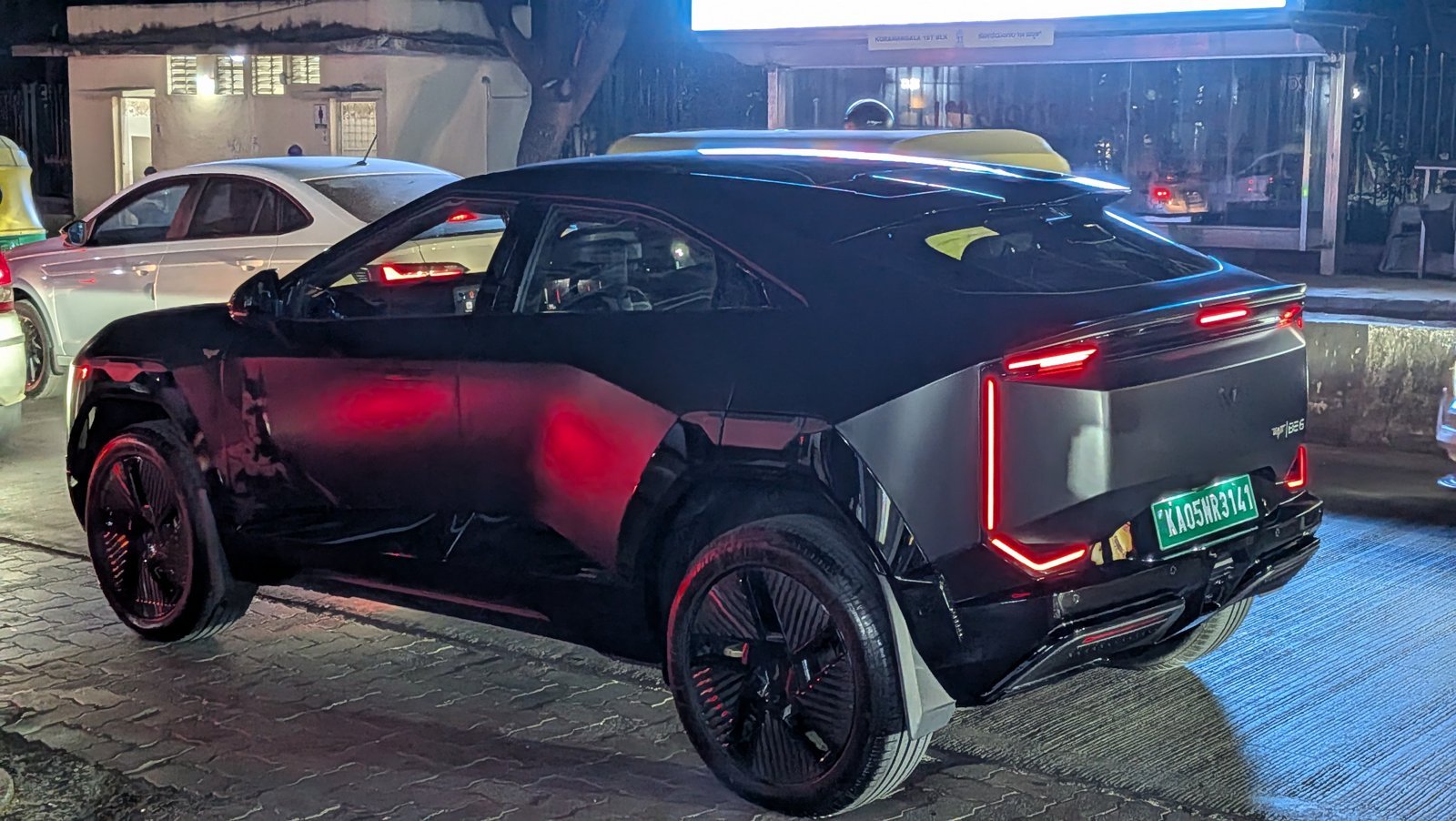
| Mahindra BE 6 | 31.97 | 45.00 | ₹18 lakh and up |
| Kia Seltos | 31.70 | 45.00 | ₹11 to 20 lakh |
| Maruti Victoris | 31.66 | 43.00 | ₹11 to 20 lakh |
| Maruti e Vitara | 31.49 | 43.00 | ₹16 lakh and up |
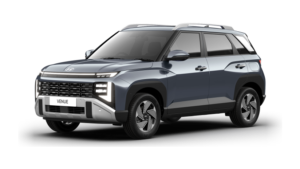
| Hyundai Venue | 31.15 | 44.46 | Under ₹12 lakh |
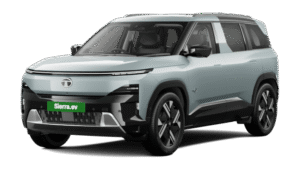
| Tata Sierra | 31.14 | 44.73 | ₹11 to 20 lakh |
| Skoda Kylaq | 30.88 | 45.00 | Under ₹12 lakh |
| Tata Punch | 30.58 | 45.00 | Under ₹10 lakh |
| Nissan Tekton | 30.49 | 45.00 | ₹11 to 20 lakh |
| Maruti Brezza | 30.41 | 43.00 | Under ₹12 lakh |
How to actually shop this list
Notice that the two outright toppers, the Tata Harrier EV and Mahindra XEV 9e, both scored a flawless 32 out of 32. Electric SUVs tend to do well here because a heavy floor battery makes the body stiff. But you do not need an EV or a big budget to be safe. The Tata Punch proves it, a car that starts under ₹10 lakh and still bagged the full five stars.
If you are cross-shopping the popular mid-size SUVs, the numbers are close enough that safety alone will not split them, so let the drive and features decide. You can line up the Kia Seltos against the revived Tata Sierra spec for spec on our side-by-side compare tool before you book. On a tighter budget, the Skoda Kylaq and the freshly rated Maruti Brezza facelift are the value picks that no longer ask you to trade safety for a low EMI.
The one habit worth keeping: check that the exact variant you are buying carries the same six airbags and electronic stability control as the tested car. A base trim on a thin budget can still skip kit, and the star on the brochure only counts if it is fitted to the car in your driveway.
The real story is not any single 5-star badge. It is that a safe car in India is finally a normal choice, not a luxury, at almost every price you can name.


