






















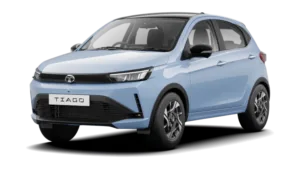
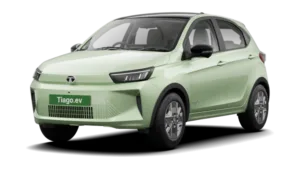



A three-year-old car in India now changes hands for ₹8.38 lakh on average, but what you get back for your own car in three years depends far more on the badge on the bonnet than on how well you looked after it. That is the finding buried inside the first large-sample used-car study of 2026, and it means the smartest decision you make might be about resale, not the sticker price.
An Indian magazine and a used-car platform tracked over 11,000 real transactions across nine cities for their Used Car Study 2026, published in June. The topline: a new car loses 21% of its value in year one, 33% by year three, and 41% by year five, on average. That average hides a huge spread, and buying the wrong car can put you well below it.
The Depreciation Curve Every Buyer Should See First
Most of the damage happens in year one. That single fact tells you exactly when to buy used instead of new, if resale value matters to you.
| Age of car | Average depreciation | Value left on a ₹10 lakh car |
| 1 year | 21% | ₹7.90 lakh |
| 3 years | 33% | ₹6.70 lakh |
| 5 years | 41% | ₹5.90 lakh |
A car sheds 21 percentage points in year one alone, then only another 12 points over the next two years combined. That is the whole case for buying a one-year-old car instead of a fresh one: someone else absorbed the steepest part of the fall, and you buy in right as the curve flattens.
Which Cars Actually Hold Their Value
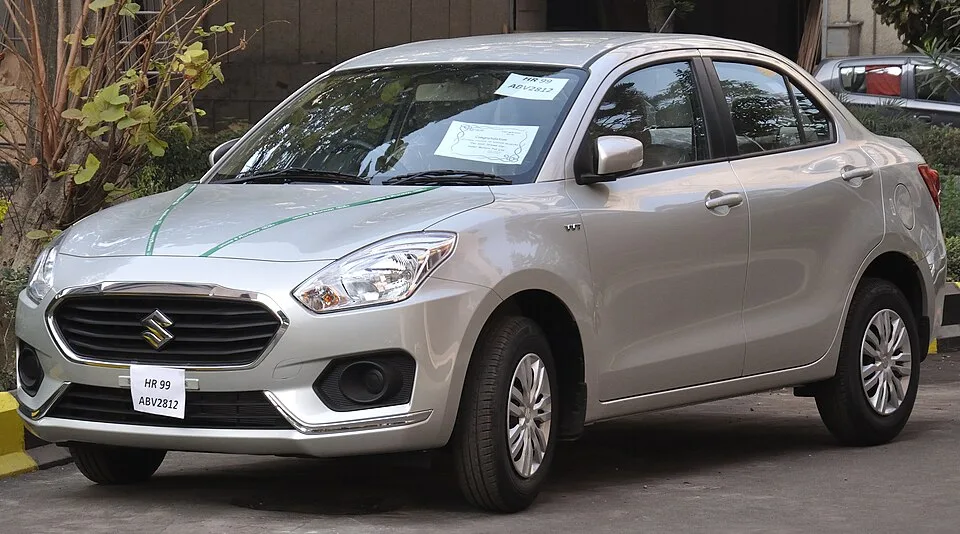
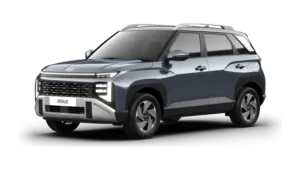
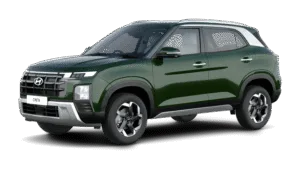
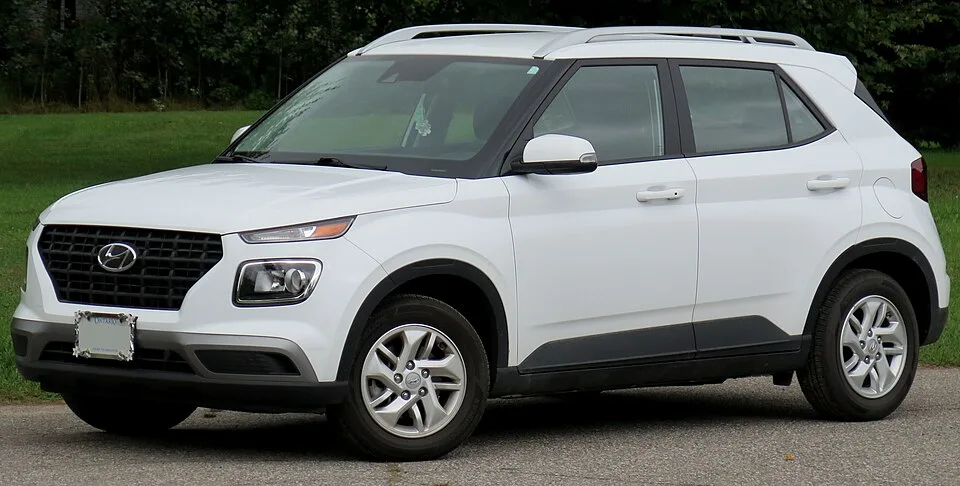
The study names Maruti Suzuki, Hyundai, Kia and Mahindra as the strongest resale performers across categories. At the model level, the ones that showed up repeatedly among the best value-retainers were the Maruti Dzire, Baleno, S-Presso and Ertiga, the Hyundai Grand i10 Nios, Verna and Venue, the Kia Seltos, the Mahindra XUV700, and the Tata Punch.
| Segment | Named as strong resale performers | Why it holds up |
| Compact sedan | Maruti Dzire, Hyundai Verna | Deep service network and heavy fleet/taxi demand keep used prices propped up |
| Hatchback | Maruti Baleno, S-Presso, Hyundai Grand i10 Nios | Cheapest to insure and maintain, so first-time-buyer demand stays high |
| Compact SUV | Hyundai Venue, Tata Punch, Kia Seltos | SUVs are the single most popular used-car body style right now |
| 3-row / big SUV | Mahindra XUV700, Maruti Ertiga | Long new-car waiting periods push buyers into the used market for the same badge |
Notice what is missing: no electric car makes this list. That is not an oversight, it is the study’s own conclusion, and it is worth a section on its own.
Why an EV Is the One Exception to This Whole Guide
The Spec’d reported on September 1 that no standardised battery health certificate exists for used EVs in India, right as the first meaningful wave of five and six-year-old electric cars hit the resale market. This new study confirms the same gap from the other side: dealers cannot price a used EV the way they price a used petrol car, because there is no agreed, verifiable way to state how much life is left in the battery.
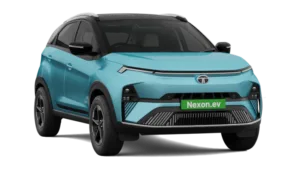
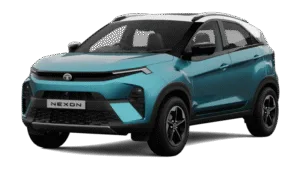
A petrol car and its electric twin can follow completely different resale paths, even from the same factory. A petrol Tata Nexon depreciates on the predictable curve above. Its electric sibling does not, because its resale price still comes down to a dealer negotiating over an unverified battery printout rather than reading off a standard chart.
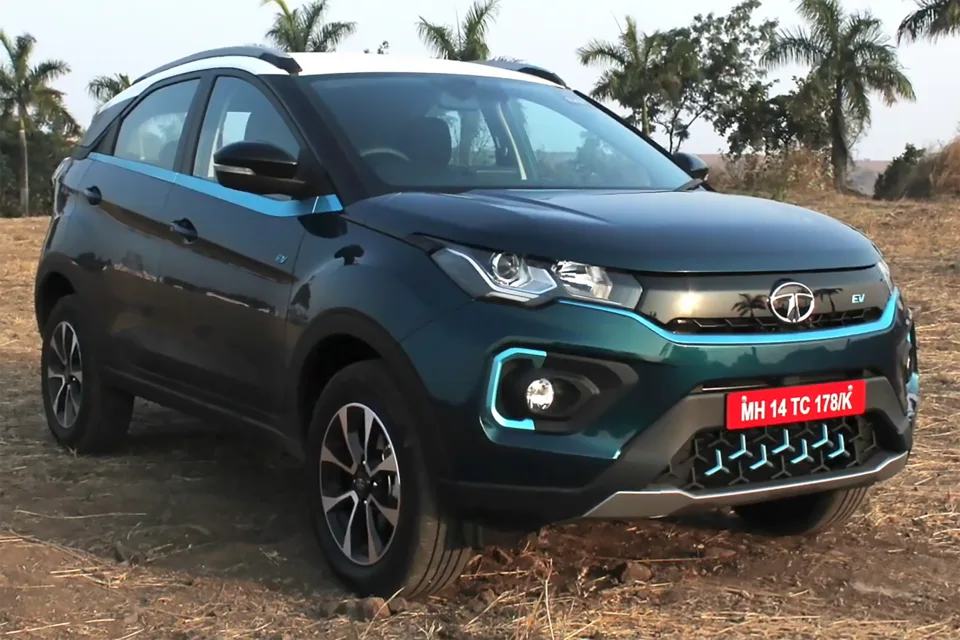
If resale matters to you, a used EV without a documented battery state-of-health report from an authorised service centre is not the same category of purchase as a petrol or diesel car. Price that uncertainty in, or walk away.
What This Means for Your Next Purchase
Two more numbers from the study matter here: 80 to 82% of used-car buyers on organised platforms are first-time owners, and financing now covers a fast-growing share of these deals, roughly doubling as a proportion of organised-platform sales over the last five years. Most people reading this are not trading in an old car, they are buying their first one on EMI, and whatever they choose now becomes the deposit on their next purchase.
That is the real argument for boring over exciting. A Baleno or a Venue in a common colour, with full service history, will not turn heads. It also will not cost you an extra depreciation hit when it is time to sell and fund the next EMI.
The Best-Value Pick for Most Buyers
Choosing between two similarly priced used options, one on this list and one not, take the one on the list. At the compact-SUV budget, the Hyundai Venue is the safer resale bet over a newer, flashier rival with no used-market track record yet. At the sedan budget, the Maruti Dzire’s low running costs and fleet demand keep its floor price higher than most rivals in the same bracket, even five years in.
Separate estimates from market-research firms including IMARC and Persistence Market Research put India’s overall used-car market growth in the low-to-mid double digits annually, independently confirming the study’s direction: this market is growing faster than new-car sales, and getting more organised, not less.
Frequently Asked Questions
How much should a 3-year-old car cost in India right now?
Per the Used Car Study 2026, based on over 11,000 transactions across nine cities, the average price for a 3-year-old car is ₹8.38 lakh. Your actual number will swing a lot with segment, city and how well that specific model retains value.
Do electric cars hold their resale value as well as petrol cars in India?
Not yet, and not predictably. The same 2026 study states EVs lack predictable resale benchmarks because of unresolved battery health concerns, a gap The Spec’d has separately reported on regarding the missing battery health certificate for used EVs.
Is it better to buy a one-year-old used car or a brand-new one?
If resale value is your priority, a one-year-old car is the sharper buy. The data shows a car loses 21% of its value in year one alone, then only around 12 more points over the following two years, so a one-year-old car has already absorbed the steepest part of the curve on someone else’s wallet.