































Electric two-wheelers grew 33.41% in registrations this Navratri while overall two-wheeler sales fell 2.79%, the Federation of Automobile Dealers Associations’ dealer data shows. The cheapest way into that shift is the Ola S1X 2kWh at ₹84,999 ex-showroom, but it is not the smartest buy: the 3kWh variant at ₹1,03,999 is the one that actually survives a daily commute.
Why Electric Scooters Outgrew Petrol This Festive Season
FADA’s provisional data, compiled with the road transport ministry from 1,468 of India’s 1,469 RTOs, covers the ten-day Navratri window of October 11-20, 2026. Total retail came to 11,23,086 units, down 6.52% against the 11-day Navratri 2025 period but up 26.76% against 2024. The split between fuels is the real story.
| Segment | Navratri 2026 | vs Navratri 2025 | vs Navratri 2024 |
| Total retail | 11,23,086 | -6.52% | +26.76% |
| Two-wheelers (all fuels) | 8,34,075 | -2.79% | +32.41% |
| Electric two-wheelers | 75,758 | +33.41% | +87.29% |
| Passenger vehicles | 1,82,728 | -21.91% | +10.39% |
FADA President Sai Giridhar flagged the 2025 comparison as skewed: that period ran 11 days and overlapped the GST 2.0 rollout, which pulled demand forward. He called 2024 the fairer benchmark, and on that measure electric two-wheelers nearly doubled while petrol-and-diesel two-wheelers grew a third. That lines up with state policy: Maharashtra and Delhi currently charge zero road tax on electric two-wheelers, keeping the on-road gap to petrol tight before running costs are even counted.
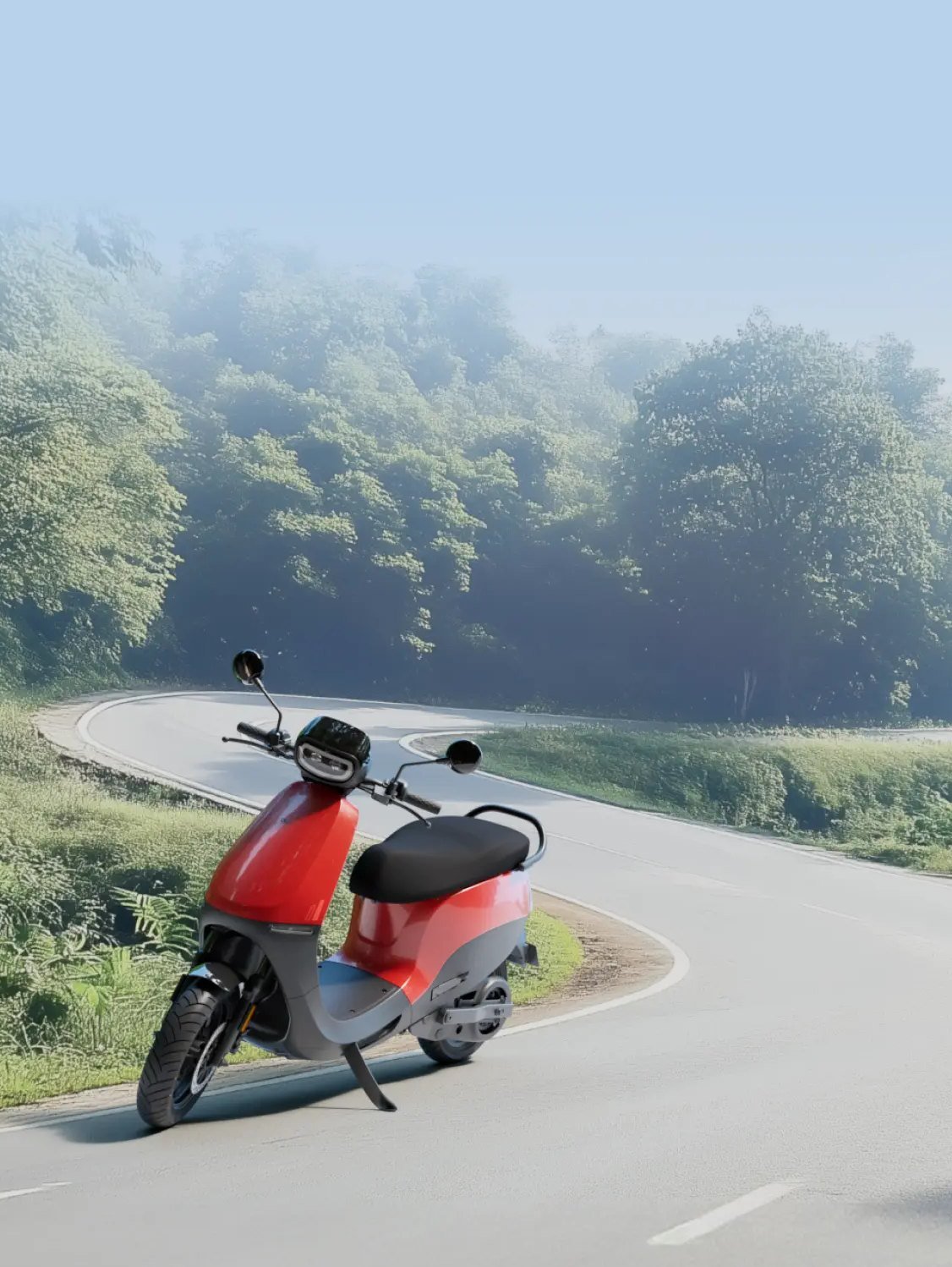
Which Ola S1X Variant Actually Makes Sense
At ₹84,999 ex-showroom, the base 2kWh is the only scooter from a major brand that undercuts ₹1 lakh outright. See The Spec’d’s full running list of electric scooters under ₹1 lakh for every option at this price. But the 2kWh’s claimed 108 km range is thin once real-world losses are accounted for, and Ola prices the next step up reasonably.
| Variant | Ex-showroom price | Step over base | Claimed range (IDC) |
| S1X 2kWh | ₹84,999 | Base | 108 km |
| S1X 3kWh | ₹1,03,999 | +₹19,000 | 176 km |
| S1X 4kWh | ₹1,19,999 | +₹16,000 | 242 km |
| S1X+ 4kWh | ₹1,20,999 | +₹1,000 | 242 km, 11kW motor, 125 km/h top speed |
| S1X+ 5.2kWh | ₹1,44,559 | +₹23,560 | 320 km |
Buy the 3kWh. For ₹19,000 more than the base, claimed range jumps 68 km, the difference between a scooter that needs a mid-week top-up charge and one that does not. The X+ line past that adds an 11kW motor and a 125 km/h top speed rather than more range per rupee, a worse trade for most daily commuters than simply buying a bigger battery. Skip the base 2kWh unless your one-way commute is genuinely under 20-25 km, and skip the X+ variants unless you specifically want the extra speed.
Claimed Range vs What You’ll Really Get
The Spec’d has not tested the S1X and has no real-world range figure of its own to offer. A CarBike360 road test of the S1X in city traffic recorded real-world range of 140 to 160 km against Ola’s claimed IDC figures, which the outlet called roughly a quarter to a third short of the brochure number. The review did not specify which battery pack it tested, and no independent outlet has yet published a range test broken down by the 2kWh, 3kWh or 4kWh packs. Treat every IDC figure above as a ceiling, not a promise.
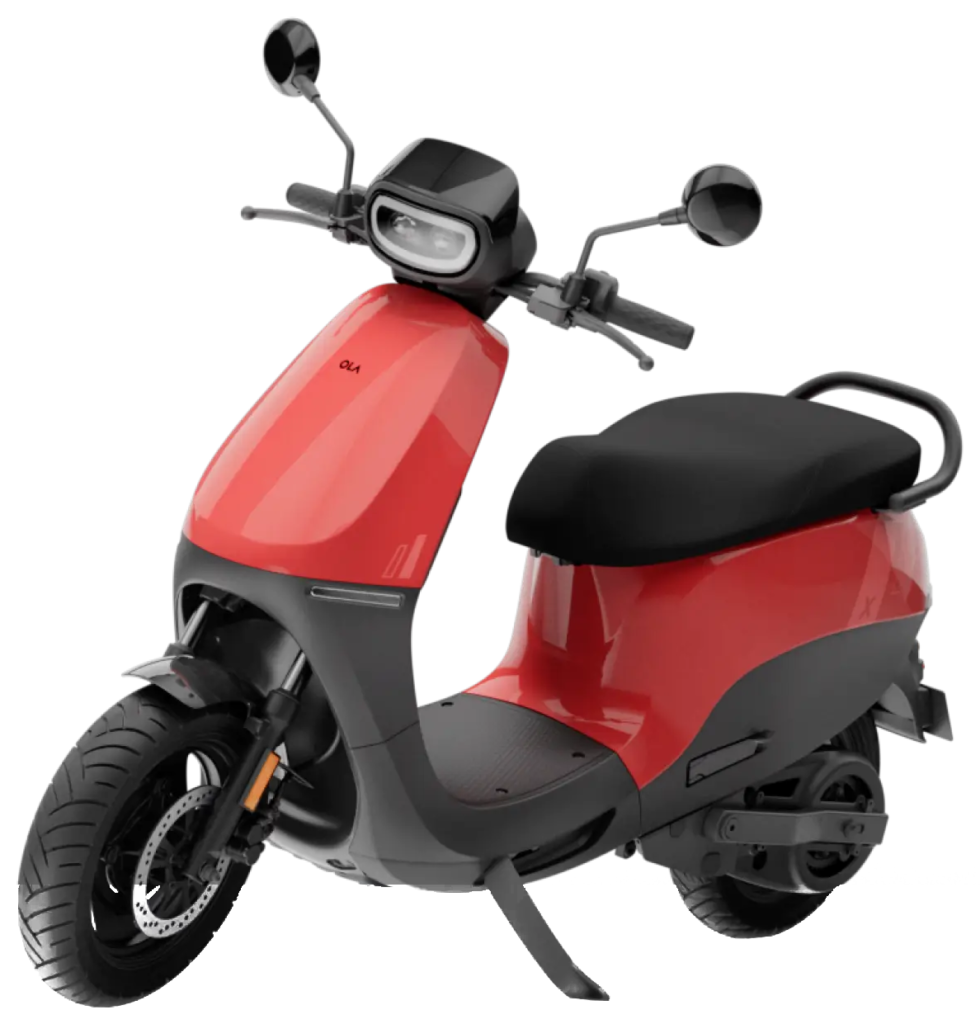
What the Ola S1X Costs on the Road, City by City
On The Spec’d’s Mumbai price page, the S1X 2kWh comes to about ₹89,717 on the road: Maharashtra charges no road tax on electric two-wheelers, so the gap over the ex-showroom price is almost entirely an estimated insurance premium of ₹4,718. The same spread holds in every state with a full EV tax exemption, but in Guwahati and Patna, which still levy an 8% road tax on electric two-wheelers, the identical 2kWh works out to about ₹96,517, a ₹6,800 gap driven purely by where you register it. On The Spec’d’s EMI math (20% down, 3-year loan at 12% interest, worked on the on-road price), that is roughly ₹2,384 a month in Mumbai.
Ola S1X or TVS iQube: Where the Extra Money Goes
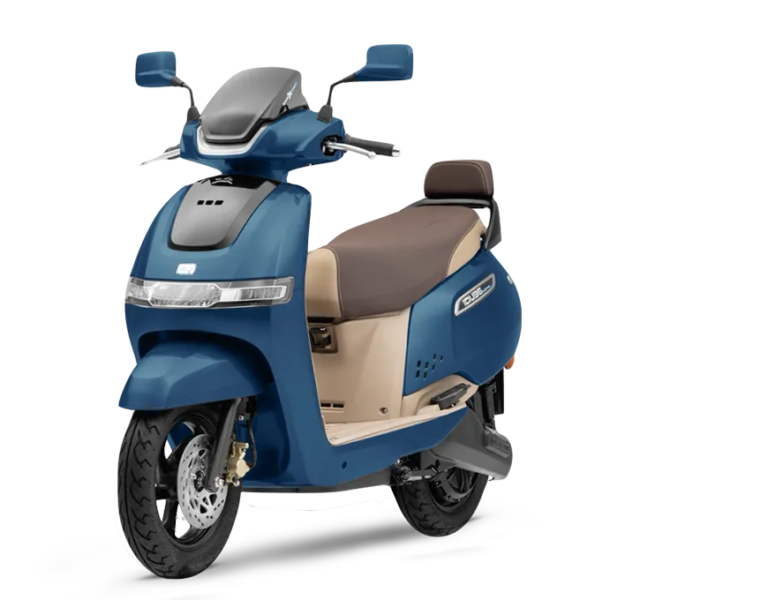
The TVS iQube starts meaningfully higher: its base 2.3kWh is priced at ₹1,20,124 ex-showroom, ₹35,125 above the S1X 2kWh, and comes to about ₹1.25 lakh on the road in Mumbai on The Spec’d’s iQube city price page, with an EMI near ₹3,333 a month on the same terms. A full side-by-side sits at The Spec’d’s Ola S1X vs TVS iQube comparison.
| Ola S1X 2kWh | TVS iQube 2.3kWh | |
| Ex-showroom | ₹84,999 | ₹1,20,124 |
| On-road in Mumbai (estimate) | ₹89,717 | about ₹1.25 Lakh |
| EMI, 20% down, 3-yr, 12% (estimate) | about ₹2,384/month | about ₹3,333/month |
| Base variant claimed range | 108 km | 94-114 km, TVS’s own sources disagree |
That last row is a genuine inconsistency, not a typo: TVS’s own website claims 114 km IDC range for the base iQube, while several Indian retail listings for the same variant show 94 km. Treat the lower figure as the safer planning number until TVS clears it up. At this price gap, the iQube only makes sense if you specifically value TVS’s dealer network over Ola’s cheaper entry price, not because it out-ranges the S1X on paper.
The Ola S1X 3kWh at ₹1,03,999 is the smarter buy over the base 2kWh. It is not the cheapest electric scooter on the market, but it is the cheapest one that will not leave you range-anxious by Thursday.
Is now a good time to buy an electric scooter in India?
FADA’s own Navratri data says demand is already shifting that way: electric two-wheeler registrations grew 33.41% year on year while petrol two-wheelers fell. State tax exemptions in Maharashtra and Delhi also shrink the on-road price gap to petrol, so the timing argument is real, not just marketing.
Which Ola S1X variant should I actually buy?
The 3kWh at ₹1,03,999. It costs ₹19,000 more than the base 2kWh but adds 68 km of claimed range, which matters more for daily reliability than the extra motor power on the pricier X+ variants.
Why do range figures for the TVS iQube differ between sources?
TVS’s own website lists 114 km IDC range for the base 2.3 kWh iQube, while several Indian retail listings for the same variant show 94 km. Neither TVS nor an independent outlet has published a clarification, so buyers should plan around the lower, more conservative figure.