

































Every pump in India now serves E20, and the government just notified the fuel standards for E30. Here’s what the ethanol blend actually means for your mileage and your next vehicle.
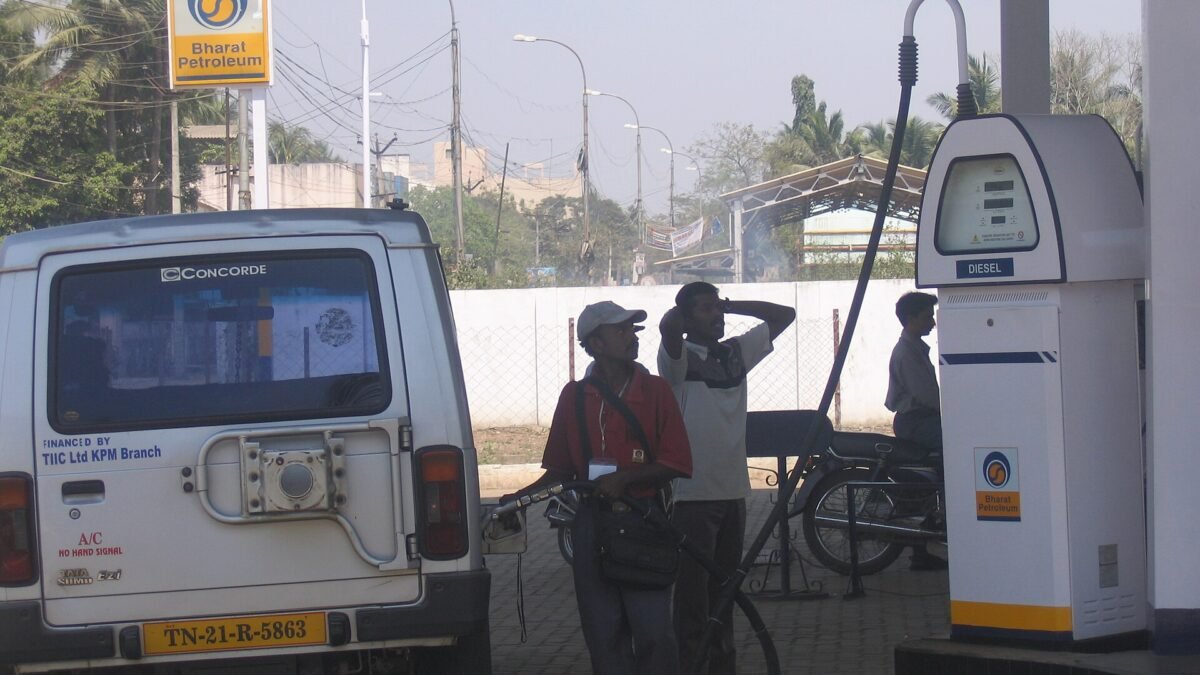
Every petrol pump in India has been serving E20 (petrol cut with 20% ethanol) since April 1, 2026, and the government has now quietly laid the groundwork for the next jump: E22, E25, E27 and E30. If your mileage has felt a little off lately, or you are wondering whether your bike or car can actually handle what is coming out of the nozzle, here is the plain-English version of what is happening and why it matters to you.
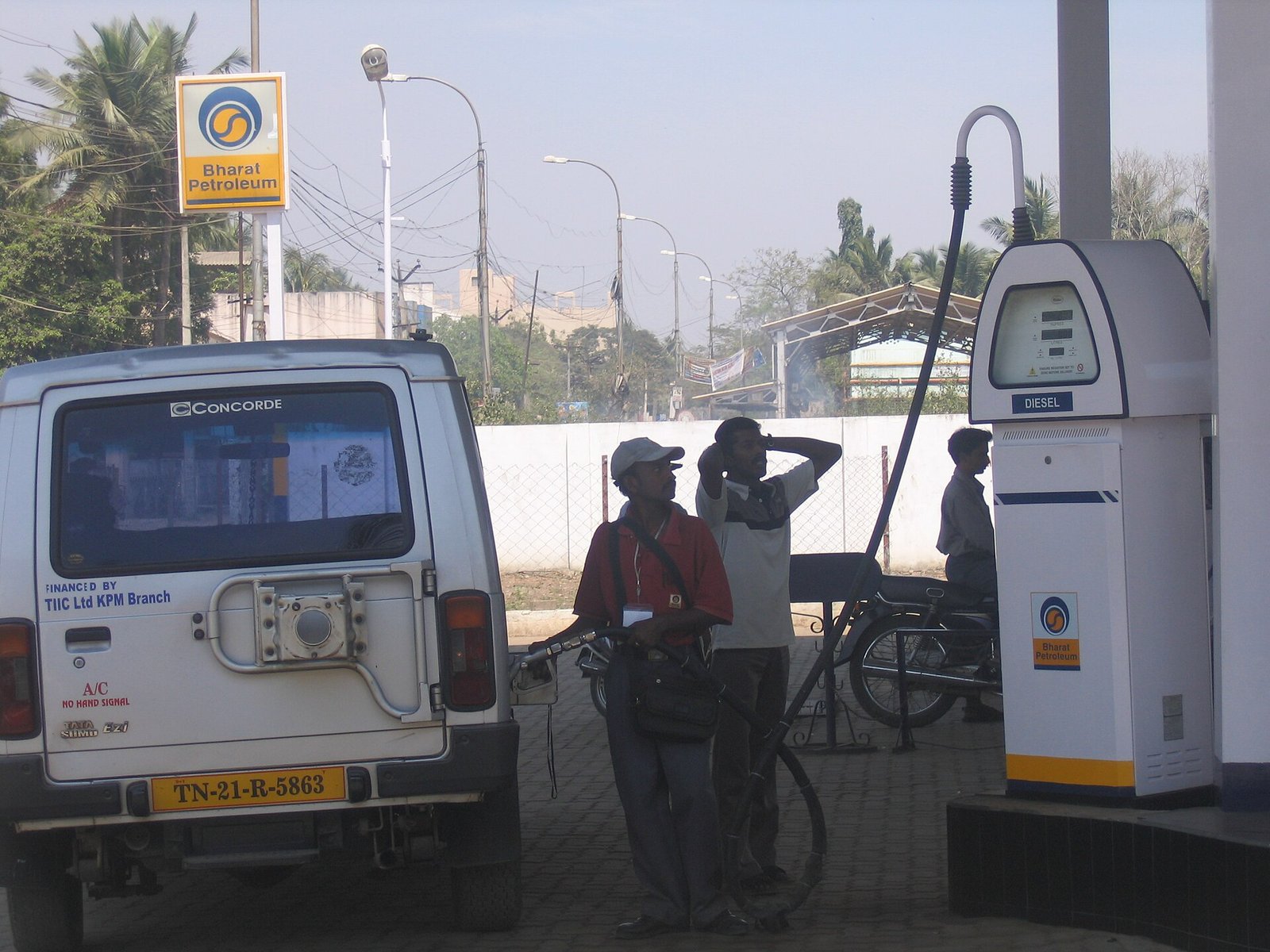
What E20 actually is
E20 is regular petrol blended with 20% ethanol, a plant-derived alcohol made mostly from sugarcane and grain in India, instead of pure petrol. India hit this 20% blending target in 2025, five years ahead of the original 2030 deadline, and completed the nationwide rollout by April 1, 2026. The Ministry of Petroleum reiterated in a formal statement on June 23, 2026 that the programme is “scientifically validated and continuously monitored,” with no widespread engine failures reported since the rollout.
Why your mileage might have dropped
Ethanol carries less energy per litre than pure petrol, so some drop in fuel efficiency is expected, typically 3 to 7 percent for vehicles not specifically tuned for E20. The good news: any petrol vehicle built from April 2023 onward is regulatorily required to be E20 compliant, with engine mapping and fuel system materials designed around the blend. Maruti, Hyundai, Tata, Toyota, Kia and Mahindra now sell E20-ready models across their range, including everyday hatchbacks like the Maruti Suzuki Swift, where you can check the full specs and on-road price.
If your vehicle is older, built for E10 between roughly 2020 and early 2023, it will run on E20, but expect that mileage hit, and see the next section for the parts worth checking. Check your owner’s manual or the fuel-lid sticker on newer vehicles to confirm compatibility rather than guessing.
Is E20 safe for an older car or bike?
Mostly yes, with one maintenance job worth knowing about. The petroleum ministry has said that in certain older vehicles, some rubber parts and gaskets may need replacing after roughly 20,000 to 30,000 km on E20, and that the work is cheap and done during a regular service. In a written reply in the Rajya Sabha, Nitin Gadkari narrowed that further: the government’s testing flagged it only for BS-III vehicles sold from April 2005 and built before 2016.
An ARAI study reported in July 2026 was less reassuring for E10-era vehicles. It listed fuel hoses, gaskets, seals and O-rings as parts that may need replacing, without giving a timeline.
| Your vehicle | What to do |
| Built from April 2023 | Nothing. It was designed to run on E20. |
| Built from 2016 to early 2023 | Expect a small mileage drop, and ask for the fuel hoses and seals to be checked at your next service. |
| BS-III, built before 2016 | Have the rubber fuel parts and gaskets inspected, and replaced if they have hardened or cracked. The petroleum ministry describes it as a one-time job. |
Where the ethanol comes from, and why E30 is next
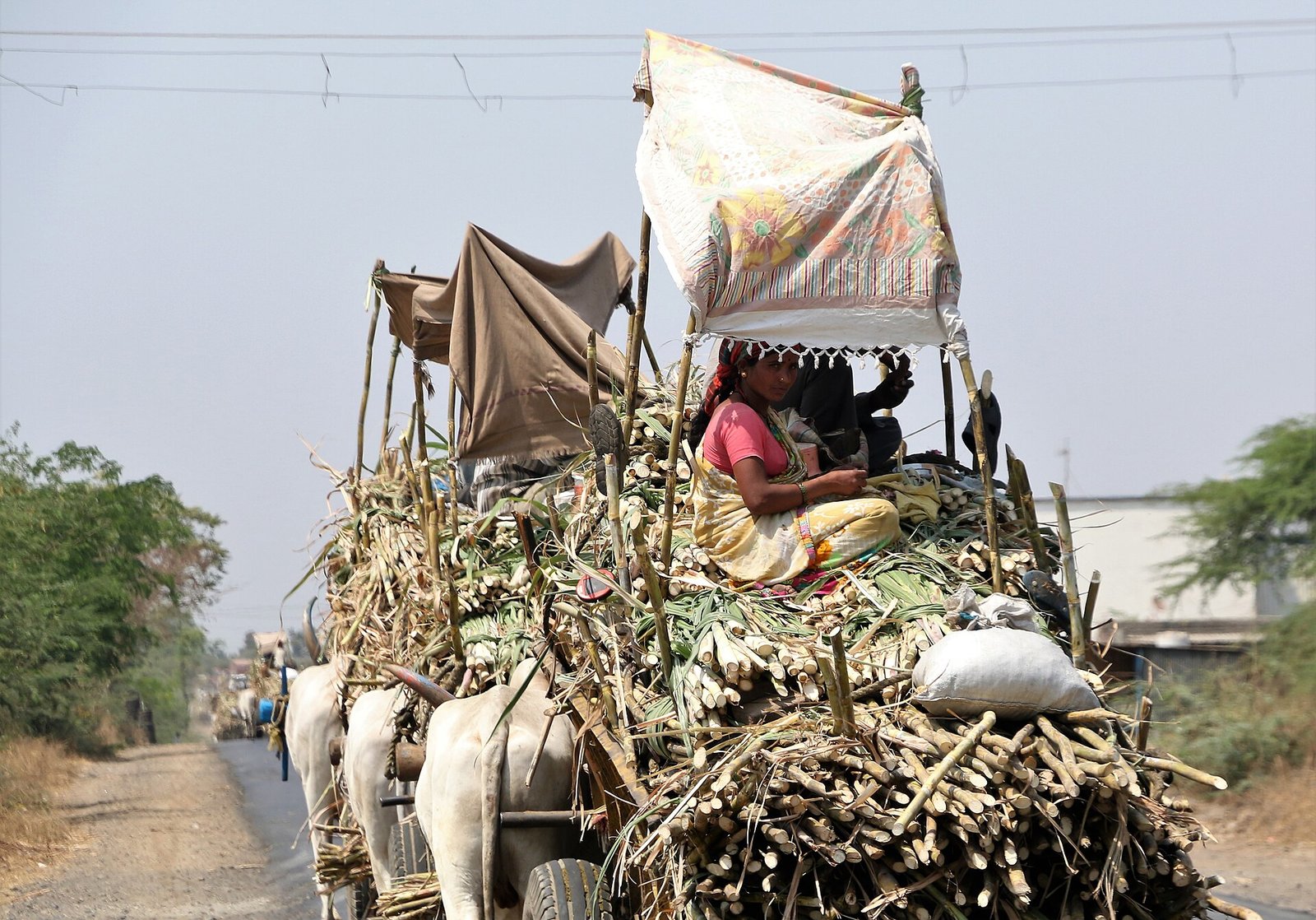
India’s ethanol supply has scaled up dramatically to make this rollout possible, from 38 crore litres produced in 2014 to over 661 crore litres by mid-2025, most of it from sugarcane and grain. That domestic sugarcane economy is exactly why the government is not stopping at E20.
On May 15, 2026, the Bureau of Indian Standards notified a new technical standard, IS 19850:2026, defining fuel specifications for E22, E25, E27 and E30 blends. This does not mean these blends are showing up at your local pump tomorrow, it simply means India now has an official rulebook for how they should be manufactured, the step that has to happen before any wider rollout can even be considered.
The quick-reference table
| Blend | Ethanol content | Status in India (Aug 2026) |
| E10 | 10% | Phased out at the pump, still what most cars built before 2020 were designed for |
| E20 | 20% | Live nationwide at every petrol pump since April 2026 |
| E22 to E30 | 22% to 30% | Fuel standard notified by BIS in May 2026, no retail rollout date yet |
If your vehicle is 2023 model year or newer, E20 is a non-issue. If it is older, budget for a slightly shorter tank range, and if it was built before 2016, have the rubber fuel parts checked at your next service.
What this means for your next purchase
If you are shopping for a new car or bike right now, E20 compatibility is effectively the baseline for anything sold new in India today, so it is not something you need to specifically chase. What is worth watching is the E22 to E30 groundwork. It is early and there is no confirmed pump rollout date, but expect manufacturers to start building in headroom for higher blends the way they did for E20. For now, fill up as usual and don’t believe social media claims about E20 wrecking engines, the government’s own monitoring data says otherwise.


