






























Electric pickups have had one big problem since day one: they cost a fortune. The Ford F-150 Lightning and Rivian R1T both start north of ₹40 lakh once you convert the dollar price, which is luxury SUV money for what is supposed to be a work truck. That is finally changing, and it is changing fast. Within the space of a few weeks, two American companies have both promised to build the cheapest electric truck in the country, and now they are on a collision course with each other.
We told you about Ford’s Fathom when it broke cover at $28,350 (roughly ₹24 lakh) and looked like the price leader nobody could touch. That lasted barely a few days. A tiny Michigan startup called Slate, backed by Amazon founder Jeff Bezos, has now confirmed pricing on its own electric truck at $24,950, undercutting Ford by nearly $3,400 before either one has actually delivered a single vehicle. Here is how the two stack up, and why the difference between them matters a lot more than just the sticker price.
The price fight
On paper, Slate wins on price alone. Its base “Blank Slate” truck starts at $24,950 and Ford’s official starting MSRP for the Fathom is $28,350 (about $29,945 once you add destination charges, according to Ford’s own website). But sticker price is only half the story here. These two trucks are aimed at very different kinds of buyers.
| Ford Fathom | Slate Truck | |
| Starting price | $28,350 (~$29,945 with destination) | $24,950 |
| Battery | 400V LFP (lithium iron phosphate), size and range not yet released | 65 kWh LFP, 205 miles of estimated range |
| Motor | Not yet disclosed | Single rear motor, 181 hp and 195 lb-ft torque |
| Seats | 5 | 2 (base), 5 in the optional SUV conversion |
| On sale | Pre-orders early 2027, deliveries later 2027 | Production starts Q4 2026 |
Two completely different ideas of “cheap”
The Fathom is built on Ford’s brand new Universal EV Platform, which uses what Ford calls unicasting. Think of it like a giant metal ice cube tray: instead of welding together dozens of small panels, big single pieces of metal are cast in one shot, which cuts assembly cost and time. It is the same basic trick Tesla popularised with its Gigapress. The Fathom seats five, gets Ford’s hands-free highway driving system called BlueCruise, and can send power back out of its battery to run your house during a power cut, a feature known as bidirectional charging or vehicle-to-home power. Ford has not yet released the Fathom’s range, motor output, or towing numbers, and there are also no official photos of the truck out yet since Ford chose to reveal only the name and price so far.
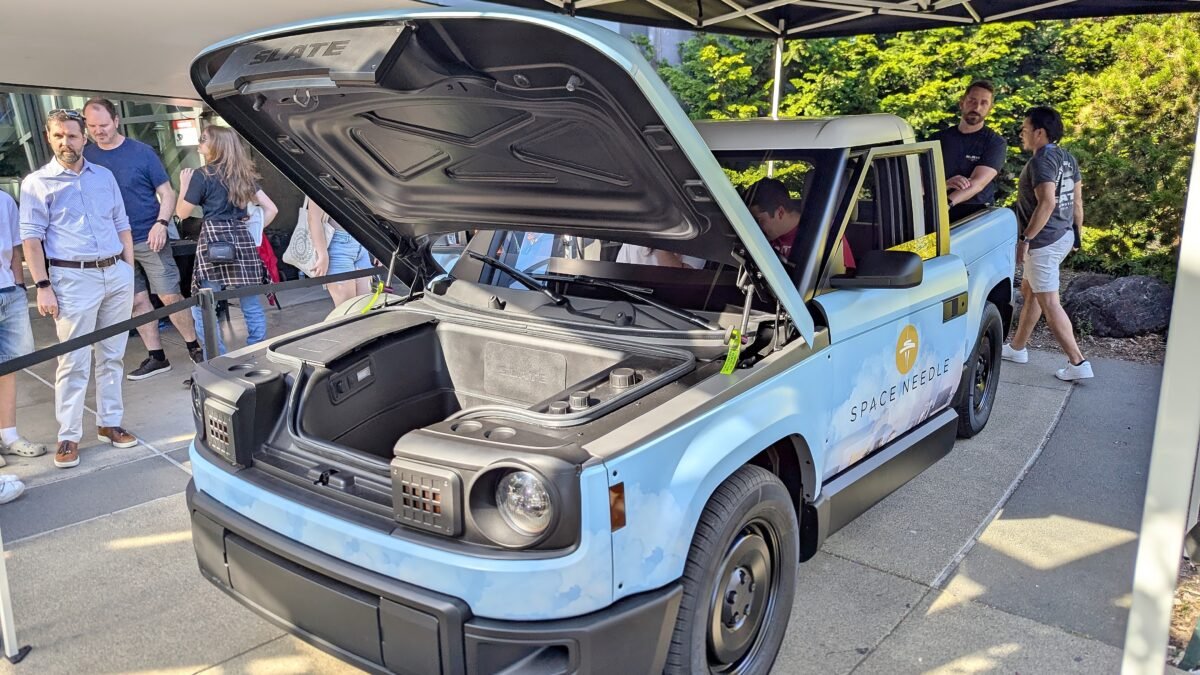
Slate takes the opposite approach entirely. The base truck is a bare-bones two seater with steel wheels, roll-up windows, and a plastic body designed to resist dents and rust rather than look flashy. What makes it interesting is that Slate sells accessory kits that let you turn the truck into a five-seat SUV yourself, adding a rear seat, extra airbags, and a full roof. It is less a finished product and more a starting point you build on, which is exactly why Slate can hit that lower price.
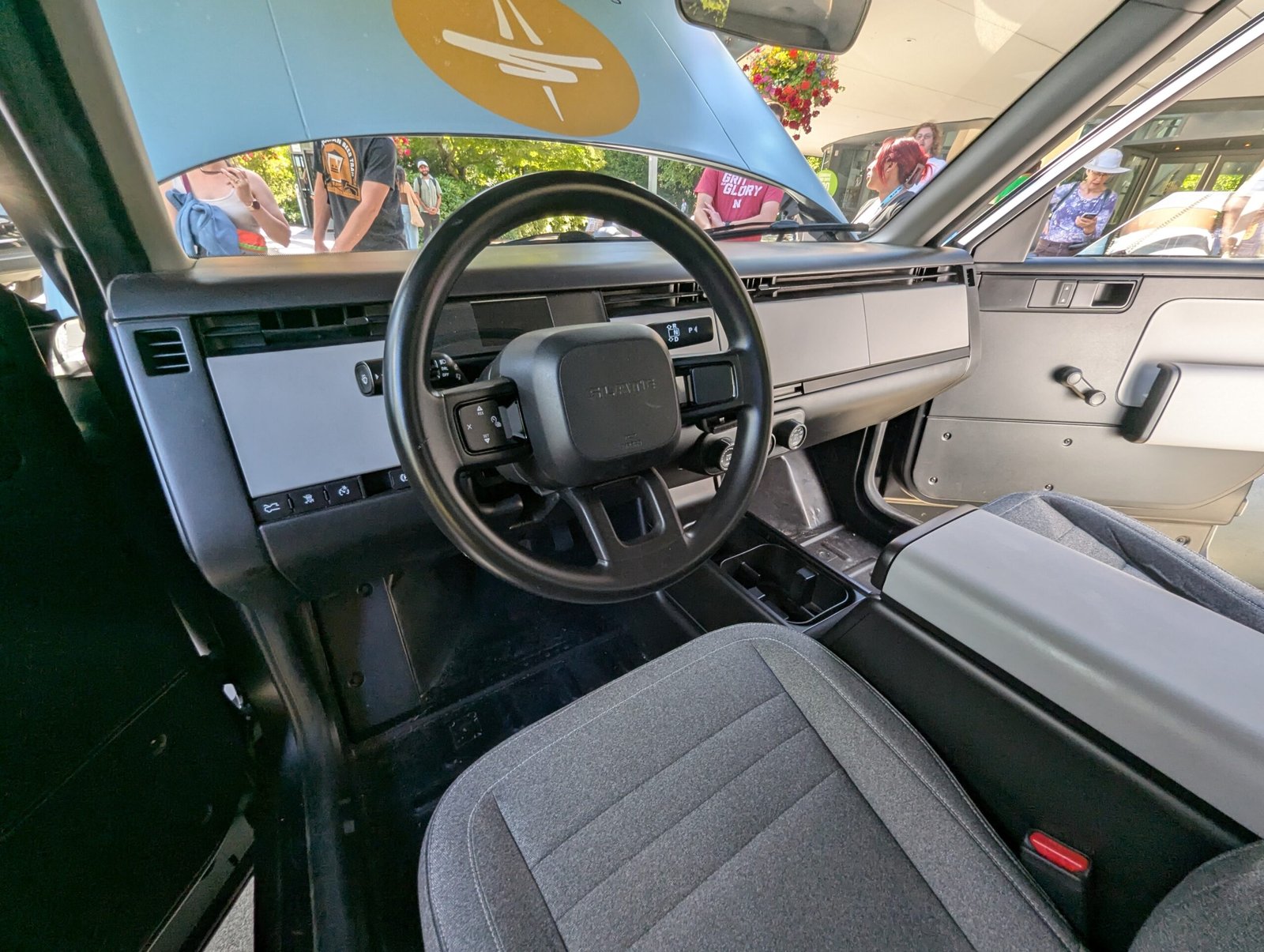
So which one should you actually be excited about?
If you just want the cheapest way into an electric truck and do not mind a stripped-out cabin, Slate gets there first and gets there cheaper. If you want a proper five-seat family truck with real driver assistance tech, wait for the Fathom, but be ready to wait a lot longer for it to actually show up.
Neither of these trucks is coming to India, and Ford has confirmed nothing beyond a name and a price so far. But this is worth watching anyway. When two major players start racing each other to the bottom on EV truck pricing, the platform tricks and battery chemistry that make it possible, like LFP cells and single-piece castings, eventually filter down into the electric vehicles that do land in Indian showrooms. Keep an eye on both of these through 2027.


