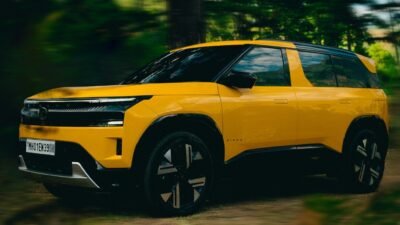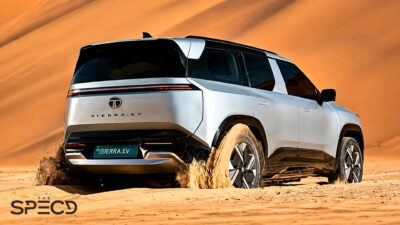



















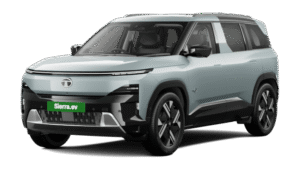

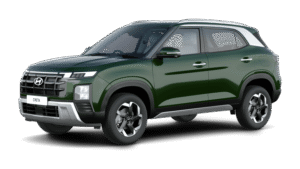




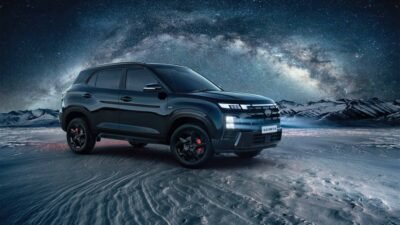

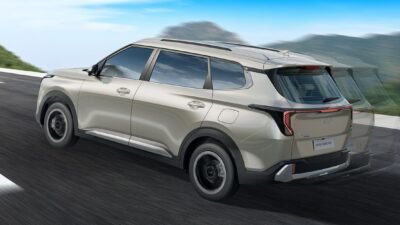
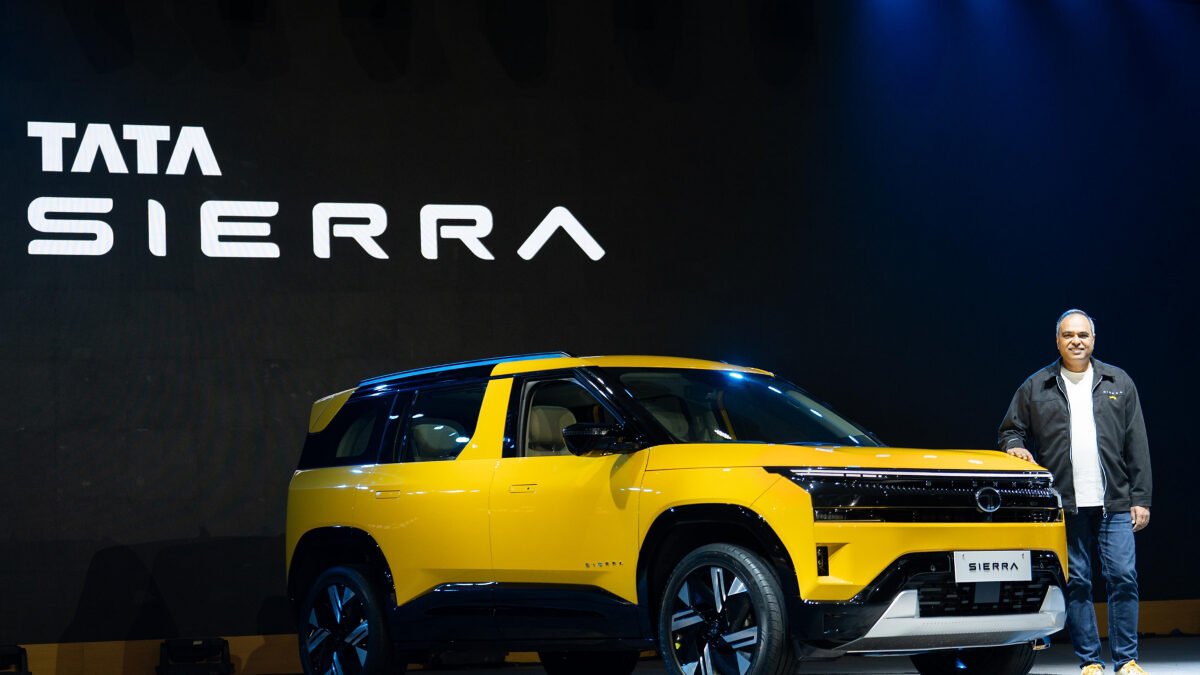
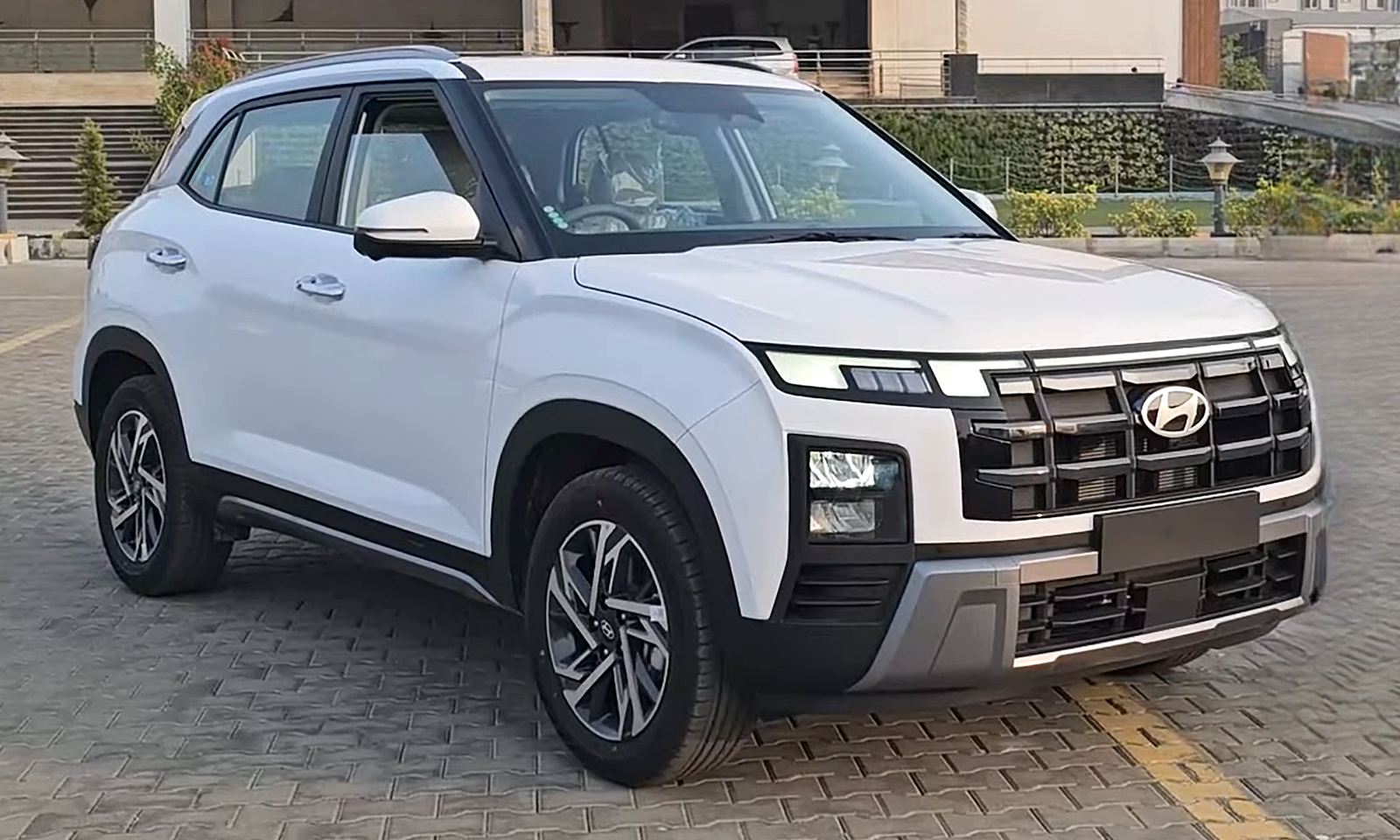
Tata just brought back one of Indian automotive history’s most nostalgic names, and it landed straight in the middle of the segment that Hyundai has owned for a decade. The new Tata Sierra is priced from ₹11.49 lakh to ₹21.29 lakh (ex-showroom), which puts it toe to toe with the Hyundai Creta, a car that has been India’s best-selling midsize SUV since 2015 and has now crossed 1.4 million customers.
So here’s the real question if you’re cross-shopping this price band: does nostalgia and a genuinely different design translate into a better SUV, or is the Creta still the safer buy?
Price and variants: more overlap than you’d expect
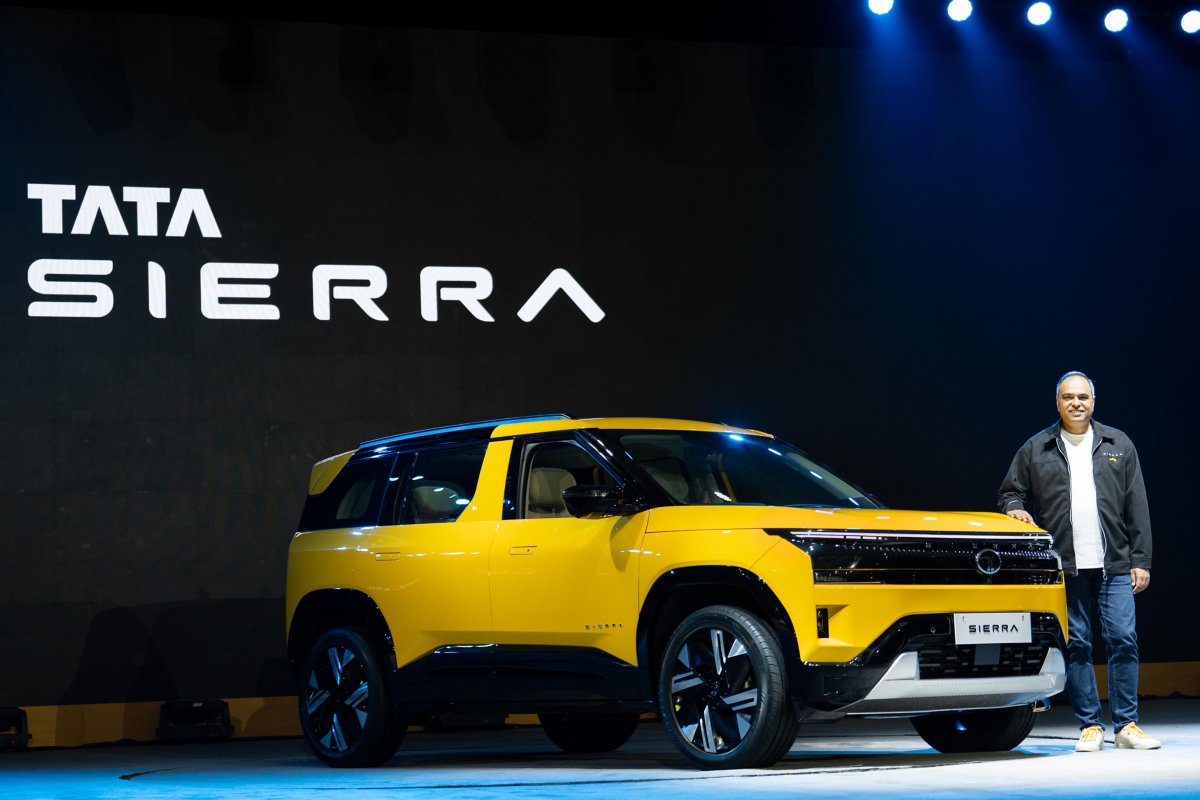
The Creta starts lower, at ₹10.91 lakh for the base petrol manual, and tops out at ₹20.11 lakh for the fully loaded King Knight diesel automatic, across 27 variants. The Sierra starts a bit higher at ₹11.49 lakh and climbs to ₹21.29 lakh across 24 variants. In practice, most buyers cross-shopping mid-spec automatic variants of either car will land within a lakh or two of each other, so this is a straight fight, not a case of one car undercutting the other. Working out EMIs before you decide? This site’s EMI calculator can run both on-road prices for you.
Engines: the turbo-petrol numbers are identical
Both SUVs come with a 1.5-litre naturally aspirated petrol, a 1.5-litre turbo petrol, and a 1.5-litre diesel, each with manual and automatic options. Torque, for anyone who hasn’t heard the term, is basically how much pulling power an engine has at low revs, which matters more than peak horsepower for city crawls and highway overtakes with a full car.
| Spec | Tata Sierra | Hyundai Creta |
| NA petrol | 106 hp / 145 Nm | 115 hp |
| Turbo petrol | 160 hp / 255 Nm | 160 hp |
| Diesel | 118 hp / 260 Nm | 116 hp / 250 Nm |
| Wheelbase | 2,730 mm | 2,610 mm |
| Ground clearance | 205 mm | N/A |
| Boot space | 450 to 622 litres | 433 litres |
The turbo-petrol figure is an exact tie at 160 hp, so that fight comes down to gearbox tuning and road feel, not a spec-sheet win. Where the Sierra pulls ahead is the diesel (marginally more power and torque) and, more importantly, that 120 mm longer wheelbase, which usually means more rear-seat legroom, a big deal if you’re carrying three adults in the back regularly.
Space, ground clearance, and safety
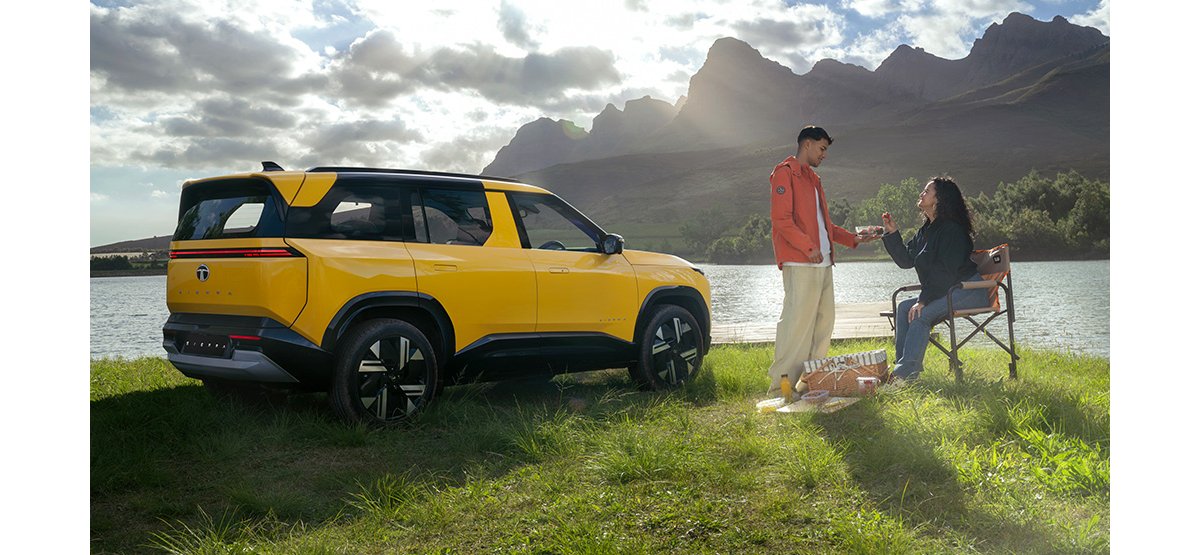
The Sierra also claims more boot space (up to 622 litres to the roofline versus the Creta’s 433 litres) and a 205 mm ground clearance that should matter if you deal with monsoon flooding or broken highway patches outside the big metros. Both cars get six airbags as standard; the Sierra carries a 5-star Bharat NCAP rating from March 2026. Both also offer Level 2 ADAS, a driver-assist suite including automatic emergency braking and lane-keeping, on their higher variants, along with 360-degree cameras.
The turbo engines are a dead heat. The real difference is space: the Sierra’s extra 120 mm of wheelbase and nearly 200 litres of boot advantage are the kind of thing you notice every single day, not just on a spec sheet.
So which one should you actually buy?
Want the known quantity: a decade of resale data, a service network in every district, a car proven with over a million Indian families? The Creta is still the safer, lower-risk buy, and it undercuts the Sierra at every trim by a small but real margin. Want more back-seat room, more boot space, and a design that isn’t another rounded crossover silhouette? The Sierra is the more interesting car for roughly the same money. Pull up the full spec sheets side by side using the compare tool before you decide.