




























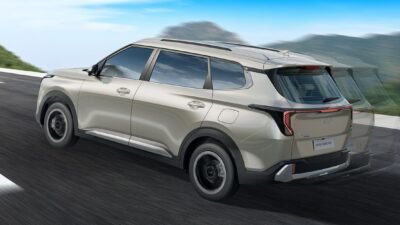


India’s draft BS7 rules, put out by the road transport ministry on 12 October 2026, will not make a new car’s exhaust pipe pass a stricter lab limit the way the jump from BS4 to BS6 did. Petrol cars stay at 60 mg/km of NOx, diesel cars at 80 mg/km, same as today. The real change starts April 1, 2029, and targets something no Indian rule has gone after directly before: the gap between what a car emits in a certified lab test and what it actually pumps out stuck in Mumbai or Bengaluru traffic. Automakers are already telling analysts the new testing and durability demands will raise what it costs to engineer a car.
What Actually Changes, and When
The three draft notifications amend the Central Motor Vehicles Rules and cover vehicles in phases by category, not a single switch-over date. Passenger cars (category M1) go first.
| Vehicle category | What it covers | First phase | Later phases |
| M1 | Passenger cars | April 2029 | April 2031, April 2035 |
| N1 | Light commercial vehicles | April 2030 | April 2032, April 2035 |
| M2, M3, N2, N3 | Buses and medium/heavy trucks | April 2031 | April 2033, April 2035 |
Two-wheelers and three-wheelers don’t appear in any of the three draft notifications. More on why that matters below.
The Real-World Driving Loophole BS7 Closes
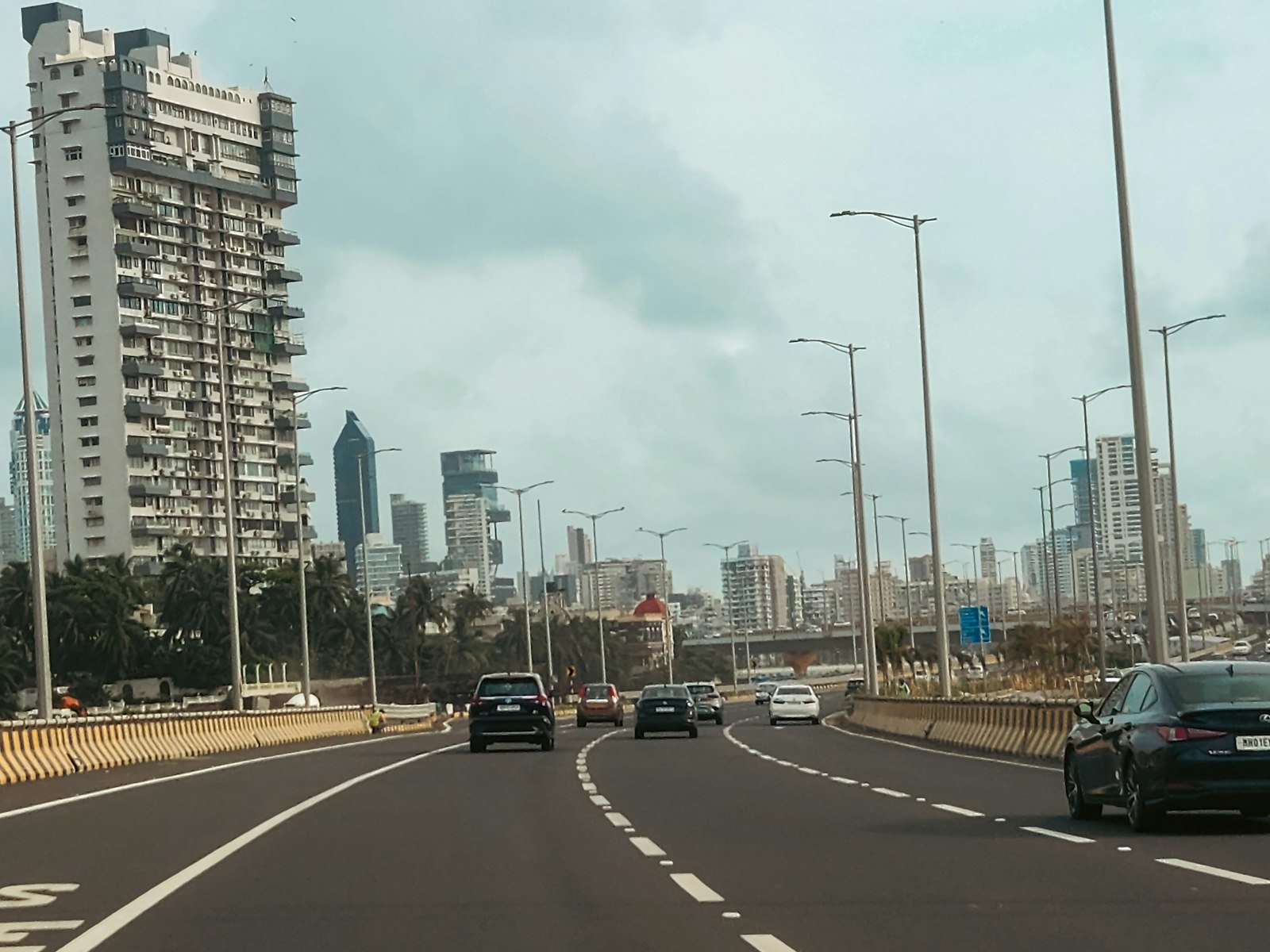
Under BS6, a car certified in the lab is allowed to emit considerably more on an actual road: the permitted real-driving margin is 43% over the lab NOx limit and 50% over the lab particle-number limit. From April 2030, BS7 sets that real-driving conformity factor at 1.0 for passenger cars, meaning the car has to hit its lab number on the road too, checked with portable testing equipment, not just on a dynamometer. Particle counting itself also gets more sensitive, moving from counting particles of 23 nanometres and above down to 10 nanometres, catching the smaller soot particles that newer direct-injection petrol engines put out.
| Measure | BS6 (now) | BS7 (from 2029-30) |
| NOx limit, petrol | 60 mg/km | 60 mg/km (unchanged) |
| NOx limit, diesel | 80 mg/km | 80 mg/km (unchanged) |
| Real-driving NOx margin allowed | Up to 43% over lab limit | 0% (conformity factor 1.0) |
| Particle counting floor | 23 nanometres | 10 nanometres |
| Brake particulate limit | Not regulated | 7 mg/km (ICE/hybrid), 3 mg/km (EV), from 2031 |
One industry trade publication’s review of the draft also flagged an “Environmental Vehicle Passport”, a record of a vehicle’s emissions, energy use and, for EVs, battery health over its life, plus onboard systems that must flag when a vehicle is polluting more than it should in use.
Brake Dust and EV Battery Health Now Get Rules Too
This is the part that has nothing to do with exhaust at all. From April 2031, brake particulate matter is capped at 7 mg/km for petrol, diesel and hybrid cars, and at 3 mg/km for pure EVs, tightening to a single 3 mg/km limit for every powertrain by 2035. Tyre abrasion limits start in 2035 too, with the exact numbers still to be notified. EVs and plug-in hybrids made from April 2029 must also retain at least 75% of their usable battery capacity for five years or 100,000 km, whichever comes first, dropping to a 67% floor out to eight years or 160,000 km. None of this existed in Indian rules before.
Why Two-Wheelers Aren’t on This List Yet
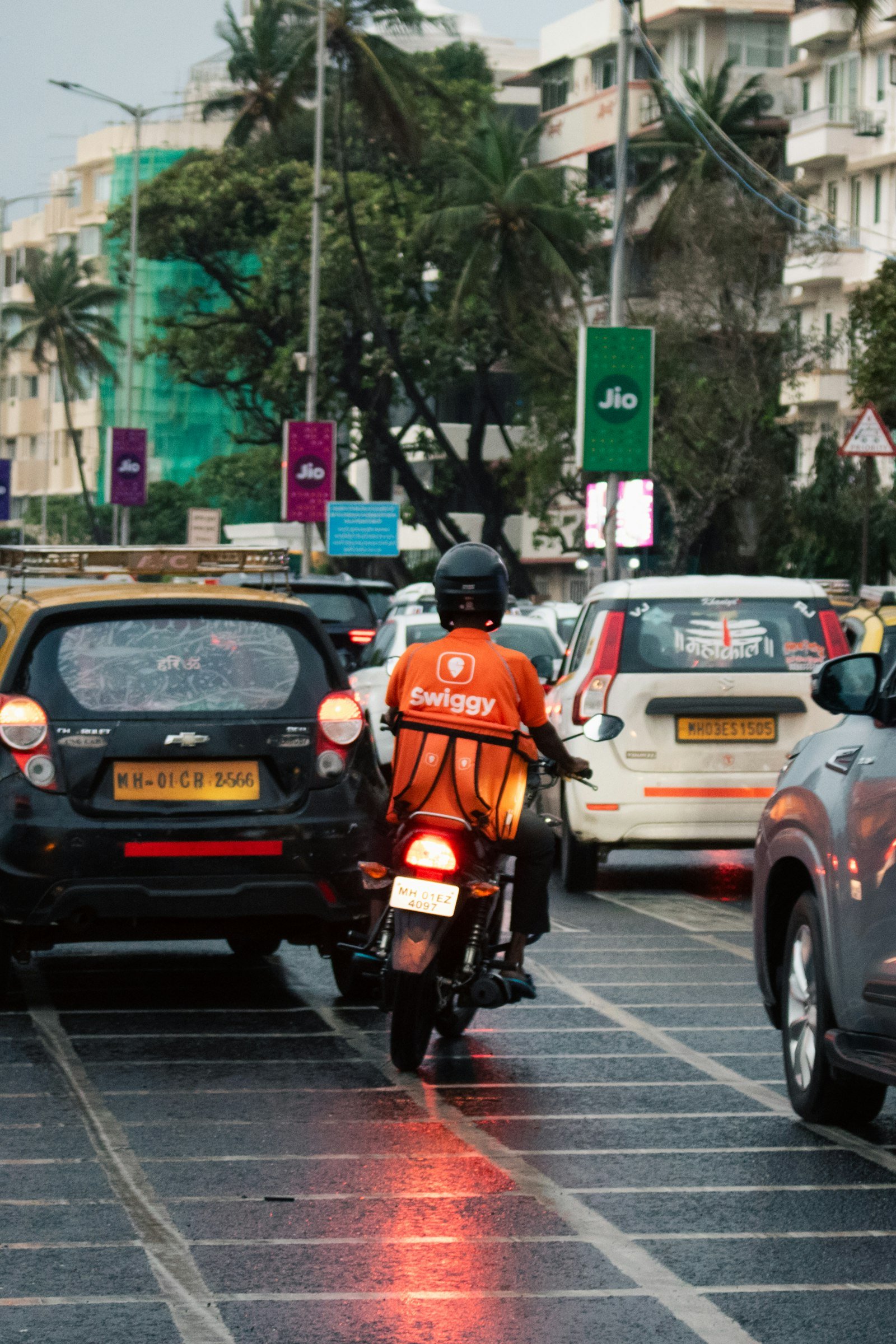
Here’s the gap most coverage of this draft skates past: none of the three October notifications mention two-wheelers or three-wheelers at all. It’s not a new pattern; four-wheeler onboard diagnostic requirements landed well ahead of equivalent two-wheeler rules under BS6 too. In a market where two-wheelers outsell cars by a wide margin every month, a vehicle-emissions roadmap that skips them for now is a real omission, not a technicality. If you ride more than you drive, BS7 as drafted changes nothing for your next bike.
Will This Make Your Next Car Pricier
Not by 2029 on its own, and nobody has published a rupee figure yet. But Vivek Sharma, an analyst at the research firm GlobalData, told Forbes India that the new testing and durability requirements mean “higher engineering and validation requirements and investment in emission-control technology,” which could mean “potentially higher vehicle development costs.” That cost tends to reach the showroom eventually, the way BS6’s did. Diesel cars keep their 20 mg/km higher NOx allowance over petrol, but it’s the conformity-factor rule from 2030 that will actually test that allowance on the road; if you’re weighing diesel against petrol now, it’s worth browsing every diesel car currently on sale before that testing regime bites.
BS7 isn’t really a tailpipe story. It’s a paperwork story: the lab number a car is sold on finally has to match what it does in actual traffic, and that’s a harder thing for an automaker to fake than a one-time limit cut.
Does BS7 apply to two-wheelers and scooters?
Not in this draft. All three October 2026 notifications cover only passenger cars, light commercial vehicles, buses and trucks. A separate two-wheeler timeline hasn’t been announced.
Will BS7 make cars more expensive right away?
No. The earliest phase starts April 2029 for new passenger-car models, so nothing changes at the showroom today. Industry analysts expect the added testing and durability requirements to raise development costs over time, but no official price impact has been published.
What is the real-driving conformity factor, in plain terms?
It’s how much more a car is allowed to pollute on an actual road than it does in its certified lab test. BS6 allows up to 43% more NOx on the road; BS7 cuts that allowance to zero from 2030, so the lab number has to hold up in real traffic.