






















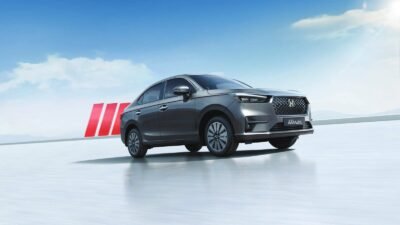

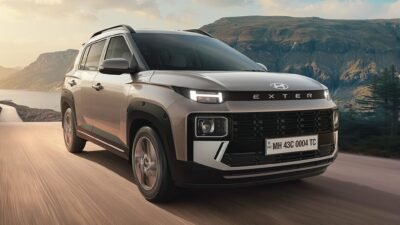
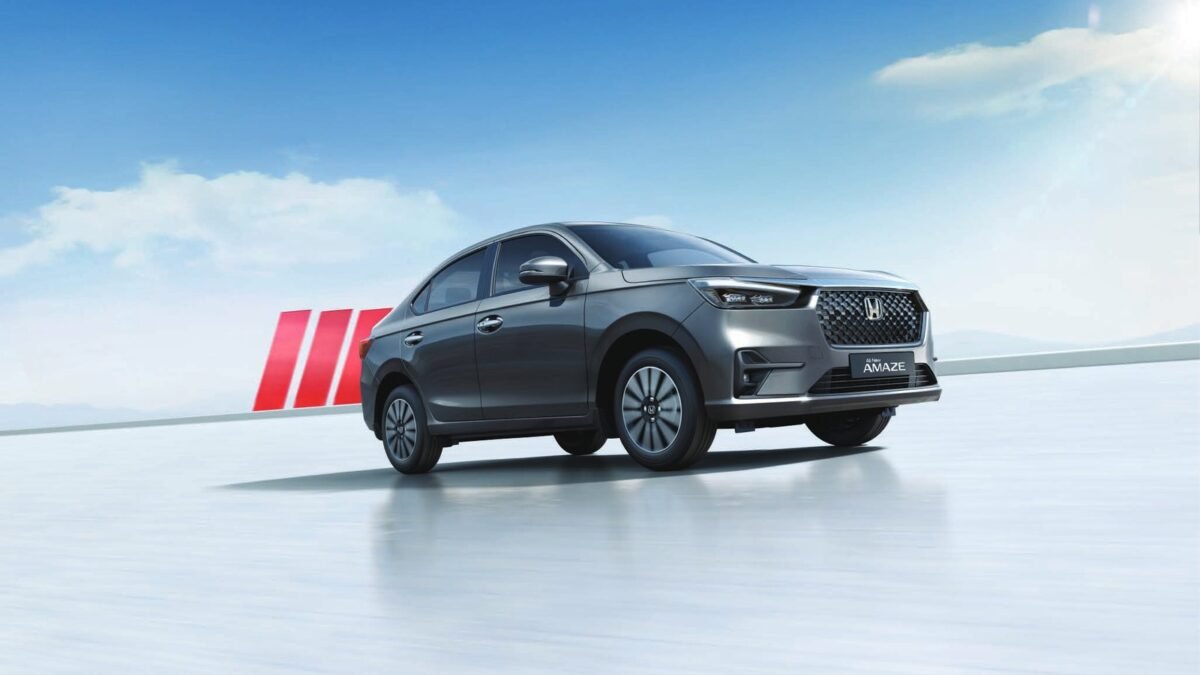
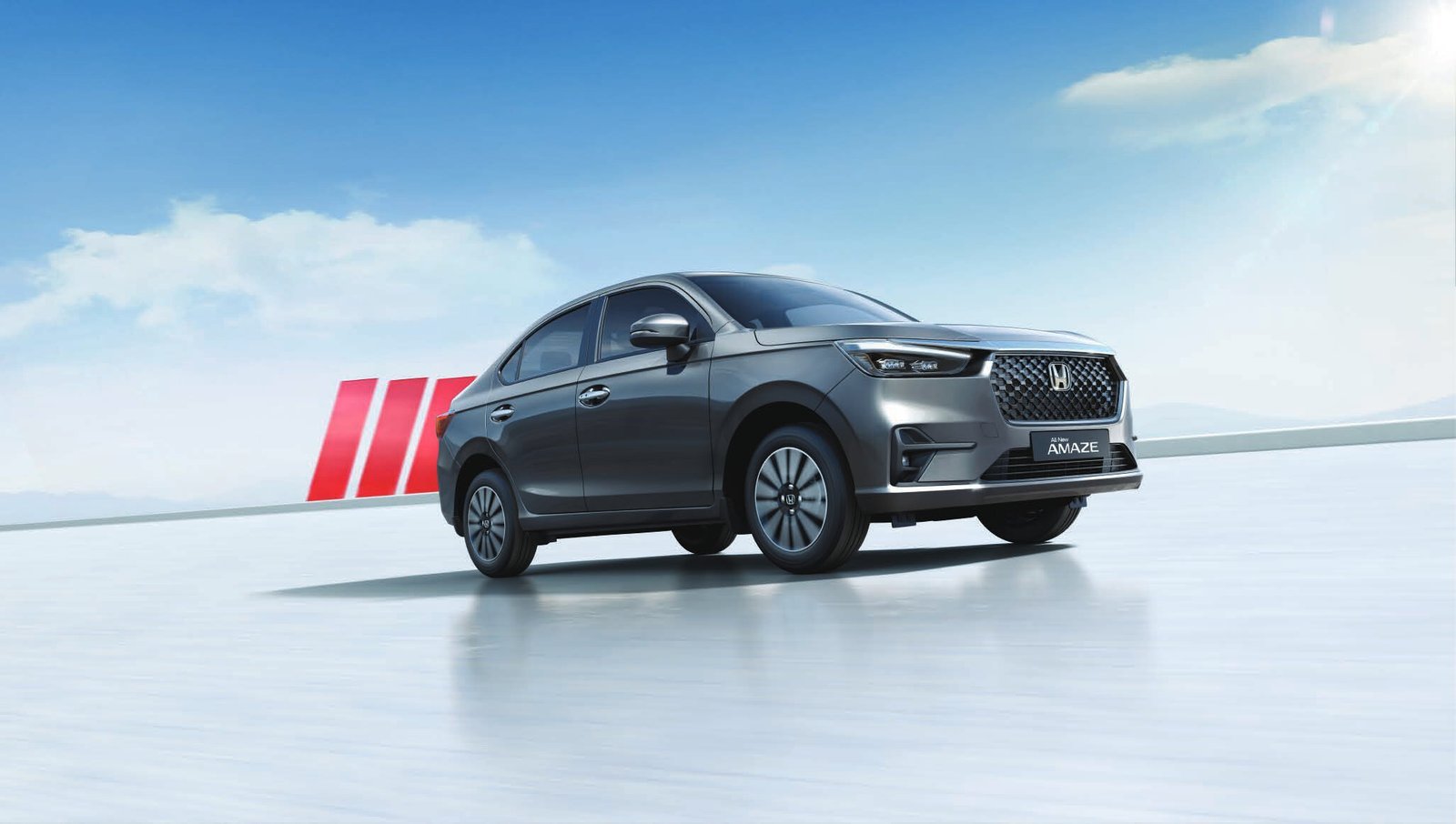
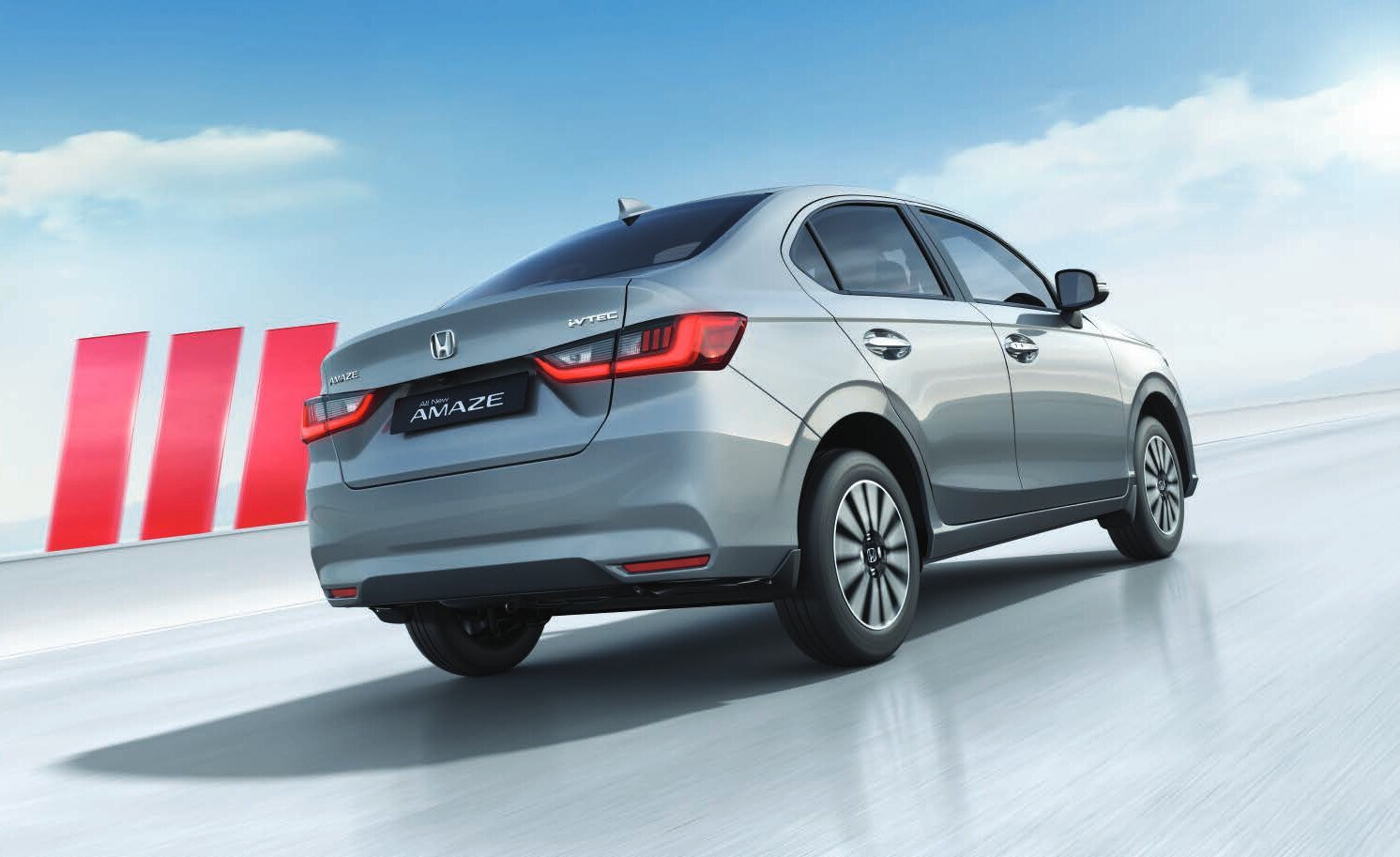
Every “5-star Bharat NCAP” badge you see in an Indian showroom is really two separate scores stapled together, and the one that protects your children can land a full star lower than the one that protects you. The Honda Amaze proves it: Bharat NCAP gave it 5 stars for adult occupant protection, 28.33 out of 32 points, but only 4 stars for child occupant protection, 40.81 out of 49. Most listings just say “5 stars” and move on.
How Bharat NCAP Actually Scores a Car
Bharat NCAP, the government’s own crash-test programme under Automotive Industry Standard AIS 197, does not hand out one number. A frontal offset test and a side-barrier test score how well an adult-sized dummy is protected, out of 32 points. Child dummies and ISOFIX anchor points are scored separately, out of 49 points. Each half gets its own star rating, 1 to 5, and the two can differ.
| Stars | Adult Occupant Protection (out of 32) | Child Occupant Protection (out of 49) |
| 5 stars | 27 to 32 points | 41 to 49 points |
| 1 star | 0 to 4 points | 0 to 9 points |
Points alone don’t buy 3 stars or higher. Bharat NCAP also requires a seat belt reminder and electronic stability control, the system that senses a skid and brakes individual wheels to pull the car back in line, as standard fitment before it awards 3 stars or above to either half of the test.
Why a “5-Star” Car Can Still Be 4-Star for Kids
The Amaze is not a bad car by this measure. Its own vehicle page lists 6 airbags as standard on every one of its six variants, including the ₹7.65 Lakh base V MT, so the kit behind the adult score isn’t locked behind a top trim the way it is on some rivals. But the child score sits one full band below the adult one, at 40.81 out of 49, just short of the 41-point cut-off for 5 stars, something a buyer comparing only the headline “5 stars” would never see.
Two Cars That Scored 5 and 5
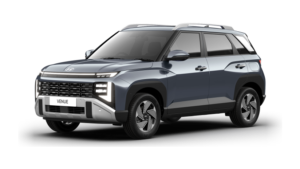
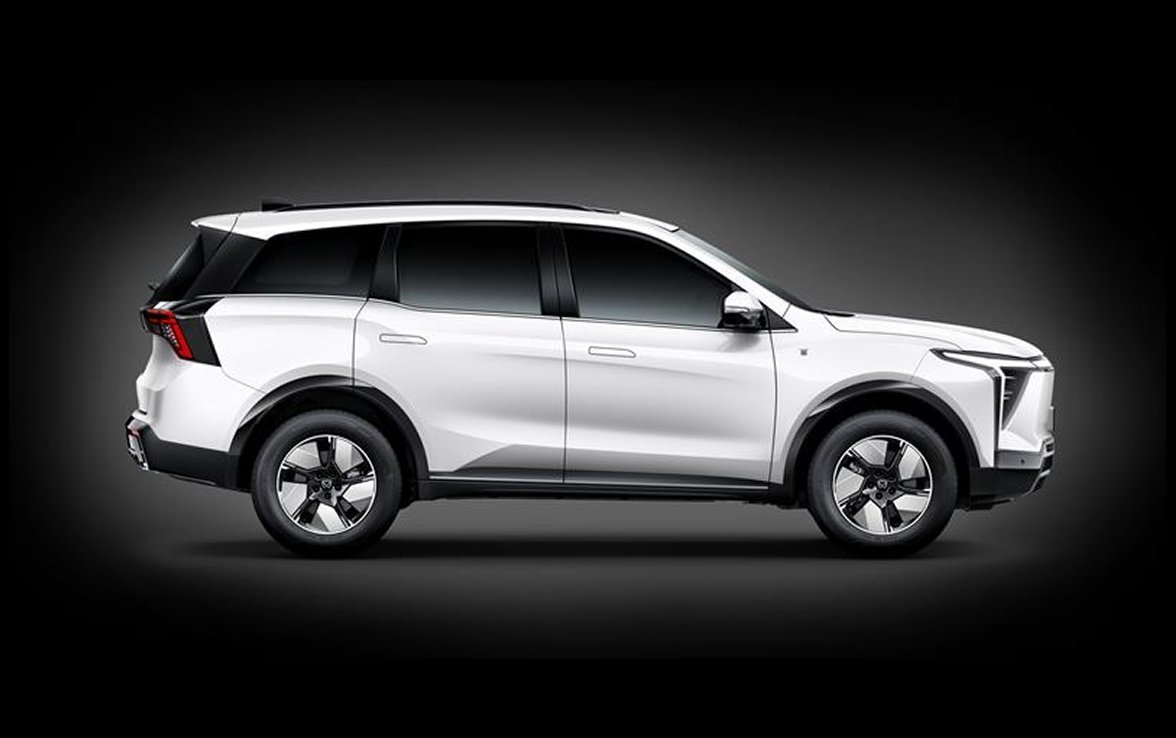
Not every car splits this way. The Hyundai Venue was tested in 2026 and scored 31.15 out of 32 for adults and 44.46 out of 49 for children, 5 stars on both halves. The Mahindra XEV 9S went further: Mahindra announced on 17 November 2026 that Bharat NCAP gave it 31.15 out of 32 for adults and 45 out of 49 for children, a combined 76.15 out of 81, the highest total any seven-seater, petrol, diesel or electric, has scored in India.
| Car | Adult score | Child score | Stars (adult/child) |
| Honda Amaze | 28.33 / 32 | 40.81 / 49 | 5 / 4 |
| Hyundai Venue | 31.15 / 32 | 44.46 / 49 | 5 / 5 |
| Mahindra XEV 9S | 31.15 / 32 | 45 / 49 | 5 / 5 |
The XEV 9S result comes with its own catch, and The Spec’d reported it when Mahindra announced the score: the seven airbags and radar-based ADAS suite the company credited for the number are standard only from the ₹27.85 Lakh Pack Three trim up, not the ₹20.65 Lakh Pack One that most listings quote as the starting price. That entry version comes to about ₹21.89 Lakh on the road in Bhubaneswar, the cheapest of the 39 cities The Spec’d prices it in, and ₹24.78 Lakh in Guwahati, the most expensive, a ₹2.87 Lakh gap driven mostly by road tax. None of that buys the car Mahindra crash tested.
A 5-star badge tells you what the tested variant scored. It does not tell you whether the variant in the showroom, or the one a dealer is pushing you toward, is the same car.
The Car With No Score at All
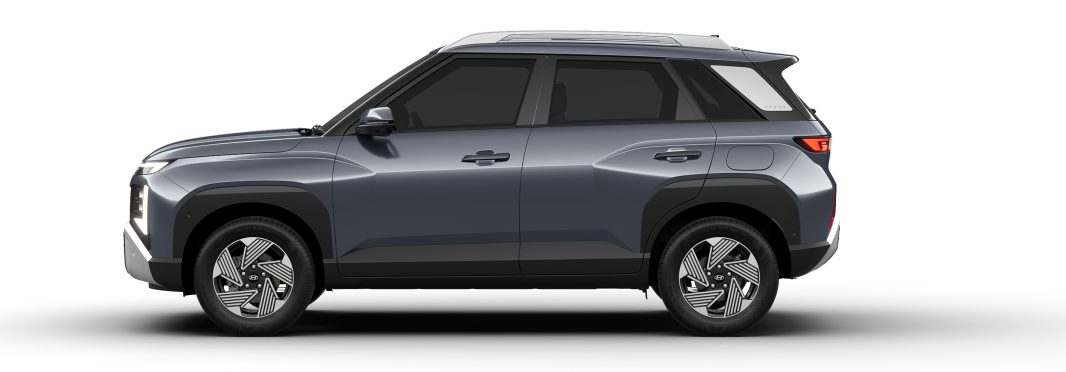
Some rivals skip the test entirely. In a recent on-road price comparison, The Spec’d found the Kia Sonet has not been crash tested by Bharat NCAP in its current India-spec form. The only published score anywhere is for a 2-airbag Sonet built for the South African market, which scored just 1 star for adults from Global NCAP, a separate international test body. That car carries less kit than the 6-airbag version sold here, so the number doesn’t transfer directly, but it is still the only result that exists for it. No score is a different problem from a split score, and worth checking separately; see every model on The Spec’d’s list of the safest cars under ₹10 Lakh that actually has one.
What to Actually Check Before You Buy
Three questions matter more than the star count on a brochure. Does the car have a Bharat NCAP result at all, since plenty of popular models in India still don’t. Do the adult and child stars match, and if not, by how much. And is the safety kit that earned the score standard on the variant you can actually afford, or gated behind a trim several lakh above it, as it is on the XEV 9S.
What does a Bharat NCAP star rating actually measure?
It measures two separate things: how well an adult-sized dummy is protected in a frontal and side crash, scored out of 32 points, and how well child dummies and child-seat anchors are protected, scored out of 49 points. Each gets its own 1-to-5 star rating, and a seat belt reminder plus electronic stability control are mandatory for either to reach 3 stars or above.
Can a car be 5-star for adults but not for children?
Yes. The Honda Amaze is the clearest current example: 5 stars for adult occupant protection at 28.33 out of 32 points, but only 4 stars for child occupant protection at 40.81 out of 49, just under the 41-point line for 5 stars.
Is a 3-star Bharat NCAP car unsafe to buy?
Not automatically. A 3-star rating already requires the mandatory seat belt reminder and stability control, and the points bands run from 16 to 21 out of 32 for adults at that tier. It is meaningfully behind a 5-star car on protection, but it is not the same as a car with no rating or no safety assist tech at all, which is the more serious gap to watch for.