



































MoRTH’s draft crash test overhaul makes ESC and curtain airbags mandatory and adds three tougher tests, so a 5-star rating earned today won’t mean the same thing after October 2027.
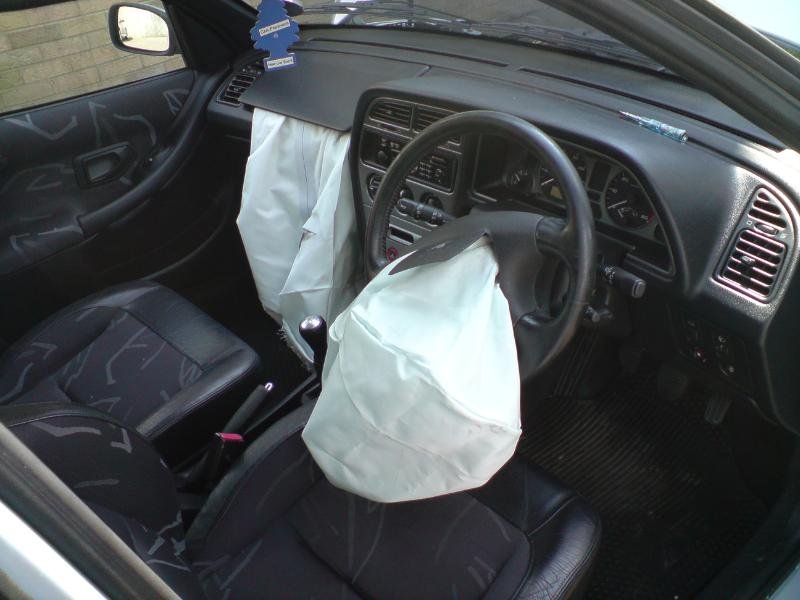
Bharat NCAP is about to get a lot harder to ace. The Ministry of Road Transport and Highways (MoRTH) has drafted a revised crash test standard, AIS-197 Revision 1, better known as Bharat NCAP 2.0. It doubles mandatory crash tests from two to five, makes electronic stability control (ESC, the system that brakes individual wheels to stop your car skidding on a wet flyover) and curtain airbags compulsory for any car seeking a rating, and raises the points needed for five stars in stages through 2031. If it takes effect on schedule in October 2027, several cars sitting comfortably at 5 stars today will need real hardware changes to stay there.
This isn’t a rumour from a single blog. MoRTH published the draft in November 2025 under AIS-197 (Revision 1), independently reported in the Indian press and listings, all citing the same government document. The comment window closed on December 20, 2025, and the new protocol replaces the existing one when the current AIS-197 guidelines expire on September 20, 2027.
What Actually Changes Under Bharat NCAP 2.0
The current Bharat NCAP, running since August 2023, scores cars on adult occupant protection, child occupant protection and safety assist technologies using two crash tests. Version 2.0 restructures the whole thing into a single 100-point score spread across five weighted pillars, and it stops treating stability control and side-head protection as optional extras.
| Bharat NCAP (current) | Bharat NCAP 2.0 (from Oct 2027) |
| 2 mandatory crash tests | 5 mandatory crash tests |
| ESC and curtain airbags not required for testing | ESC and curtain airbags compulsory to be assessed at all |
| Score split across AOP, COP, SAT | 100-point score across 5 pillars, weighted 55/20/10/10/5 |
| No pedestrian/two-wheeler-rider test block | Vulnerable Road-User Protection is 20% of the score |
The Three New Crash Tests Your Next Car Must Survive
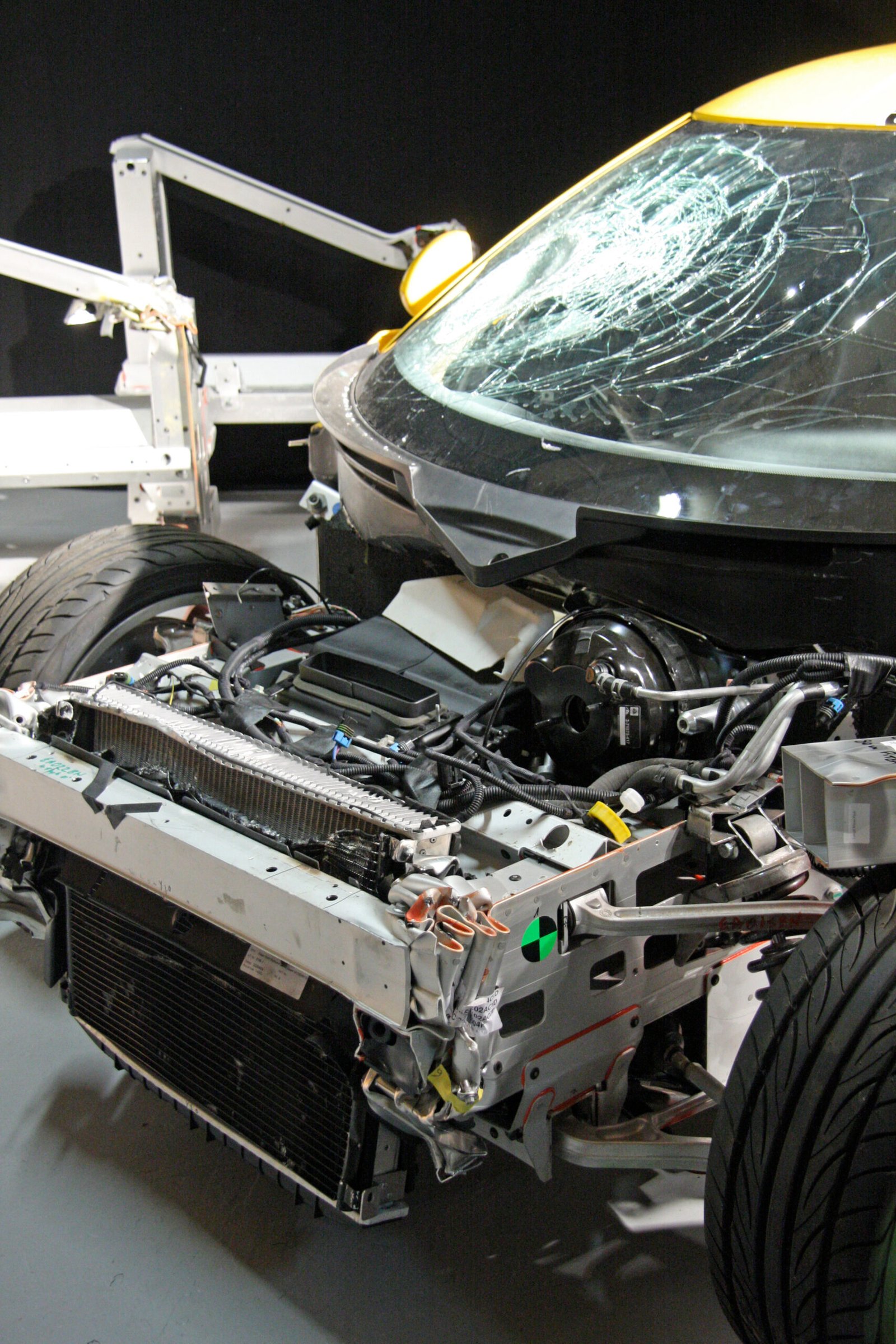
Every car tested under Bharat NCAP 2.0 will go through five separate impacts instead of two: a 64kph offset frontal impact, a 50kph full-width frontal impact against a rigid barrier, a 50kph mobile lateral (side) barrier impact, a 32kph oblique pole side impact, and a new 50kph mobile rigid rear impact test. The pole test alone is significant because it concentrates the entire crash force on a narrow point roughly where a driver’s ribcage sits, which is exactly the kind of impact curtain airbags are built for and door-mounted side airbags alone don’t cover well.
Will Your Current 5-Star Car Still Be a 5-Star Car in 2027?
Not automatically, and MoRTH has built the transition in stages rather than as a cliff-edge. A 5-star rating needs 70 out of 100 points from October 2027 to 2029, rising to 80 points from 2029 to 2031. A car also cannot claim five stars if it scores zero on any single pillar, so a model with great crash protection but no pedestrian-safety engineering at all would get capped.
| Period | Points needed for 5 stars |
| October 2027 to 2029 | 70 / 100 |
| 2029 to 2031 | 80 / 100 |
Good news for buyers of larger SUVs: cars like the Tata Safari already ship with ESC and curtain airbags standard across the range, not locked to a top trim, exactly what Bharat NCAP 2.0 demands before it will even run the tests. The Mahindra XUV700 sits in the same bracket; you can line the two up on our Tata Safari vs Mahindra XUV700 comparison tool. The bad news is at the other end: budget hatchbacks and entry-level sedans that still treat ESC as a top-variant-only feature will struggle to get evaluated at all. We covered which cars currently hold a 5-star badge in The 5-Star Club; Bharat NCAP 2.0 is why that list is about to get harder to join, not easier.
The honest read: Bharat NCAP 2.0 doesn’t retest your car and strip its rating. It changes what a rating means going forward, so a “5-star” badge earned in 2026 and one earned in 2028 will not represent the same level of protection.
What This Means If You’re Buying Before or After October 2027
Autonomous emergency braking (AEB), the system that brakes on its own if you’re about to hit something, stays technically optional in the draft. But MoRTH’s scoring math makes it optional in name only: without AEB and driver-warning systems feeding the Accident Avoidance pillar, hitting the 70-point floor gets much harder, and no car is expected to reach five stars without it in practice. If you’re shopping now, treat a 5-star Bharat NCAP badge as a good signal, but check whether ESC and curtain airbags are standard or trim-locked, since that gap is exactly what the 2.0 rules target. We explained the same before-and-after gap for AEB in the US market in our earlier piece on America’s AEB mandate, and the logic transfers directly here.
Frequently Asked Questions
What is Bharat NCAP 2.0?
It’s MoRTH’s draft revision to India’s car crash test standard (AIS-197 Revision 1), expanding testing from 2 crash tests to 5, making ESC and curtain airbags mandatory to be rated at all, and moving to a 100-point score across five weighted safety pillars. It’s expected to take effect in October 2027.
Is ESC mandatory in all new cars in India right now?
Not yet under current law. Bharat NCAP 2.0 makes ESC and curtain airbags a precondition for getting any star rating at all, which will push manufacturers to fit them as standard, but the draft rules haven’t been finalised or notified as law as of this writing.
Will cars that already have a 5-star Bharat NCAP rating lose it in 2027?
No. Existing ratings aren’t retroactively retested or revoked. What changes is the bar for any car tested after the new protocol kicks in, so a 5-star badge earned under the old rules and one earned under Bharat NCAP 2.0 will represent different, non-comparable levels of protection.


