



























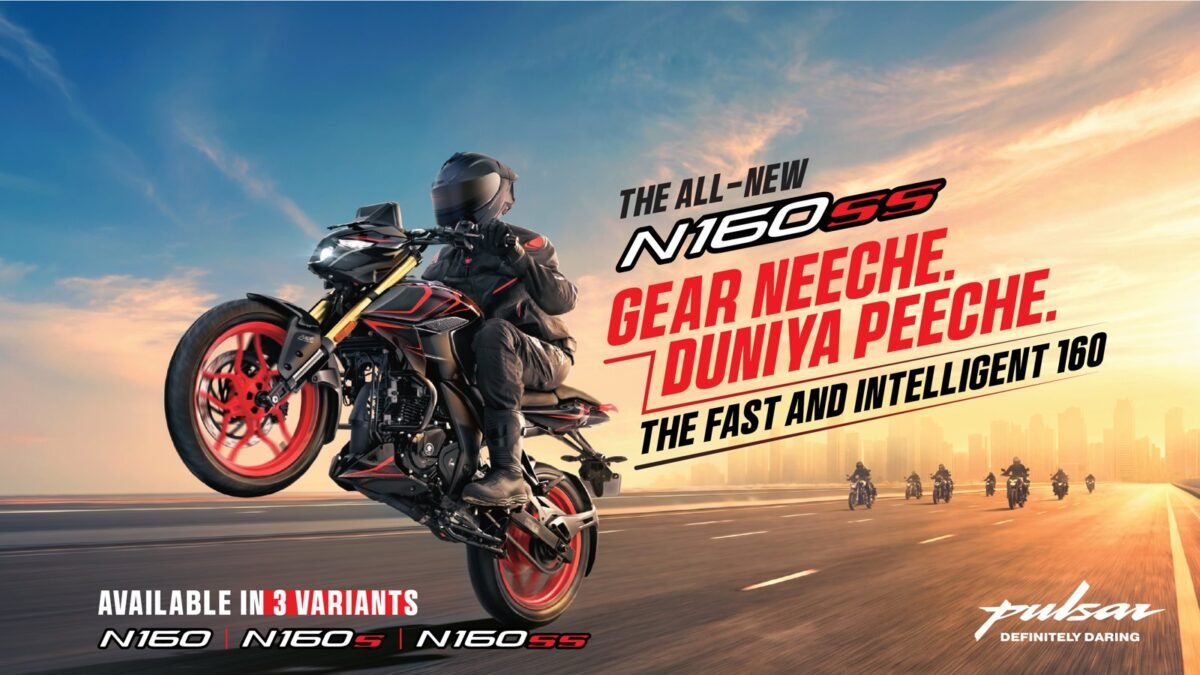
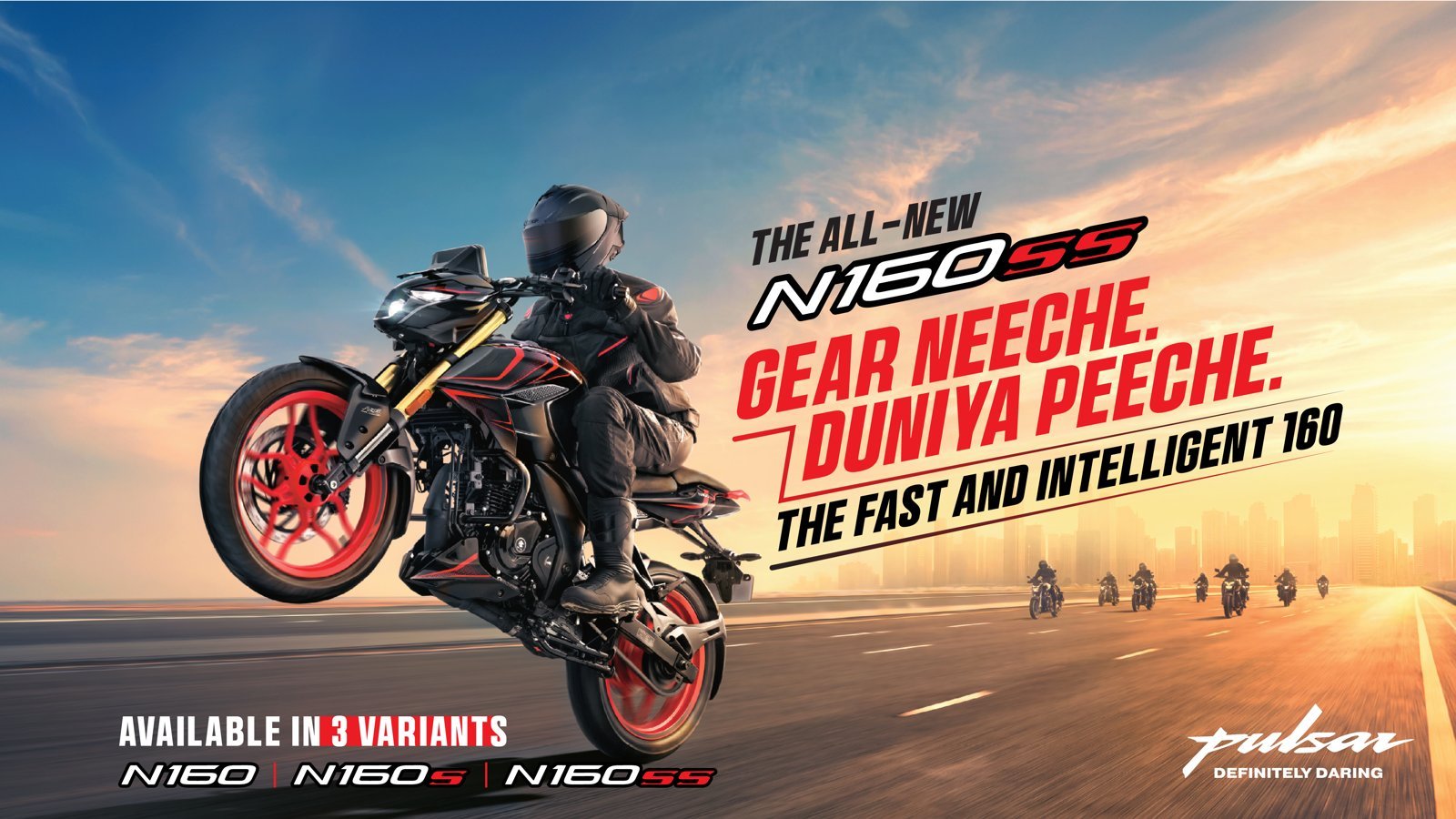
The Bajaj Pulsar N160 is the one to book if a 40 km daily commute is the actual job, not the TVS Apache RTR 160 4V that looks faster in the showroom. Across four bikes in the ₹1.15-1.42 lakh ex-showroom band, the N160’s 14-litre tank and 51.6 kmpl ARAI figure add up to real range no rival here matches, without losing the naked-street stance that keeps it from looking like a pure commuter.
Shopping beyond these four? See every 150cc bike and every 160cc bike on sale, with prices kept up to date.
This is the segment Indian office-goers actually cross-shop: 150-160cc bikes with enough mid-range torque for a pillion up a flyover ramp, enough highway legs for a weekend Lonavala or Nandi Hills run, and a fuel bill that will not wreck a monthly budget. We compared four bikes on sale in India now, separating ARAI-claimed mileage from what owners and mileage-tracking platforms actually log.
The Four Bikes and What They Actually Cost
| Bike | Ex-Showroom Price | Engine | Fuel Tank |
| Bajaj Pulsar N160 | ₹1.16-1.29 lakh | 164.82cc, single-cylinder | 14 litres |
| Honda Unicorn | ₹1.15 lakh | 162.71cc, single-cylinder | 13 litres |
| TVS Apache RTR 160 4V | ₹1.20-1.41 lakh | 159.7cc, single-cylinder | 12 litres |
| Hero Xtreme 160R 4V | ₹1.34-1.42 lakh | 163.2cc, single-cylinder | 12.5 litres |
The Apache’s top price jumped in September 2026: TVS added a TFT-with-Google-Map-Mirroring variant priced from ₹1,41,440 ex-showroom Delhi, which pushes the flagship into Hero Xtreme territory even though the base Apache still undercuts it.
Claimed Mileage vs What Owners Actually Report
Every ARAI number here is a lab figure measured in ideal conditions with no traffic, no AC-equivalent drag, and a rider who never touches the brakes hard. Nobody’s commute looks like that, so here is the claimed number next to what real riders log.
| Bike | ARAI Claimed | Real-World City Mileage | Source |
| Bajaj Pulsar N160 | 51.6 kmpl | 43-46 kmpl | Owner logs on Indian listing mileage trackers |
| Honda Unicorn | 50 kmpl | 42-47 kmpl | Owner logs on Indian listing mileage tracker |
| Hero Xtreme 160R 4V | 48 kmpl | 40-45 kmpl | Owner logs on Indian listing mileage tracker |
| TVS Apache RTR 160 4V | 41.4 kmpl | 37-40 kmpl | Owner logs on Indian listing mileage tracker |
No independent instrumented mileage test from a named outlet has been published recently for any of these four bikes, so the real-world numbers above come from crowd-logged mileage trackers, not a lab or a single test ride. Treat the low end of each range as the number to budget for once Bengaluru or Mumbai traffic gets involved.
On a 40 km round trip, five days a week, the N160’s 14-litre tank at a conservative 43 kmpl real-world figure gives about 602 km of range, roughly three weeks between fill-ups. The Apache’s smaller 12-litre tank at 37 kmpl caps out closer to 444 km, a full week’s worth of commuting shorter.
Which One Actually Suits a Daily 40 KM Ride
Buy the Bajaj Pulsar N160 for range and running cost over outright cornering feel. It has the biggest tank, the best claimed and real-world mileage here, and dual-channel ABS as standard on every variant. The base N160 at ₹1.16 lakh is the one to book; the N160SS with gold USD forks adds nearly ₹13,000 for suspension a daily commuter will rarely load hard enough to notice.
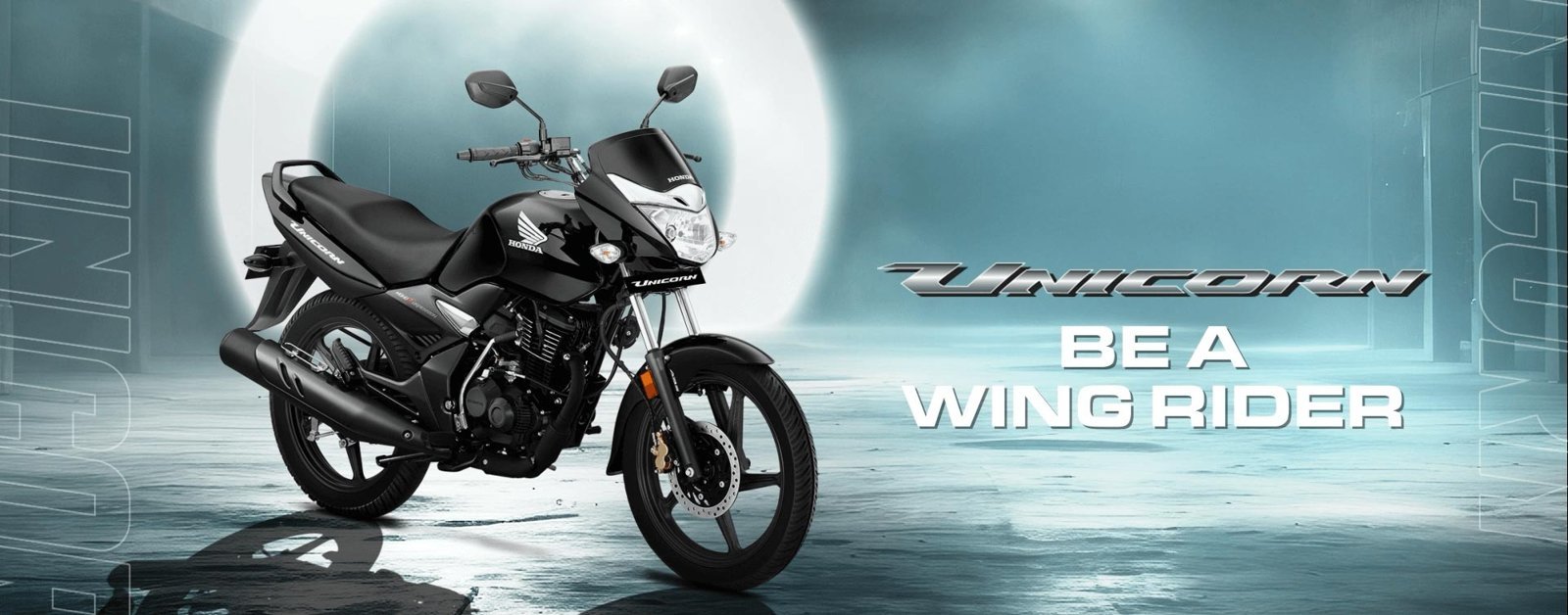
Buy the Honda Unicorn for the lowest price and the widest dealer network. At ₹1.15 lakh it undercuts every rival, its mileage sits close to the Pulsar, and Honda’s service reach matters when a bike needs a same-day fix mid-week.
Buy the TVS Apache RTR 160 4V only for the sportier riding position, and accept refuelling more often. It has the smallest tank and lowest mileage here, both claimed and real-world, so the street-fighter looks and race-derived electronics cost you range.
Where the Hero Xtreme 160R 4V Falls Short
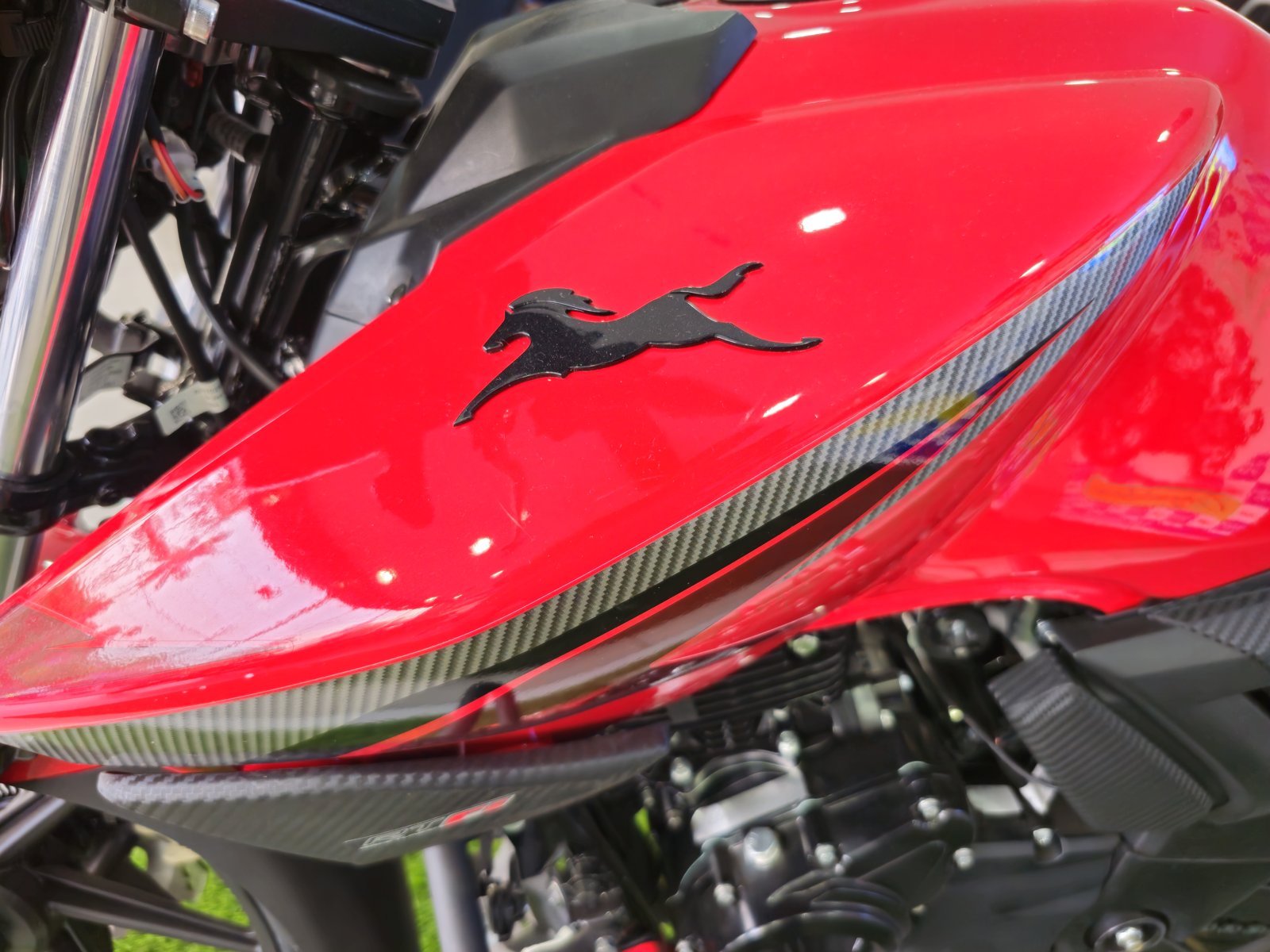
The Xtreme 160R 4V is the priciest bike here at up to ₹1.42 lakh ex-showroom, yet its mileage lands in the middle of the pack rather than justifying that premium. Some owners on an Indian listing’s review section flag the seat as uncomfortable past 30-40 minutes, which matters on a 40 km commute that can run close to an hour in heavy traffic. Cruise control on top trims is a genuine convenience, but the Pulsar N160 offers ABS on every variant for roughly ₹13,000 less.
Running Costs Beyond the Fuel Bill
Dealer reach matters once the warranty visits start. Honda and Hero run India’s widest two-wheeler service networks, keeping spare-parts wait times low even in tier-2 towns. A zero-depreciation add-on cover is worth budgeting for on any of these four, since a single panel replacement after a low-speed spill can cost thousands more than a base policy pays out.
For a strict 40 km daily commute where fuel and range decide the monthly bill, the Pulsar N160 wins on numbers. For lowest purchase price and dealer reach, it is the Unicorn.
Frequently Asked Questions
Which 150-160cc bike gives the best real-world mileage for daily commuting?
Owner-logged mileage data puts the Bajaj Pulsar N160 and Honda Unicorn closest, both in the low-to-mid 40s kmpl in city traffic. The TVS Apache RTR 160 4V trails by roughly 5-6 kmpl due to its sportier, higher-compression tune.
Is the TVS Apache RTR 160 4V worth the extra price over the Pulsar N160?
Only if the riding position and race-derived electronics matter more than mileage or tank range. For pure commuting value, the Pulsar N160 costs less and goes further on a full tank.
Do any of these bikes have a real-world tested range figure from India?
No independent instrumented mileage test from a named Indian outlet has been published recently for these four models. The figures here come from owner-logged mileage data on Indian listings, so treat them as a reasonable range, not an exact number.
Check exact on-road costs for your city on the Pulsar N160’s EMI calculator or its Bengaluru on-road price page. If the Xtreme 160R 4V is still on your shortlist, the Compare tool lines up both spec sheets.