
































Charging anxiety is still the number one reason people hesitate before buying an EV (electric vehicle), and it usually comes down to one thing: how long you’re stuck standing at a plug. BYD just showed the world what the other end of that spectrum looks like. The Chinese carmaker is rolling out 1,500kW “Flash” chargers, roughly four times more powerful than today’s best public fast chargers, and it’s bringing 300 of them to the UK over the next year. A compatible car can go from nearly empty to 97% charged in about nine minutes. That’s faster than most people take to queue for a coffee and get back to their car.
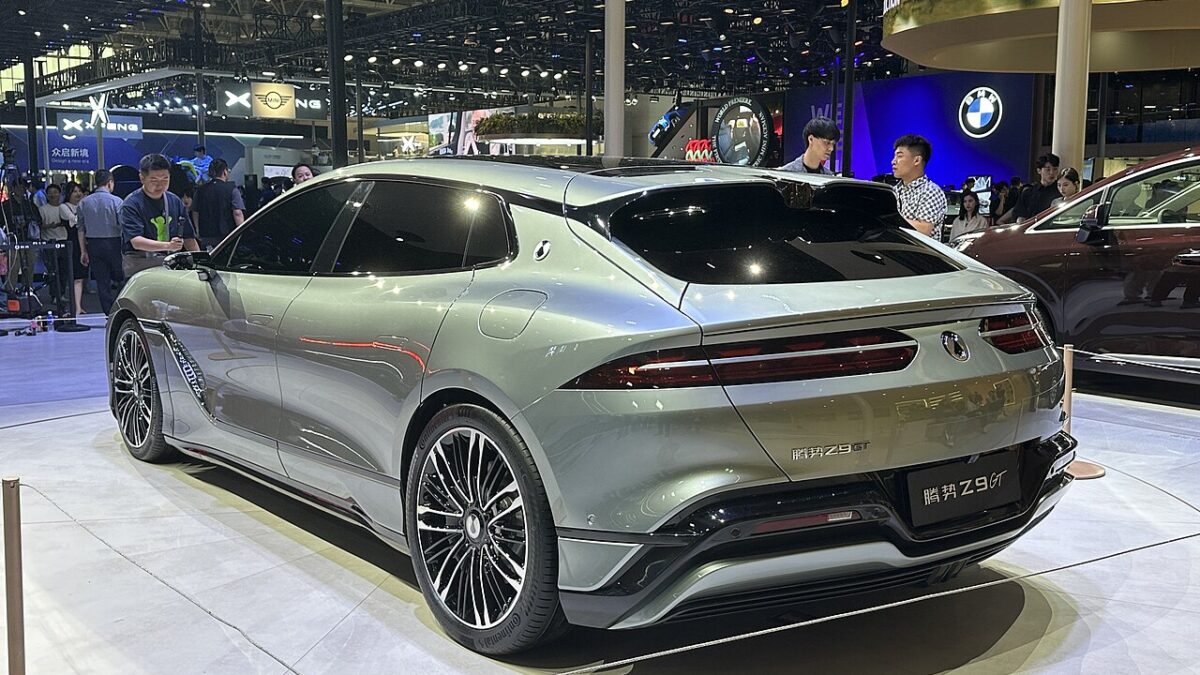
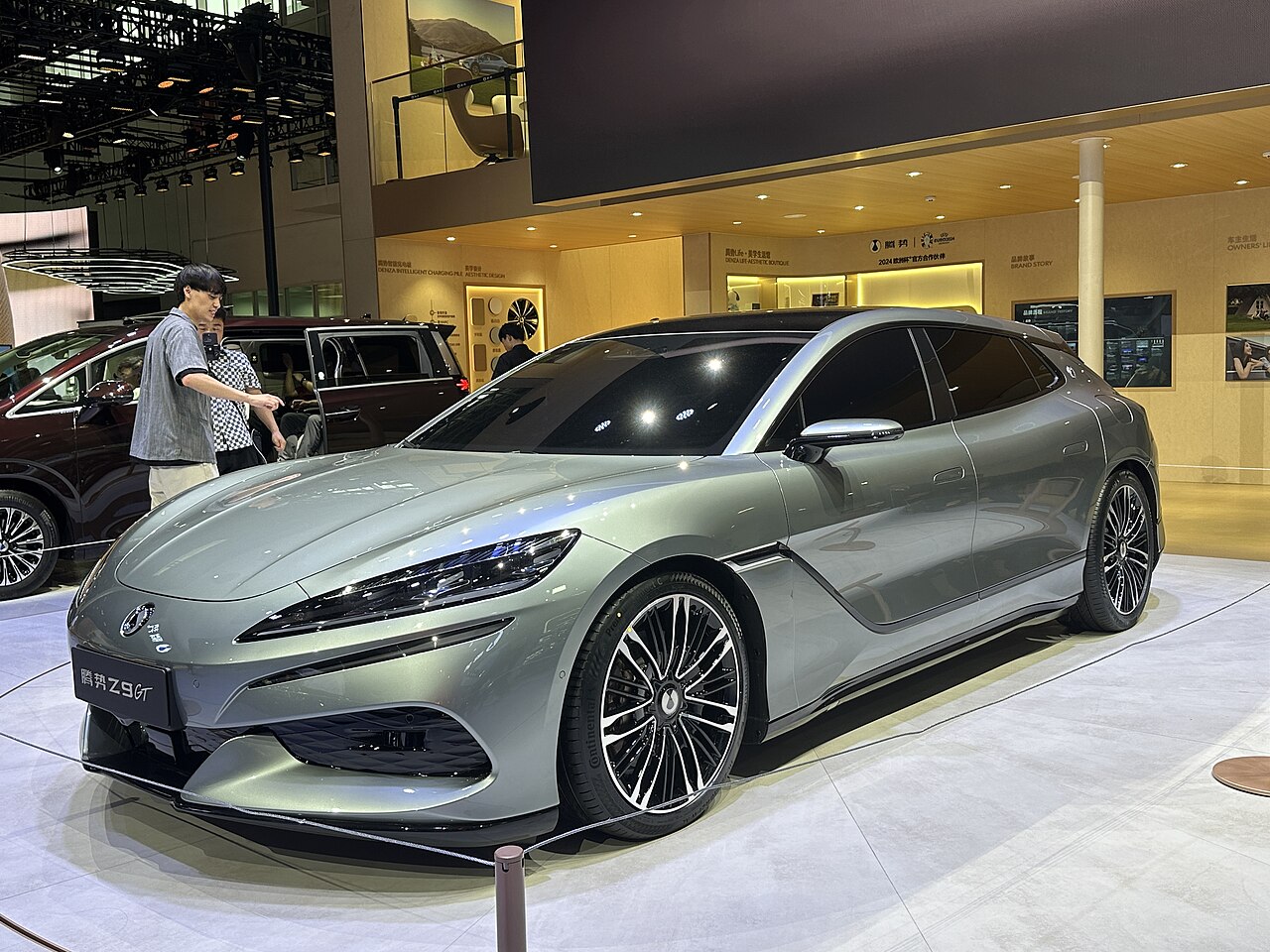
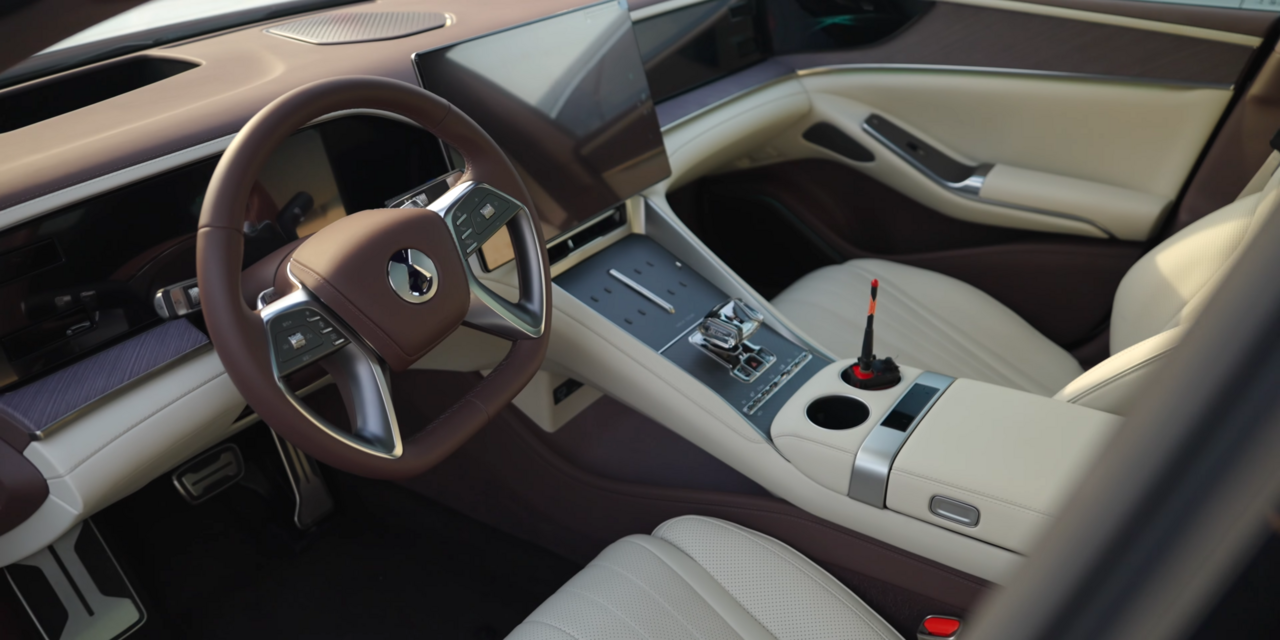
This isn’t a lab demo either. BYD invited journalists to its West London headquarters to watch a Denza Z9 GT, the first car cleared for the full 1,500kW rate, charge live in front of them. It hit that nine minute mark for real, on a public road network, not a closed test track.
How does 1,500kW actually work?
Every EV charging number you’ve heard so far, whether it’s a 50kW slow charger or a 350kW “ultra-rapid” one, measures how fast electricity can be pushed into a battery. Higher kW means less waiting. BYD’s Flash chargers can push out 1,500kW through a single connector, which is only possible because the car’s battery has been redesigned to accept it safely. BYD calls this its second-generation Blade Battery: it uses new internal wiring that cuts resistance so the cells don’t overheat even at that current. Without a battery built for it, plugging into a 1,500kW charger does nothing extra, your car simply draws power at whatever rate its own battery pack allows.
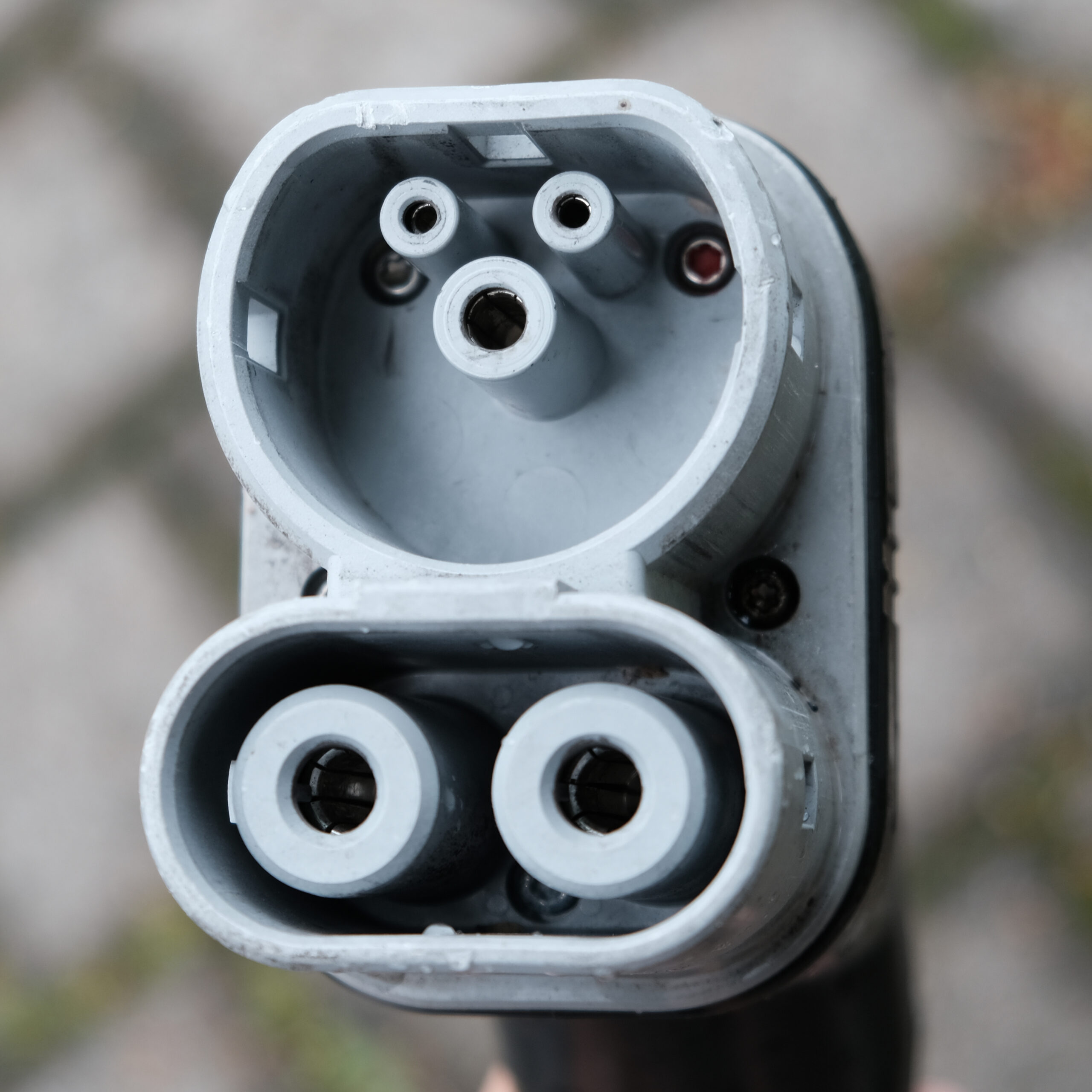
The chargers themselves use a standard CCS (Combined Charging System) connector, the same physical plug already used across Europe and India, so BYD says the network will stay open to other brands too, not lock out non-BYD EVs.
What it costs, and where the confusion is
BYD and Denza owners on compatible vehicles are being told to expect a preferential rate of around 50p per kWh (unit of electricity), a discount BYD’s UK boss has described as the company’s ideal “sweet point.” Other EV owners plugging into the same charger would pay closer to standard ultra-rapid retail rates, reported around 80p per kWh by outlets that attended the briefing. It’s worth being upfront here: BYD hasn’t published a final official price list yet, so treat both figures as the company’s stated targets rather than locked-in tariffs until the first sites go live.
Nine minutes to 97% turns a charging stop into the same length of break as a fuel stop, which is the psychological barrier EVs have never fully cleared until now.
The rollout starts small: BYD and Denza dealerships first, then motorway service areas and retail car parks, with the first live UK site expected within weeks and the full 300 chargers planned over the next 12 months.
Why this matters even if you’re not buying a Denza
Neither the Denza Z9 GT nor BYD’s Flash network is coming to India any time soon, BYD’s India business is small and import-restricted, and none of its current India-market cars (the Atto 3, Seal, Sealion 7 or eMax 7) support this charging rate. But this is exactly how EV infrastructure races usually play out: a manufacturer pushes a number that sounds unreasonable, and two years later the rest of the industry is scrambling to match it. Tata, Mahindra and the charging network operators building out India’s highway corridors are watching the same numbers we are.


