
























All three now fall under GST 2.0’s 18% small-car slab, but the safety gap between them is bigger than the price gap.
The Maruti Dzire, Honda Amaze and Tata Tigor all sit under ₹10 lakh ex-showroom, all three qualify for GST 2.0’s 18% small-car slab, and on paper they look like the same car with three different badges. They are not. Only the Dzire ships six airbags and a 5-star crash rating as standard across the entire range. Only the Amaze offers ADAS, and only on its most expensive trim. The Tigor is the cheapest of the three and the only one that scored just 4 stars, with 2 airbags as standard rather than 6.
This is the segment Indian first-time buyers actually cross-shop: fleet-friendly compact sedans bought on a loan, driven daily in city traffic, and kept for six to eight years. The spec sheets are close enough that dealers can talk you into whichever one they have the most stock of. Here is what actually separates them.
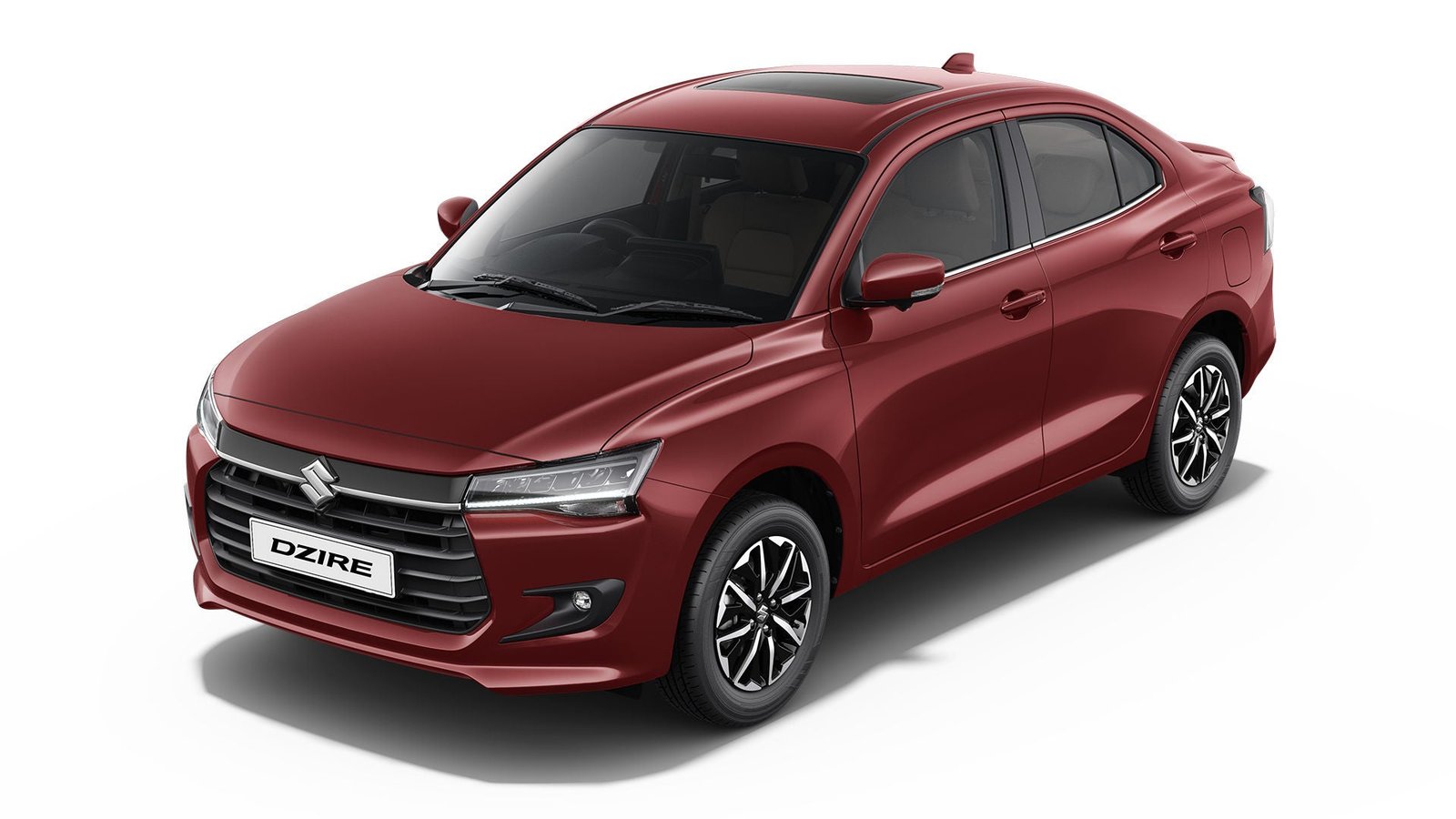
Price and Spec Comparison: Dzire vs Amaze vs Tigor
All prices below are ex-showroom, since on-road figures shift by state RTO tax. Use the Dzire’s Mumbai on-road price page for exact numbers in your city.
| Model | Ex-showroom Range | Boot Space | Standard Airbags | Crash Rating |
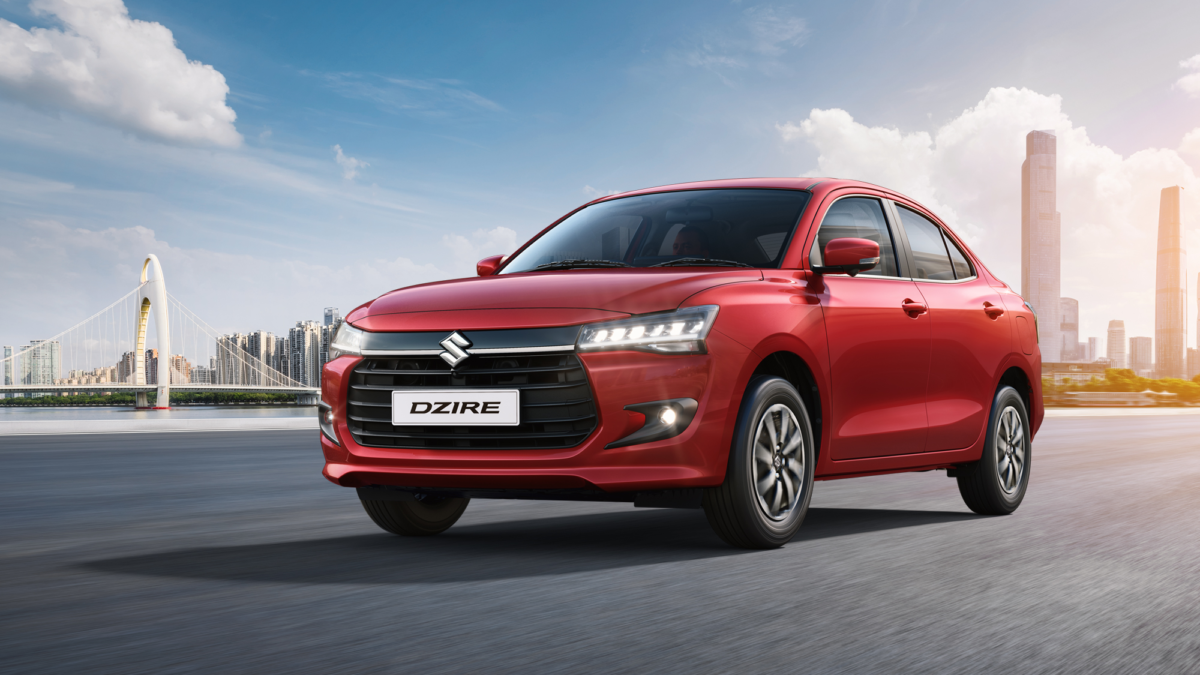
| Maruti Dzire | ₹6.31 to 9.41 lakh | 382 litres | 6 | 5-star (Bharat NCAP & Global NCAP) |
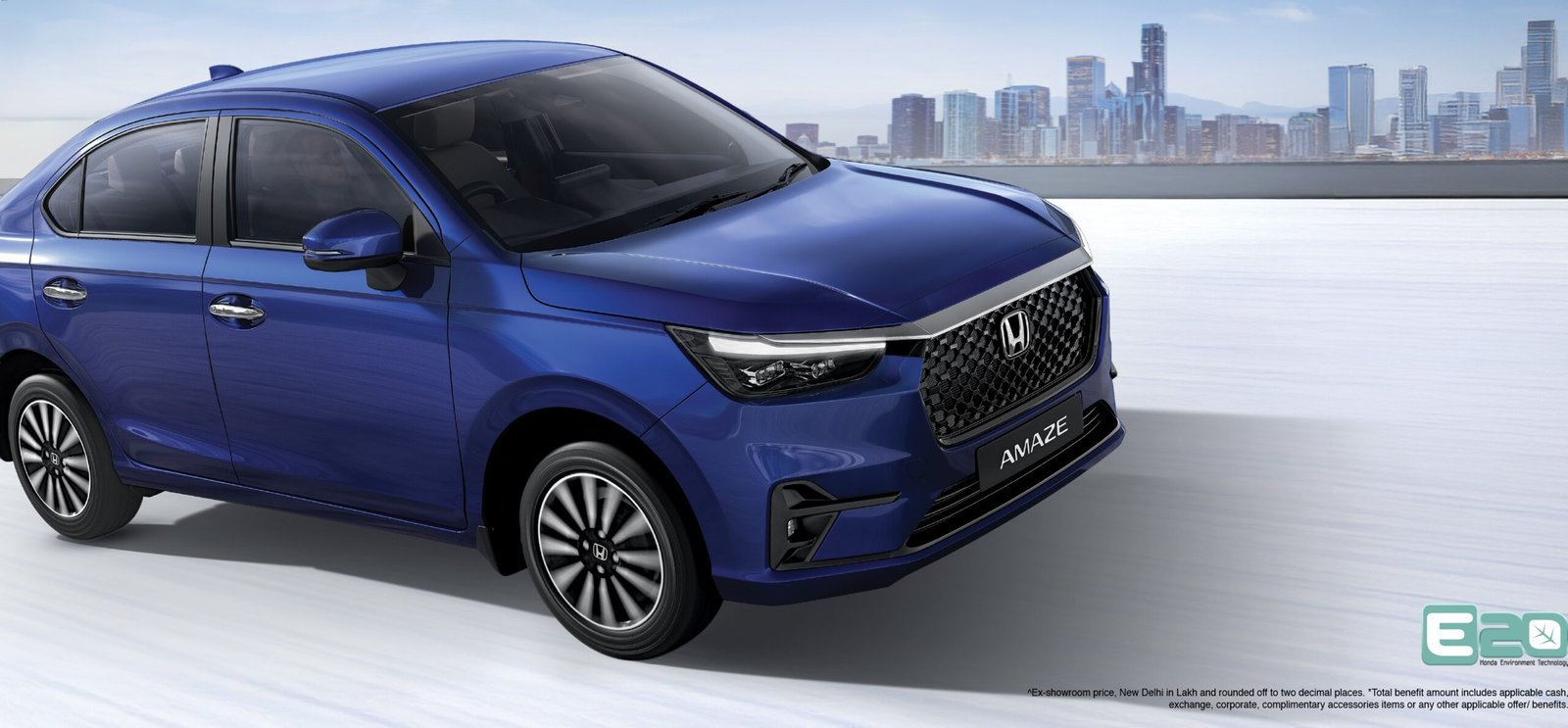
| Honda Amaze | ₹7.48 to 10.00 lakh | 416 litres | 6 | 5-star (Bharat NCAP) |
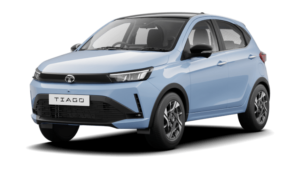
| Tata Tigor | ₹5.60 to 9.00 lakh | 419 litres (petrol) | 2 | 4-star adult / 3-star child (Global NCAP) |
Honda’s own site is currently advertising up to ₹66,800 in festive benefits on the Amaze this September, which brings its effective starting price close to ₹7 lakh for the rest of the month. Worth checking before you pay sticker.
Claimed vs Real Mileage: What You’ll Actually Get
ARAI numbers are lab figures. None of these are numbers The Spec’d has tested; treat the real-world column as what other drivers report, not a promise.
| Model | ARAI Claimed | Reported Real-World |
| Dzire petrol (MT/AMT) | 24.77 to 25.71 kmpl | 15 to 16 kmpl mixed city-highway, 20+ kmpl on relaxed highway runs, per owner logs on an Indian owner forum |
| Amaze petrol (MT/CVT) | 18.65 to 19.46 kmpl | No independent real-world test published yet |
| Tigor petrol (MT/AMT) | 19.28 to 20.28 kmpl | No independent real-world test published yet |
The Dzire’s ARAI lead over the Amaze and Tigor is real and shows up in owner reports too, even after the usual claimed-to-real drop. If mileage is your main filter, it still wins the segment.
The Safety Gap Nobody Puts on the Brochure
This is the part dealers gloss over. The Tigor’s Global NCAP test, run on the entry-level trim, found 2 frontal airbags standard, no three-point belts across all seating positions, and no ISOFIX child-seat anchorages. The Dzire and Amaze both come with 6 airbags, ISOFIX and 5-star ratings from the day you drive the base variant out of the showroom.
If safety is even a secondary filter, the Tigor drops out of contention regardless of its lower sticker price. The ₹70,000 to 1,40,000 you save buys you four fewer airbags and a full star of crash protection.
Which Variant Is Actually Worth Buying
Buy the Dzire VXi at ₹7.22 lakh. It already carries the 6-airbag, 5-star safety kit, plus the touchscreen and reversing camera the LXi skips. Stepping up to the ZXi Plus adds ₹1.69 lakh for LED projector headlamps, a bigger touchscreen and cruise control, features you will use, but not ones that change what the car does for you day to day.
If boot space or highway comfort for tall passengers matters more than outright mileage, the Amaze V CVT is the better buy over the base Dzire, but skip the ZX unless you specifically want ADAS: Honda charges roughly ₹1.5 lakh over the V CVT for it, and Honda Sensing at this price point is genuinely rare in the segment.
Does the CNG Version Make Sense?
The Tigor iCNG splits its 60-litre tank into twin cylinders under the boot floor, which still cuts boot space from 419 to roughly 270 litres, but beats Tata’s older single-tank CNG cars that dropped as low as 205 litres. ARAI rates it at 26.49 to 29.49 km/kg. The Dzire S-CNG claims 36.47 km/kg, the best number here by a wide margin, though it is offered only on manual variants, not the AMT.
EMI and On-Road Price: What You’ll Really Pay
On a 5-year loan, the EMI gap between the Dzire VXi and a similarly-specced Tigor works out to roughly ₹2,000 to 2,500 a month, too small to justify losing four airbags and a full star of crash protection. Run your own numbers on the Dzire’s EMI calculator, or compare trims directly with the Dzire vs Amaze comparison tool.
Which is better, Dzire or Amaze?
The Dzire wins on mileage, standard safety kit and price. The Amaze wins on boot space and offers ADAS on its top trim, something the Dzire does not have yet. For most buyers prioritising running cost and safety, the Dzire is the stronger overall pick.
Is the Tata Tigor safe enough to buy?
It carries a 4-star Global NCAP adult rating with 2 standard airbags, a genuine step behind the Dzire and Amaze’s 5-star, 6-airbag packages. It is not unsafe by Indian road standards, but if safety is a priority within your budget, the other two are the better choice.
Does the Maruti Dzire have ADAS?
No. Maruti has rolled out ADAS on the facelifted Baleno but has not yet extended it to the Dzire as of September 2026. If driver-assist features like automatic emergency braking are a priority, only the Amaze ZX offers them in this comparison.