

























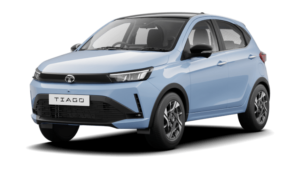






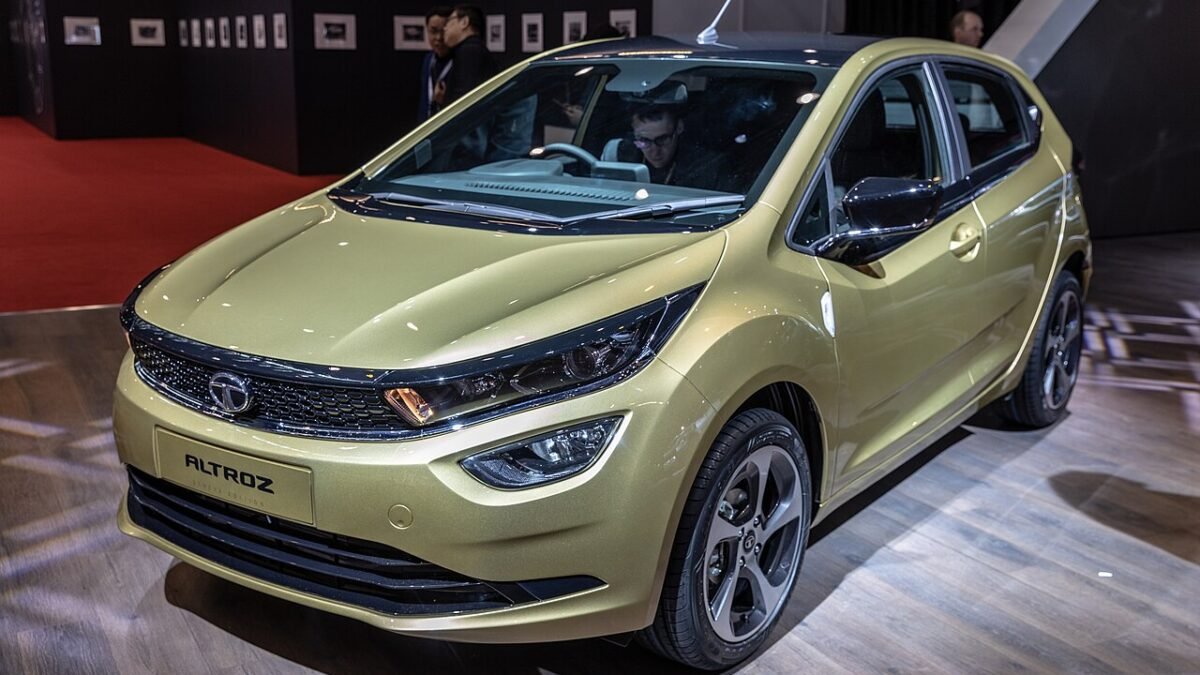
Tata now sells three factory CNG cars with an automatic gearbox, the Tiago, the Tigor and the Altroz, solving a problem CNG buyers have lived with for a decade: pick fuel savings or pick an automatic, never both.
Prices run from ₹7.90 lakh for the Tiago iCNG AMT to ₹10.77 lakh for the top Altroz iCNG AMT, all ex-showroom. But the sticker price is not where these three cars actually separate. The real difference is what each one does to your boot, and that is where the marketing gets a little generous with the truth.

Why Tata Suddenly Has Three of These
Two things lined up. Tata’s twin-cylinder CNG hardware, which splits the tank into two compact cylinders under the boot floor instead of one large one, has now matured enough to fit the smaller Altroz platform after debuting on the Tigor. And the GST Council’s September 2025 reform cut GST on small CNG cars (under 1,200cc and 4 metres) from 28 percent to 18 percent and scrapped the compensation cess on top, the main reason CNG overtook diesel in India’s sales mix this year. Cheaper tax plus a gearbox that finally exists made this the moment to launch all three together.
Tiago vs Tigor vs Altroz: Price and What You Get
| Model | iCNG AMT price (ex-showroom) | Variants with AMT |
| Tata Tiago | ₹7.90 lakh to ₹8.80 lakh | XTA, XZA+, XZA+ DT, XZA NRG |
| Tata Tigor | ₹8.85 lakh to ₹9.55 lakh | XZA, XZA+ |
| Tata Altroz | ₹8.70 lakh to ₹10.77 lakh | Pure, Pure S, Creative, Creative S, Accomplished S |
Notice the overlap: the entry Altroz Pure AMT actually undercuts the entry Tigor AMT by ₹15,000, despite being the newer car with the more advanced tank layout. The AMT gearbox itself is not expensive on any of them, Tata charges ₹55,000 to ₹60,000 over the equivalent manual CNG variant across all three models, which is a fair price for not riding the clutch in Mumbai’s Andheri signal traffic every single day.
The Boot Space Reality Check
This is the number that should decide your purchase, not the sticker price. How much boot space a CNG tank eats depends entirely on whether the car uses Tata’s twin-cylinder layout or a conventional single tank.
| Model | Petrol boot | CNG boot | What you actually lose |
| Tata Tiago | 242 litres | ~80 litres | Nearly two-thirds gone. One soft bag, maybe. |
| Tata Tigor | 419 litres | 205 litres (one Indian outlet spec sheet) | Just under half, despite being the newer twin-cylinder generation. |
| Tata Altroz | 345 litres | 210 litres | 39 percent gone, the smallest percentage hit of the three. |
Tata’s own marketing calls the twin-cylinder setup “uncompromised boot space.” It is not. Even the Altroz, which handles this best, still loses more than a third of its boot to the tank. What twin-cylinder tech actually buys you is a flat floor for a soft bag, instead of the Tiago’s setup, where the tank and cradle occupy almost the entire boot and even a small overnight bag rides on the back seat.
Claimed Mileage vs What Testers Actually Got
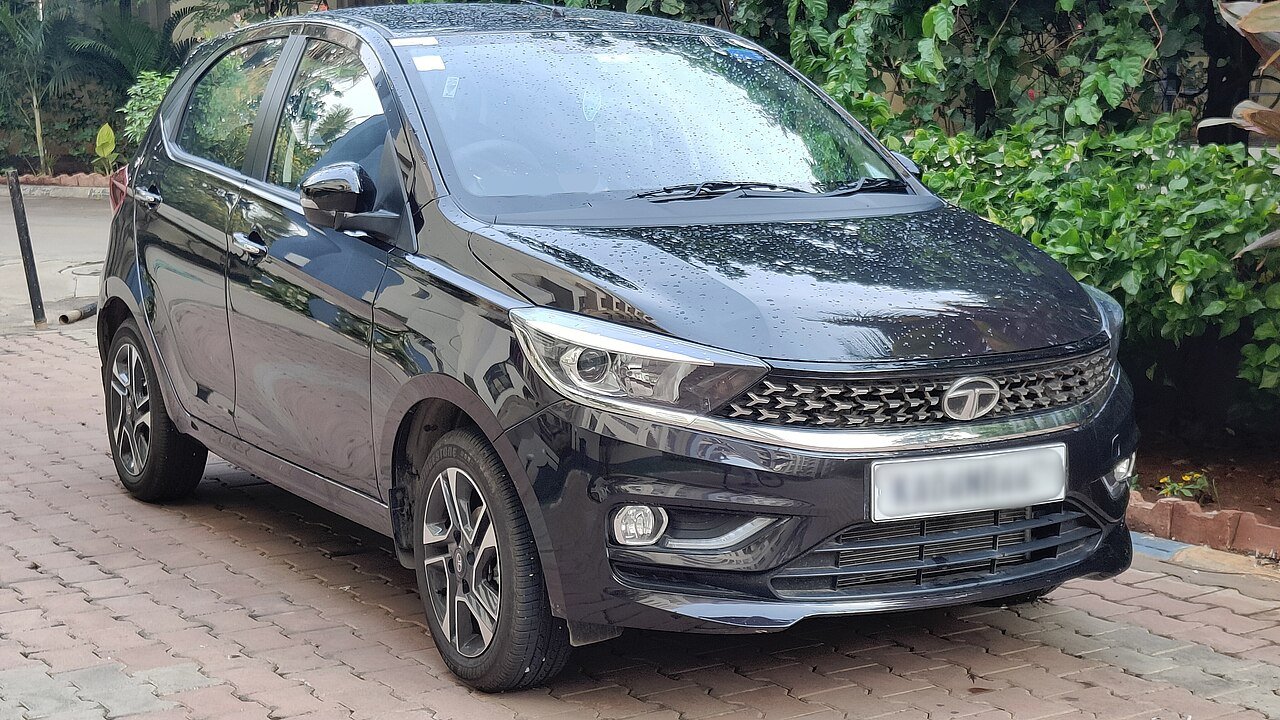
ARAI, the government body that certifies these figures, rates the Altroz iCNG at 27.8 km/kg. One Indian outlet ran its own instrumented test and got 25.11 km/kg, a realistic gap once you add city traffic and air conditioning. Tata’s press materials claim 28.06 km/kg for the shared 1.2-litre Revotron engine in the Tiago and Tigor. No outlet has published a separate, AMT-specific real-world test for those two yet, so treat that ARAI number as a ceiling, not a promise.
The Altroz iCNG AMT is the only one of the three where the twin-cylinder tank, the automatic gearbox and a 5-star Bharat NCAP rating all arrive on the same car, which is why it is worth the extra money over the Tiago.
Which Variant Is Actually Worth Buying
Skip the Tiago iCNG AMT unless your car genuinely never needs to carry more than a laptop bag, its 80-litre boot is a real dealbreaker for road trips or festive-season shopping runs. Between the Tigor and the Altroz, buy the Altroz iCNG AMT in Creative trim. It sits mid-range in the Altroz CNG lineup, skips the stripped-out base Pure, and still costs less than the top Tigor XZ+ AMT while matching its usable boot and adding a 5-star Bharat NCAP rating across every Altroz powertrain, not just petrol.
If you are cross-shopping the Altroz against the Tiago’s full specs and pricing, our side-by-side Compare tool lines up both on one screen. And if this is your first CNG car, read our complete 2026 CNG buying guide first, this piece assumes you have already decided on CNG and are choosing between Tata’s automatic options specifically.

Your actual monthly EMI depends on your down payment and bank rate, so run the numbers on the Altroz EMI calculator rather than trusting a generic estimate. If you want the on-road figure with Mumbai’s RTO and insurance costs already added in, check the Altroz price in Mumbai page directly.
Is the CNG AMT worth the extra money over a manual CNG car?
Yes, if you drive daily in heavy traffic. All three models charge just ₹55,000 to ₹60,000 more for the AMT over the equivalent manual CNG variant, which is a small premium against years of not working a clutch pedal in stop-start city driving.
Which Tata CNG automatic has the most usable boot space?
The Altroz, narrowly. Its twin-cylinder tank leaves 210 litres against the Tigor’s 205 litres, and both are far ahead of the Tiago’s roughly 80 litres. Neither Tata model is actually “uncompromised” despite what the marketing says.
Does the AMT gearbox reduce CNG mileage compared to the manual version?
Tata has not published separate ARAI figures for the AMT versions, so there is no confirmed gap yet. An AMT is an automated manual, not a torque-converter automatic, so any real-world difference should be small, but nobody has independently tested it yet to confirm that.