






































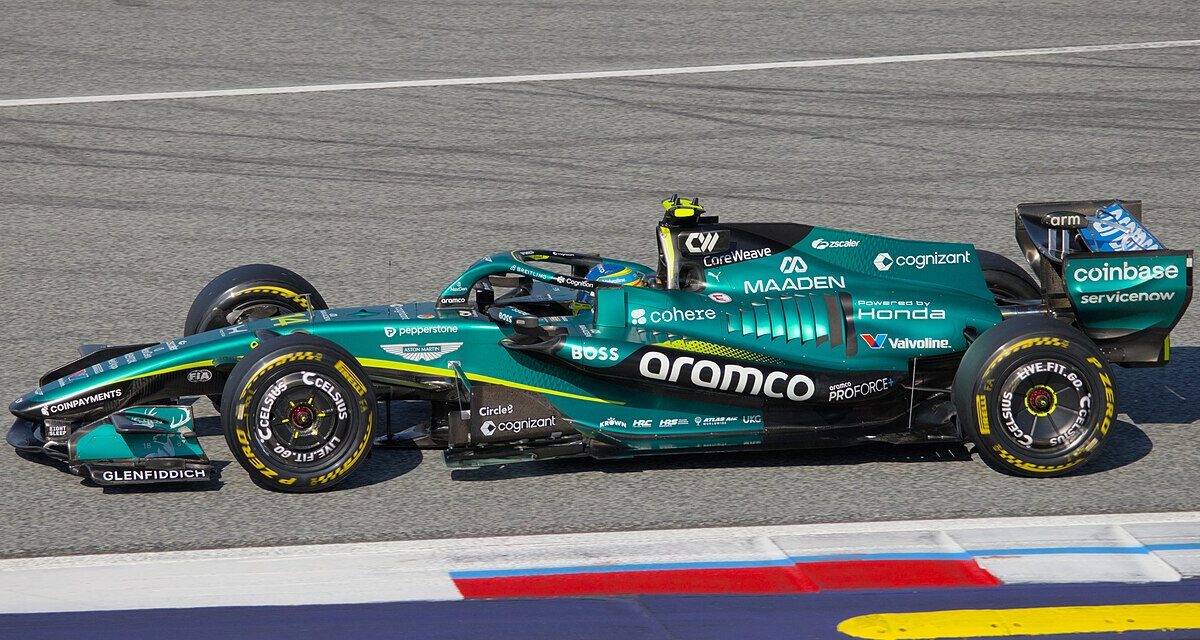
Honda’s reworked power unit debuts at Zandvoort this weekend, and it might be the single biggest reason to watch Aston Martin for the rest of the season.
Aston Martin has spent most of 2026 stuck at the back of the Formula 1 grid, and a big part of the blame goes to the engine bolted behind Fernando Alonso and Lance Stroll. That is about to change. Honda is rolling out an updated power unit (that is F1 speak for the combined engine and hybrid system that powers the car) at this weekend’s Dutch Grand Prix in Zandvoort, and early signs suggest it could be the biggest single upgrade Aston Martin gets all year.
What Honda actually changed
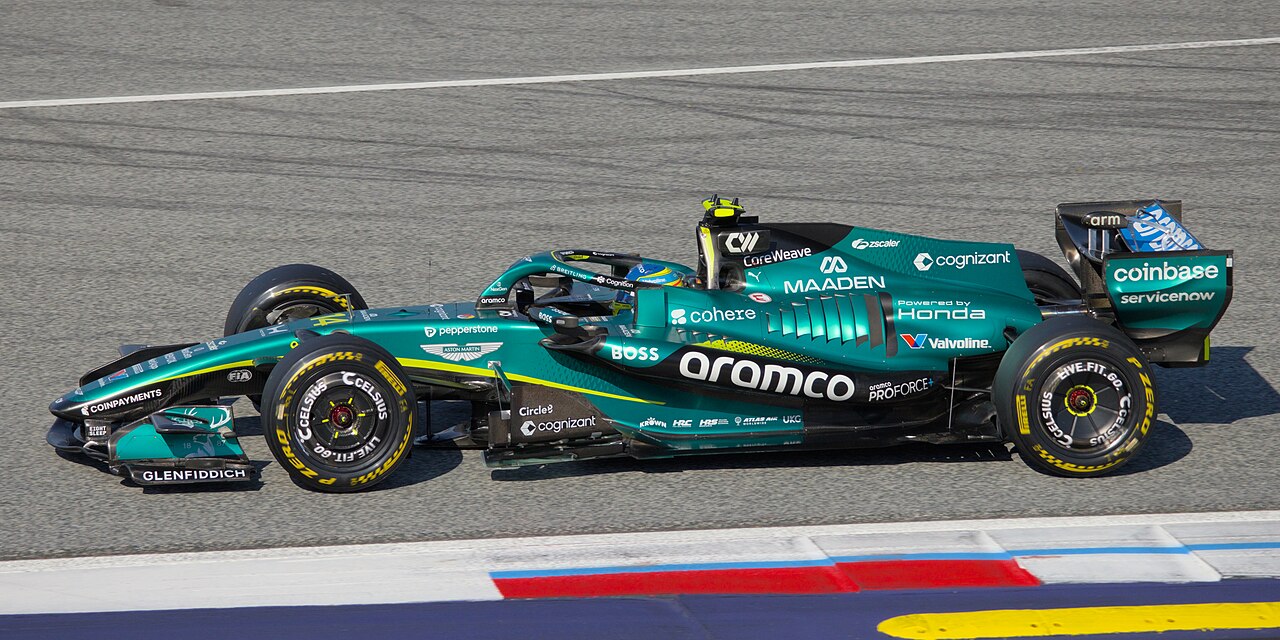
Honda’s trackside general manager, Shintaro Orihara, confirmed the new-spec RA626H unit will make its race debut at Zandvoort after weeks of behind-the-scenes work. The changes are mostly inside the engine’s combustion chamber. Honda redesigned the pre-chamber (a small side chamber that helps ignite the fuel-air mix faster and more completely), reshaped the pistons for cleaner combustion, and tweaked the lubrication system to cut down friction inside the engine. None of that sounds dramatic on paper, but together it is aimed squarely at getting more usable power out of the same 1.6-litre turbo V6 hybrid unit every team runs under the current rules.
Just as important: Honda says the vibration problem that plagued Aston Martin’s engines earlier this season, bad enough that Alonso reported losing feeling in his hands and feet during the Chinese Grand Prix, appears to have been fixed. The new engine already completed a full filming day on track with Aston Martin at the Hungaroring in late July, and Honda says that test went well.

So how much power, exactly?
This is where the story gets murkier, and it is worth being upfront about that instead of picking a number and running with it. Several reports pegged the gain at as much as 50bhp, a huge jump for a mid-season F1 engine update. Orihara pushed back directly on that figure, telling reporters: “I want to have that number, but that is a quite big number. I can’t describe the detail of power, but my feeling with that is just, no, I don’t think… not the real number.”
He would not give an alternative figure either. Some outlets have floated a more conservative 30bhp based on their own sources, but neither Honda nor Aston Martin has confirmed a number. Treat any figure you read, including here, as an informed guess until one of them puts it on record.
“We will now take the important step of introducing our new-spec power unit in the Netherlands,” Orihara said, confirming the Zandvoort debut without committing to a figure.

Why this matters for Aston Martin’s season
Context helps here. Aston Martin sits ninth in the constructors’ championship, ahead of only Cadillac, and Alonso has scored just one point all season, a 10th place at a chaotic Monaco Grand Prix. Things only turned at the Hungarian Grand Prix, where a 16-part chassis upgrade helped Alonso reach Q2 (the second qualifying segment, meaning he beat roughly a third of the field) for the first time in 2026.
The Honda engine upgrade lands on top of that chassis work, not instead of it. If the power gain is real and the reliability issues really are sorted, Zandvoort could be the first weekend all year where Aston Martin is genuinely competitive rather than just less slow. It also matters beyond this season: Alonso’s contract runs out at the end of 2026, and he has said his decision on staying will come down to whether the car is worth driving, not just the results.
We will know a lot more once Friday practice starts at Zandvoort on August 21. For a team that has spent the year fighting to escape the back row, that is a big weekend to have riding on one engine update.


