
























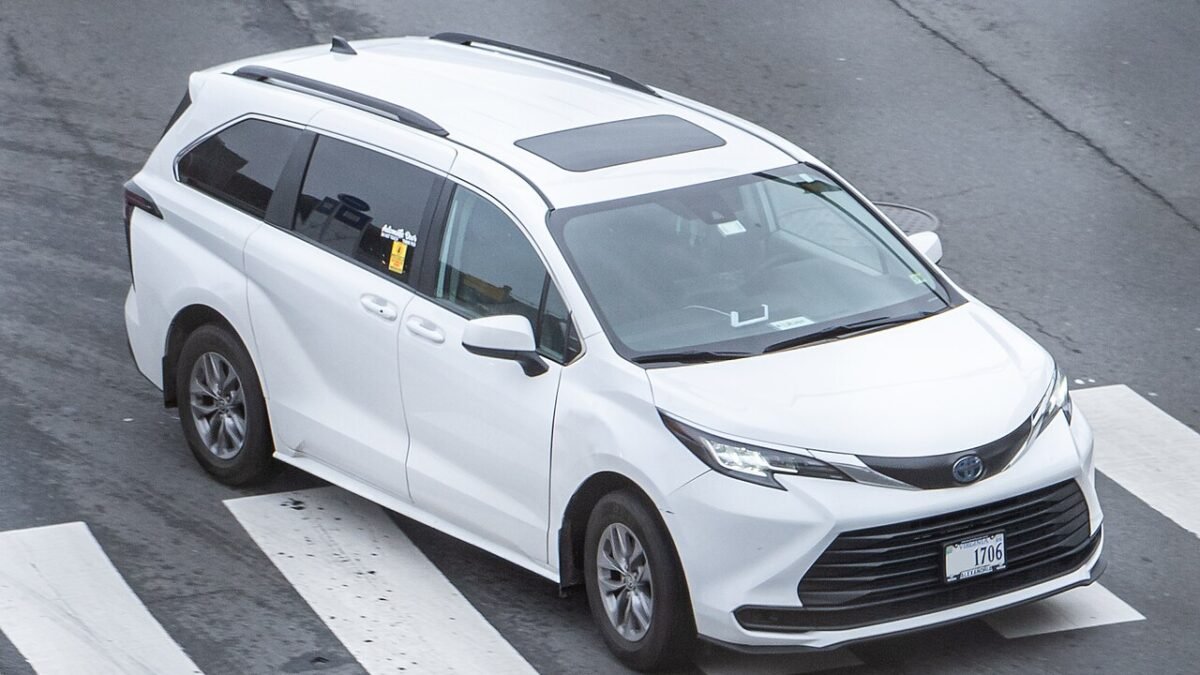
Toyota is recalling 228,367 Sienna Hybrid minivans in the United States because the second-row seat backs can come unlocked in certain frontal crashes, and the instructions owners are getting depend on which side of the US-Canada border they live on. In America, Toyota says keep driving and wait for a free software update. In Canada, where a separate recall covers another 24,454 units, the advice is blunter: do not seat anyone in the second row until the fix is done.
That gap between two markets, for the exact same defect on the exact same van, is the part most coverage has glossed over. It is worth unpacking, because it tells you a lot about how automakers triage a safety problem when the fix itself is mostly a line of code rather than a bent piece of metal.
What is actually wrong with the seats
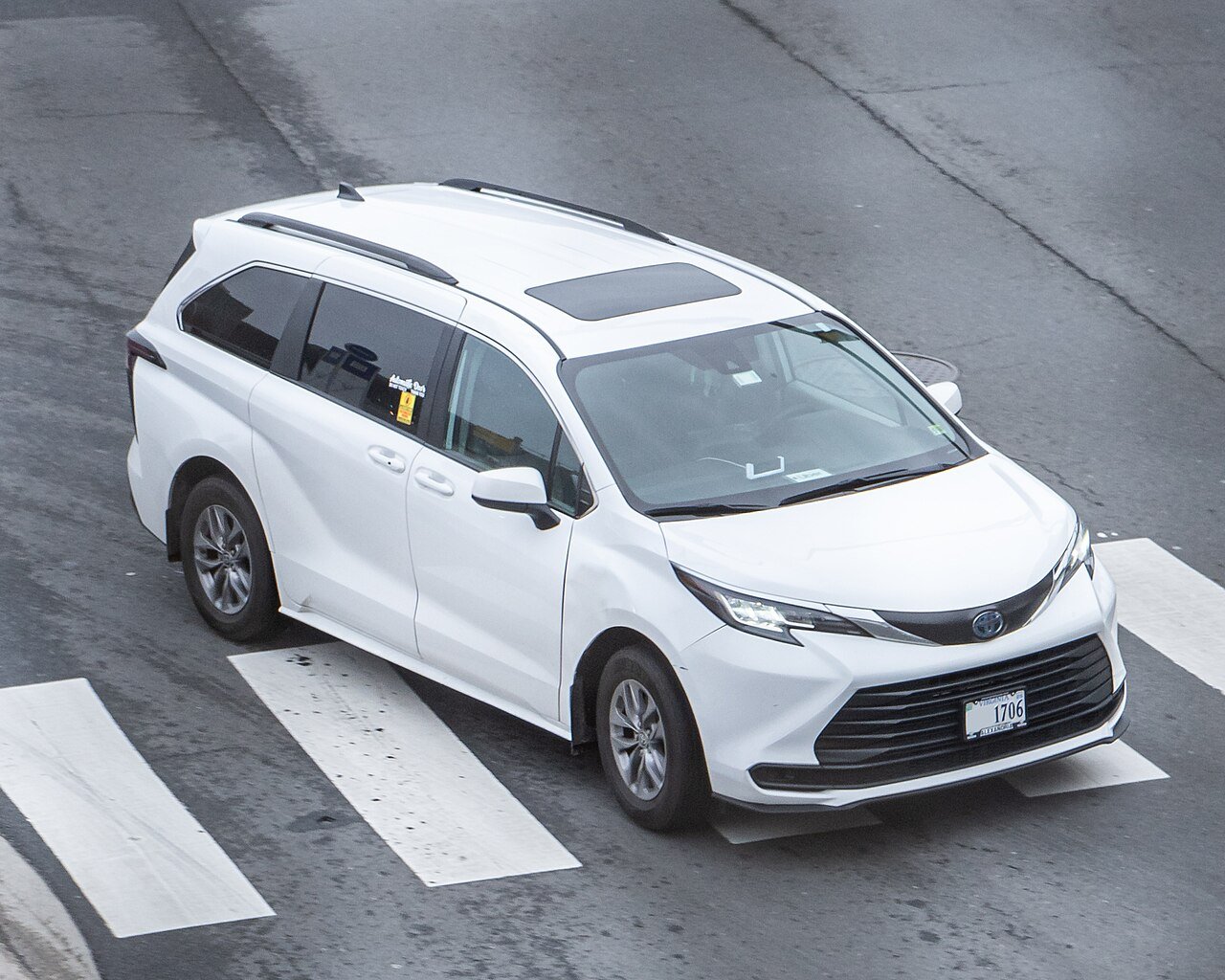
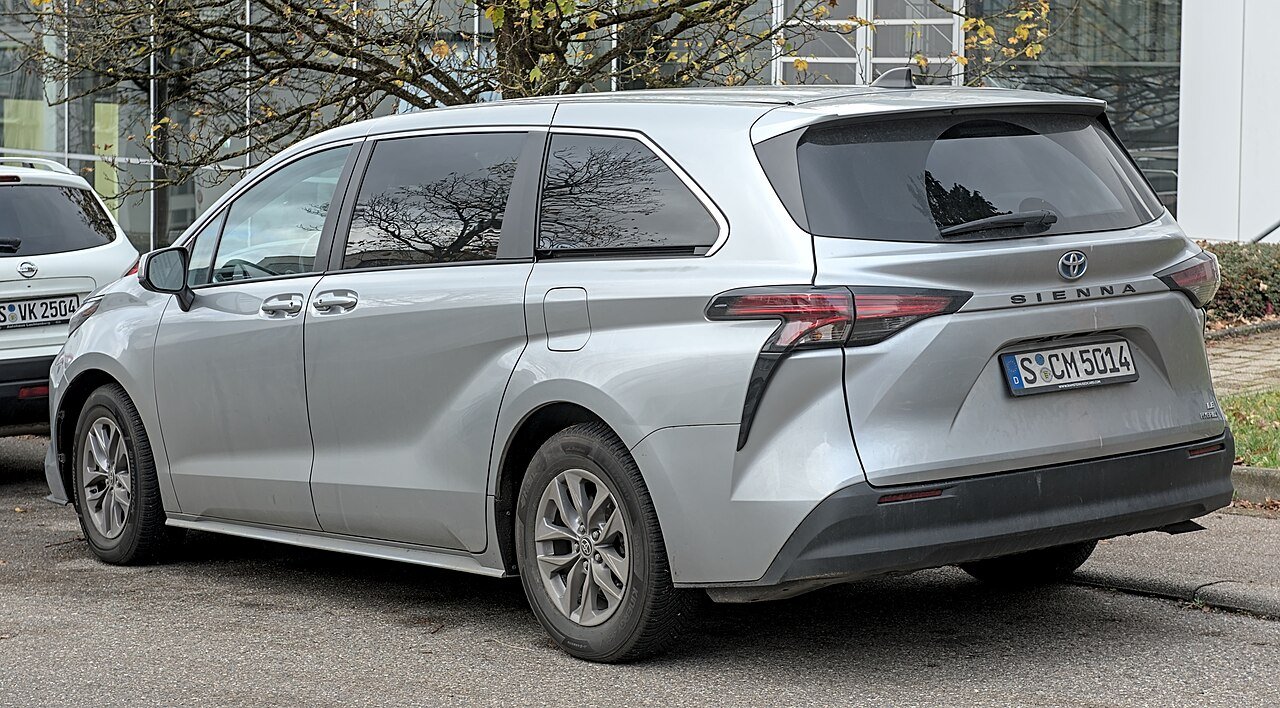
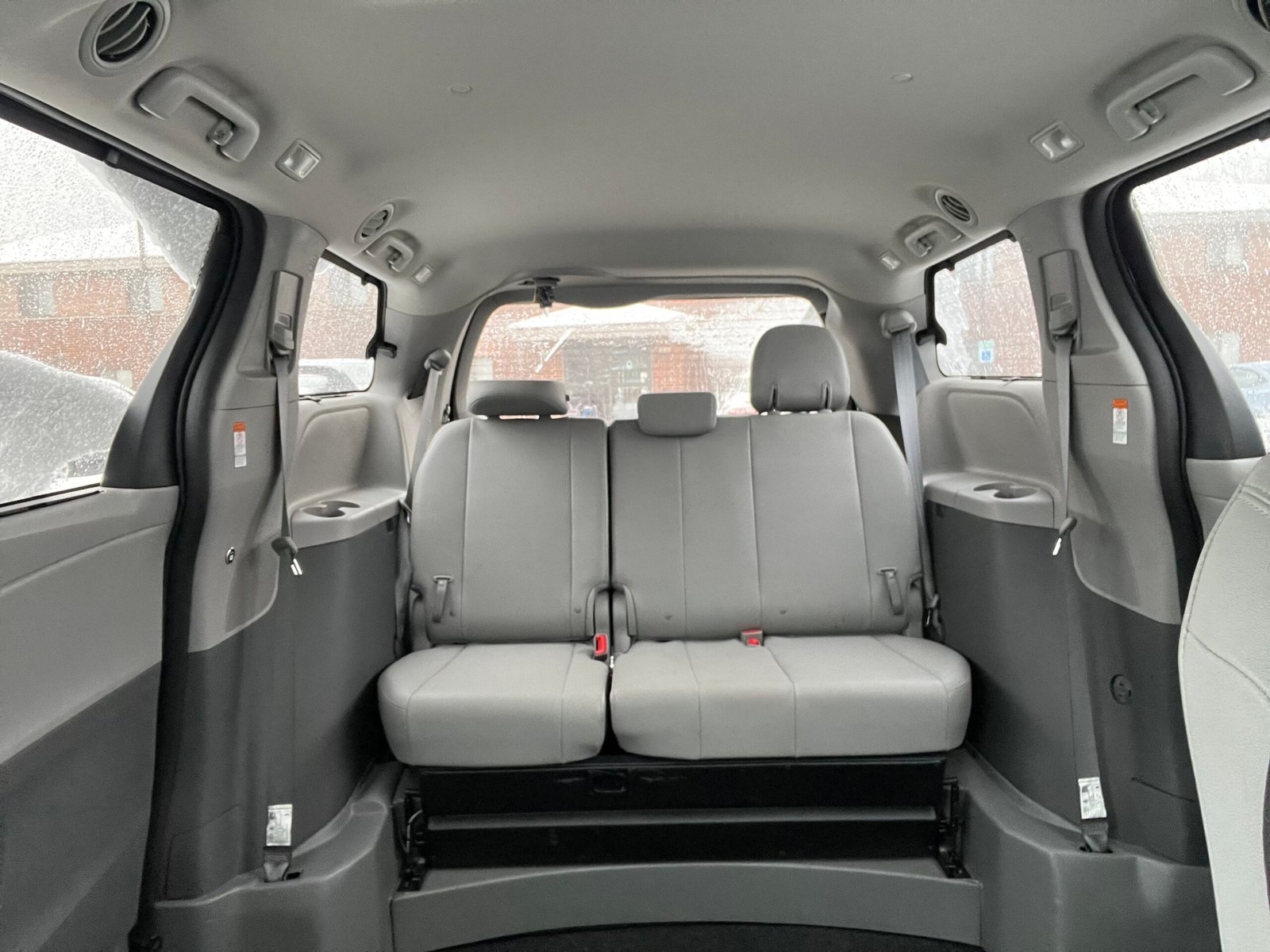
The recall, filed with America’s road safety regulator NHTSA as campaign 26V690000, covers Sienna Hybrids built between September 16, 2021 and July 20, 2026, in the seven-passenger layout that uses two individual “captain’s chairs” in the middle row instead of a bench.
Here is the plain-English version of the defect. Every modern seat belt has a “pretensioner,” a small explosive charge that yanks the belt tight the instant it senses a crash, so there is no slack left for you to jolt forward into. In these Siennas, that sudden tug can set off a side effect: a wobble, which Toyota’s filing calls “oscillation,” inside the recliner mechanism that locks the seat back upright. In certain recliner assemblies, sourced from one supplier, that wobble can be enough to pop the seat back out of its locked position during a frontal crash. A seat back that folds forward instead of staying upright cannot do its job of keeping the person in it properly restrained, which raises the risk of injury in exactly the kind of crash the pretensioner was designed to help with.
To be clear about scale: Toyota has not said how many of the 228,367 vans actually carry the faulty parts, only that it is recalling all of them as a precaution because it cannot yet tell which ones are affected without inspecting them. The company also says it has no reports of a crash, an injury, or even a warranty claim tied to this issue so far. This is a recall built on crash-test data and supplier parts tracing, not on something that has already hurt someone on the road.
How Toyota caught it before anyone got hurt
The flaw surfaced during Toyota’s own internal testing, not from a customer complaint or a crash report. Engineers found the odd behaviour during sled testing, a lab process where a seat and dummy are fired along a track to simulate a crash, while validating a second-row seat and seat belt design for a future model. Toyota says it then went back and re-tested second-row assemblies pulled from the field to confirm the same recliner assemblies were in the Sienna, which is what triggered this recall.
That is the system working roughly as intended, a manufacturer catching a defect in its own lab months before it shows up in a real crash.
The fix, and why the US and Canada disagree on how urgent it is
For most of the 228,367 US vans, the repair is a software update. Technicians will reflash the electronic control unit that manages the seat belt pretensioner and the airbag system together, so the pretensioner’s pull no longer disturbs the recliner lock the same way. No new hardware, no seat removal, done in roughly the time of a regular service visit.
A small group, about 200 vans built with Toyota’s Mobility as a Service package for wheelchair-accessible conversions, need a physical fix instead: both second-row seat backs get swapped for units with an updated recliner mechanism. Either way, the repair is free, and Toyota will mail notification letters to owners starting December 7, 2026.
Toyota Canada, covering 24,454 of the same-generation Siennas, went a step further and told owners not to use the second-row seats to carry passengers at all until the repair is complete, an interim measure the US recall does not include. Toyota has not publicly explained the difference in tone between the two markets, and it may simply come down to each country’s regulator setting its own bar for what counts as an acceptable interim risk. Either way, if you own one of these vans, the Canadian instruction is the more cautious one to actually follow with your kids in the back seat, regardless of which country issued it.
Verdict: a defect this well understood and this cleanly tested in the lab shouldn’t alarm anyone who owns a Sienna, but it is exactly the kind of flaw that deserves the stricter Canadian advice until the fix lands, especially if you regularly carry kids in the middle row.
What Sienna owners should actually do
If you own a 2022 to 2026 Sienna Hybrid with second-row captain’s chairs, you do not need to wait for a letter to check your status. Enter your 17-digit VIN at NHTSA.gov/recalls or Toyota.com/recall, both of which are updated in real time as vehicles are added to the campaign. Toyota’s customer line, 1-800-331-4331, can also confirm coverage and help book the software update once parts and scheduling are finalised at your dealer. None of this costs the owner anything.
This recall also fits a pattern worth watching. Across 2026, a growing share of recalls from Toyota, Ford, Mercedes-Benz and others have been software fixes rather than hardware ones, as more of what used to be purely mechanical, like a seat recliner working in tandem with a pretensioner, now runs through a control unit that can be patched remotely or at a dealer in minutes. That is good news for how fast these things get fixed. It also means a single bad line of calibration can now touch nearly a quarter-million vehicles at once, which is exactly what happened here.
Toyota does not sell the Sienna in India, so no vehicle on sale here is touched by this recall. But if you are shopping for any three-row family vehicle with second-row captain’s chairs, it is a fair reminder to ask the dealer directly whether that model has ever had a seat-back or recliner recall, rather than assuming a clean service history tells the whole story.