


















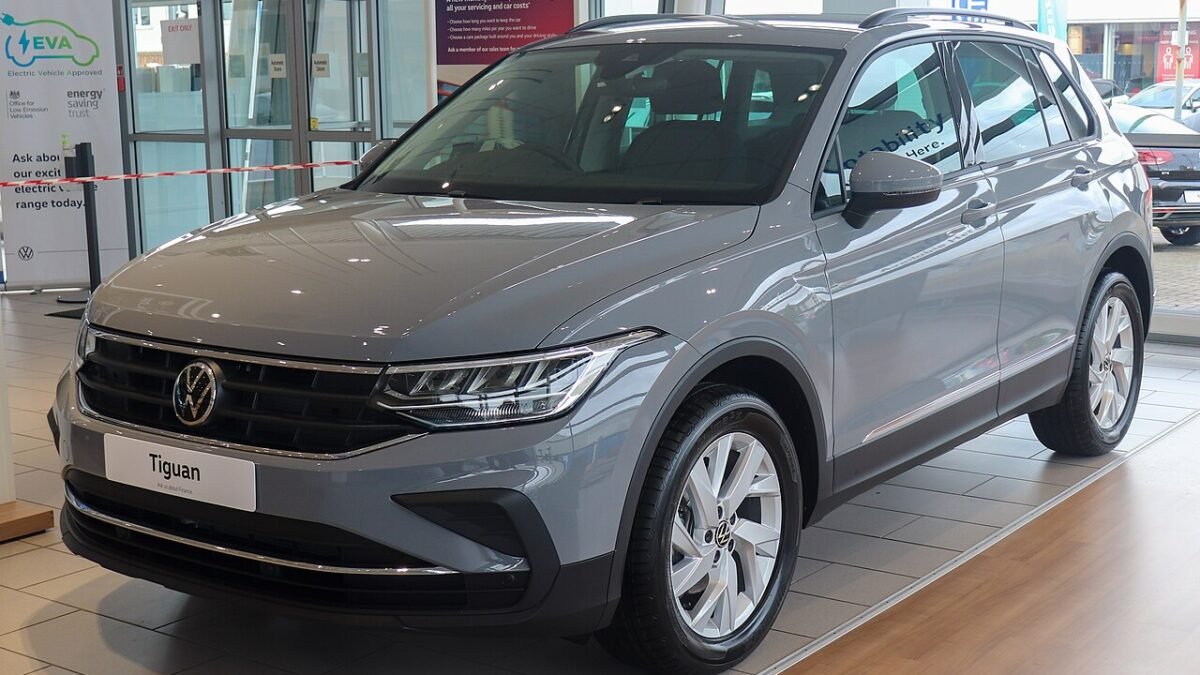
A rusted bolt near the steering rack can leave drivers unable to steer, and Volkswagen is contacting owners of Golfs, Tiguans, Tourans, Caddys and Audi Q3s built across the last decade.
Volkswagen just called back as many as 2.86 million cars worldwide, and depending on which brands get folded in, that number could climb toward 4 million before this is done. The reason is not an emissions cheat this time. It is a single steering bolt that can quietly rust through until the car simply cannot be steered anymore. It is the biggest recall the Volkswagen Group has run since Dieselgate a decade ago, and if you or anyone you know drives a Golf, a Tiguan, a Touran, a Caddy van or an Audi Q3 built in the last ten years, this is worth five minutes of your time.
What is actually broken
The steering rack is the mechanism that turns your steering wheel’s motion into your front wheels actually pointing left or right. On the affected cars, a bolt that holds the steering rack to the car’s body sits close to where road water and salt collect. Over years of driving, especially in places that salt their roads in winter, that bolt can corrode. Audi’s own language for it is blunt: the corrosion “could impair the steering system,” and in the worst case, the bolt breaks and the driver loses the ability to steer the car while it is moving.
Germany’s KBA, the federal agency that regulates vehicle safety there and ordered this recall, says it is not aware of a single crash or injury linked to the bolt so far. Volkswagen and Audi are both describing this as a precautionary recall, done before anyone gets hurt rather than after.
Which cars, and how many
The confirmed, officially reported number covers two brands. Volkswagen and Audi together account for 2.86 million vehicles.
| Brand | Vehicles affected | Models | Build window |
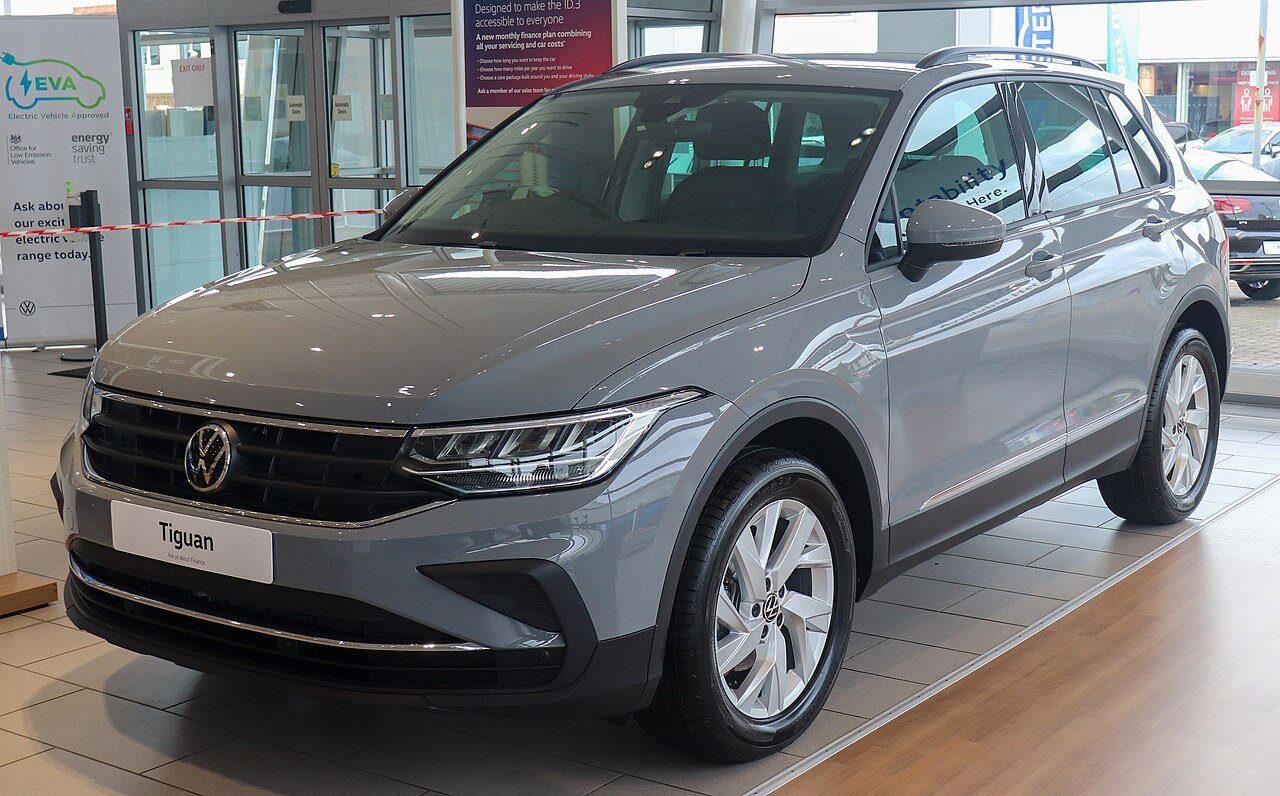
| Volkswagen | ~2.16 million | Golf, Golf Variant, Tiguan, Touran, Caddy | Sept 2013 to July 2024 |
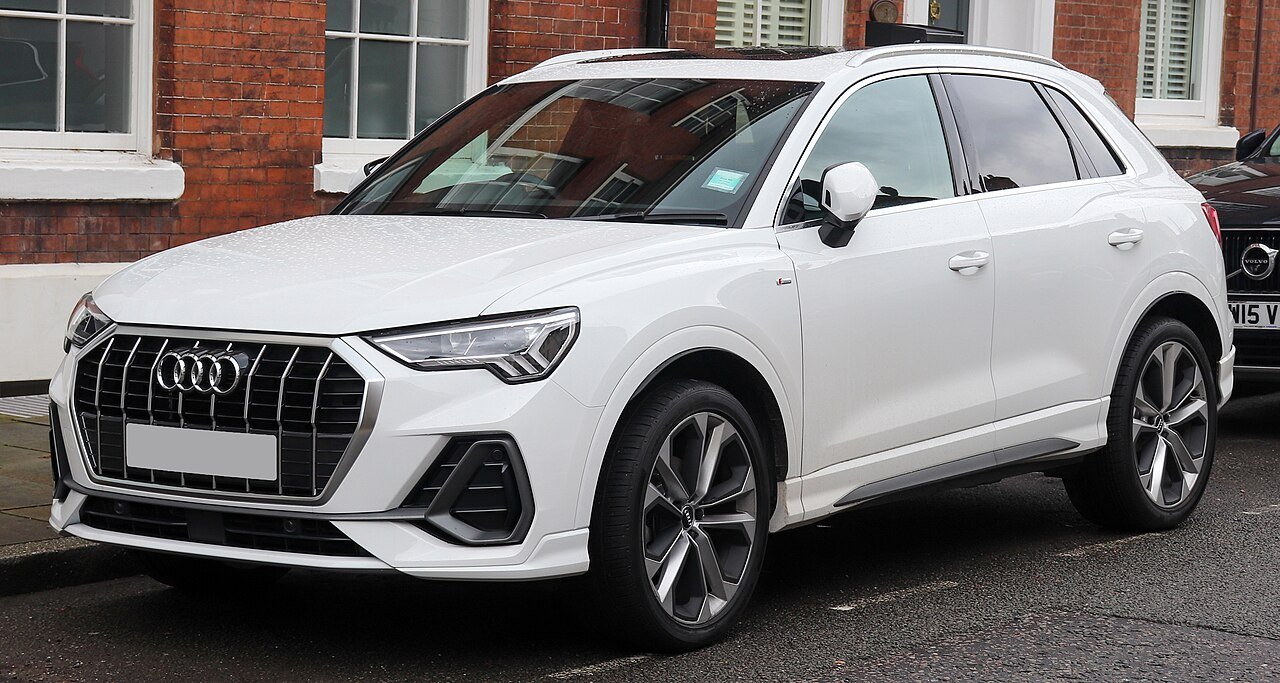
| Audi | ~696,500 | Q3 | Oct 2017 to May 2024 |
Germany’s Handelsblatt newspaper, which broke the wider story, reported that once Volkswagen’s other brands are counted in, the total climbs to nearly 4 million, with Skoda alone said to contribute over a million cars and Seat adding a further batch. That part of the story is where sources start to disagree. One Seat-specific KBA filing we checked lists just 66,224 Ateca and Tarraco units, well short of the 200,000 figure some outlets are running with. Neither Skoda nor Seat’s involvement had been independently confirmed by every outlet we checked at the time of publishing, so treat the VW and Audi total as the hard number for now, and the 4 million figure as Handelsblatt’s reporting on where this is headed.
Why this is landing on Volkswagen now
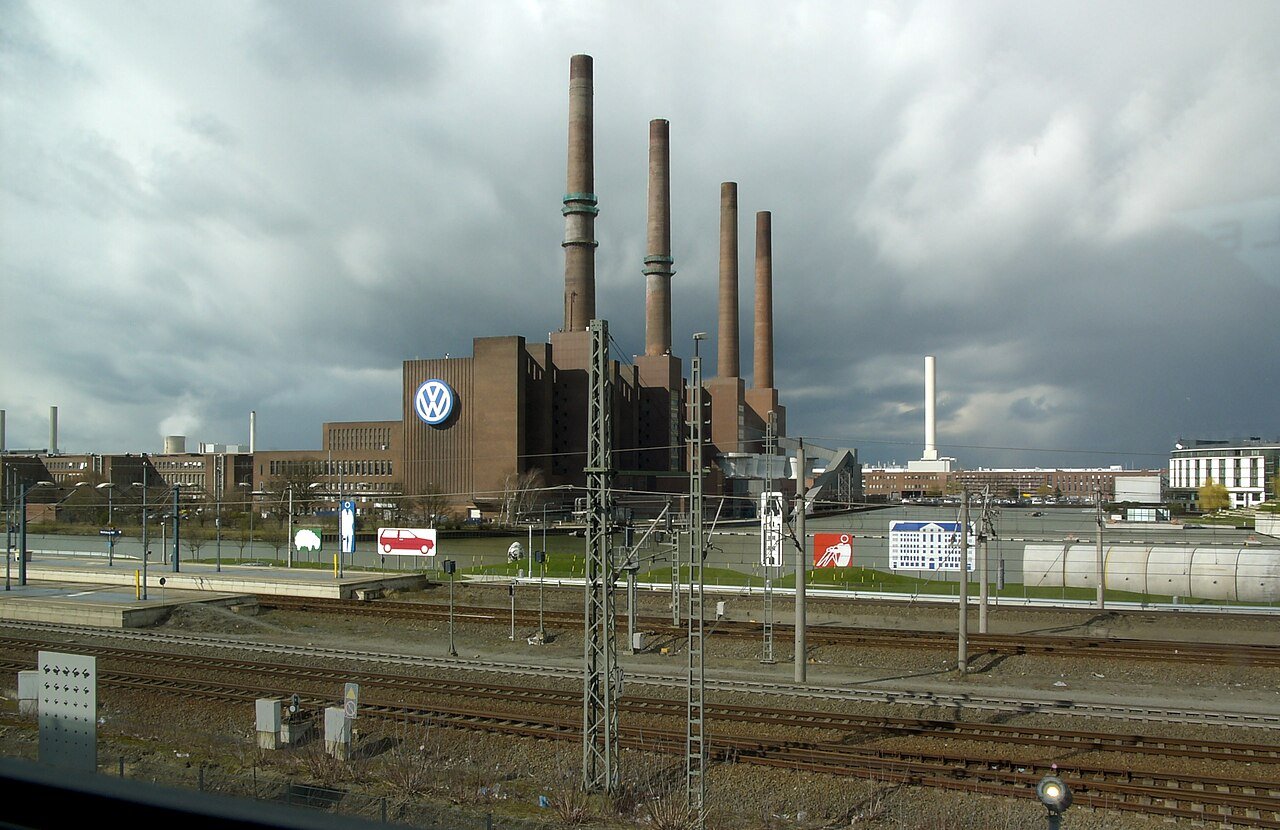
This recall does not exist in isolation. It is the fourth rough headline the Volkswagen Group has generated in a single month. We covered Volkswagen’s €16 billion restructuring plan to cut up to 60,000 jobs earlier in September, and days before that, Volkswagen cut planned output at its Wolfsburg plant to 580,000 cars as the group tries to match slowing demand with cheaper production. A safety recall does not usually stem from a cost problem, corrosion on a decade-old bolt is a design and materials issue, not a factory-floor one. But it lands at a moment when Volkswagen’s German heartland is already under pressure from every direction: falling profits, a shrinking workforce, and now a recall that will cost real money to fix even though the repair itself is simple.
This is not Dieselgate two. Nobody built the corrosion in deliberately, and Germany’s own regulator says it hasn’t traced a single injury to it. But a car that can lose its steering while you’re driving it does not need to have hurt someone yet for the fix to be urgent, and pulling nearly 3 million cars back in one sitting tells you Volkswagen agrees.
What owners should actually do
If your Golf, Golf Variant, Tiguan, Touran, Caddy or Audi Q3 falls inside those build dates, Volkswagen and Audi say they will contact owners directly using the vehicle’s VIN, the 17-character serial number that identifies your exact car. The fix itself is a straightforward bolt swap to a more corrosion-resistant part, done at an authorised workshop in under an hour, and it is free. You do not need to wait for a letter to act. If you are unsure whether your car is covered, an authorised Volkswagen or Audi service centre can check your VIN against the recall list directly.
Does this touch India
Not obviously, and we are not going to pretend it does just because Volkswagen and Audi both sell cars here. The specific nameplates named in this recall, the Golf, Golf Variant, Touran and Caddy, are not sold in India at all. The Tiguan was offered here in small numbers as a fully imported model in the past and is not currently on sale. The Audi Q3 is the one genuine overlap: it has been sold in India across parts of the same build window this recall covers. Neither Volkswagen India nor Audi India had said anything about Indian-registered cars as of publishing, and the recall as announced runs through Germany’s KBA process for the European market. If you own an Audi Q3 bought here, the safest move is to call your dealer and ask directly rather than assume either way.
The bigger picture
Recalls at this scale are rare, but they are also a sign a manufacturer is choosing to find its own problems before a regulator or a lawsuit does it for them. Volkswagen’s credibility on that front is still recovering from Dieselgate, where the company hid a defeat device instead of owning up to it. A corroding bolt, caught early, fixed for free, and disclosed before anyone was hurt, is close to the opposite playbook. Whether the final number lands at 2.86 million or closer to 4 million once Skoda and Seat are confirmed, the bigger test is whether Volkswagen keeps finding its own mistakes this fast, especially while it is simultaneously cutting the workforce that builds these cars in the first place.