
































The mountain pass that shuts down India’s most iconic road trip for roughly seven months a year just got a firm bypass date. Engineers achieved a full breakthrough on the 13.15-km Zoji La tunnel on June 9, 2026, and when it opens to traffic in February 2028, the Srinagar-Leh highway stops being seasonal for the first time since the road was built. If you’ve been putting off the Ladakh ride because “next year” always seemed to work, this is the year that logic runs out.
What Actually Broke Through in June, and What Hasn’t
Breakthrough means the two ends of the main tunnel bore have met underground, not that you can drive through it. Road Transport and Highways Minister Nitin Gadkari triggered the final blast at Minimarg, and public tracking of the project’s official milestones puts it at roughly 85% complete as of the breakthrough. The remaining work, lining, ventilation shafts, the escape tunnel and around 18 km of approach roads, is why completion has slipped to February 2028 from the original 2026 target.
Why Zoji La Shuts Your Ladakh Trip Down Right Now
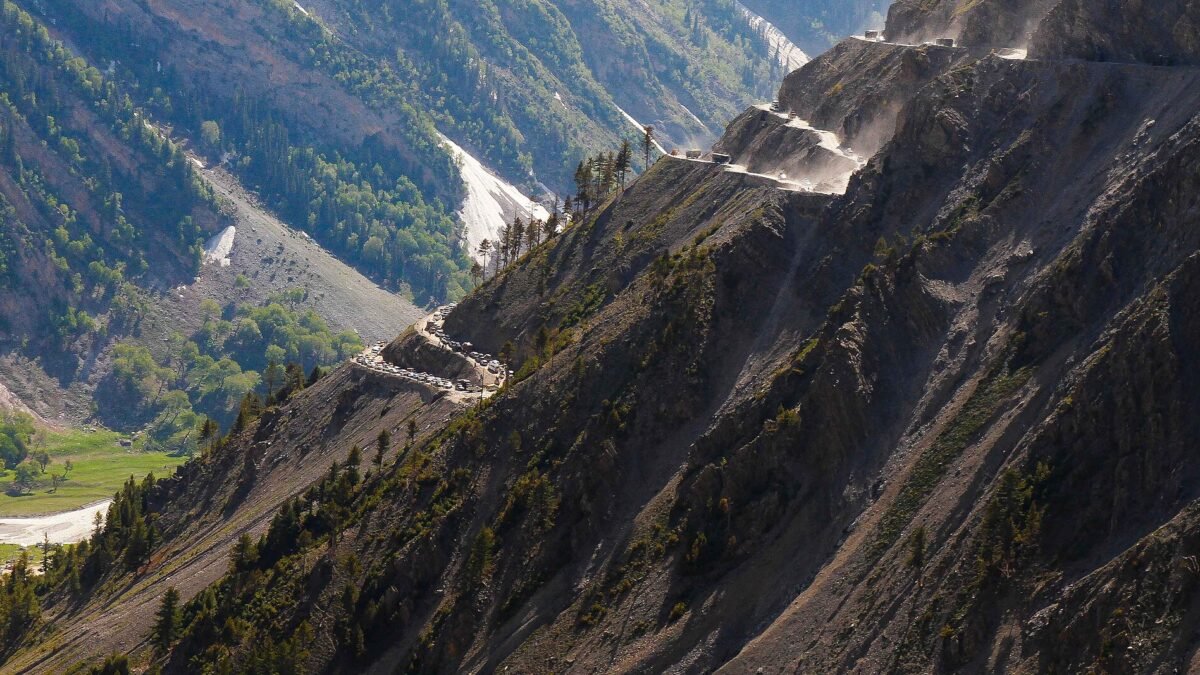
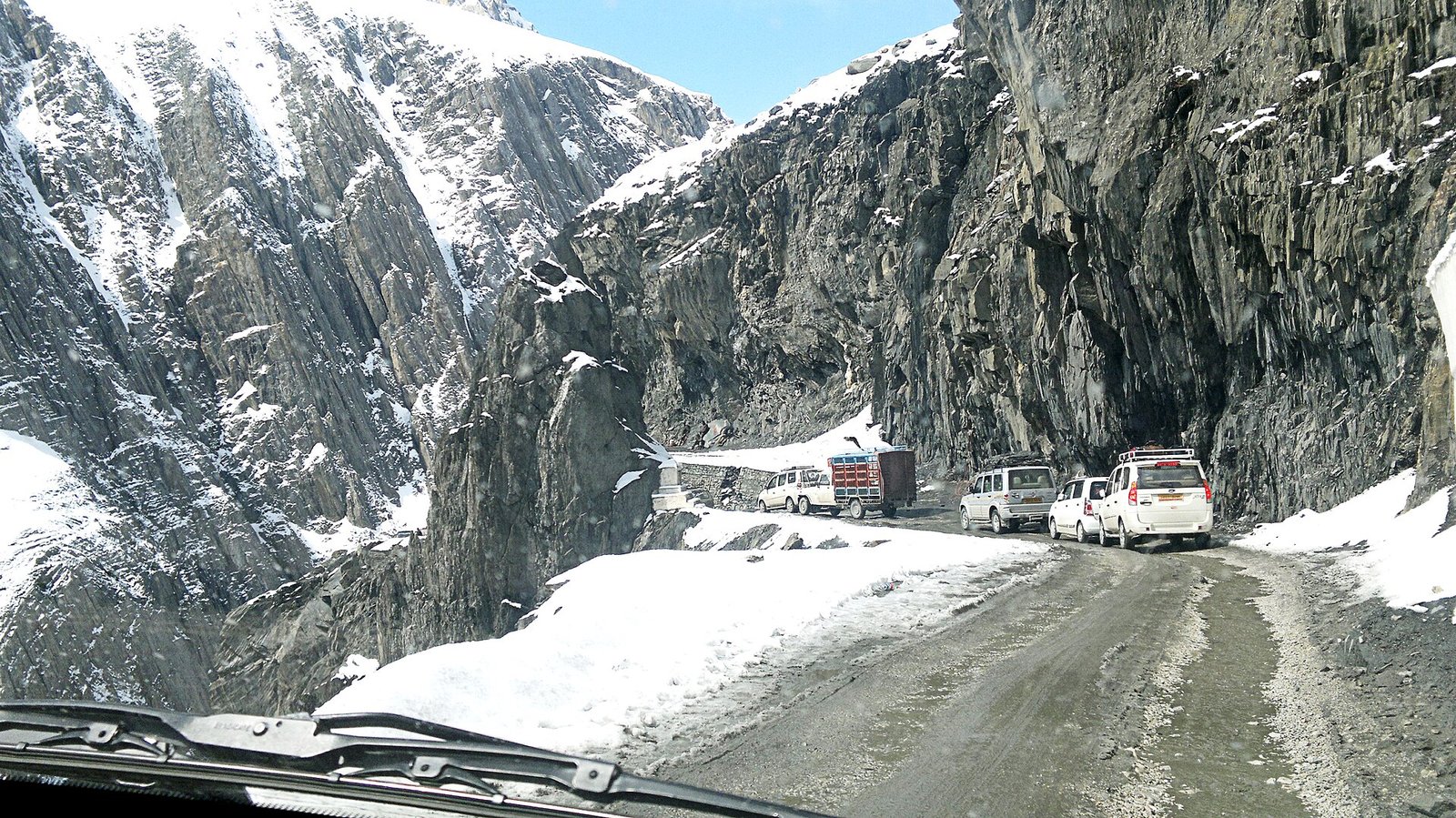
At 11,578 feet, Zoji La is the single chokepoint on National Highway 1 between Srinagar and Leh. Snow closes it every winter, and the closure isn’t a quick affair.
| What | Current reality (2026, no tunnel) |
| Typical closure window | Roughly 6-7 months a year, snow-dependent |
| Crossing time in season | More than 3 hours, per All India Radio’s report |
| Road width | Largely single-lane, BRO-controlled convoy timings |
| Alternate route today | None on this axis; Manali-Leh via Rohtang and Baralacha La is the only other road link, and it closes too |
That last row matters more than people realize. Both of India’s road links to Ladakh, the Srinagar route over Zoji La and the Manali route over Rohtang and Baralacha La, shut for winter. Ladakh currently has zero all-weather road connectivity to the rest of India. Everything moves by air once the passes close.
The Tunnel, By the Numbers
A public project page, cross-checked against All India Radio’s official coverage, gives a consistent picture of what’s actually being built under the mountain.
| Spec | Figure |
| Main tunnel length | 13.15 km, horseshoe-shaped, single-tube, two-lane |
| Elevation | ~11,578 ft, below the pass’s open-air crossing point |
| Connects | Baltal/Sonamarg (Kashmir) to Minamarg, Dras (Kargil, Ladakh) |
| Contractor | Megha Engineering & Infrastructure Ltd (MEIL), awarded 2020 |
| Revised project cost | ₹8,308 crore, including inflation and four years of maintenance |
| Crossing time once open | 15-40 minutes, against 3+ hours today |
| Target completion | February 2028 |
The crossing-time figure varies slightly by source, 15-30 minutes per All India Radio, up to 40 minutes in a public project summary for the longer Sonamarg-to-Meenamarg stretch. Both are the government’s own projections for a tunnel that carries no traffic yet, so read them as a range, not a guarantee.
What Changes for Riders and Road-Trippers When It Opens
The practical shift is bigger than shaving three hours off one stretch. A tunnel that stays open year-round means Ladakh, for the first time, gets a road link that doesn’t vanish every winter. The adjacent 6.5-km Z-Morh tunnel near Sonamarg is already open and already removes one seasonal bottleneck closer to Srinagar, so Zoji La is the last major gap on this axis, not the first piece of the puzzle.
For the road-trip crowd, this is the difference between Ladakh being a summer bucket-list ride and Ladakh being a place you can actually plan a long weekend around.

Until 2028, none of this changes what you ride or drive there on. The Royal Enfield Himalayan 450 remains the default machine for this route for a reason: long-travel suspension, a low seat for tired legs at altitude, and a service network that actually has outposts in Kashmir and Ladakh. If you’re weighing it against Royal Enfield’s own cheaper 440, which trades some of that suspension travel and switchable ABS for a lower price, the side-by-side spec comparison is worth fifteen minutes before you book either one. For a car-based trip, this remains 4×4 territory, not a route for a soft-roader with all-season tyres.
Should You Rush to Ride the Old Pass Before It Changes?
None of the official sources say whether the open-air pass road stays open to leisure traffic once the tunnel takes over, or whether it gets restricted to local and emergency use once NH1 traffic shifts underground. That detail hasn’t been announced yet, and we’re not going to guess at it. What is confirmed is the timeline: construction is targeting February 2028, so if crossing the pass itself, hairpins, prayer flags, BRO signboards and all, is part of why you want to do this ride, you’re looking at roughly two more riding seasons before that experience is guaranteed to look different.
Frequently Asked Questions
Is the Zoji La tunnel open yet?
No. The June 2026 breakthrough only means the underground bore is fully connected. Lining, ventilation and approach roads are still under construction, with the government targeting a February 2028 opening.
Does this mean Ladakh is already accessible in winter?
Not yet. Until the tunnel opens, both road links to Ladakh, over Zoji La from Srinagar and over Rohtang and Baralacha La from Manali, still close for roughly 6-7 months every winter. Ladakh currently has no all-weather road connection to the rest of India.
What bike or car should I take to Ladakh in the meantime?
Nothing about your route planning changes before 2028. An adventure bike built for broken tarmac and altitude, like the Royal Enfield Himalayan, or a proper 4×4, remains the sensible choice. Soft-roaders and low-clearance hatchbacks are still a bad idea on this route.


