


























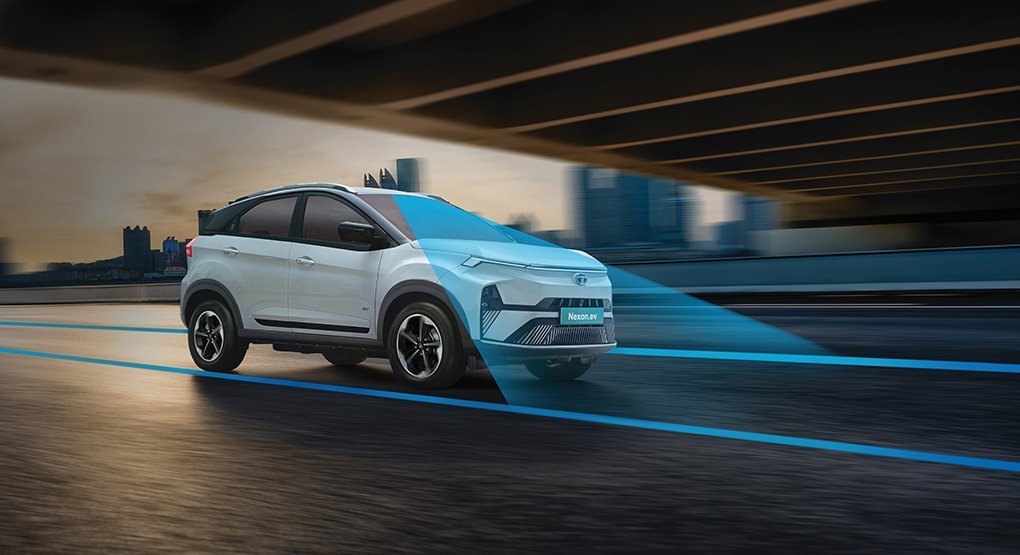
India sold more than 300,000 electric cars and SUVs in a single calendar year for the first time ever, with 52 days of 2026 still left to run. Vahan registration data puts the count at 3,04,701 units between January 1 and November 9, a milestone that would have looked impossible when the entire electric car market sold barely half that number just two years ago.
That is a 66% jump over the same stretch of 2025, and the pace is still climbing. One industry analysis built on the government’s Vahan portal data projects the full year will land between 3,50,000 and 3,60,000 units once December closes out.
| Period (2026) | Units | Growth vs 2025 |
| Q1 (Jan-Mar) | 63,370 | +66% |
| Q2 (Apr-Jun) | 88,040 | +40% |
| Q3 (Jul-Sep) | 1,04,744 | +87% |
| September (monthly record) | 38,440 | +108% |
| October | 37,516 | – |
Who Is Actually Selling These Cars
Three companies account for 81% of every electric car sold in India this year, and the gap between them and everyone else is getting wider, not narrower.
| Maker | Units (Jan 1-Nov 9, 2026) | Market share | Change from 2025 |
| Tata Motors | 1,20,895 | 40% | Up from 76,644 units (+58%) |
| Mahindra & Mahindra | 69,660 | 23% | Up from 19% share |
| JSW MG Motor | 56,988 | 19% | Steady top-3 finish |
| VinFast | 15,867 | 5% | New entrant, 4th place |
| Maruti Suzuki | 12,390 | 4% | 5th place |
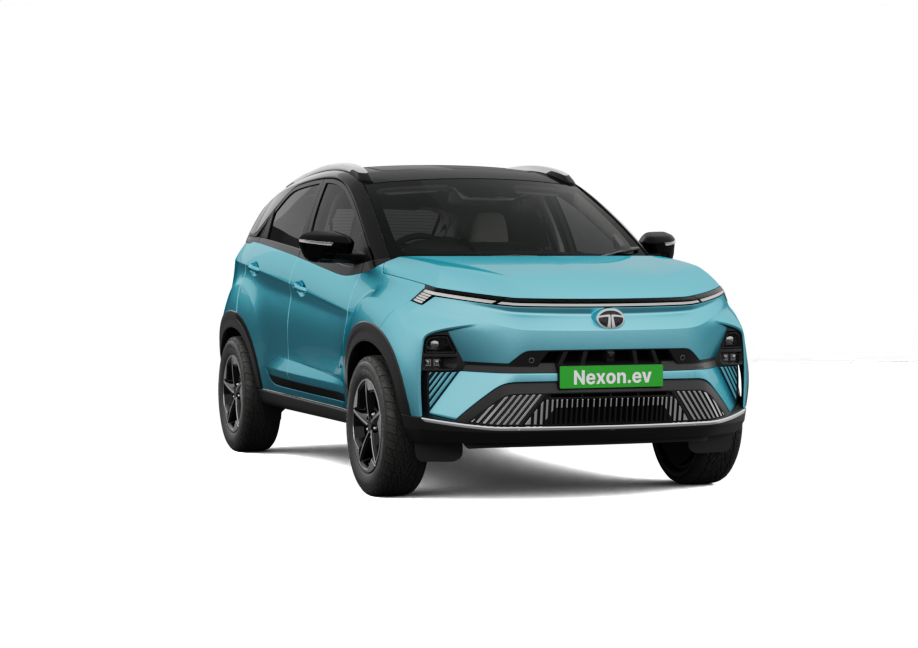
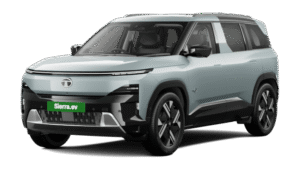
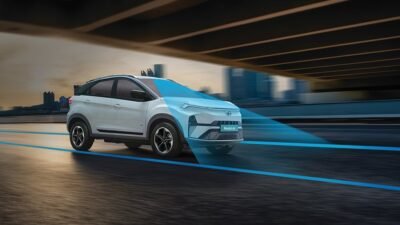
Tata’s lead runs through one car more than any other: the Nexon EV, the cheapest version of which comes to about ₹13.36 lakh on the road in Mumbai, by The Spec’d’s on-road price estimates, and works out to roughly ₹22,439 a month on a 20% down payment over five years. That single model, alongside the Punch EV and Curvv EV, is why Tata’s share actually grew this year instead of shrinking as rivals piled in.
Where Maruti and Hyundai Are Missing From This Chart
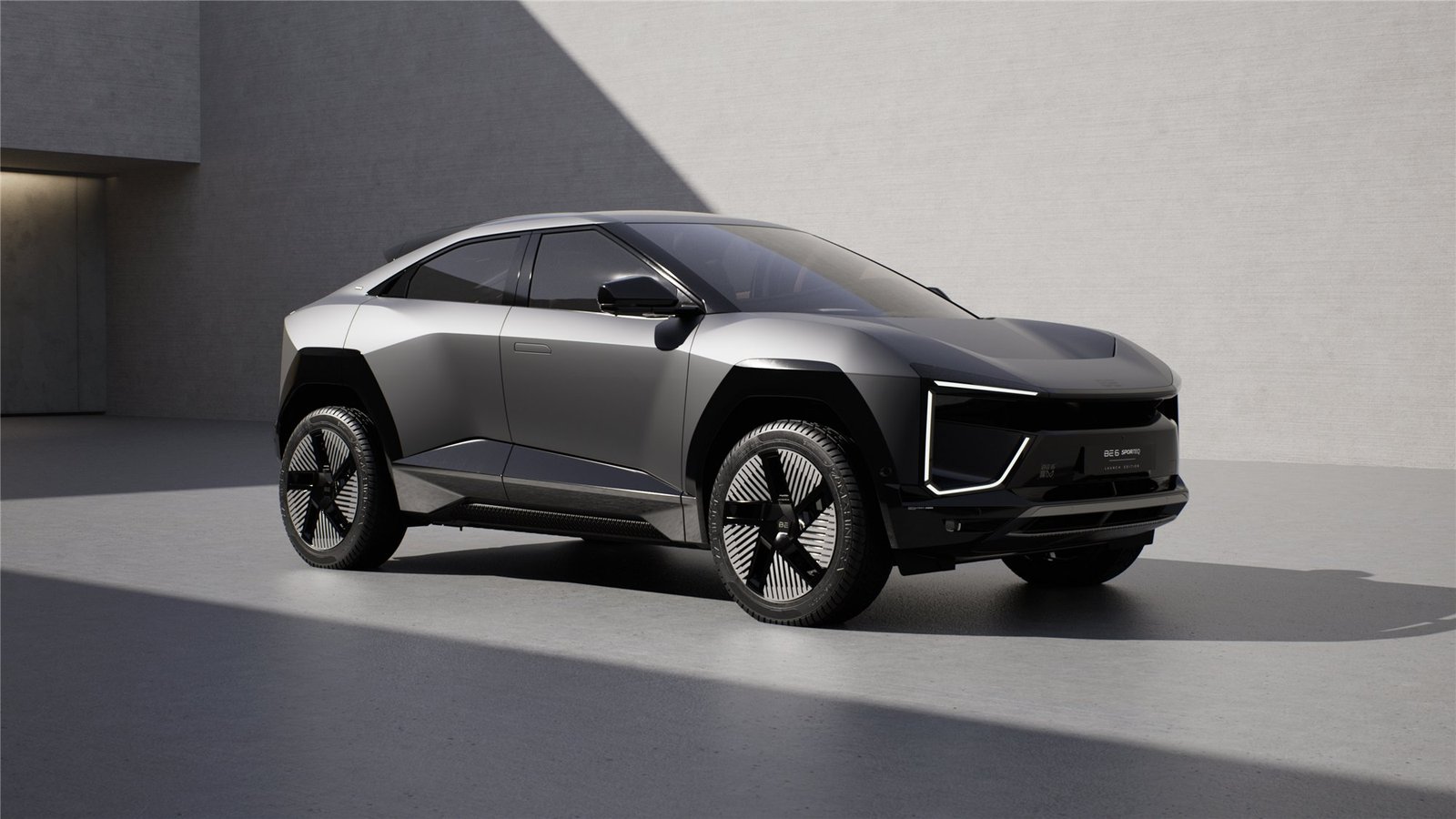
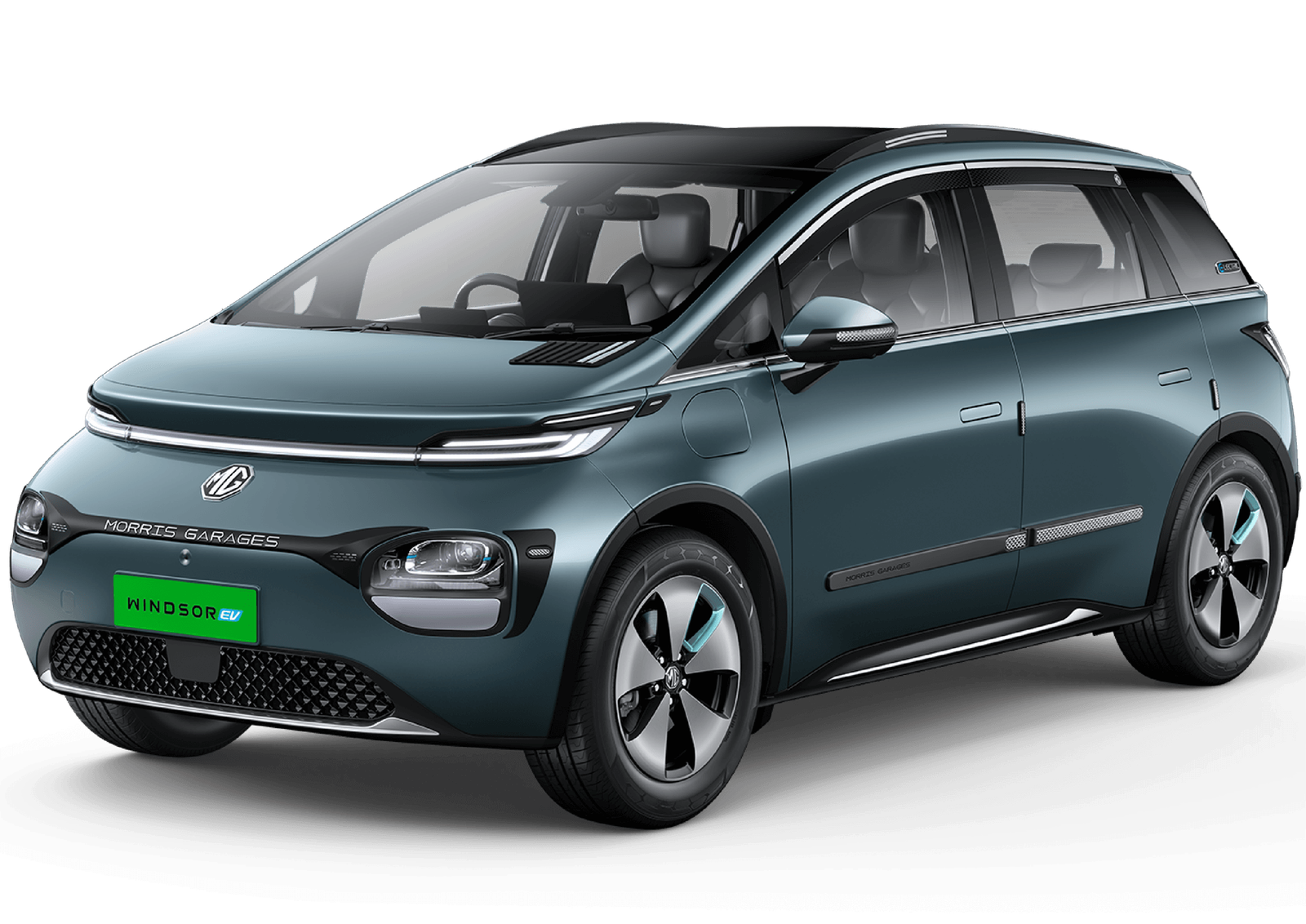
Here is the part the headline growth number hides: Maruti Suzuki, India’s largest carmaker by a wide margin every single month, holds just 4% of the electric car market with its e Vitara. Hyundai does not even crack the top five. Two of the three companies that between them sell roughly half of every petrol and diesel car in India have no real answer yet to the Nexon EV, the BE 6 or the Windsor EV at a price Indian buyers actually want.
That gap matters for anyone cross-shopping right now. A buyer looking at a mass-market electric SUV is choosing almost entirely between Tata, Mahindra and MG showrooms, not the brand they might already own a petrol car from. The full list of electric cars on sale in India makes that lopsided showroom map obvious at a glance.
Is the Luxury EV Segment Actually Growing?
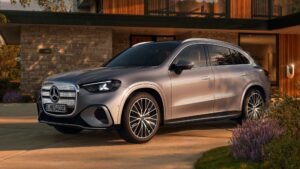
Slowly, and from a tiny base. Premium electric cars, BMW, Mercedes-Benz, Tesla and Volvo among them, sold 7,323 units this year, up 29% from 5,669 in 2025. That is just 2.40% of every electric car sold. BMW alone accounts for 58% of that sliver with 4,273 units; Tesla, despite the attention it gets, sold only 1,153 cars in India across more than ten months. For context, that is fewer cars than Tata’s Nexon EV alone likely sells most individual months.
What This Means If You Are Shopping Right Now
Three things follow directly from these numbers, and none of them are the manufacturer’s marketing line.
- Resale and service will keep improving fastest for Tata, Mahindra and MG, simply because they have the registered fleet size to justify parts stock and trained technicians at more dealerships.
- Waiting periods are likely to stay shorter on Tata and Mahindra’s volume models than on lower-volume imports or niche luxury EVs, where a single bad quarter can mean a long queue.
- The market is still only around 7-8% of total car sales, nowhere near the tipping point where petrol and diesel pricing, insurance or fuel-station networks need to react. Anyone waiting for EVs to force a crash in petrol car prices will be waiting a while longer.
Three companies control 81% of a market that just crossed 300,000 units for the first time, and the two biggest carmakers in the country by overall volume are barely in the conversation.
We covered October’s single-month numbers when Tata and Mahindra’s combined share hit 63% of the EV car market. This full-year count tells a different story: it is the first time the segment has crossed 300,000 units in any calendar year, and it shows the gap between the leaders and the rest of the industry widening rather than closing as the year has gone on.
How many electric cars has India sold in 2026?
3,04,701 units between January 1 and November 9, 2026, per Vahan registration data, already a calendar-year record with almost two months still to go. Full-year 2026 is projected to finish between 3,50,000 and 3,60,000 units.
Which company sells the most electric cars in India?
Tata Motors, with 1,20,895 units and a 40% share so far in 2026, built mainly around the Nexon EV. Mahindra is second at 23% and JSW MG Motor third at 19%.
Is Maruti Suzuki behind in electric cars?
Yes. Despite being India’s largest carmaker overall, Maruti holds only a 4% share of electric car sales in 2026, fifth among all manufacturers, with the e Vitara as its only electric model on sale.


