






























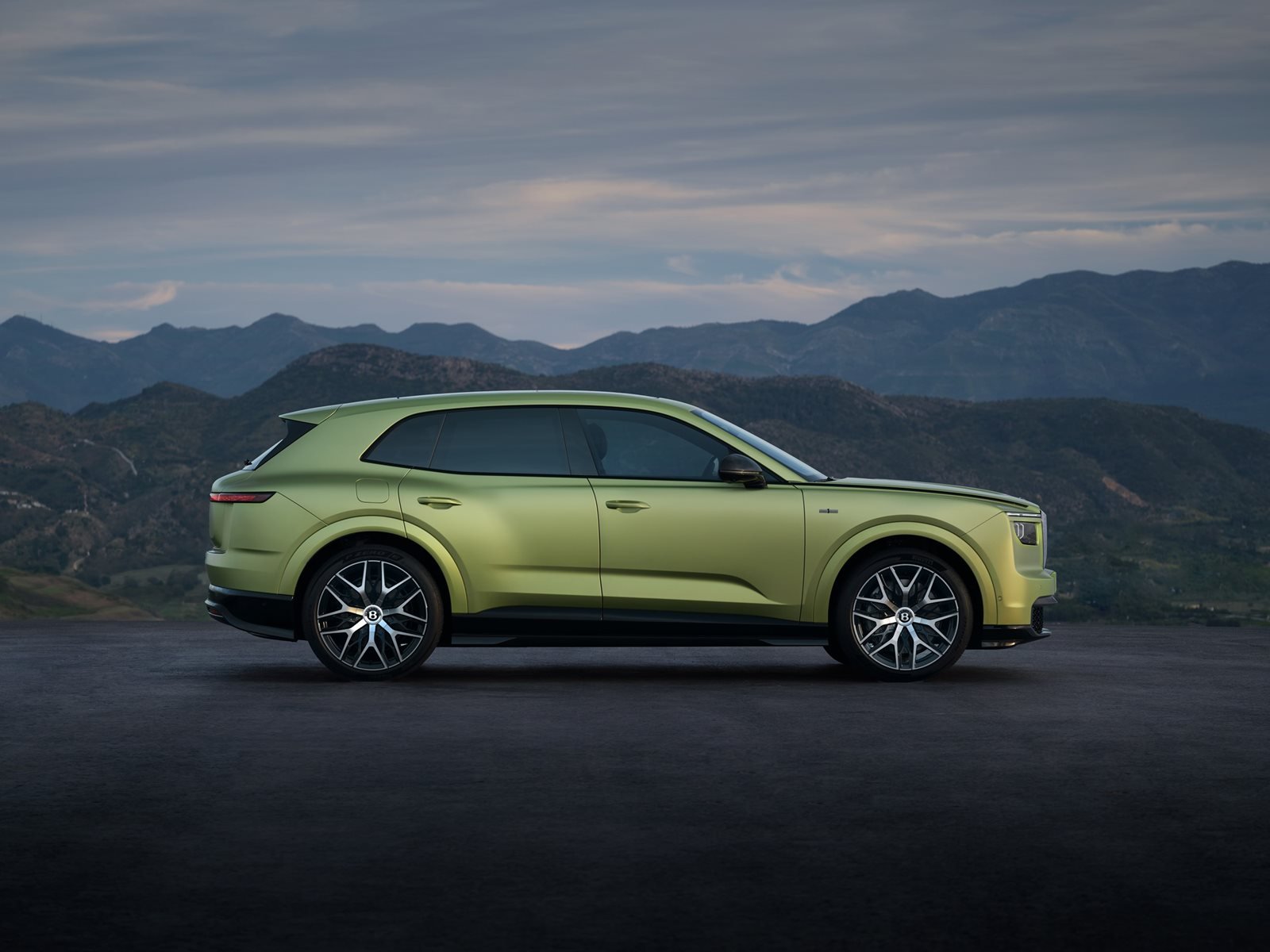
Bentley just did something it has never done in 107 years of building cars: it launched one with no engine at all. The Torcal, revealed in London in September 2026, is Bentley’s first fully electric model, and it starts at £173,300 (roughly ₹1.85 crore before any duties, or about $229,000). That is not pocket change by any measure, but by Bentley standards, it is close to the cheapest way into the badge right now.
Here is why you should care even if you will never sign the cheque. The Torcal is not a science project or a low-volume flex model. It is Bentley’s fourth full model line, sitting alongside the Continental GT, Flying Spur and Bentayga, and the company has said flat out that it will never get a petrol engine. Bentley is calling it the template for every Bentley that comes after it. When a 107-year-old brand built entirely on big, silky W12 and V8 engines says that out loud, it is worth paying attention.

Two versions, one very big torque number
Bentley is offering the Torcal in exactly two trims at launch, and both use a twin-motor, all-wheel-drive setup (one motor per axle, which is what lets an electric car send power to all four wheels without a mechanical driveshaft running the length of the car).
The regular Torcal makes 821 PS and 1,194 Nm of torque (torque is the twisting force that gets a heavy SUV moving from a standstill, and it is the number that makes electric cars feel so instant off the line). That is enough for a 0-60 mph time of 3.3 seconds. The Torcal S turns it up to 888 PS and 1,350 Nm, the highest torque figure of any Bentley ever built, dropping the 0-60 mph sprint to 2.8 seconds. For context, that is quicker than most Ferraris from a decade ago, in a car that can carry five adults and their luggage.
| Spec | Torcal | Torcal S |
| Power | 821 PS (810 hp) | 888 PS (876 hp) |
| Torque | 1,194 Nm | 1,350 Nm |
| 0-60 mph | 3.3 seconds | 2.8 seconds |
| Top speed | 155 mph (249 kmph) | 162 mph (261 kmph) |
| UK starting price | £173,300 | £199,300 |
Both versions share a 108 kWh battery running on an 800-volt electrical system (a higher voltage than most EVs on Indian roads today, which lets the car pull in power faster without the cables and components overheating). Bentley claims a WLTP range of up to 375 miles, or roughly 600 km, and a 10 to 80 percent top-up in under 20 minutes on a fast enough charger. Real-world range on a heavy performance SUV usually lands a fair bit under the claimed number, so treat 600 km as a lab figure rather than a promise, the same way you should with any WLTP claim.
Why this matters more than another EV launch
The Torcal is not a Bentley original from the ground up. It rides on the Premium Platform Electric, the same underpinnings Volkswagen Group uses under the Porsche Cayenne Electric, which is exactly how a niche brand that sells around 10,000 cars a year can afford to build a clean-sheet EV at all. Sharing the expensive bits with Porsche and Audi is what makes this financially sane for Bentley.
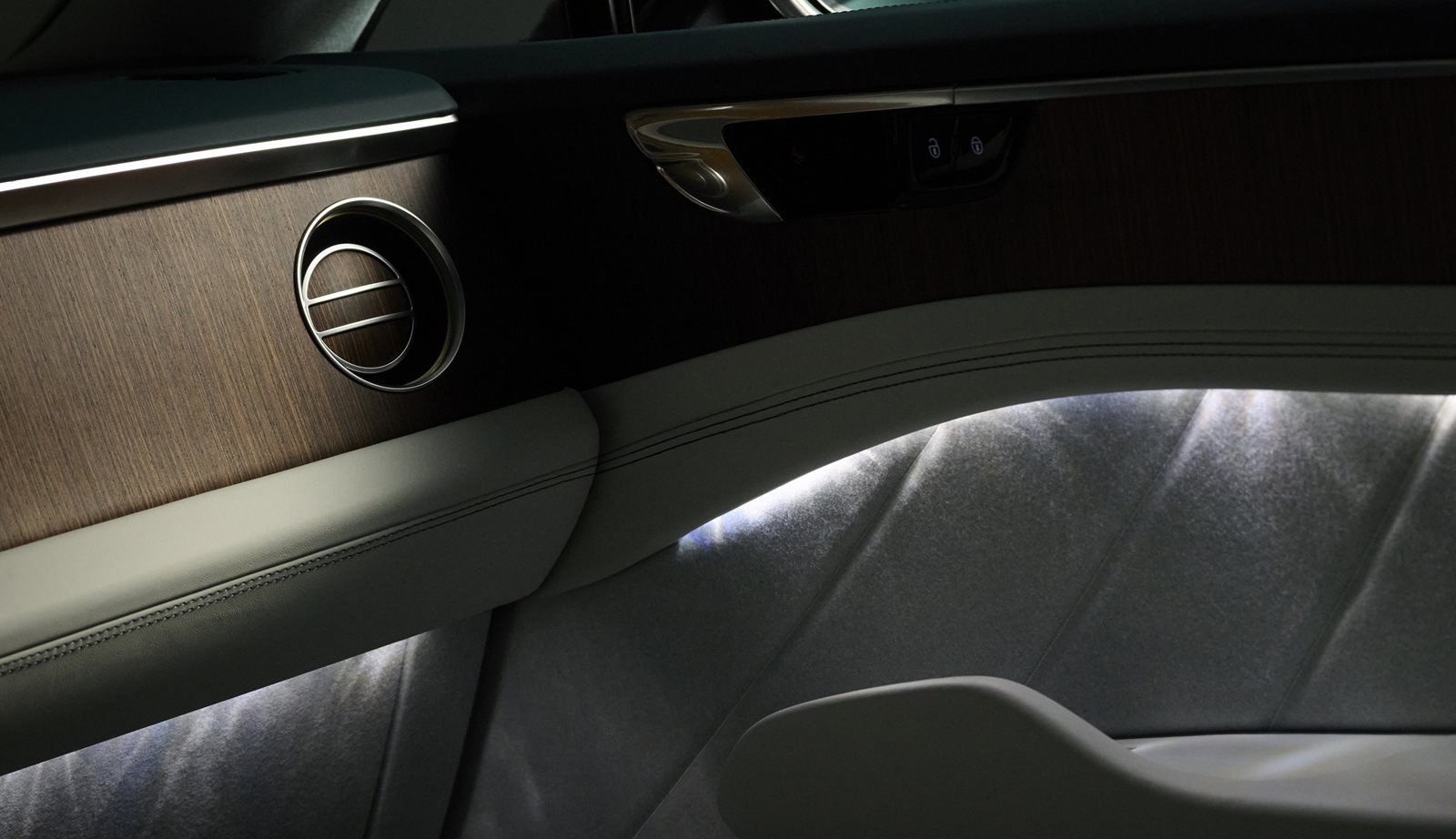
It also lands into a very specific moment in the ultra-luxury EV race. Rolls-Royce got there first with the Spectre. Ferrari followed in 2026 with the Luce, priced around €550,000 (about ₹5.4 crore), and drew real criticism from enthusiasts for looking nothing like a traditional Ferrari. Bentley has taken the opposite bet with the Torcal: it keeps the diamond-shaped grille lighting, the upright stance and the details that make a Bentley look like a Bentley, wagering that familiarity, not novelty, is what gets a wealthy buyer to go electric for the first time.
Built by hand in Crewe, not outsourced
Bentley has put £350 million (roughly ₹3,700 crore) into its Crewe factory in England to build the Torcal, including a new production line inside a building on the site that dates back to 1938. Every Torcal is hand-assembled in the UK, which is worth flagging given how many premium EV platforms these days are essentially badge-engineered from a shared corporate parts bin. This is genuine capital commitment from a brand betting its future on electric power, at a time when its own parent, Volkswagen, has been cutting output and jobs in Germany to control costs. Bentley moving in the opposite direction, investing rather than retreating, says something about how differently the ultra-luxury end of the market is behaving right now.
The India angle, and why it will cost more than the UK price suggests
Bentley already sells the Bentayga in India, and the Torcal is expected here by mid-2027 at a projected ₹4.5 crore ex-showroom, according to one Indian outlet. Notice that this is well above what a straight currency conversion of the UK price would suggest. The reason is the India-UK free trade agreement that has been cutting prices on British ICE cars all year, most visibly on Aston Martin’s range in August, does not extend the same benefit to EVs. So while a petrol Bentayga gets cheaper under the FTA, an electric Bentley does not, and that gap alone adds crores to the Torcal’s India price. It is the same duty mismatch that made the Range Rover Electric land well above its UK sticker price when it arrived here earlier in September.
The Torcal is the rare EV launch that is not really about the car. It is about whether a heritage brand can go electric without losing what made people want the badge in the first place. On the numbers Bentley has shown so far, it has a real shot.
Deliveries begin globally from spring 2027, with India following a few months after. For now, the Torcal is the clearest sign yet that the ultra-luxury SUV world is going electric on its own terms, not because regulators forced it, but because the brands that can afford to build it properly are choosing to.