




























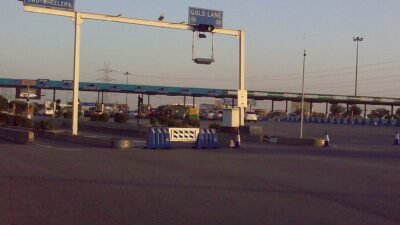


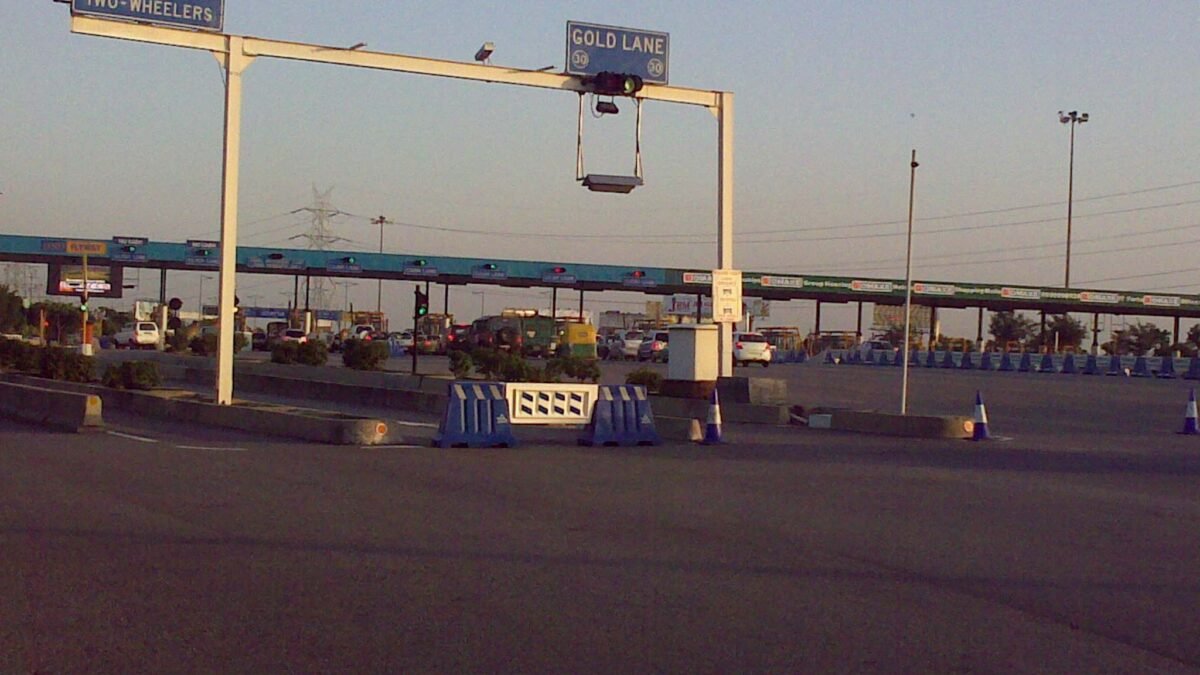
From November 1, 2026, a diesel goods vehicle that meets only the older BS-IV emission norm can no longer enter Delhi from outside the city. The one-year exemption the Commission for Air Quality Management (CAQM) carved out for these trucks in October 2025 ends on October 31, confirmed by a Delhi Transport Department public notice and reported by the Press Trust of India, The Tribune, Deccan Chronicle, WION and several other outlets.
This is not a new announcement arriving out of nowhere. It is the scheduled end of a grace period that transporters already knew was coming, and it lands just as trucks carrying festive stock for Diwali on November 8 are rolling into the city.
What Actually Changes From November 1
CAQM’s underlying order, issued through an amendment to Direction No. 88, bars non-BS-VI commercial goods vehicles registered outside Delhi from entering the city. Light, medium and heavy goods vehicles are all covered. That rule has technically been in force since November 1, 2025, but BS-IV diesel trucks got a one-year transition window to keep crossing the border while operators upgraded their fleets. That window shuts at the end of this month.
| Vehicle registered outside Delhi | Allowed to enter from Nov 1, 2026 |
| BS-VI diesel goods vehicle | Yes |
| CNG, LNG or electric goods vehicle | Yes |
| BS-IV diesel goods vehicle | No, exemption expired Oct 31 |
| BS-III or older diesel goods vehicle | No, barred since Nov 2025 |
| Any goods vehicle registered in Delhi | Yes, exempt regardless of norm |
Delhi-registered trucks are untouched by this specific rule no matter their emission norm, though they still fall under the Graded Response Action Plan (GRAP) whenever a pollution stage is in force. That is the one point most reports blur together, so it is worth separating clearly.
This Is Not the Same as Delhi’s GRAP Car Ban
The Spec’d has covered Delhi’s GRAP-based ban on older passenger cars, which switches on and off as the city’s Air Quality Index crosses specific thresholds across five NCR cities, including Sonipat. This BS-IV truck rule is different: it is a fixed CAQM direction with a calendar deadline, not something tied to the day’s AQI reading, and it targets commercial goods vehicles entering from outside Delhi rather than private cars already in the NCR.
How the Timeline Got Here
| Oct 17, 2025 | CAQM approves the ban on non-BS-VI goods vehicles entering Delhi |
| Nov 1, 2025 | Ban takes effect; BS-IV diesel trucks get a one-year exemption |
| Oct 31, 2026 | BS-IV exemption expires |
| Nov 1, 2026 | Only BS-VI, CNG, LNG or electric goods vehicles may enter from outside Delhi |
Why Transporters Are Pushing Back
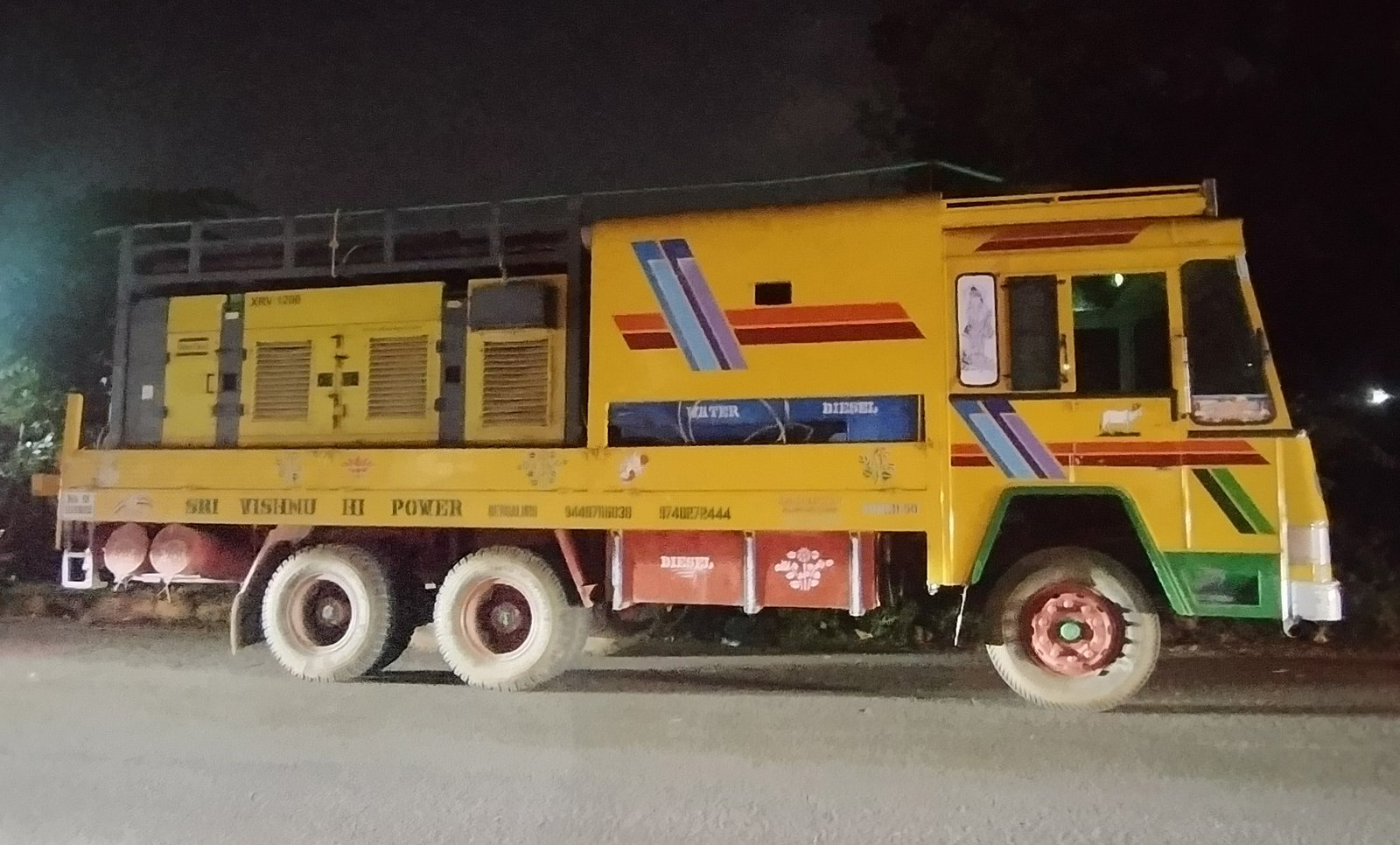
Not everyone agrees the deadline should stick. Anil Chhikara, a former Deputy Commissioner of Transport, told ETV Bharat on October 27 that the policy risks destabilising Delhi’s entire supply chain. He argues that a BS-IV truck running at low load inside the city emits close to what a BS-VI truck does, going by routine Pollution Under Control (PUC) data.
Chhikara says the real pollution load comes from road dust, construction waste and open burning rather than truck emission class, and has called for a review of who recommended the cutoff. Separately, transporter associations had asked CAQM for more time to upgrade fleets, with some signalling they could challenge the rule in court if no extension came.
None of the reports The Spec’d checked name a specific fine for a truck turned away at the border. The consistent detail across Tribune, WION, CMV360 and Trak.in’s coverage of the original 2025 order is that a non-compliant vehicle is simply denied entry at checkpoints, with the Transport Department expected to lean on border checks and automated monitoring to catch violators.
Why It Lands Badly Right Now
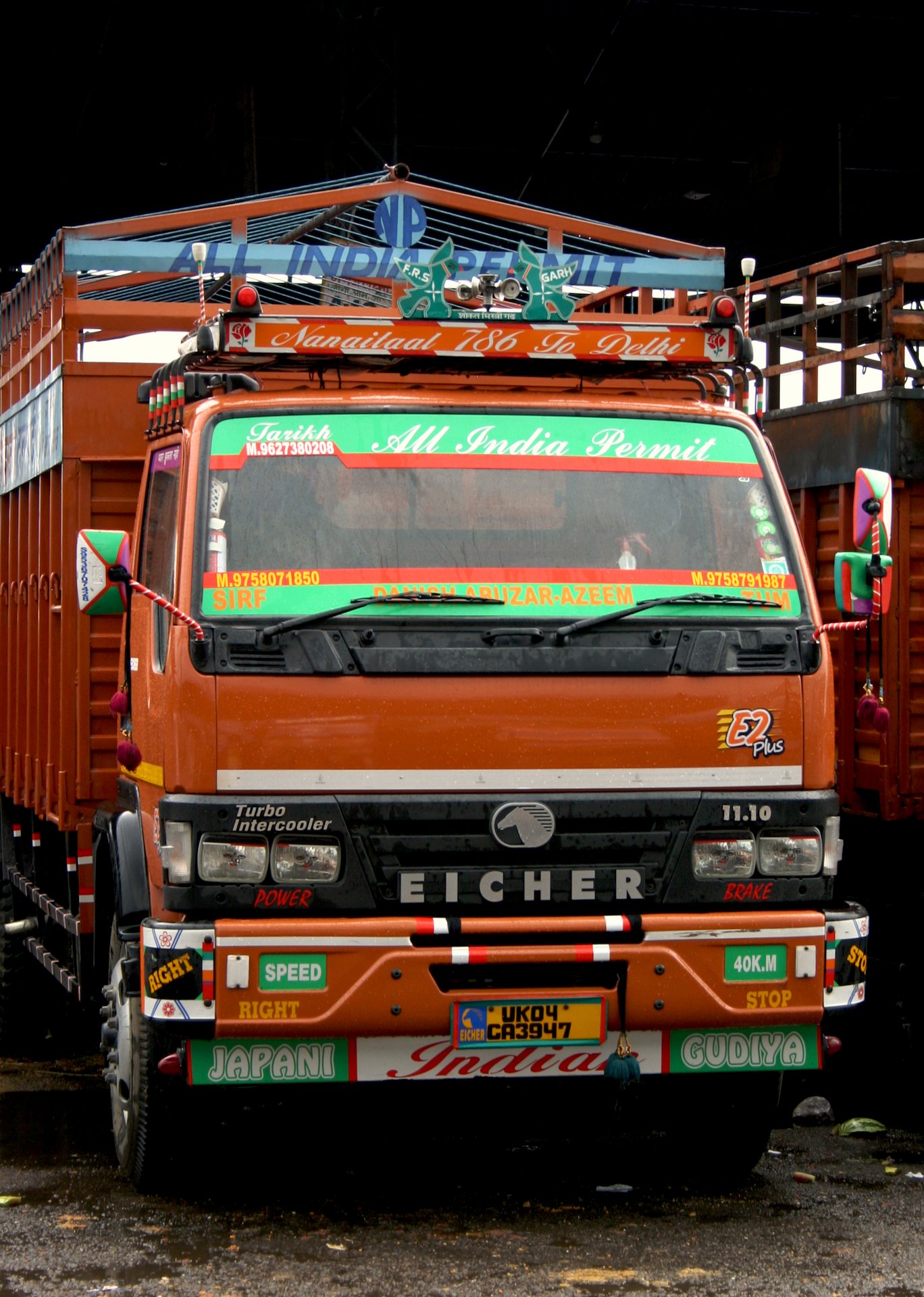
Diwali falls on November 8 this year, with Dhanteras on November 6, and the days around both are when the heaviest volumes of festive stock, from gift boxes to FMCG goods to crackers, move into Delhi by road from factories and warehouses across North India. A transporter running an older BS-IV fleet on that route now has to either swap in a BS-VI, CNG or electric truck, transload cargo onto a compliant vehicle at the border, or skip the Delhi leg altogether. None of those options are instant, which is exactly the transporters’ complaint.
What This Means If You Are Not Running a Fleet
If you are a private car or two-wheeler owner, this specific rule does not touch your vehicle. It applies only to commercial goods vehicles registered outside Delhi. Your own exposure to Delhi’s vehicle-emission rules still runs through GRAP, which can restrict older private cars during a pollution spike, and through the separate BS-III petrol and BS-IV diesel four-wheeler bans that already apply inside the city limits.
Does this BS-IV truck ban apply to private cars?
No. It applies only to commercial goods vehicles, light, medium and heavy, that are registered outside Delhi. Private cars and two-wheelers are governed separately by GRAP and the BS-III petrol or BS-IV diesel four-wheeler restrictions that already apply within Delhi.
Are Delhi-registered trucks affected by this rule?
No. Goods vehicles registered in Delhi are exempt from this specific entry ban regardless of their emission norm, though they remain subject to GRAP restrictions whenever a pollution stage is active.
What happens to a non-compliant truck that tries to enter Delhi?
Reports on the original 2025 order describe the vehicle being turned back at checkpoints, with the Transport Department relying on border checks and automated monitoring. None of the coverage The Spec’d reviewed specifies a fine amount for this particular rule.