













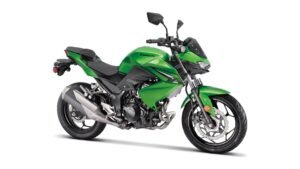
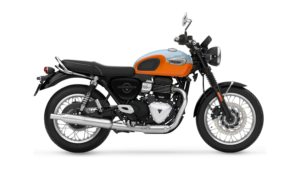




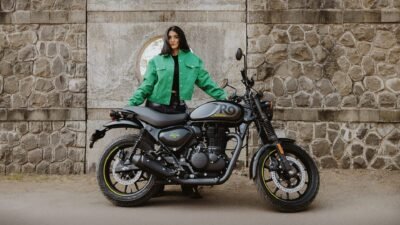

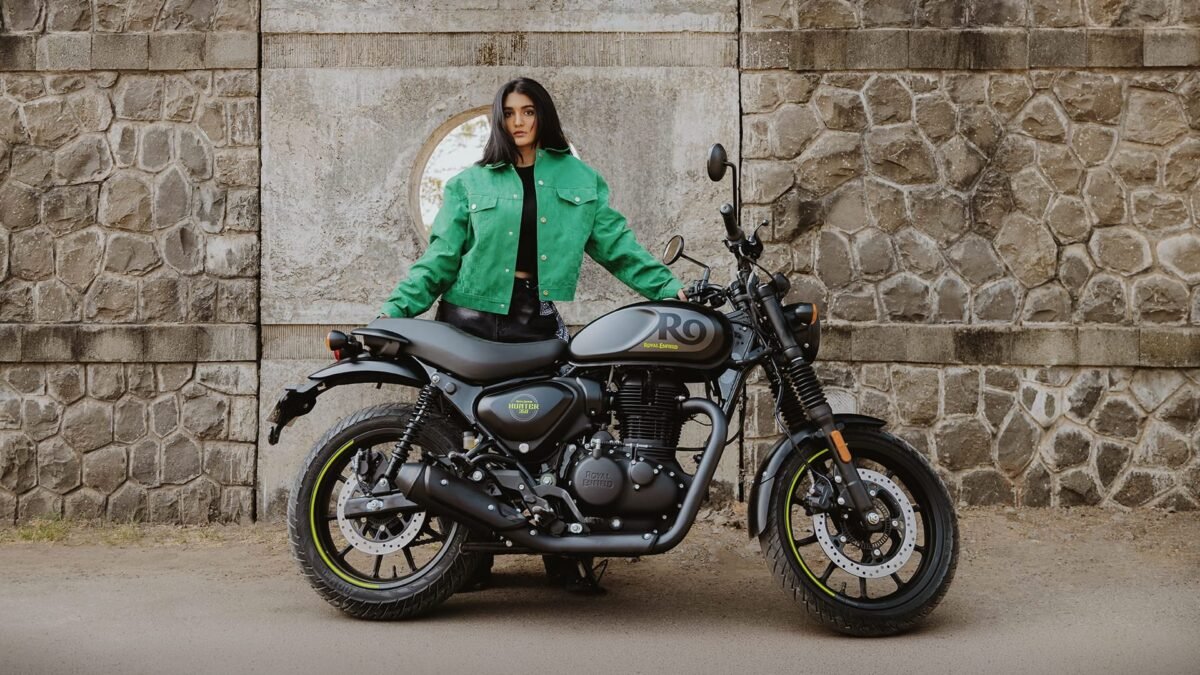
The Royal Enfield Hunter 350 and the Yamaha XSR 155 sit within ₹12,000 of each other on the road in Mumbai, but the money buys very different things. On the Hunter, moving up the range buys real hardware: dual-channel ABS and wider tyres. On the XSR, every variant above the base is the identical motorcycle in a different colour.
Both are neo-retro roadsters, and Yamaha and Royal Enfield list each other as rivals on their own spec sheets. Here is what each actually costs to buy, finance and run, using The Spec’d’s own city pricing.
On-Road Price in Mumbai: Who Wins
The Hunter 350 Retro, its cheapest version, comes to about ₹1.64 Lakh on the road in Mumbai on The Spec’d’s Hunter 350 city price page. The XSR 155’s cheapest version, the Metallic Blue, works out to about ₹1.76 Lakh on the XSR 155’s own city price page. That is a ₹12,000 gap, almost entirely because the XSR’s ex-showroom price starts ₹11,350 higher to begin with.
| Hunter 350 Retro (Base) | XSR 155 Metallic Blue | |
| Ex-showroom | ₹1.38 Lakh | ₹1.49 Lakh |
| On-road in Mumbai | ₹1.64 Lakh | ₹1.76 Lakh |
| EMI, 3 years, 20% down | ₹4,354/month | ₹4,687/month |
| Claimed mileage | 36 kmpl (ARAI) | 45.5 kmpl (lab test) |
| Running cost per 1,000 km | ₹2,780 | ₹2,200 |
These on-road, EMI and running-cost figures are The Spec’d’s estimates, built from each maker’s ex-showroom price, Maharashtra’s road-tax rules and a flat ₹100-a-litre petrol price. Actual insurance and accessory costs vary by dealer. The EMI is worked on the Mumbai on-road price, not the ex-showroom figure, at 12% interest.
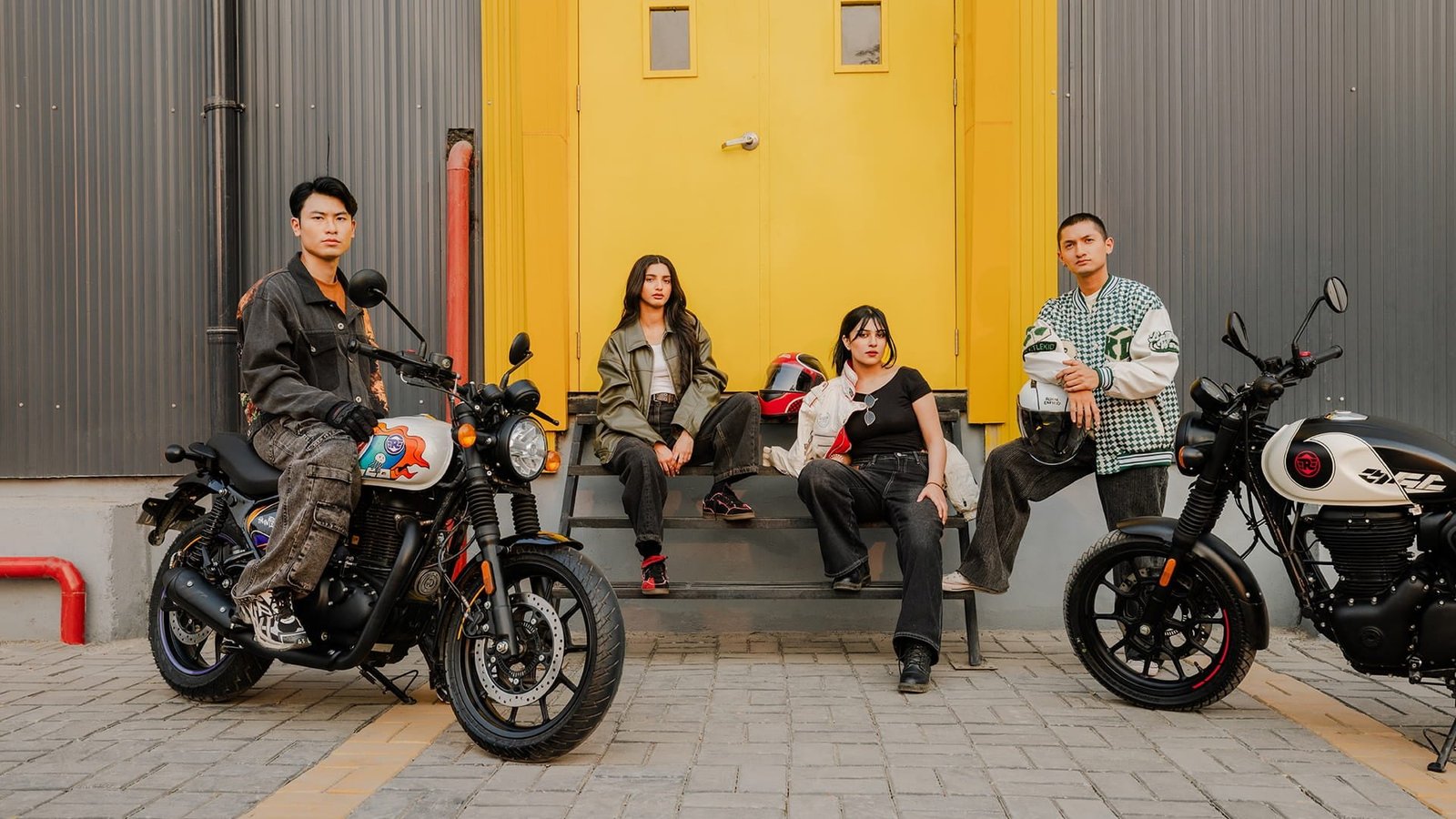
Which Hunter 350 Variant Is Actually Worth Buying
The Hunter 350’s four variants are not just trim badges. Stepping up from the Retro to the Metro (Base Premium) for ₹13,385 buys alloy wheels with tubeless tyres, an LED tail lamp and a pilot lamp alongside the headlamp. The real jump is the next one.
| Variant | Ex-showroom | Step over the one below | What it adds |
| Retro (Base) | ₹1.38 Lakh | Cheapest variant | Starting point |
| Metro (Base Premium) | ₹1.51 Lakh | +₹13,385 | Alloy wheels, tubeless tyres, LED tail lamp |
| Metro Dapper (Mid) | ₹1.66 Lakh | +₹15,347 | Dual-channel ABS, 270 mm rear disc, wider 110/70 and 140/70 tyres, Type-C charging |
| Metro Rebel (Top) | ₹1.71 Lakh | +₹4,705 | Dual-tone paint only |
The Metro Dapper is the one actually worth the extra money: dual-channel ABS and a wider rear tyre are real safety upgrades, not trim. The top Metro Rebel adds nothing you can feel for its ₹4,705, just a two-tone colour scheme. Skip it unless you specifically want that paint.
Which XSR 155 Variant Is Actually Worth Buying
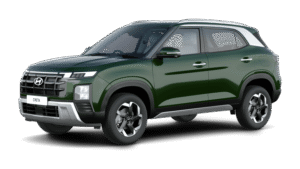
The XSR 155 has five colourways, and every single one above the base Metallic Blue is the identical motorcycle: same engine, same brakes, same everything, just a different paint job, for up to ₹12,810 more. Vivid Red costs ₹6,810 extra, Metallic Grey ₹10,810 extra, and Metallic Black or Greyish Green Metallic ₹12,810 extra over the base Metallic Blue. None of it changes how the bike rides.
Buy the base Metallic Blue. There is no mechanical reason to pay more, only a cosmetic one.
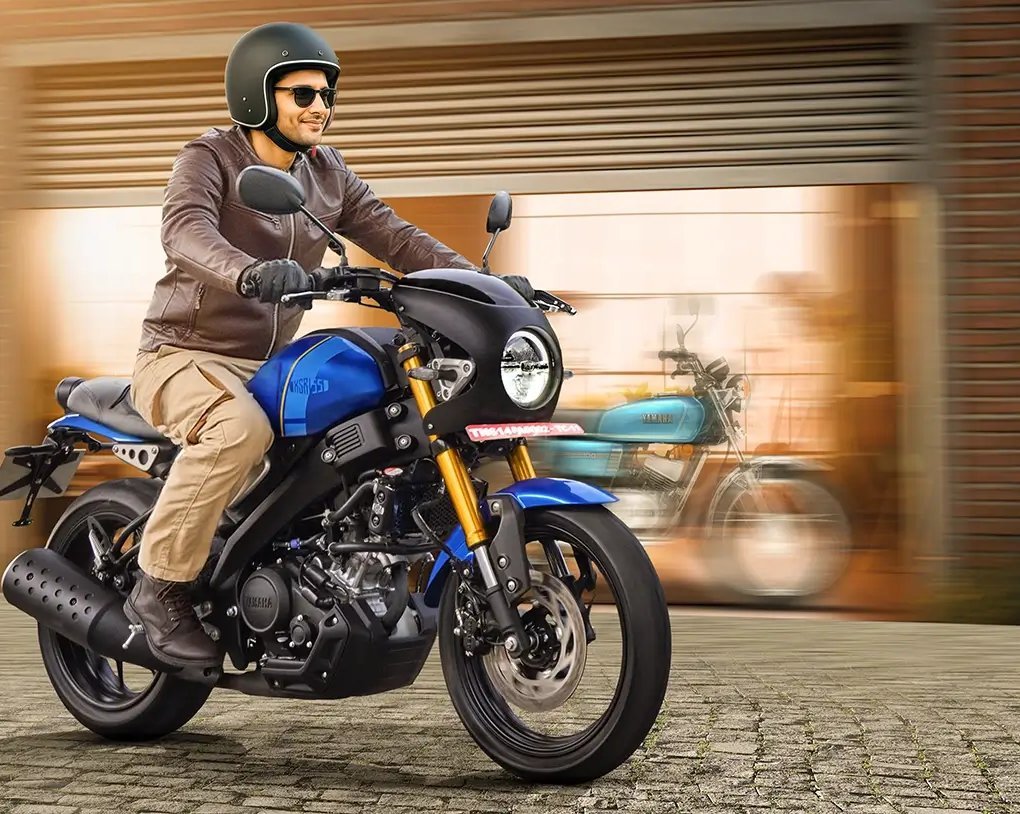
Claimed Mileage vs What Owners Actually Report
The Hunter 350’s 36 kmpl is an ARAI figure, run by the Automotive Research Association of India under test conditions. Team-BHP’s own specifications page lists an owner-reported figure of 35 kmpl, and Autocar India puts real-world economy at a broader 30 to 35 kmpl depending on the rider. In other words, the Hunter tends to fall a little short of its claim in daily use.
The XSR 155’s 45.5 kmpl is not even ARAI-certified; 91Wheels notes ARAI has not tested the model, so it is Yamaha’s own lab figure. Owners on Team-BHP’s forum and riders cited by How2Shout report real-world figures of 45 to 50 kmpl, with conservative riders claiming more. Unusually, the XSR tends to meet or beat its claimed number, the opposite pattern to the Hunter.
At ₹100 a litre, the Hunter’s claimed 36 kmpl costs ₹2,780 for every 1,000 km; the XSR’s 45.5 kmpl costs ₹2,200. Over a typical 8,000 km a year, that is about ₹4,640 saved by the XSR, not enough to close its ₹12,000 higher on-road price in one year, but it adds up over a longer ownership.
So Which One Should You Actually Buy
Buy the Hunter 350 Metro Dapper for a bigger, traditional-feeling 349cc single with real dual-channel ABS at ₹1.66 Lakh ex-showroom. Buy the base Retro if budget matters more than the ABS; at ₹1.38 Lakh it is still the cheapest proper Royal Enfield on sale.
Buy the XSR 155 for the more modern, liquid-cooled 155cc engine, slipper clutch and six-speed gearbox in a lighter 134 kg package, if you are fine paying ₹12,000 more on the road in Mumbai. Its real strength is running cost, not purchase price. Both make the site’s bikes under ₹2 lakh list, and the full spec breakdown is on the Hunter 350 vs XSR 155 comparison page.
The Hunter’s variant ladder buys you equipment. The XSR’s buys you a colour. That difference matters more than the ₹12,000 gap between them.
Which is cheaper on the road, the Hunter 350 or the XSR 155?
The Hunter 350 Retro, about ₹1.64 Lakh on the road in Mumbai on The Spec’d’s estimates. The XSR 155 Metallic Blue works out to about ₹1.76 Lakh, a ₹12,000 gap that is mostly down to the XSR’s higher ex-showroom price.
Is the Yamaha XSR 155 more fuel efficient than the Hunter 350?
On paper, yes: 45.5 kmpl claimed against the Hunter’s 36 kmpl ARAI figure. Owner reports on Team-BHP suggest the gap holds up in real use too, with XSR riders often meeting or beating their claimed number while Hunter owners typically see a little less than 36 kmpl.
Which variant should I actually buy, Hunter 350 or XSR 155?
On the Hunter 350, the Metro Dapper for its dual-channel ABS and wider tyres. On the XSR 155, the base Metallic Blue, since every pricier colour is mechanically identical.