
























The Maruti Fronx CNG costs ₹1.04 lakh more than the equivalent petrol manual on paper. On the road in most cities it is actually ₹1.09 lakh to ₹1.16 lakh more, because state road tax is charged as a percentage of the higher CNG price too. Run that against the Fronx’s own claimed running costs and the break-even point lands past 60,000 km in most cities, further out than the 33,000 to 53,000 km that ex-showroom-only comparisons report.
We’ve already shown how the Fronx’s on-road price swings by city. This is what that same city-by-city data means if you’re actually choosing between the Sigma or Delta trim in CNG versus petrol.
The CNG Premium Looks Smaller on Paper Than It Is
Maruti sells CNG only on the 1.2-litre naturally aspirated engine, in the Sigma and Delta trims. Ex-showroom, the step from petrol to CNG looks modest:
| Trim | Petrol MT | CNG MT | CNG Premium |
| Sigma | ₹6.90 Lakh | ₹7.94 Lakh | ₹1.04 Lakh |
| Delta | ₹7.75 Lakh | ₹8.74 Lakh | ₹99,000 |
That’s the number most reviews stop at. It’s also not what you’ll pay the dealer.
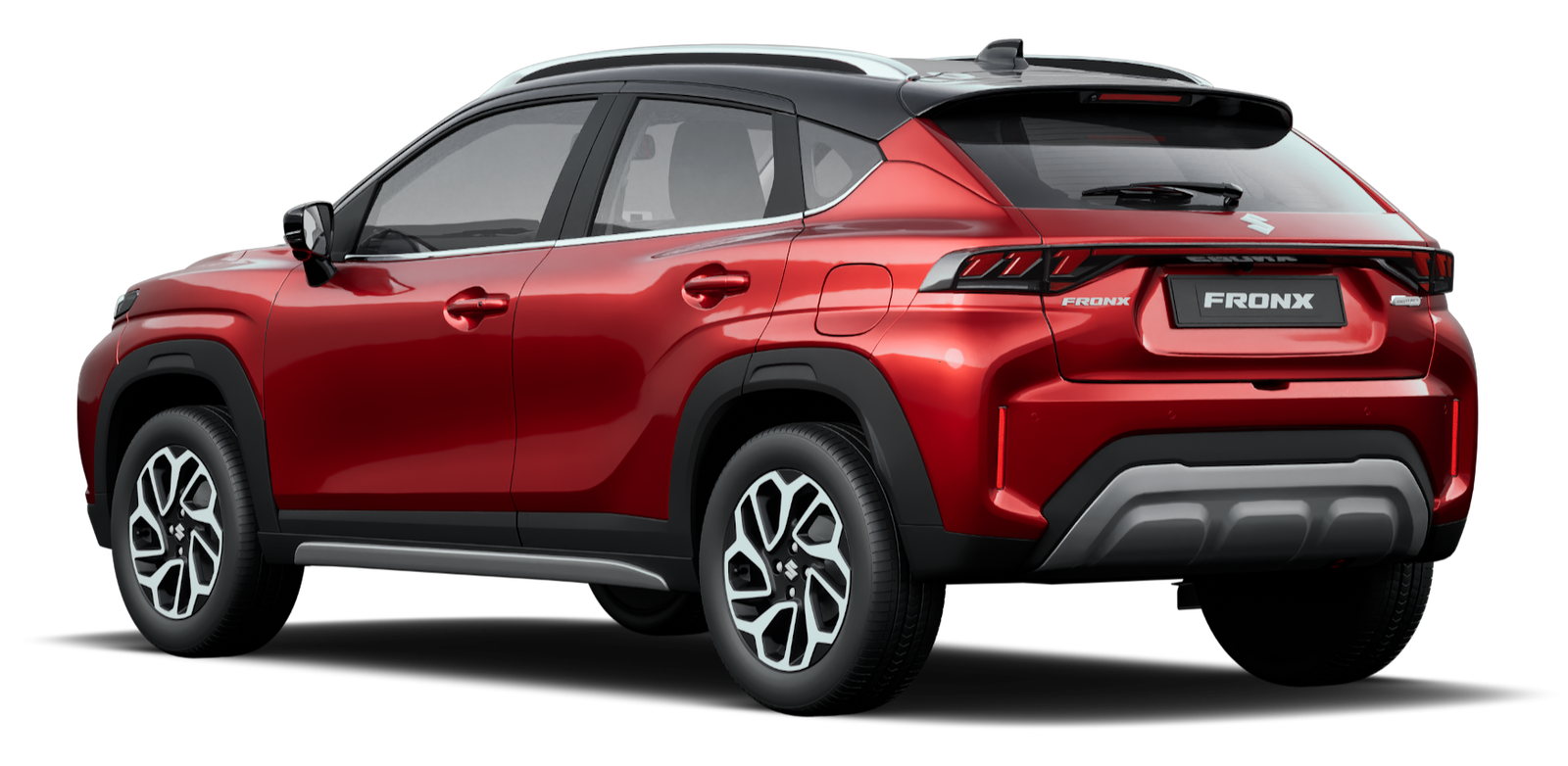
What the Fronx CNG Actually Costs On the Road
Road tax is charged as a percentage of the ex-showroom price, so a car that costs ₹1.04 lakh more to start with also pays more tax on that extra amount. On The Spec’d’s on-road price page for Mumbai, the Sigma Petrol MT comes to about ₹8.05 lakh on the road and the Sigma CNG MT to about ₹9.18 lakh, a gap of ₹1.13 lakh, not ₹1.04 lakh. The gap moves with the state’s tax slab:
| City | Sigma Petrol MT | Sigma CNG MT | On-Road Gap |
| New Delhi (7% tax) | ₹7.77 Lakh | ₹8.86 Lakh | ₹1.09 Lakh |
| Mumbai (11% tax) | ₹8.05 Lakh | ₹9.18 Lakh | ₹1.13 Lakh |
| Bengaluru (14% tax) | ₹8.27 Lakh | ₹9.43 Lakh | ₹1.16 Lakh |
These are The Spec’d’s own estimates, built from Maruti’s ex-showroom price and each state’s published road-tax rules, not a dealer quote. The Sigma CNG stays under ₹10 lakh on the road in every one of the 39 cities we price, including the highest-tax ones, which keeps it on our list of every CNG car under ₹10 lakh. Higher up the ladder, the Delta CNG’s on-road premium over Delta Petrol narrows slightly, to about ₹1.08 lakh in Mumbai.
What You Actually Save Per 1,000 KM
The savings side is where CNG earns the premium back. The Spec’d’s Fronx mileage and running-cost page works this out at ₹80 a kg of CNG and ₹100 a litre of petrol, using the ARAI claimed figures:
| Fuel & Gearbox | Claimed Mileage | Cost per 1,000 km |
| CNG, manual | 28.51 km/kg | ₹2,810 |
| Petrol, manual (Sigma/Delta) | 21.79 kmpl | ₹4,590 |
That’s a saving of ₹1,780 every 1,000 km, or about ₹1.78 a km. These are ARAI lab figures, not a real-world test: nobody has published an independent instrumented test of Fronx CNG mileage in traffic, so treat the gap as directional rather than exact.
So How Long Until the Savings Catch Up?
Divide the price gap by the per-km saving and you get the distance at which CNG pays for itself:
- Ex-showroom gap (₹1,04,000) ÷ ₹1.78 a km = about 58,400 km
- On-road gap in Delhi (₹1,09,000) ÷ ₹1.78 a km = about 61,200 km
- On-road gap in Mumbai (₹1,13,000) ÷ ₹1.78 a km = about 63,500 km
- On-road gap in Bengaluru (₹1,16,000) ÷ ₹1.78 a km = about 65,200 km
At a commute of 40 km a day, roughly 14,600 km a year, that’s 4 years on the ex-showroom number most reviews quote, stretching to 4.3 to 4.5 years once you use what the car actually costs on the road in Mumbai or Bengaluru. Drive less than that, mostly on weekends, and the petrol Fronx is the better buy: you won’t cover enough distance to recover the extra ₹1 lakh-plus before you’d normally change cars.
If you cover more than about 150 km a week day in, day out, the Fronx CNG earns its premium back inside five years. Anything less and you’re paying extra for a tank you’ll never fully use.
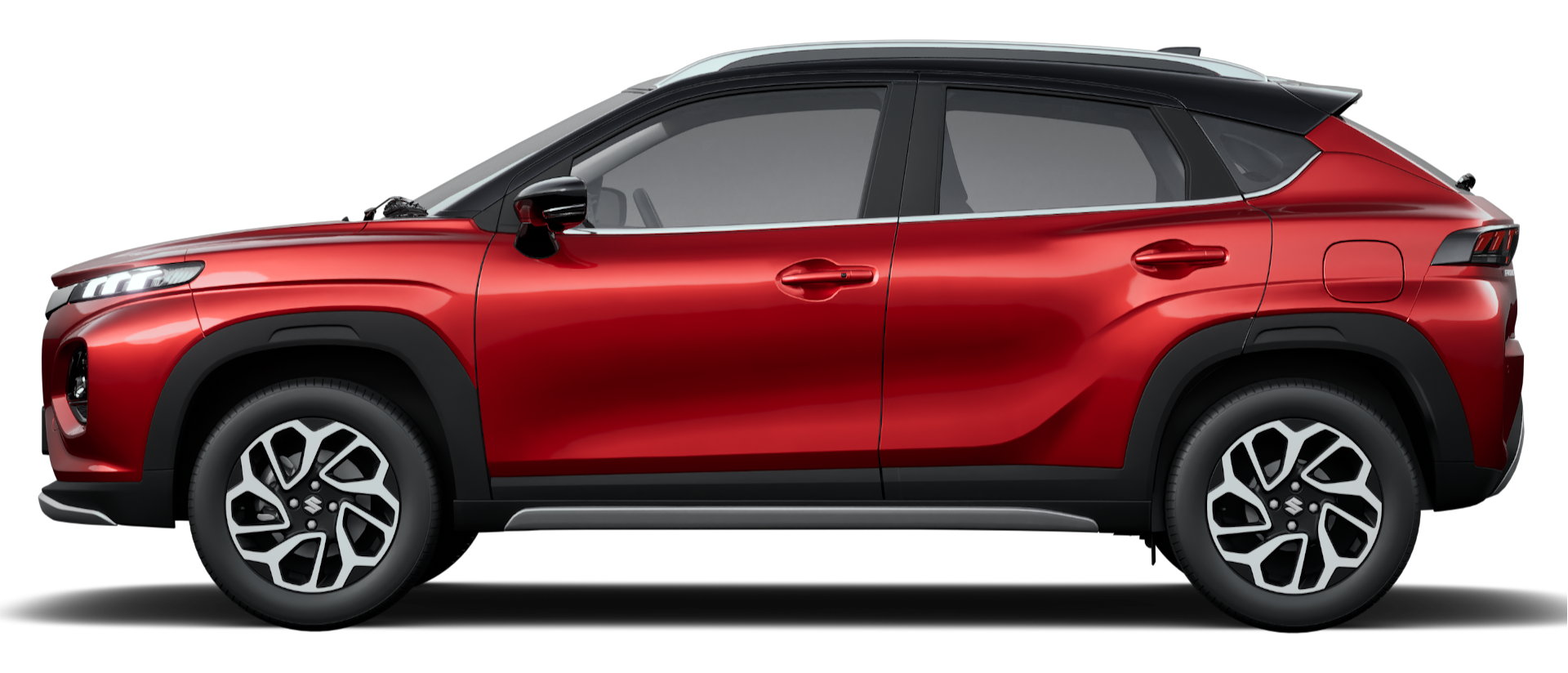
Which Fronx CNG Variant to Buy
Buy the Sigma CNG MT, not the Delta CNG MT. The extra ₹80,000 for Delta buys a 7-inch touchscreen with wireless Android Auto and Apple CarPlay and four speakers, features that don’t touch the running-cost math, and that premium stretches the break-even out further rather than closer. If infotainment matters more to you than a faster payback, Delta CNG is the one to pick, but know that you’re paying for convenience, not economy.
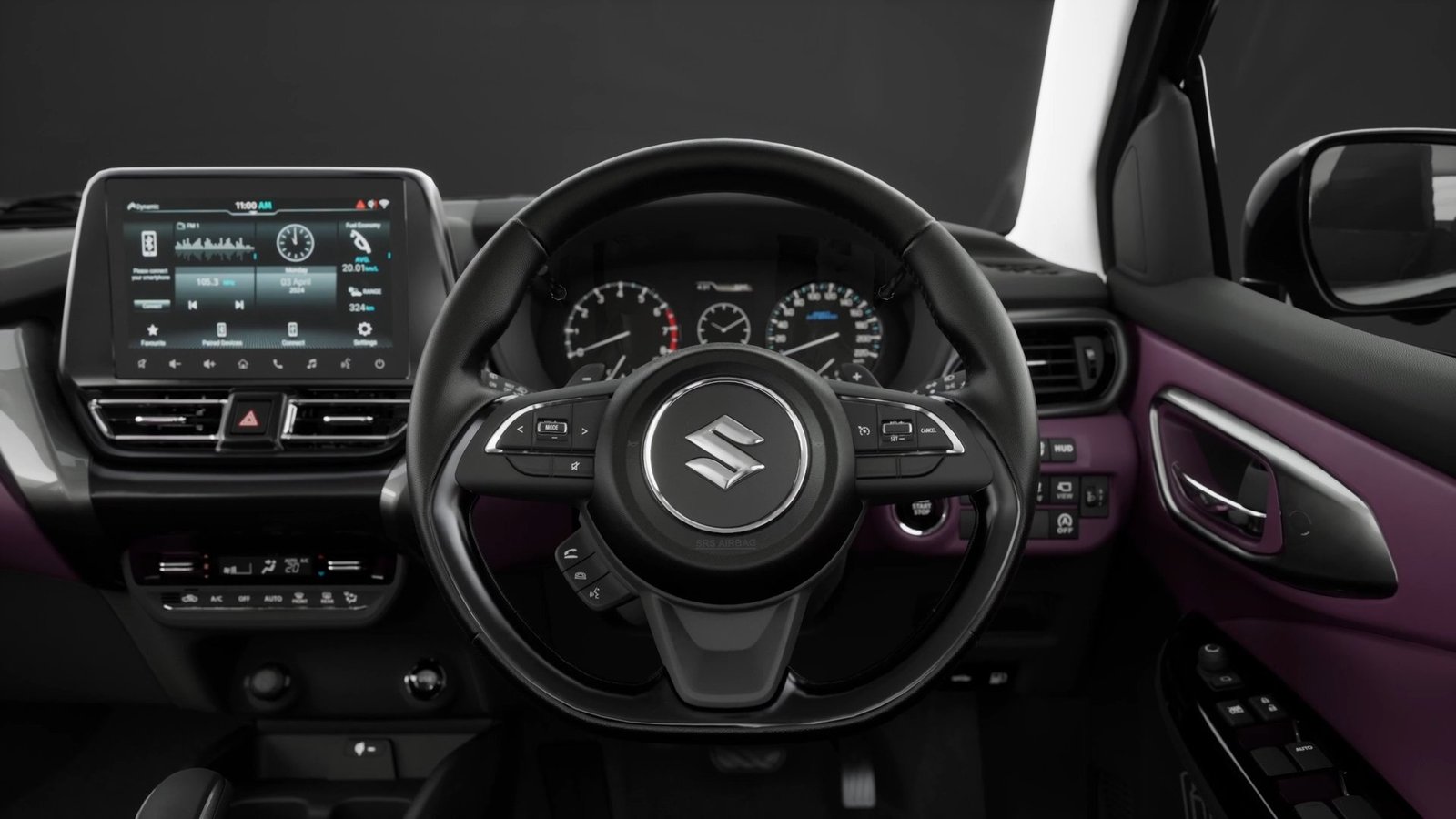
One trade-off beyond the money: the S-CNG kit’s 55-litre water-equivalent cylinder eats into the 308-litre boot the petrol Fronx gets, and Maruti hasn’t published a separate CNG figure, so check it in person before you buy.
Is the Maruti Fronx CNG worth it over petrol?
Only if you drive enough to use it. On The Spec’d’s own on-road figures, the CNG Sigma costs ₹1.09 lakh to ₹1.16 lakh more than the petrol Sigma depending on your city, and claimed running costs put the break-even past 60,000 km. That’s roughly 4 to 4.5 years of daily 40 km driving. High-mileage buyers, especially those who drive for a living, come out ahead; occasional drivers don’t.
How much more does the Fronx CNG cost on the road than petrol?
It varies by city because road tax is a percentage of the higher CNG price. On The Spec’d’s city price pages, the gap is about ₹1.09 lakh in Delhi, ₹1.13 lakh in Mumbai and ₹1.16 lakh in Bengaluru for the Sigma trim, all bigger than the ₹1.04 lakh ex-showroom difference.
What is the running cost of the Fronx CNG per km?
At the ARAI-claimed 28.51 km/kg and ₹80 a kg of CNG, The Spec’d’s mileage page works it out to about ₹2,810 per 1,000 km, against ₹4,590 for the equivalent 21.79 kmpl petrol manual at ₹100 a litre. That’s a saving of about ₹1.78 a km, before any real-world difference from traffic or air-conditioning.